High thermal-conductivity substrates and high-frequency circuit boards engineered to optimize UV-C light output and driver stability.
Austria is globally recognized for its stringent environmental standards, strict municipal regulations, and advanced medical sectors. The transition from legacy mercury vapor lamps to high-efficiency deep ultraviolet (deep-UV) solid-state light sources represents a major technological leap. This transition is heavily shaped by European-wide directives like RoHS (Restriction of Hazardous Substances), which phase out mercury-based devices in favor of clean semiconductor alternatives.
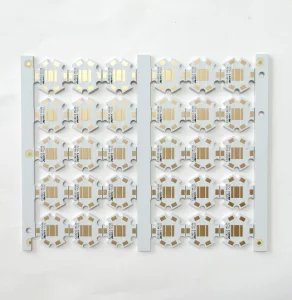
Austrian municipal water purification systems, public transport networks, food processing lines, and clinical environments are seeking highly reliable UVC LED modules. Crucial to this demand are high-performance Metal Core PCBs (MCPCBs) that can handle the extreme heat generation of deep-UV light-emitting diodes. Without advanced thermal substrates, deep-UV chips suffer rapid output decay and reduced lifespan.
Our solutions bridge the gap by providing top-tier, low-thermal-resistance substrates and advanced driver electronics. This ensures Austrian system design houses and device integrators achieve maximum optical power and compliance with regional safety standards like ÖNORM M 5873 (validating UV disinfection systems).
The global UVC LED industry has pivoted from exploratory laboratory designs to robust, high-performance commercial deployments. As the Wallplug Efficiency (WPE) of AlGaN (Aluminum Gallium Nitride) semiconductor chips rises above 4% to 8%, deep ultraviolet sources are outperforming low-pressure mercury lamps. Key to this shift are innovations in sub-280nm packaging, where thermal extraction represents the single most important parameter.
Currently, UVC LED modules operate in the 260nm to 280nm range, targeting the absorption peak of microbial DNA/RNA. The market is shifting from static, low-dose systems to high-speed dynamic fluid and air sterilizers. This shift demands higher current density and denser chip arrays.
Our technologies empower Austrian system builders to deploy high-precision UVC systems. These devices require reliable, high-performance electronics to ensure uninterrupted operation, data logging, and remote monitoring.
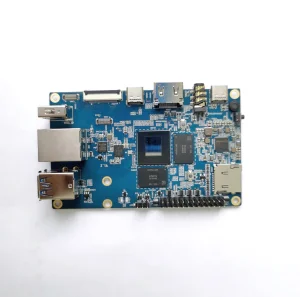
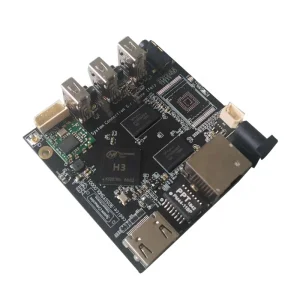
Austrian drinking water reservoirs require UV reactors that comply with sanitary codes. Utilizing Rockchip RK3588S control motherboards featuring built-in NPUs allows real-time optical power tracking and dynamic sensor analysis. This adjusts power output based on water turbidity.
Offices and factories across Vienna utilize UVC systems in air ducts to eliminate airborne viruses and mold. Our custom Aluminum PCBs support high-power LED strings. They are designed to withstand continuous airflow while dissipating structural heat directly to external chassis.
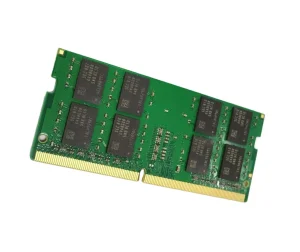
Medical instruments require targeted surface disinfection. Real-time controller modules driven by high-speed server-grade memory structures compute precise dose distribution, logging disinfection cycles to ensure complete bio-safety compliance.
Corexis Memory Technology Co., Ltd. is a professional DDR5 memory manufacturer dedicated to delivering high-performance DRAM solutions for global OEM, ODM, and brand customers. Since its establishment in 2016, the company has focused on memory technology innovation, advanced manufacturing, and strict quality management. Our products are widely used in desktop PCs, laptops, servers, industrial computers, embedded systems, and AI applications.
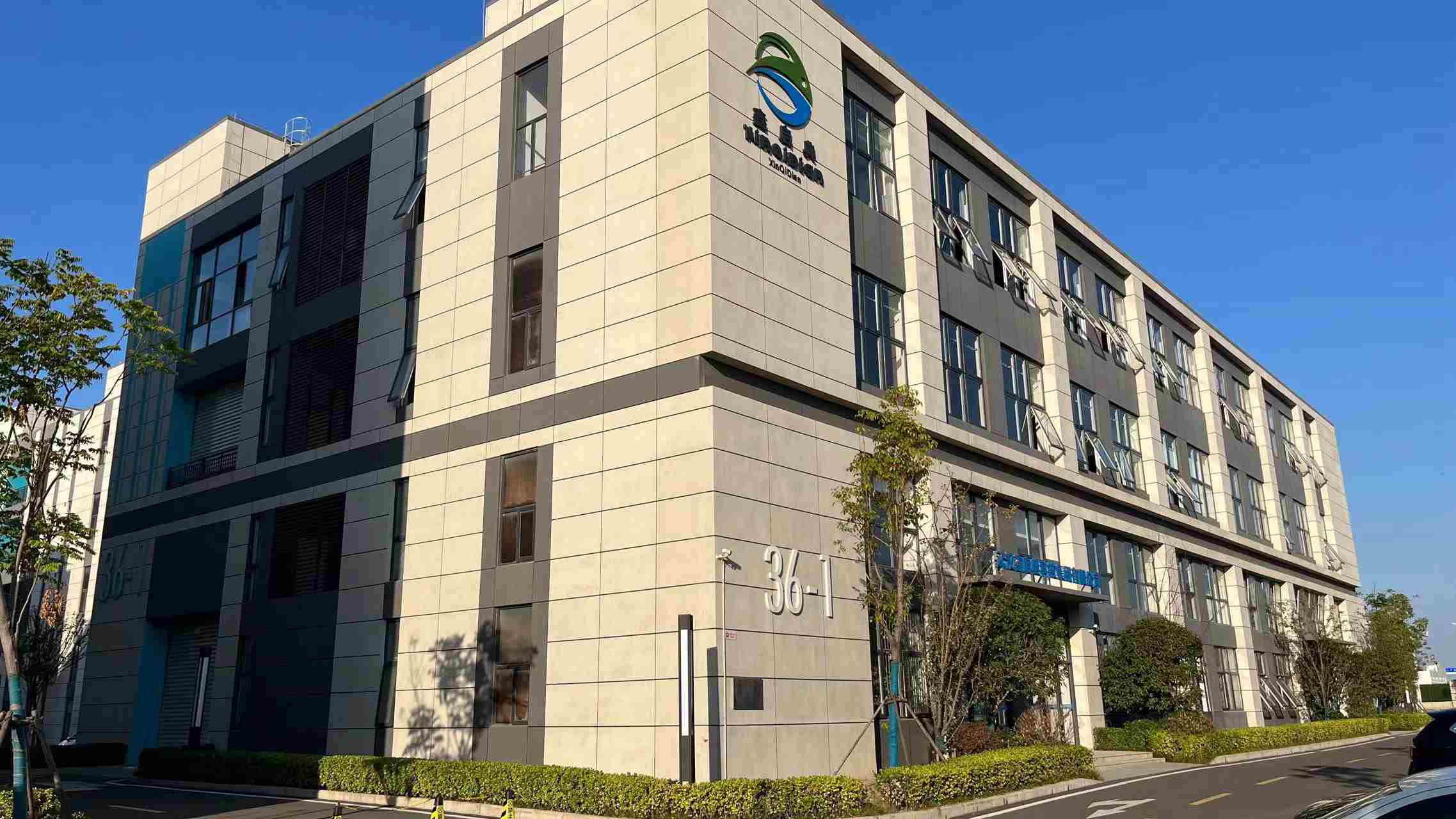
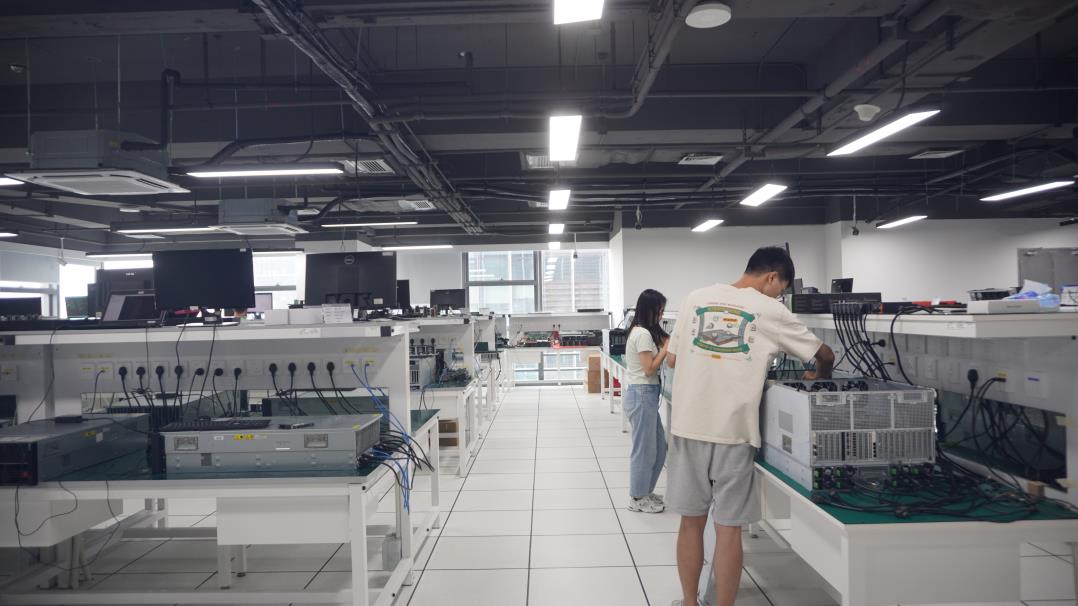
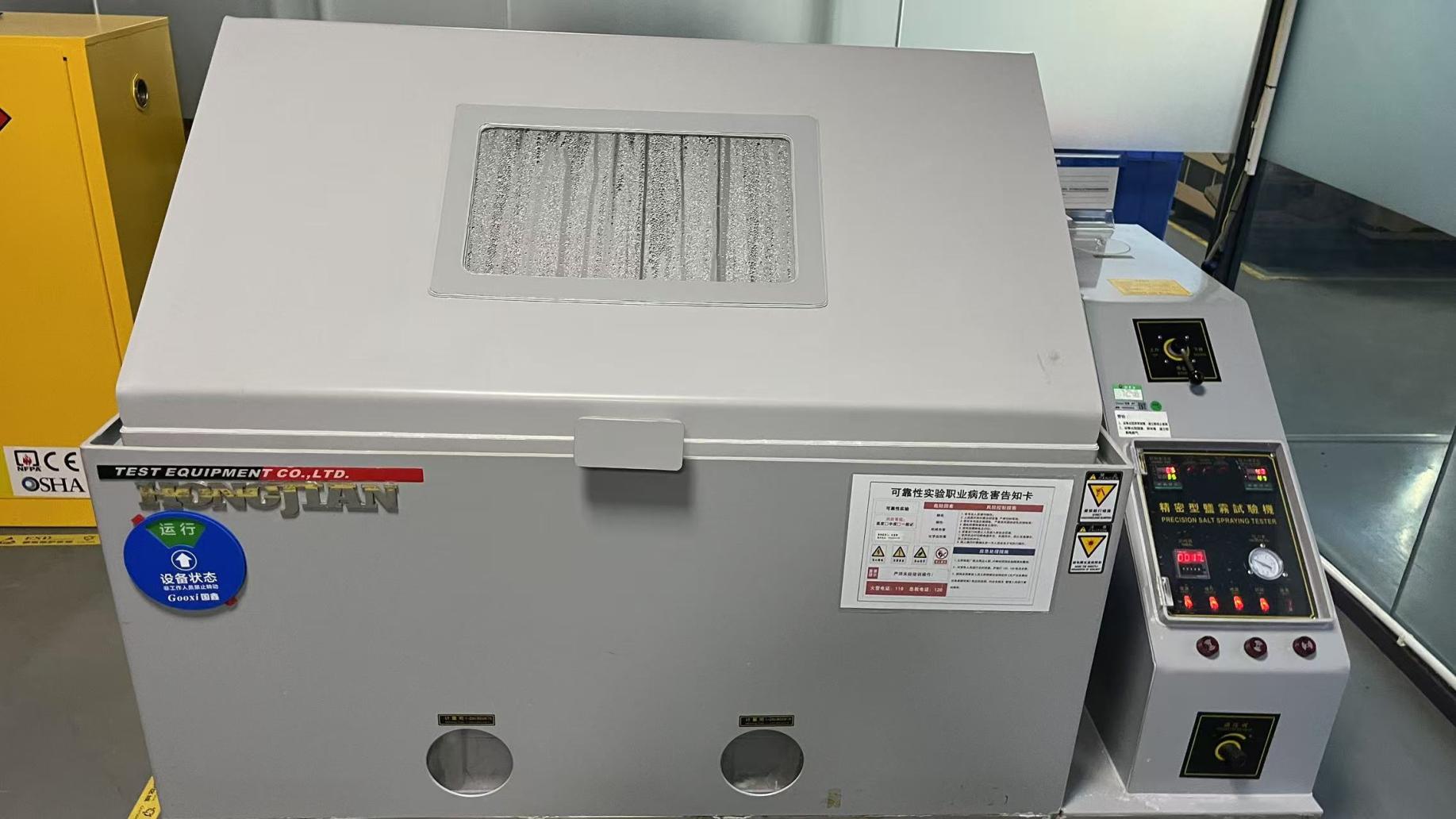
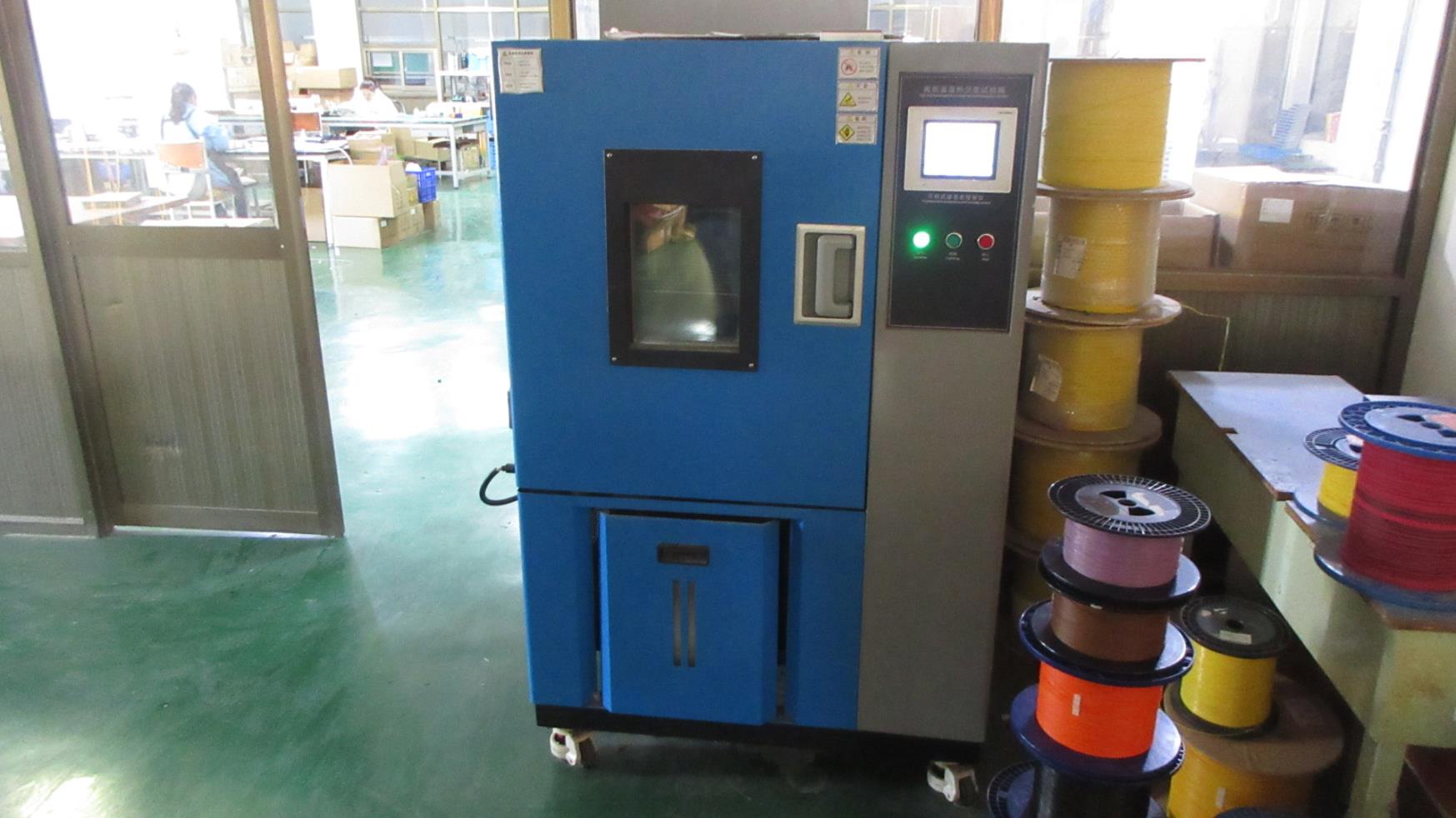
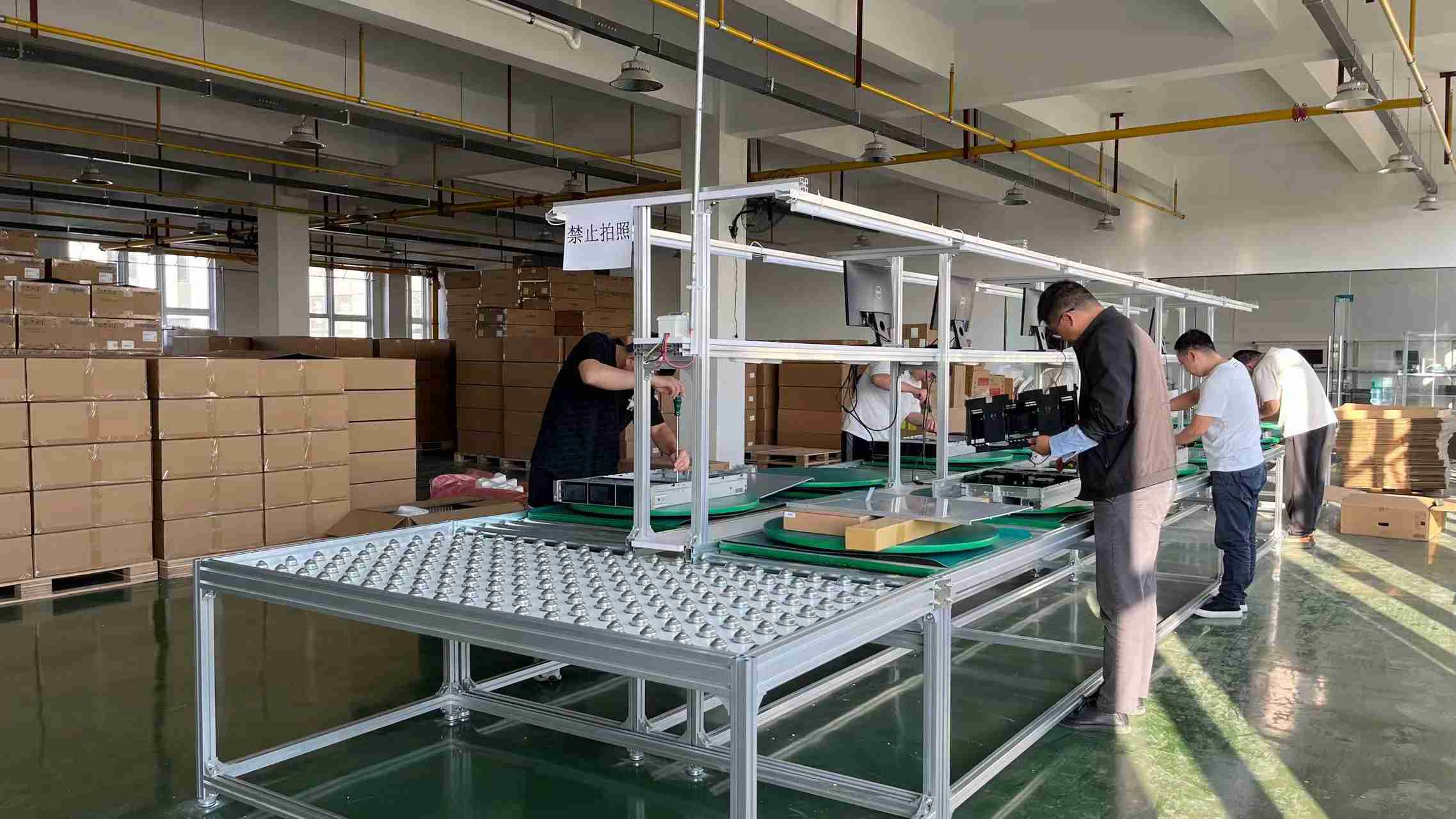
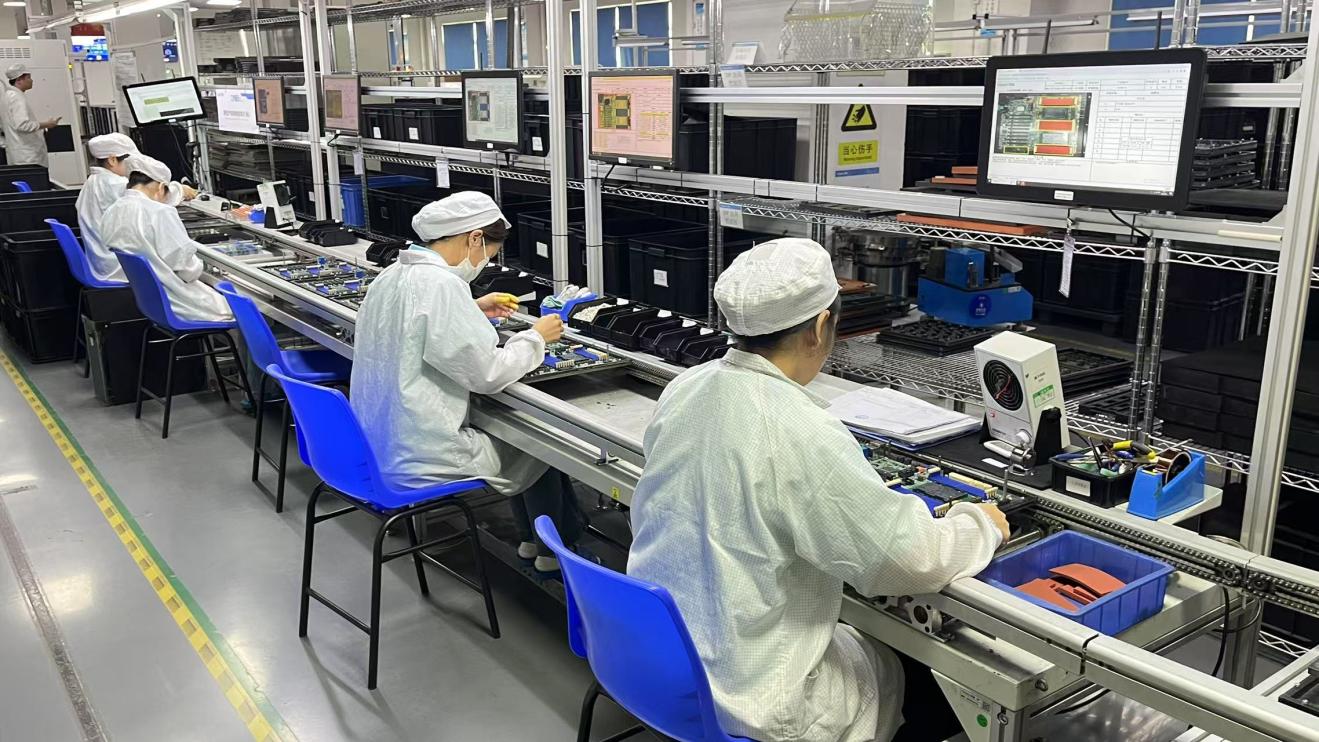
With a modern manufacturing facility covering 21,800 m², Corexis integrates R&D, SMT production, testing, packaging, and quality assurance under one roof. Our experienced engineering team continuously develops reliable and high-speed DDR5 memory products that meet international standards and the evolving demands of the global market.
Company Registration Date: 2016
Factory Area: 21,800 m²
Annual Export Revenue: USD 26,800,000
Years of Export Experience: 8 Years
Years of Industry Experience: 10 Years
Quality Control: 100% Full Inspection Before Shipment
R&D Engineers: 128
R&D Capability: Independent Product Design, Hardware Development, Firmware Optimization, Custom PCB Design
Product Inspection Methods: Incoming Material Inspection (IQC), In-Process Inspection (IPQC), Final Quality Control (FQC), Outgoing Quality Assurance (OQA), Reliability & Compatibility Testing
Quality Control Staff: 56
Business Type: Manufacturer & Exporter
Main Markets: North America, Europe, Southeast Asia, South America, Middle East
Supply Chain Partners: 1,120+
Main Customer Types: OEM Manufacturers, Brand Owners, System Integrators, Industrial Equipment Manufacturers, Distributors
Customization Options: Logo Printing, Private Label, Customized Packaging, Capacity Configuration, Heat Spreader Design, OEM & ODM Services
Driven by innovation and customer satisfaction, Corexis is committed to providing reliable DDR5 memory solutions alongside advanced custom SMT/PCBA and thermal substrate designs. We offer competitive pricing, stable supply capacity, and responsive technical support. We strive to build long-term partnerships with customers worldwide through consistent product quality, flexible customization services, and professional manufacturing expertise.
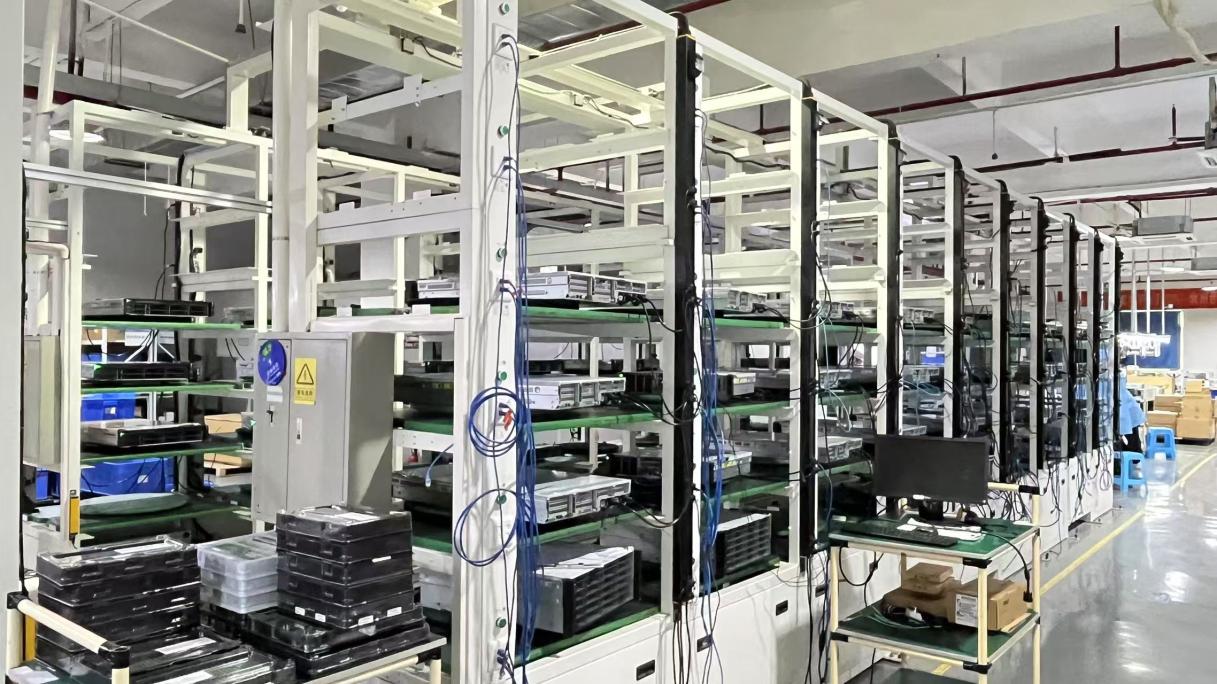
Unlike standard blue LEDs that convert up to 60-70% of energy into light, UVC LEDs convert about 90-95% of electrical energy directly into thermal energy at the AlGaN quantum well. If this heat is not extracted immediately, the junction temperature climbs beyond critical thresholds. This results in standard degradation and shifts in wavelength outside the germicidal zone.
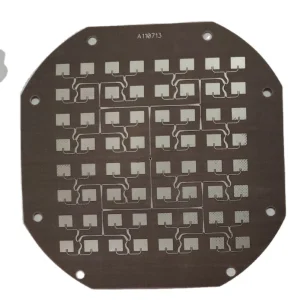
For Austria’s demanding industrial and municipal disinfection requirements, standard FR4 substrates are inadequate. Corexis manufactures high-end Metal Core PCBs (MCPCBs) using specialized dielectrics with thermal conductivity ratings up to 8.0 W/m-K. In high-frequency, high-precision control loops, we utilize Taconic TLY-5 copper-clad laminates. These feature exceptional dielectric constant stability, minimal dissipation factor, and mechanical toughness.
This substrate integration keeps operating temperatures below 60°C. This ensures stable optical power, reliable performance, and protection for Austrian industrial disinfection equipment.
Compare standard and optimized substrate options for industrial UV applications:
| Substrate Type | Thermal Conduct. | Lifespan (L70) |
|---|---|---|
| Standard FR-4 | 0.25 W/m-K | < 1,000 Hours |
| Corexis Al-MCPCB | 3.0-8.0 W/m-K | > 10,000 Hours |
| Taconic TLY-5 Class | High-Freq Spec | Max Thermal Stability |
Technical insights regarding UVC disinfection system integration, design metrics, and PCB technology.
High-reliability memory and control solutions supporting smart UVC disinfection, automated sensors, and municipal monitoring networks in Austria.
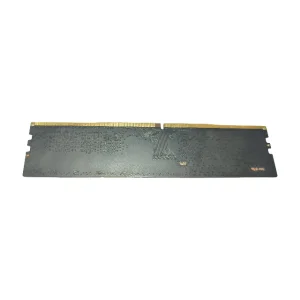
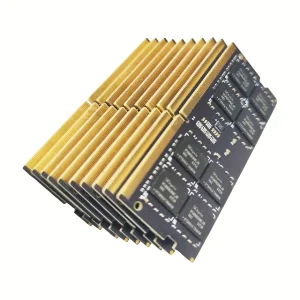
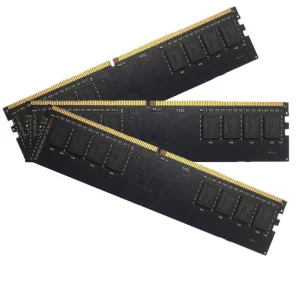
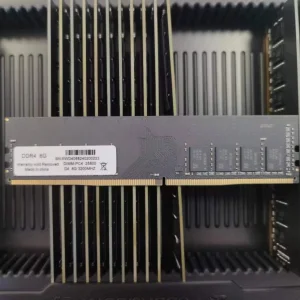
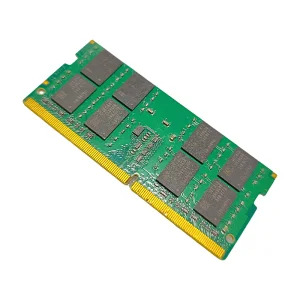
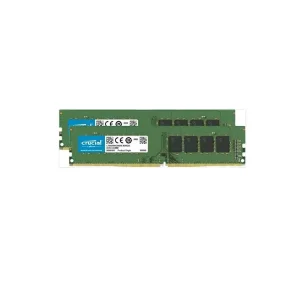
We provide custom design services, precise thermal layout configurations, and robust memory control modules tailored to the European market. Let us help you optimize your next project.
 Corexis Memory