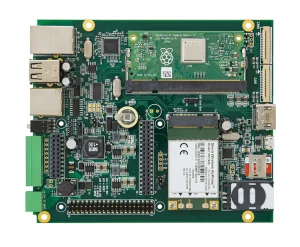
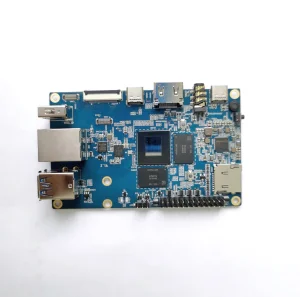
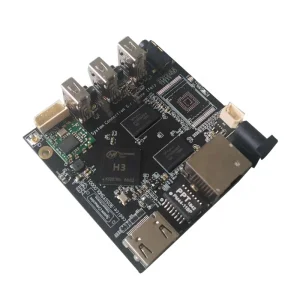
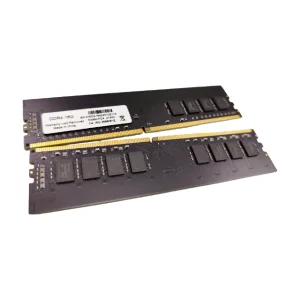
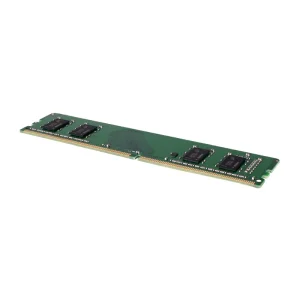
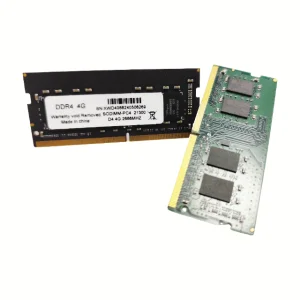
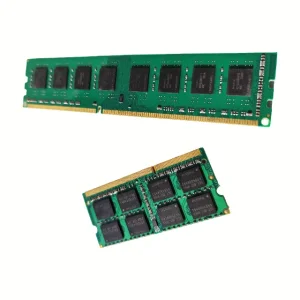
As one of Europe's fastest-growing manufacturing hubs, Hungary has established itself as an essential node for the automotive, smart grid, and telecommunication sectors. Industrial cities such as Győr, Debrecen, Kecskemét, and the capital Budapest host advanced industrial clusters requiring rigorous reliability in electronics assembly. Corexis Memory Technology Co., Ltd. supplies high-precision, industrial-grade Printed Circuit Board Assemblies (PCBA) and memory modules that power these demanding applications. By bridging rapid component sourcing networks with state-of-the-art SMT capabilities, we supply developers, system integrators, and tier-1 manufacturers across Hungary with high-speed memory systems, industrial controls, and heavy-duty power boards.
These high-performance assemblies represent our key competencies in smart power management, high-density IPC layouts, and embedded system configurations.
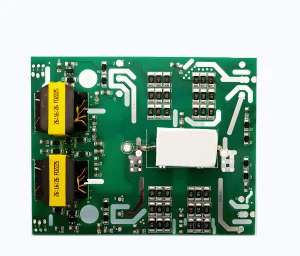
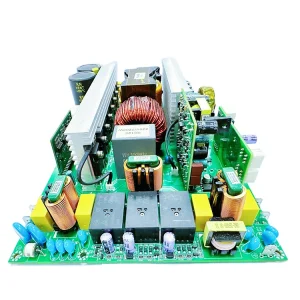
The electronics sector stands as one of the pillars of Hungarian manufacturing, representing a significant percentage of its overall manufacturing output. Major automotive OEMs (including Audi, Mercedes-Benz, Suzuki, and the emerging BMW production facility in Debrecen) have generated massive regional demands for tier-1 and tier-2 suppliers. These assembly ecosystems rely on highly specialized PCBA structures featuring multi-layer micro-vias, heat-resistant substrates, and precise mechanical component placement.
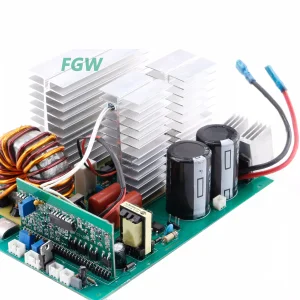
Simultaneously, Central Europe is experiencing a structural pivot towards green energy infrastructures. Photovoltaic system installations require high-power inverters capable of converting direct current to grid-compatible alternating current. These inverter systems use sophisticated driver PCBs containing large copper weights to handle high current demands. They also integrate embedded logic controllers that manage real-time grid synchronization. Corexis delivers PCB assembly configurations engineered for these precise thermal challenges, ensuring that system integrators in regions like Pest and Győr-Moson-Sopron maintain uninterrupted energy yields.
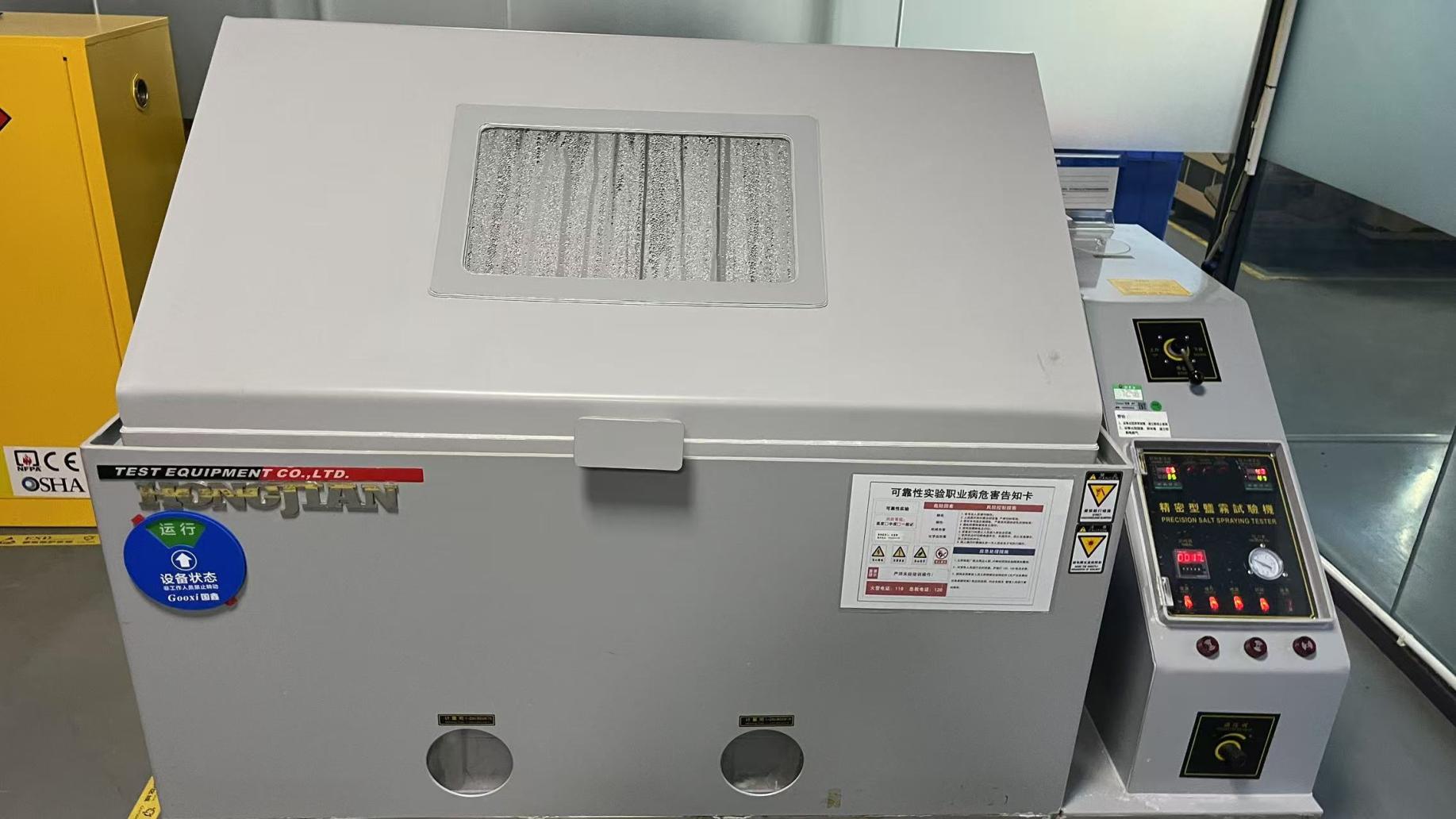
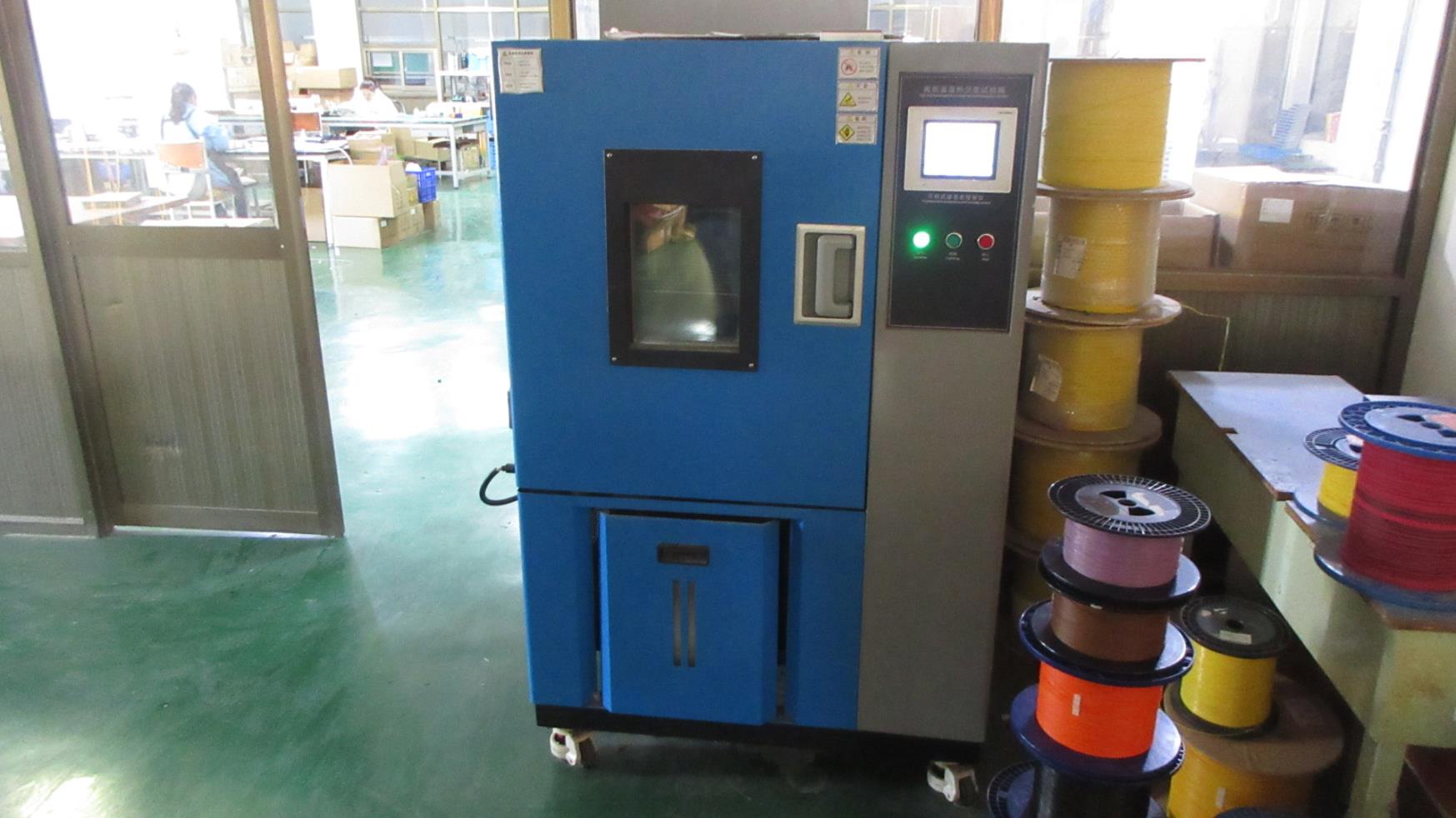
Automotive and heavy industrial installations require hardware that survives constant vibrations, thermal fluctuations, and humidity. SMT assemblies destined for the automotive sector in Hungary must comply with strict automotive standards, using AEC-Q compliant components, high Tg substrates, and conformal coatings. Our assembly processes integrate selective soldering and Underfill technology to reinforce critical BGA packages, preventing solder joint cracking under high thermal stress profiles.
By leveraging our 10-year factory background, Corexis supports local engineering departments during early prototype stages. We provide comprehensive Design for Manufacturability (DFM) reviews to ensure trace routings, component spacings, and solder mask boundaries conform to automated manufacturing parameters. This mitigates layout revisions, lowering costs and accelerating product deployment.
Sourcing electronics from Chinese manufacturing facilities allows European enterprises to combine cost advantages with technical precision. Corexis manages the entire production cycle from component procurement to final assembly. By using relationships with global chip distributors and domestic component networks in Asia, we secure hard-to-find active silicon and passive components. This minimizes procurement delays for our customers.
Our logistics pipeline handles shipments to Hungary using various transit modes, including air-freight into Budapest Liszt Ferenc International Airport and rail transport via the China-Europe Land-Sea Express Line. We provide complete documentation support, including clean customs files, HS coding, and certificates of origin. This streamlines clearance procedures through Hungarian tax authorities.
Every assembly batch destined for the European market must meet strict safety, health, and environmental criteria. Corexis runs an ISO 9001:2015 certified manufacturing facility, assuring compliance with key European directives:
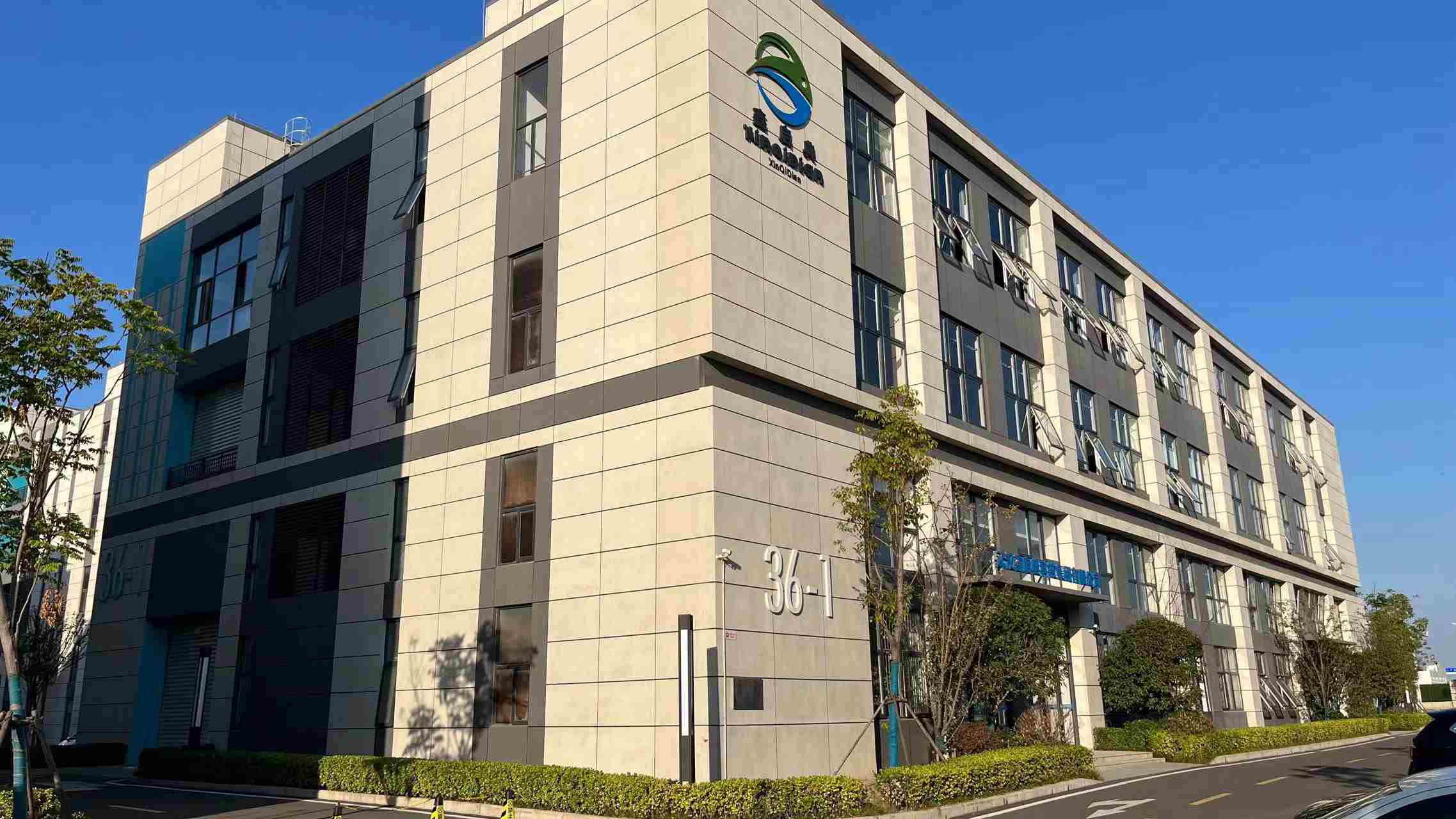
Corexis Memory Technology Co., Ltd. is a professional DDR5 memory manufacturer and electronics contract manufacturer dedicated to delivering high-performance DRAM solutions and comprehensive PCBA solutions for global OEM, ODM, and brand customers. Since our establishment in 2016, we have focused on memory technology innovation, advanced packaging, SMT processing, and strict quality management. Our products are widely used in desktop PCs, laptops, servers, industrial computers, embedded systems, and AI edge platforms.
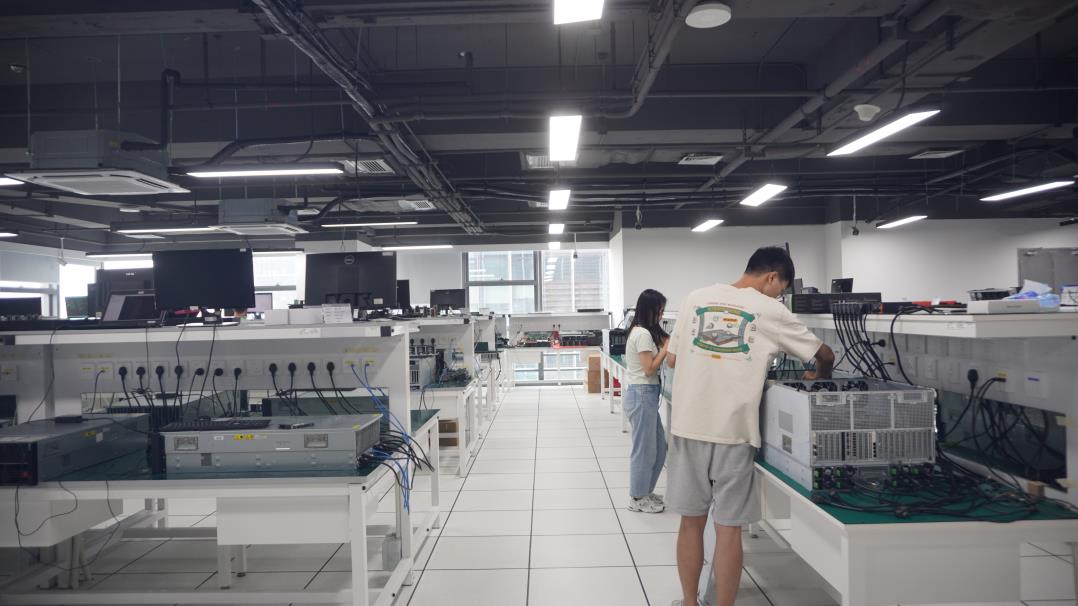
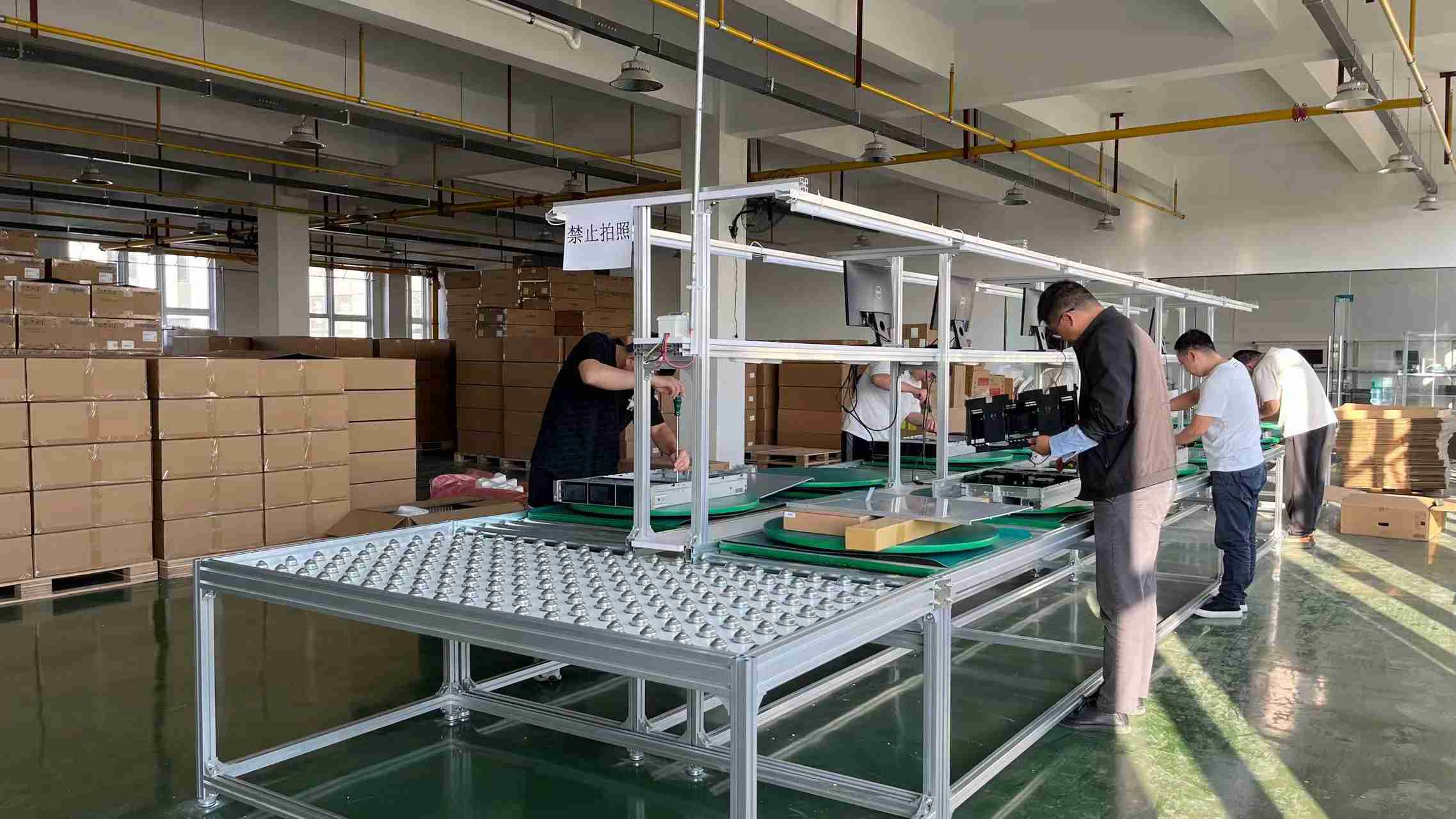
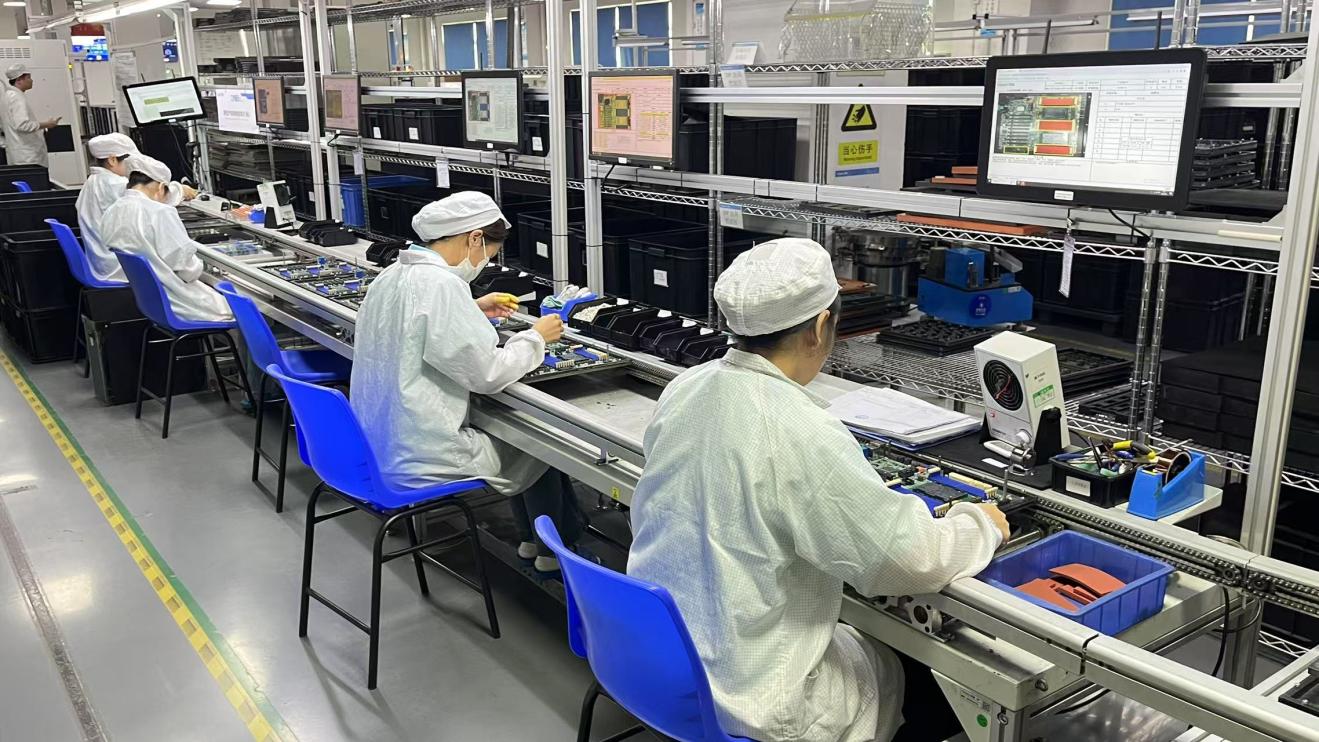
Our facility runs high-speed Siemens SMT lines, automated stencil printers, SPI (Solder Paste Inspection), AOI (Automated Optical Inspection), and inline X-ray testing systems to ensure defect-free board production.
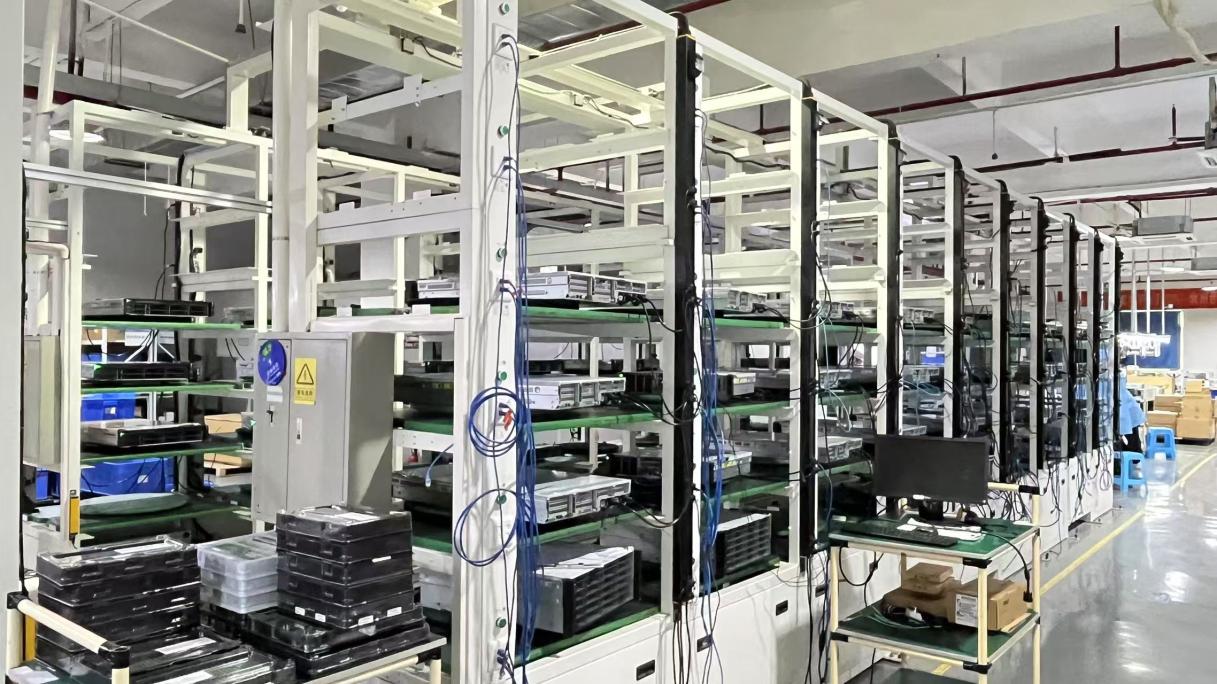
Explore our portfolio of consumer appliance control units, ARM-based edge processing solutions, and enterprise DDR4/DDR5 system memory modules.
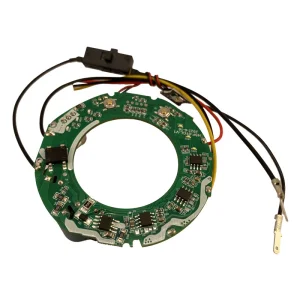
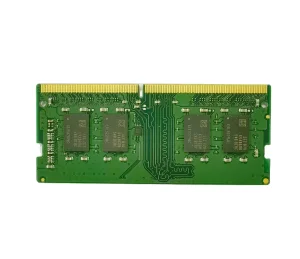
The technological requirements of CEE-based system integrators are shifting from basic 4-layer control boards to complex high-density, multi-layer HDI circuits. This transition is driven by three main factors: the adoption of high-speed DDR5 memory, the emergence of AI edge computing platforms, and the demand for low-power IoT architectures.
First, the transition to DDR5 has reshaped PCB layout parameters. Operating at higher data rates with reduced operating voltages (1.1V), DDR5 demands precise power integrity design. The integration of the PMIC (Power Management Integrated Circuit) directly on the memory module substrate, rather than the host motherboard, requires advanced thermal management to prevent hotspots. Corexis manages this transition through thermal analysis and layout optimization, ensuring our memory modules function reliably in server racks and fanless industrial PCs.
Second, AI edge computing modules, such as our Rockchip RK3588S-based platforms, require multi-layer HDI designs to route the high pin-count BGA chips. These boards handle large data bandwidths for image processing, robotic control, and machine vision. Designing routing paths with matched impedance, minimizing crosstalk, and optimizing decoupling capacitors close to power pins are critical steps to prevent signal degradation. Our engineering team checks these factors before production starts.
For many Hungarian electronics purchasers, balancing cost efficiency with quality assurance is a major challenge. Corexis achieves this balance through:
At Corexis, quality control is integrated into every phase of our manufacturing process. We employ 56 dedicated quality inspectors who oversee a five-tier validation protocol:
This structured quality process helps us maintain low defect rates (measured in PPM), ensuring our PCBA assemblies integrate smoothly into our customers' final assembly lines without costly rework or line stoppages.
Find answers to common questions about sourcing custom PCB assemblies, memory products, shipping, and quality standards for the Hungarian and CEE markets.
Get in touch with our engineering team today. We provide detailed DFM reviews, component sourcing support, and SMT assembly services for your business in Hungary.
Send Inquiry Now Corexis Memory