The industrial landscape in Malaysia is undergoing a significant shift towards green sterilization and automation technologies. Driven by regional hubs such as Penang's semiconductor cluster, the Klang Valley's pharmaceutical production plants, and Johor's rapidly expanding municipal water treatment infrastructure, the demand for solid-state Ultraviolet-C (UVC) LED solutions is reaching unprecedented levels.
Unlike traditional low-pressure mercury vapor lamps, modern UVC LEDs operating at wavelengths of 260nm to 280nm offer unparalleled advantages in footprint optimization, environmental safety (mercury-free operation), and instant-on capabilities. In tropical regions like Malaysia, where high relative humidity accelerates mold and bacterial growth, active air and water sanitation systems integrated with custom SMT boards are critical to operational compliance.
Standard gas-discharge mercury lamps suffer from long warm-up cycles, short operating lifespans (typically ~8,000 hours), and high maintenance costs. In contrast, advanced UVC LEDs engineered on high-thermal conductivity aluminum PCBs deliver over 30,000 hours of L70 operational life, making them ideal for high-uptime manufacturing lines in Malaysia.
Global procurement teams looking for UVC LED modules face unique challenges. Because UVC sterilization performance depends directly on radiant flux output and precise optical angles, components must be customized for specific mechanical environments. Here is how leading global enterprises manage their procurement pipelines:
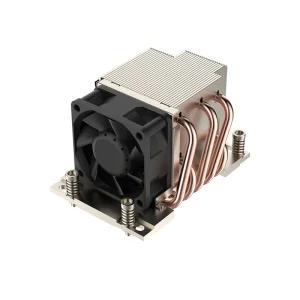
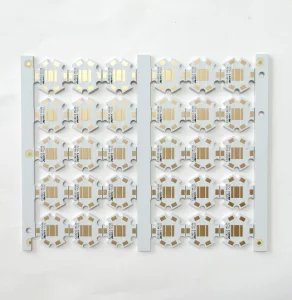
Due to the low external quantum efficiency (EQE) of UVC chips, over 90% of electrical energy is converted into heat. B2B procurement mandates the use of Metal Core PCBs (MCPCB) or advanced Aluminum Substrates to prevent thermal runaway and maintain stable radiant output.
Precise constant-current driving circuits are essential. Over-current conditions can destroy the p-n junction of UVC LEDs, whereas under-current leads to inadequate pathogen inactivation. Integrated PCB assemblies (PCBA) must include smart control capabilities.
Unlike light fixtures that require diffusive lensing, UVC applications rely on focused quartz glass lenses or raw reflector assemblies to deliver concentrated irradiance ($mW/cm^2$) directly to the target surface or water flow channel.
In Malaysia's tropical climate, commercial building HVAC systems run constantly, creating damp environments inside air handlers where mold and pathogens thrive. Our customized high-power UVC LED modules are designed to fit directly into air handling units (AHUs) and terminal units, neutralizing airborne viruses and bacteria before they recirculate.
From industrial wastewater systems to point-of-use (POU) drinking systems, municipal and industrial operations in Malaysia require chemical-free water purification. We specialize in developing high-flux UVC modules that integrate directly into pipe junctions, utilizing optimal water flow modeling to maximize pathogen exposure to UVC radiation.
Malaysia's semiconductor manufacturing facilities in Penang and Selangor require strict particle and microbial control. Specialized UVC modules integrated into ceiling fan filter units (FFUs) provide continuous microbial suppression without generating ozone, ensuring complete safety for sensitive materials and wafers.
Our engineering roadmap prioritizes higher chip density, transition to AlN-on-sapphire substrates for enhanced heat dissipation, and the integration of IoT monitoring tools. This allows real-time monitoring of UVC output power, temperature profiles, and operating status, giving engineering teams complete control over their systems.
Deploying UVC sterilization equipment in Malaysia requires strict adherence to local and international compliance frameworks. Equipment manufacturers and facility managers must ensure their assemblies comply with safety standards such as IEC 62471 (Photobiological Safety of Lamps and Lamp Systems) to protect operators from hazardous ultraviolet radiation.
Furthermore, electronic assemblies and LED driver controls must conform to local electrical safety standards managed by SIRIM QAS International. Our manufacturing team works closely with local system integrators to supply PCB assemblies, control drivers, and aluminum thermal substrates that easily pass regulatory reviews and meet Energy Commission (Suruhanjaya Tenaga) safety standards.
Operating a manufacturing hub with over 1,120+ supply chain partners allows us to secure raw materials and specialized chips even during tight market conditions. For partners in Malaysia, we offer flexible shipping logistics directly to ports in Klang and Penang, providing seamless integration with local production schedules.
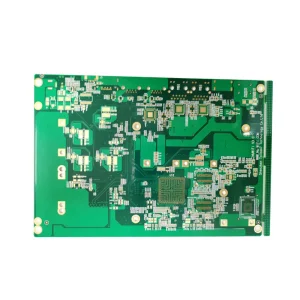
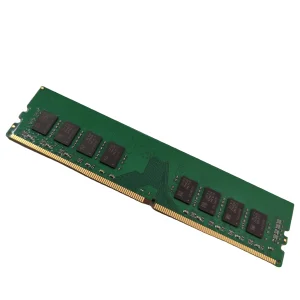
Corexis Memory Technology Co., Ltd. is a professional DRAM and high-density PCB/PCBA manufacturer dedicated to delivering high-performance hardware solutions for global OEM, ODM, and brand customers. Since its establishment in 2016, the company has focused on advanced electronic technology innovation, high-speed SMT assembly, and strict quality management. Our products are widely used in desktop PCs, laptops, industrial systems, embedded controls, and high-performance server architectures.
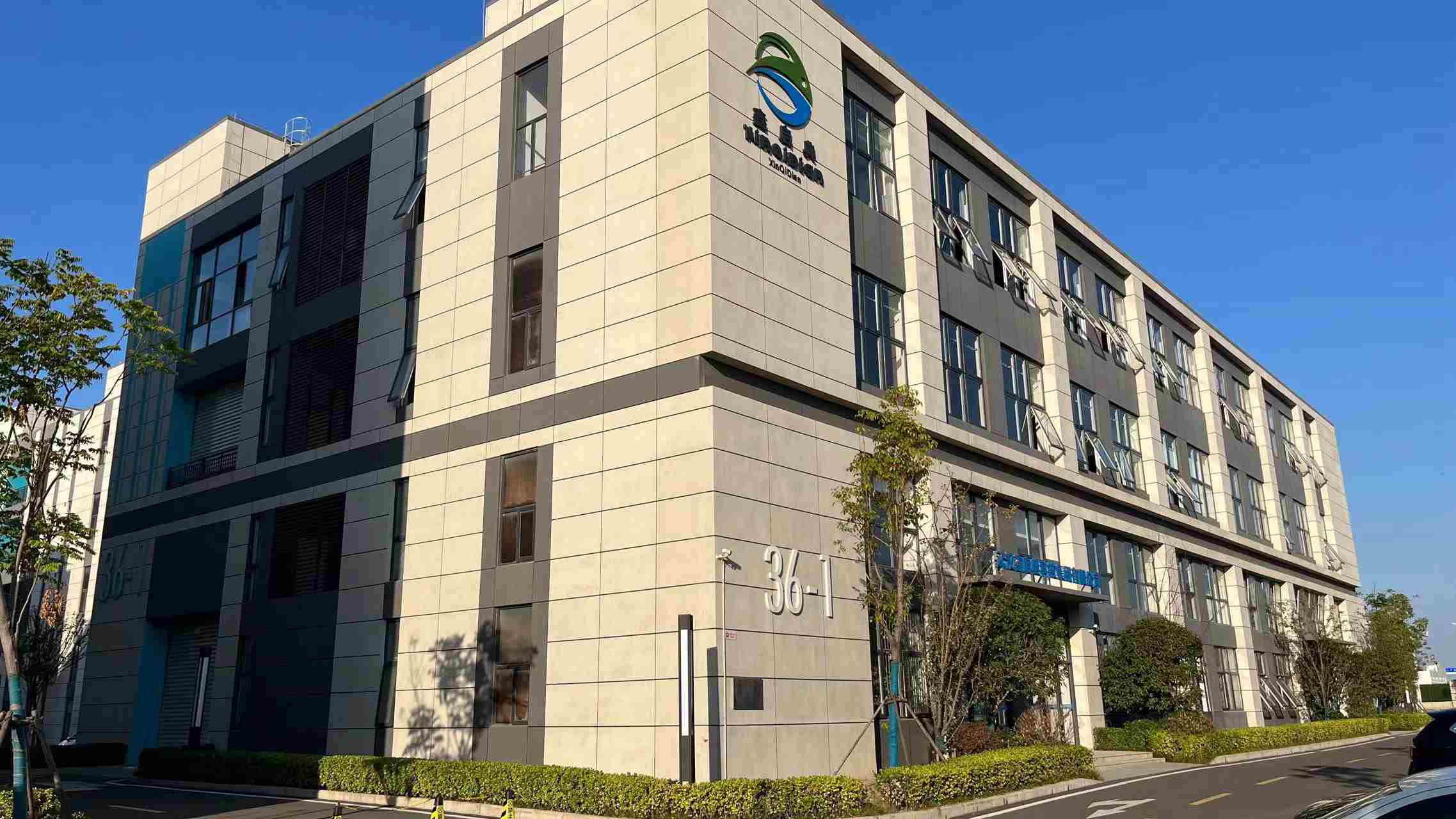
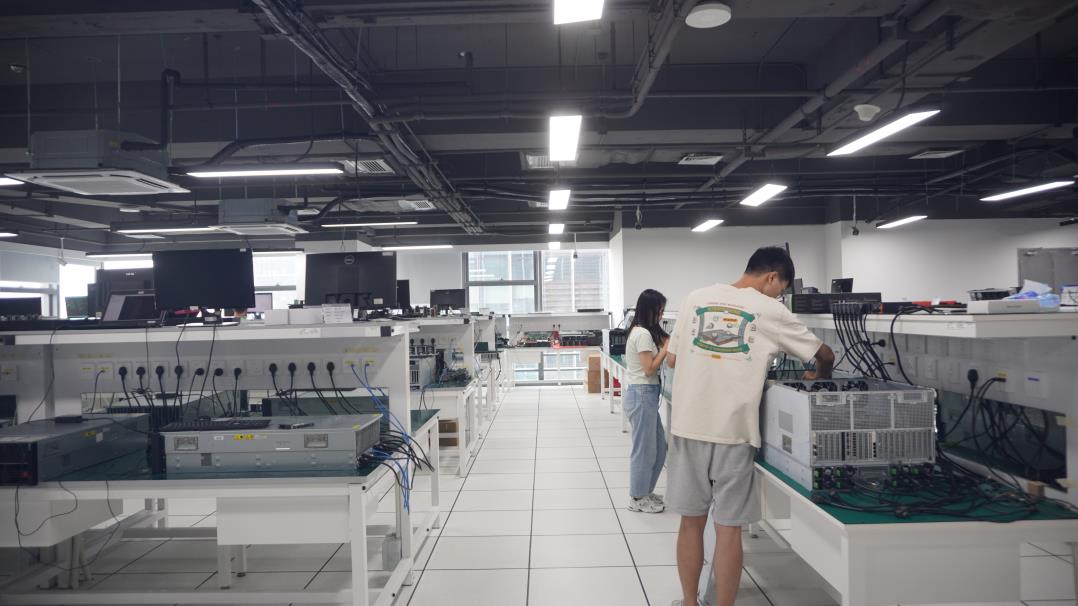
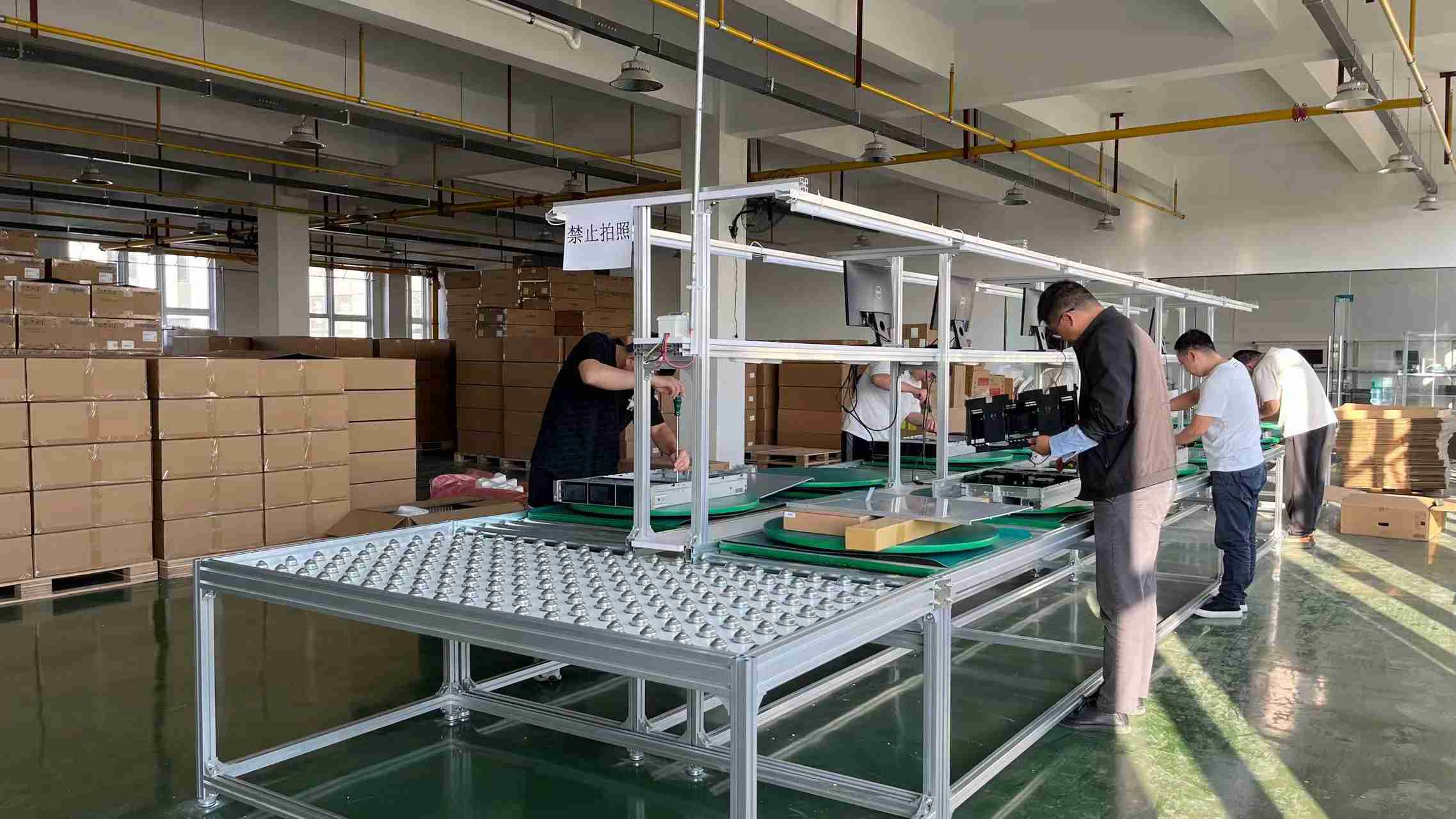
With a modern manufacturing facility covering 21,800 m², Corexis integrates R&D, SMT production, testing, packaging, and quality assurance under one roof. Our experienced engineering team continuously develops reliable, high-speed circuit boards and memory systems that meet international quality standards and the evolving technical demands of the global market.
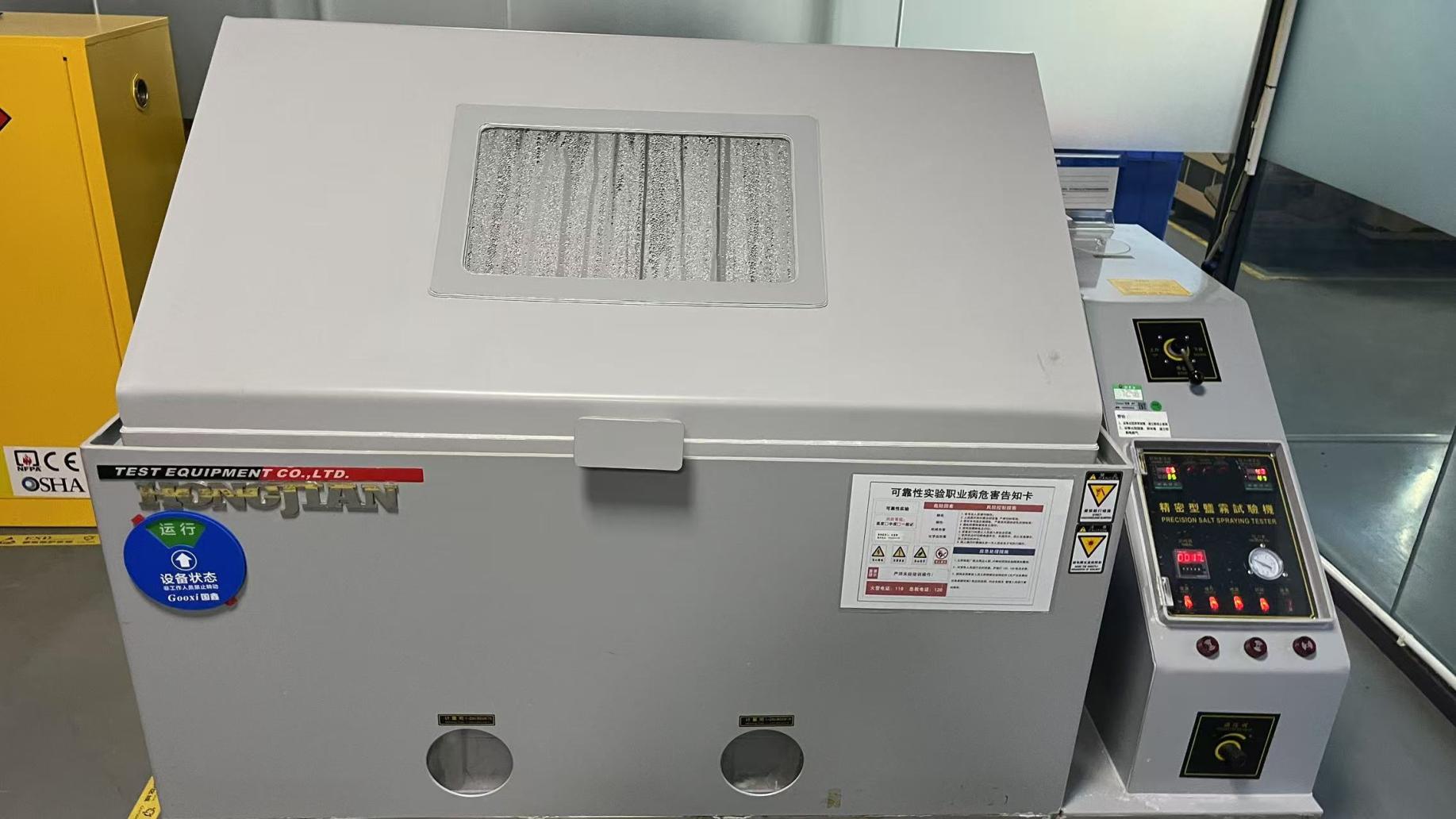
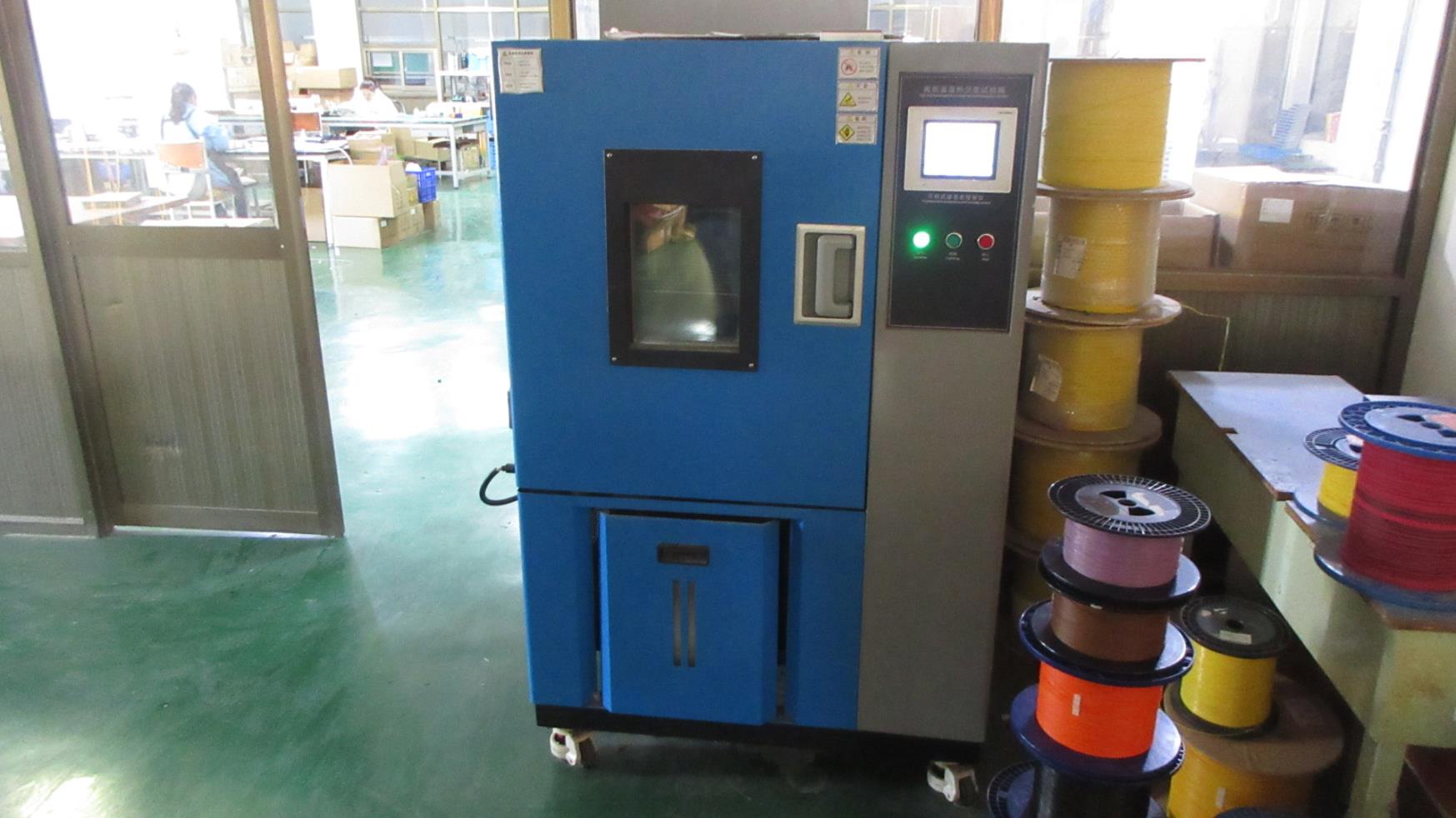
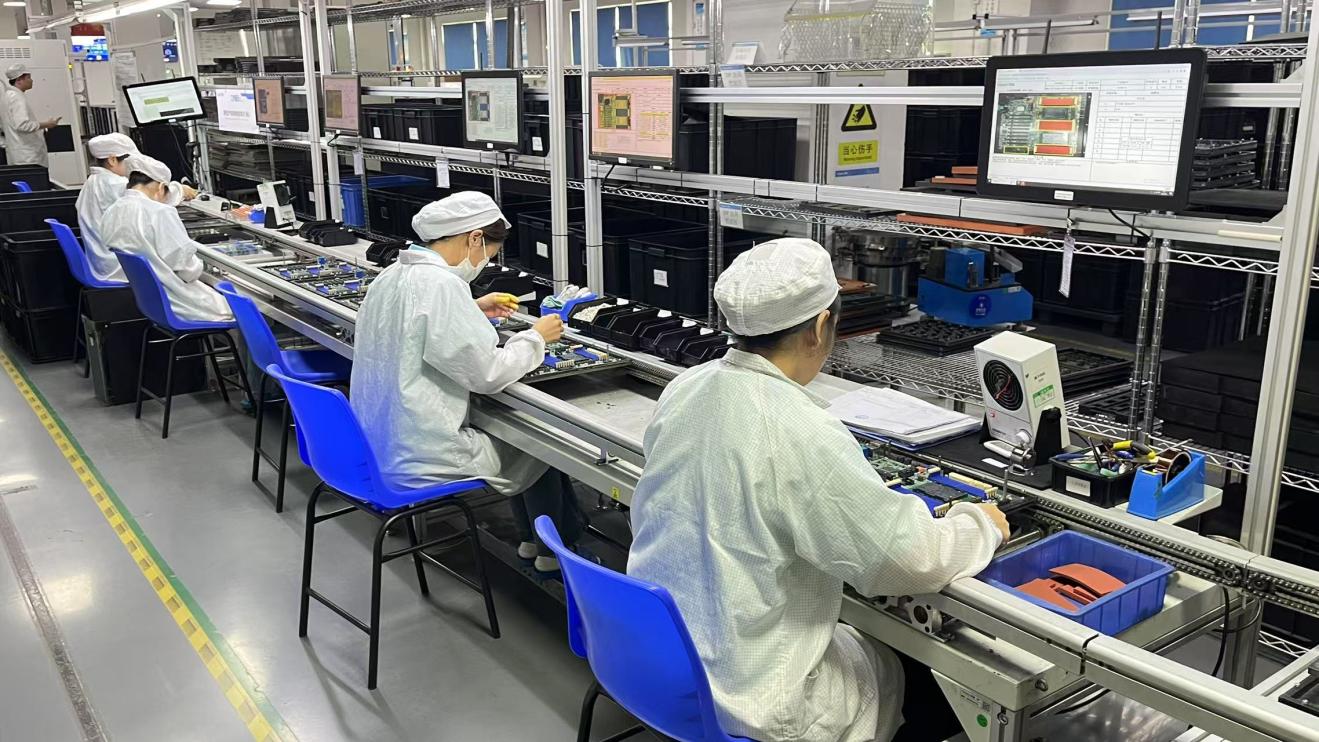
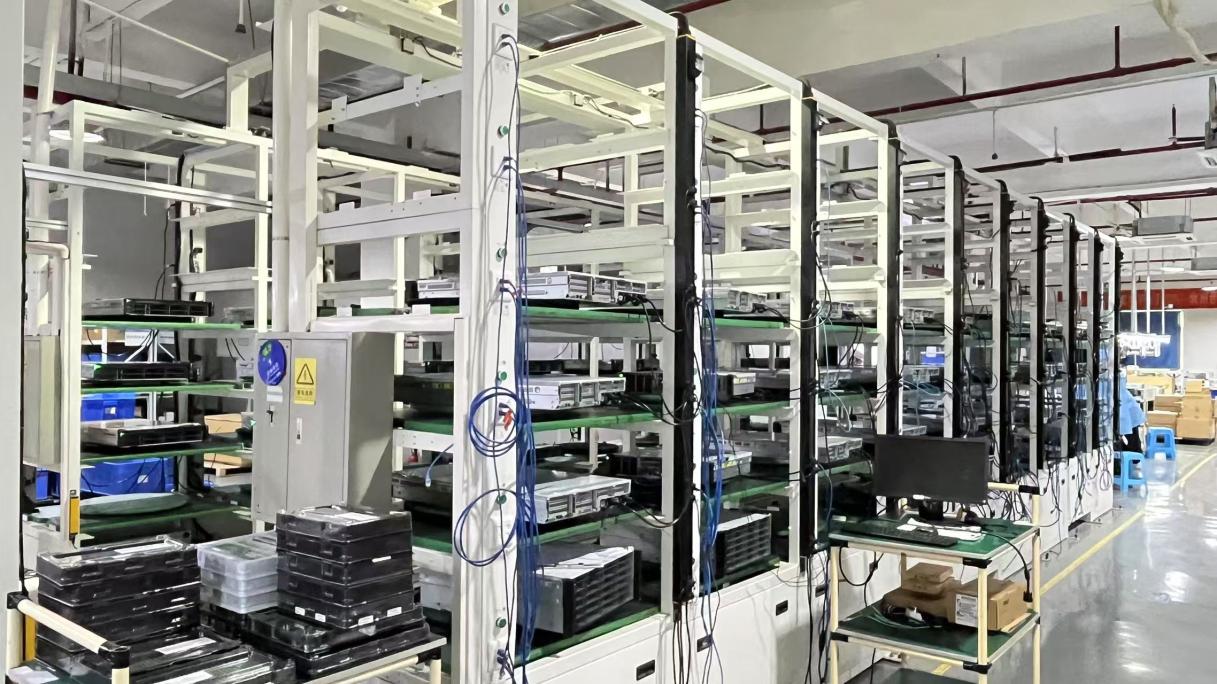
With 128 dedicated R&D engineers and 56 quality control staff, we execute complete inline testing including AOI, ICT, and thermal stress tests, ensuring every circuit board meets rigorous B2B industrial standards.
Our experience with high-speed memory systems translates directly to fabricating reliable metal-core PCBs (MCPCBs) and aluminum substrates, which are crucial for dissipating heat in high-power UVC LED systems.
We provide full customization, including custom PCB layouts, private label engraving, custom thermal profiles, and specialized packaging configurations tailored to the requirements of the Malaysia market.
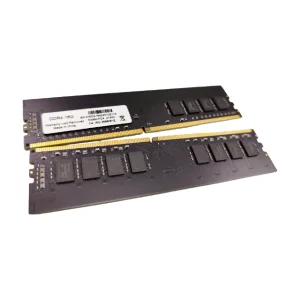
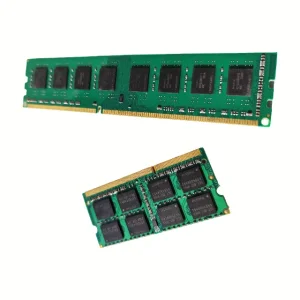
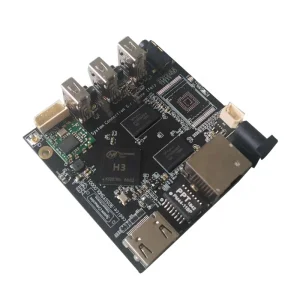
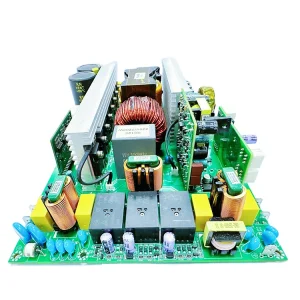
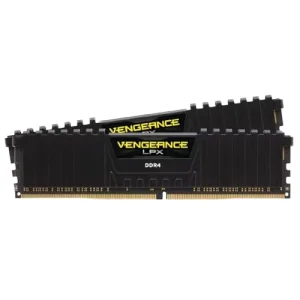
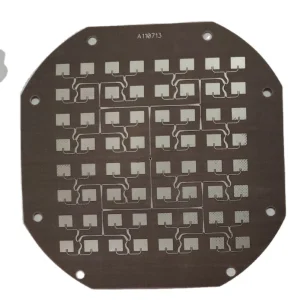
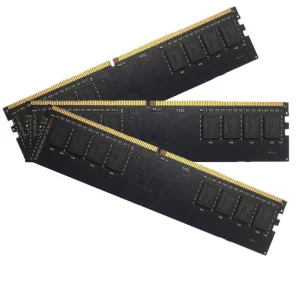
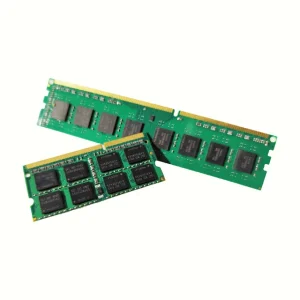
Our production environment is equipped with state-of-the-art SMT lines, automated optical inspection (AOI) units, and high-precision substrate curing machines to support high-reliability product lifecycles.
 Corexis Memory