As one of Europe’s most vital logistics hubs and the third-largest civil aviation location worldwide, Hamburg, Germany, represents a sophisticated ecosystem for electronic components. From the Port of Hamburg’s automated terminal operations to the precision manufacturing requirements of the Finkenwerder aviation cluster, the demand for high-reliability LED PCBs and advanced DRAM solutions is at an all-time high.
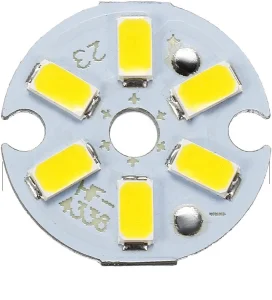
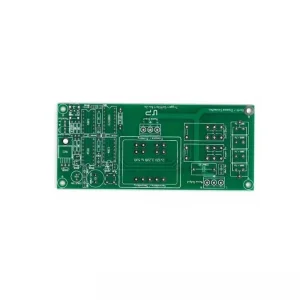
Hamburg is not merely a trading city; it is a center of innovation for the "Energy Transition" (Energiewende) and "Industry 4.0." The local industry demands components that can withstand harsh maritime environments and rigorous aerospace safety standards. Our LED PCB solutions are engineered with thermal management at their core, utilizing Metal Core PCBs (MCPCB) and advanced FR4 laminates to ensure longevity in high-output industrial lighting and sensor arrays.
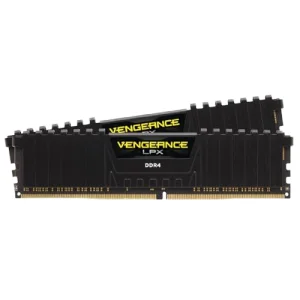
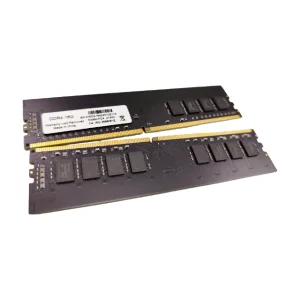
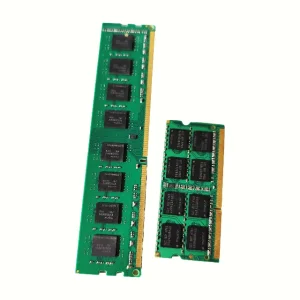
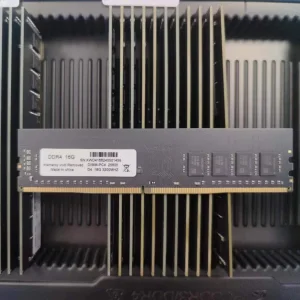
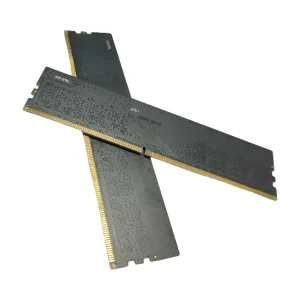
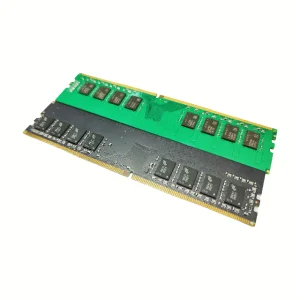
Global enterprises operating within the Hamburg metropolitan region are currently navigating a significant technological pivot. While DDR4 ECC RAM remains the workhorse for existing server architectures in the port’s logistics management systems, there is an accelerating shift toward DDR5. This transition is driven by the need for higher bandwidth in AI-driven predictive maintenance and real-time traffic management across the Elbe bridges.
We provide a holistic approach to electronics supply, bridging the gap between component manufacturing and end-user application. For a Hamburg-based system integrator, this means more than just receiving a box of RAM modules or LED boards. It involves:
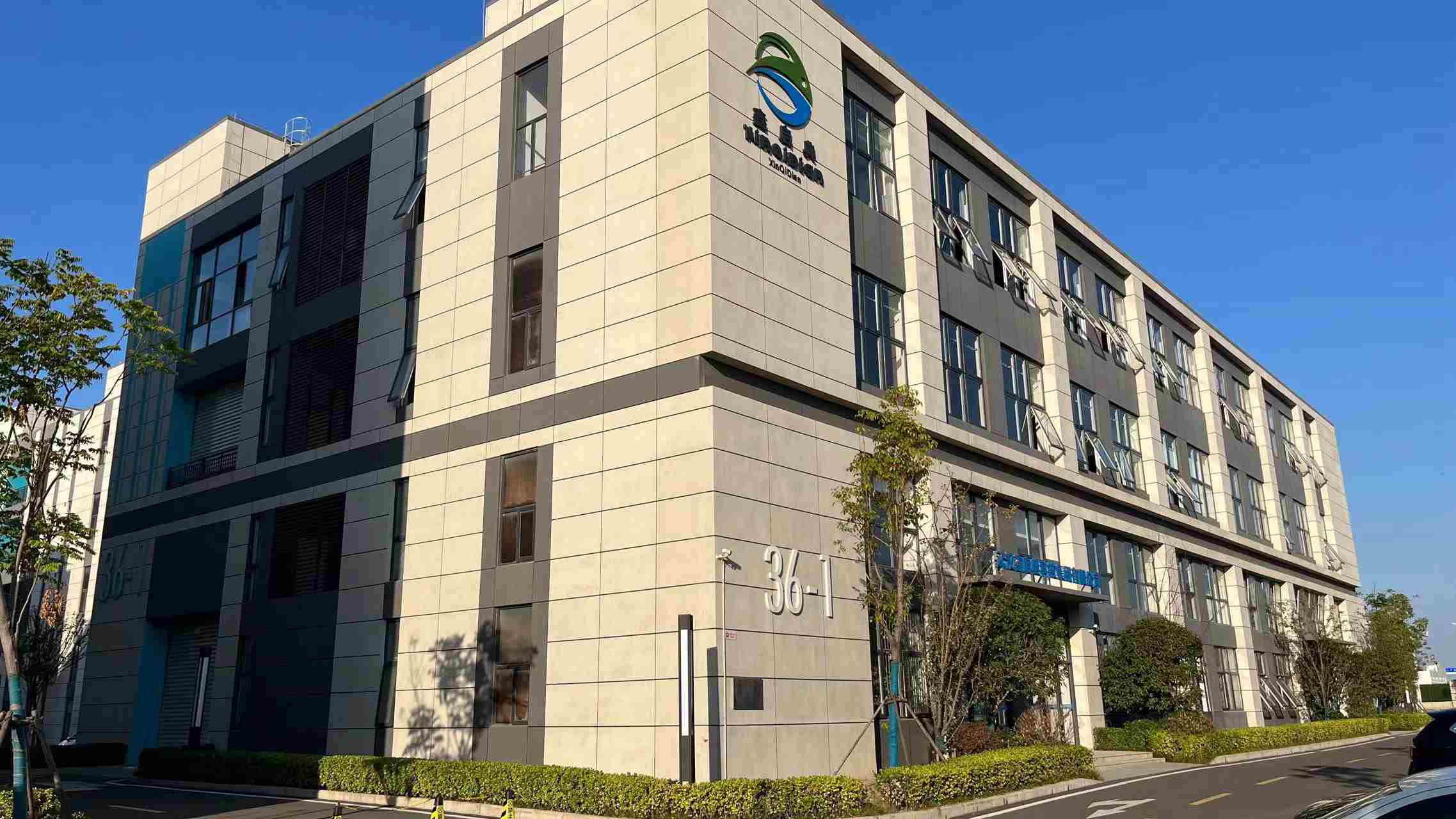
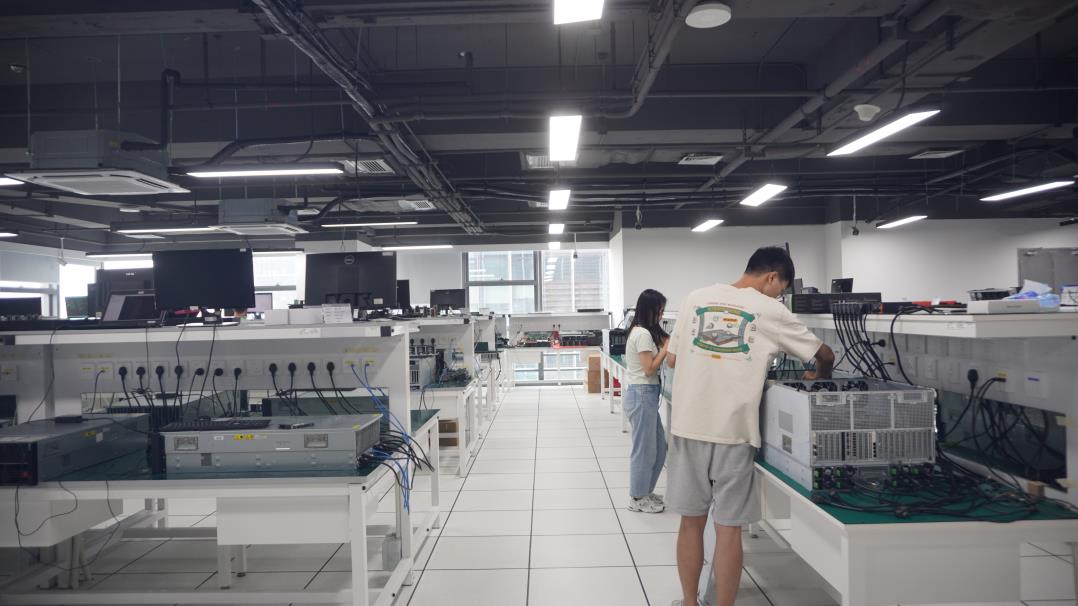
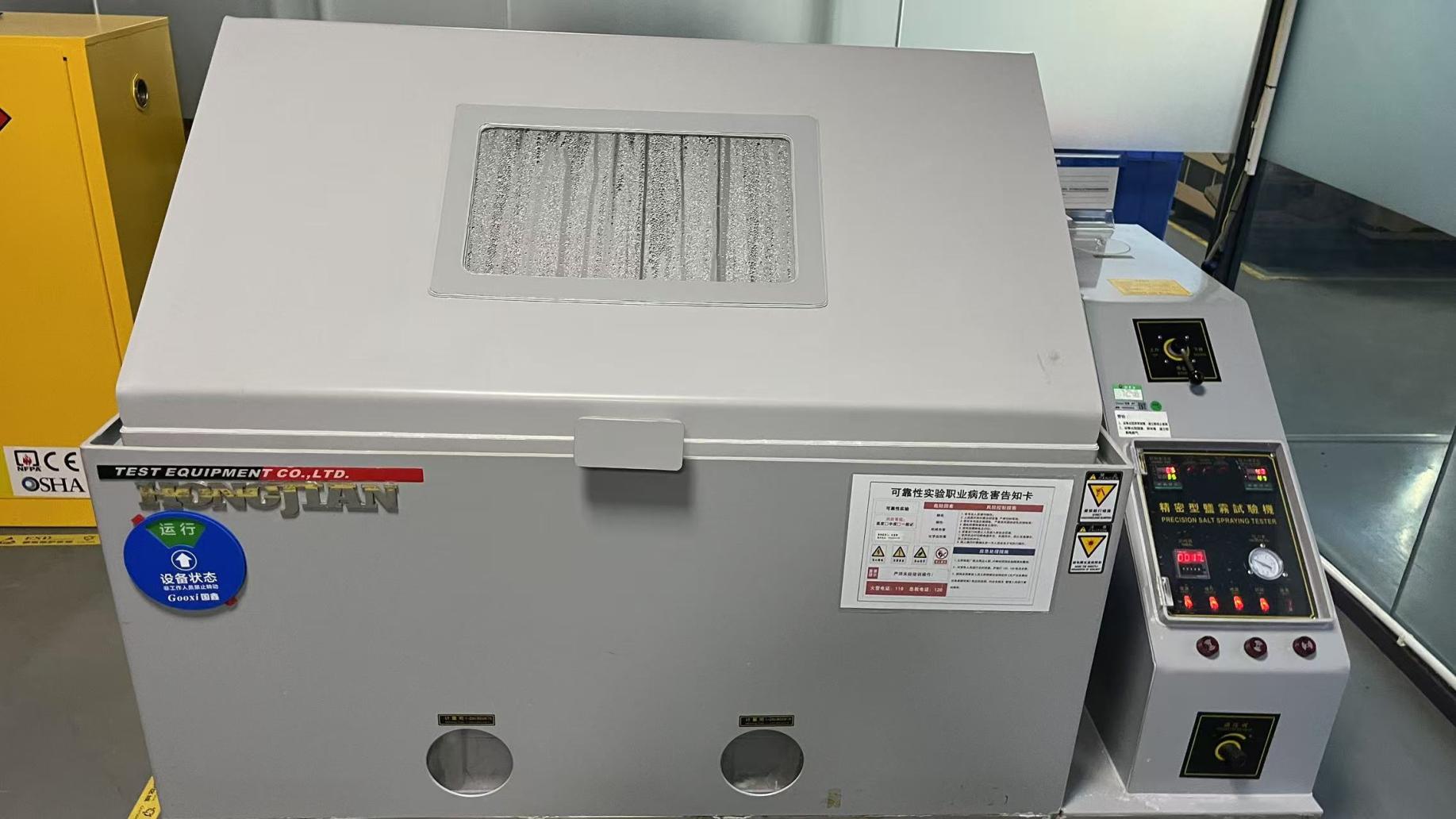
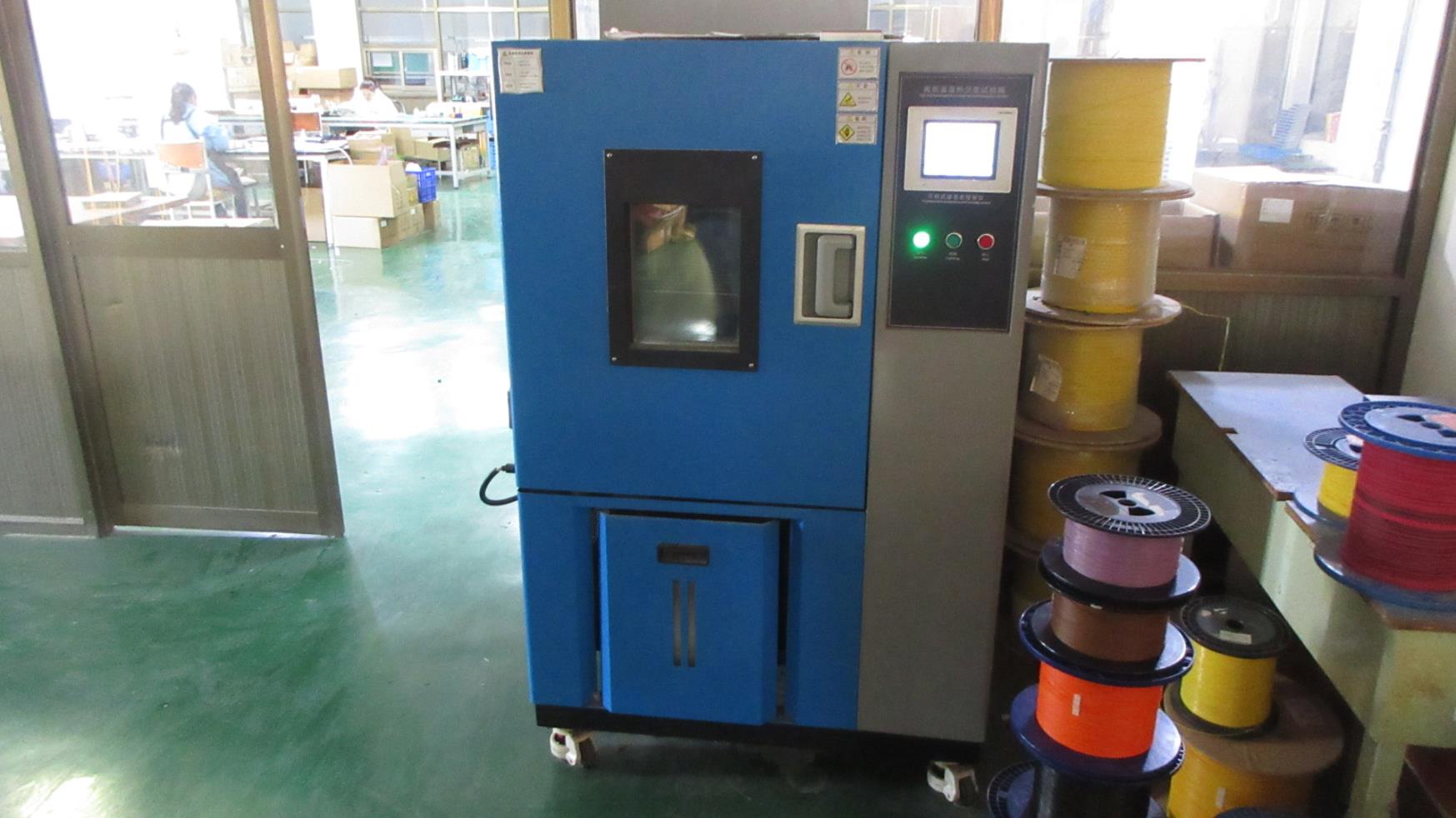
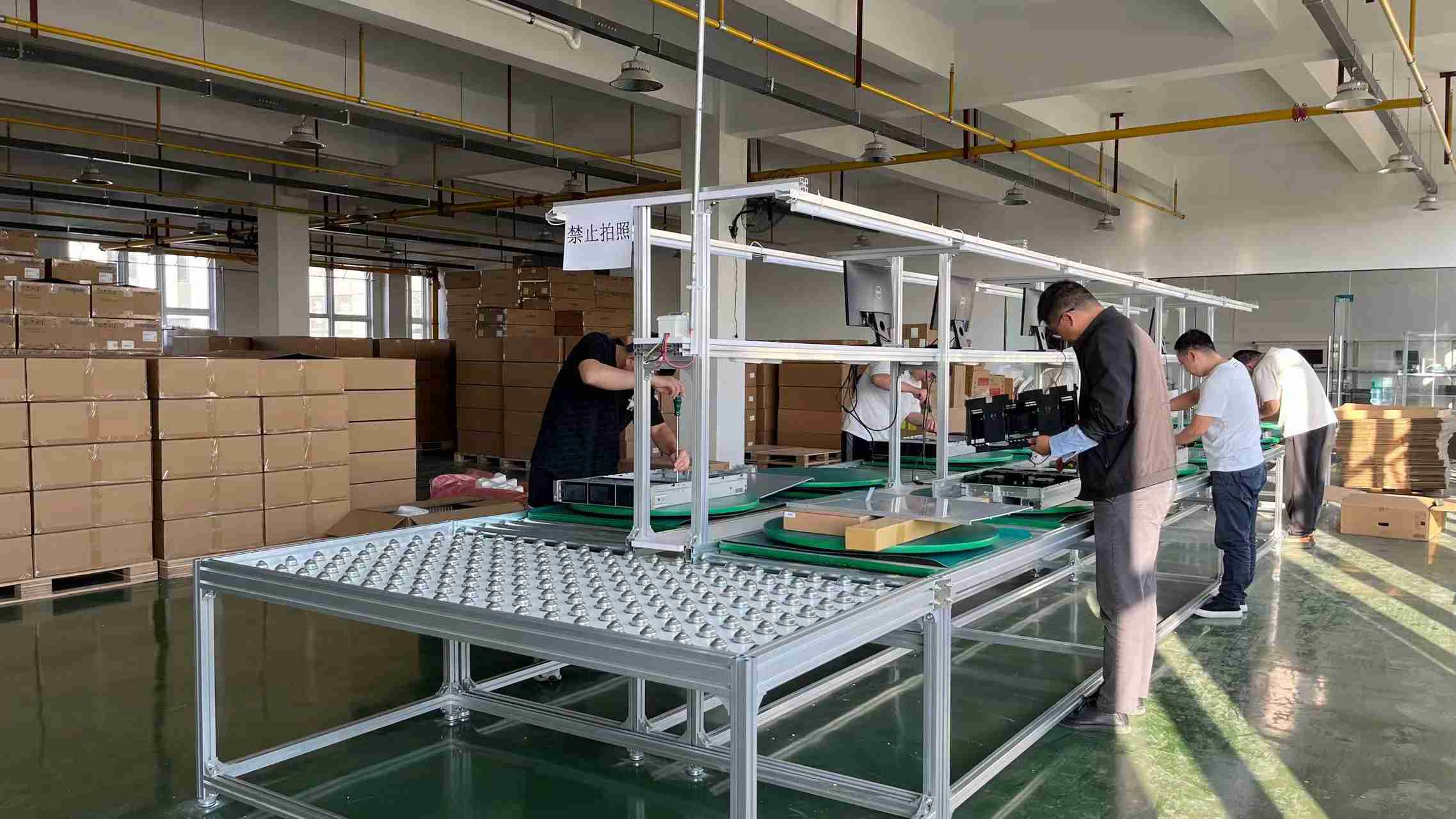
Since 2016, our facility has integrated R&D, SMT production, and OQA testing under one roof, ensuring every LED PCB and RAM module meets international standards.
From IQC (Incoming) to FQC (Final), our dedicated 56-member QC team performs 100% full inspection to eliminate field failures in critical Hamburg projects.
With 128 R&D engineers, we released 86 new products last year, focusing on hardware development and custom PCB designs for AI-embedded systems.
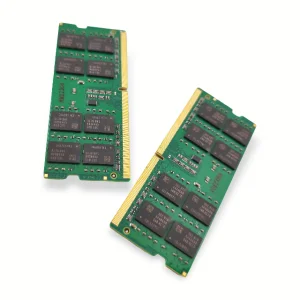
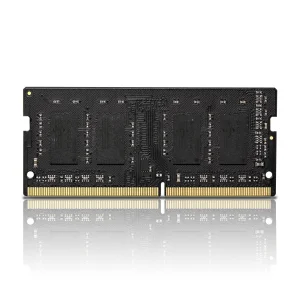
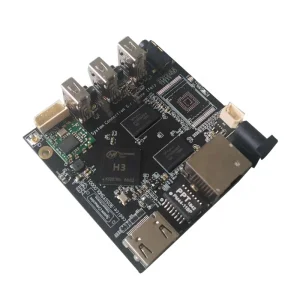
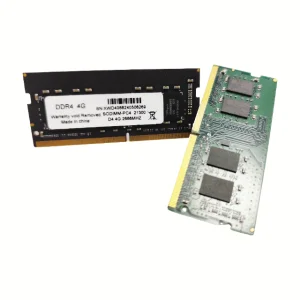
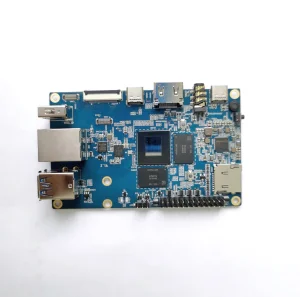
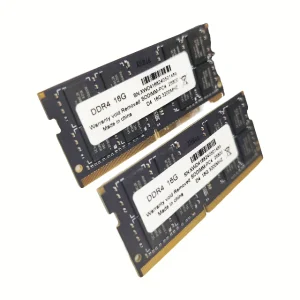
Operating in the German market requires a deep understanding of local industrial norms. Our products are designed to meet DIN (Deutsches Institut für Normung) compatibility where applicable, particularly in industrial computing. Whether it is a development board for a Rockchip RK3588S motherboard or a SODIMM DDR4 kit for a specialized industrial laptop, we ensure that the signal integrity and electromagnetic compatibility (EMC) meet the high expectations of German engineers.
The convergence of LED technology and high-speed memory is the next frontier. In Hamburg’s burgeoning "Digital Twin" city projects, high-density LED arrays are paired with edge computing modules to process visual data in real-time. Our technical roadmap includes:
 Corexis Memory