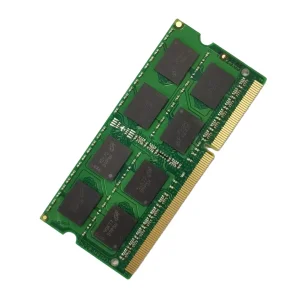
The global dynamic random-access memory (DRAM) market continues to evolve rapidly, yet DDR3 SDRAM (Double Data Rate 3 Synchronous Dynamic Random-Access Memory) retains a vital, strategically indispensable position within embedded industrial, automotive, telecommunications, and legacy enterprise compute environments. Located in the heart of the Pyrenees, the parish of Encamp in Andorra represents a uniquely specialized commercial and technical hub. Encamp's economic landscape relies heavily on continuous telemetry, hydroelectric automation networks, alpine transport control systems (such as cable car infrastructure and automated ticketing networks), smart utility metering, and localized data management systems that service both permanent commercial operations and seasonal surge demands.
While consumer computing has migrated to DDR4 and DDR5 standards, industrial hardware deployed across Encamp's municipal infrastructure, hospitality technology stacks, and regional telecommunications sub-nodes is engineered for multi-decade operational lifecycles. Replacing operational, certified motherboard architectures simply due to memory generation shifts is neither cost-effective nor risk-averse for local engineering managers. Consequently, securing a verified, highly reliable source for industrial-grade DDR3 RAM memory suppliers in Encamp is critical to maintaining continuous system uptime, avoiding unscheduled capital expenditures, and supporting robust hardware maintenance protocols.
Encamp’s mountainous topography requires components capable of withstanding thermal fluctuations in non-climate-controlled telemetry enclosures across alpine stations.
Our memory solutions guarantee long-term component availability (up to 2035+), shielding Encamp businesses from sudden component EOL (End-of-Life) notices.
Rigorous SPD matching and controller-level validation ensure seamless plug-and-play replacement for critical servers, legacy routers, and industrial PCs.
Understanding DDR3 technology requires analyzing its physical, electrical, and bus timing specifications. Operating at a standard voltage of 1.5V (or 1.35V for DDR3L), DDR3 achieves high bandwidth transfer rates through an 8-bit prefetch buffer—double that of its DDR2 predecessor. This architecture allows transfer speeds ranging from 800 MT/s to 2133 MT/s, transferring data on both the rising and falling edges of the system clock.
| Specification Parameter | DDR3 Standard (1.5V) | DDR3L Low Voltage (1.35V) | DDR3U Ultra Low (1.25V) |
|---|---|---|---|
| Operating Voltage ($V_{DD}$) | 1.5V ± 0.075V | 1.35V (1.283V – 1.45V) | 1.25V (1.19V – 1.31V) |
| Prefetch Architecture | 8-bit prefetch | 8-bit prefetch | 8-bit prefetch |
| Data Bus Speeds | 800, 1066, 1333, 1600, 1866, 2133 MT/s | 1066, 1333, 1600, 1866 MT/s | 1333, 1600 MT/s |
| Topology & Signal Routing | Fly-by Topology with leveling | Fly-by Topology with leveling | Fly-by Topology with leveling |
| Module Types Supported | UDIMM, SODIMM, RDIMM, ECC UDIMM | UDIMM, SODIMM, ECC SODIMM, RDIMM | Specialized Embedded SODIMM |
| Industrial Temp Range | -40°C to +85°C / +105°C | -40°C to +85°C / +105°C | -20°C to +85°C |
A major technical breakthrough in DDR3 design is the transition from "Tree Topology" to "Fly-by Topology" for address, command, control, and clock signals. By routing signals in a daisy-chain fashion across the DRAM chips on the PCB, Fly-by topology dramatically reduces stub line reflections, enabling higher operational frequencies while preserving signal integrity. To compensate for the phase delays introduced by Fly-by routing, DDR3 controllers utilize hardware-level Read and Write Leveling, calibrating timing offsets individually for each DRAM die.
For deployment in Encamp's compact industrial server racks and alpine control cabinets, DDR3L (1.35V) modules reduce overall power consumption by up to 16% to 20% compared to standard DDR3 modules. Lower power consumption directly correlates with reduced thermal dissipation, mitigating thermal throttling risks in passively cooled edge hardware.
Encamp hosts critical hydroelectric assets along the Valira d'Orient river system. Legacy Programmable Logic Controllers (PLCs) and Supervisory Control and Data Acquisition (SCADA) host systems utilize embedded DDR3 ECC memory to process continuous real-time water flow dynamics, grid synchronized switching, and environmental telemetry without memory corruption risk.
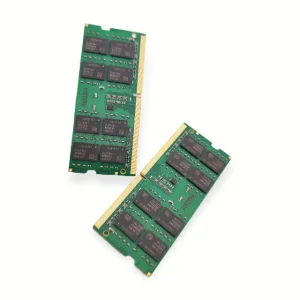
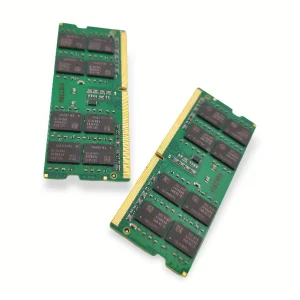
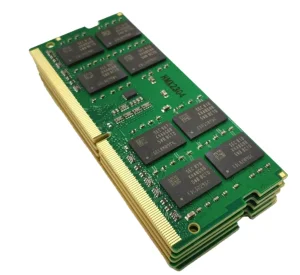
As a primary gateway to Andorra’s Grandvalira ski domain, Encamp relies on automated turnstile systems, cable car dispatch computers, and regional hotel management servers. Industrial DDR3 SODIMM modules provide reliable execution environments under extreme cold start conditions and high peak traffic load during winter seasons.
Local telecom switches and edge computing nodes in Encamp require long-term stability. Enterprise DDR3 Registered DIMMs (RDIMMs) with parity checking ensure robust data routing, VoIP gateway stability, and uninterrupted fiber-optic backhaul management across the Pyrenean valley network.
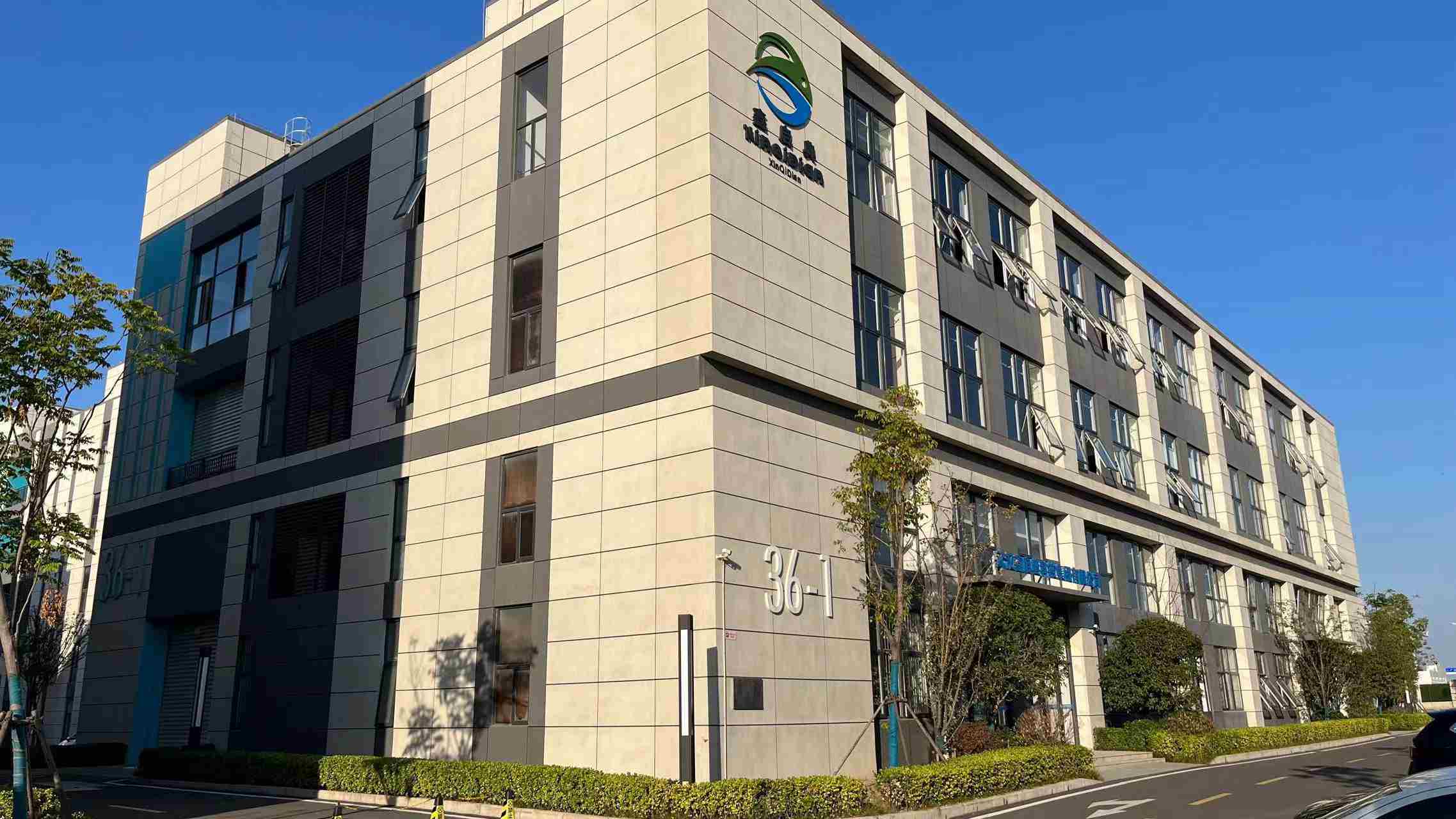
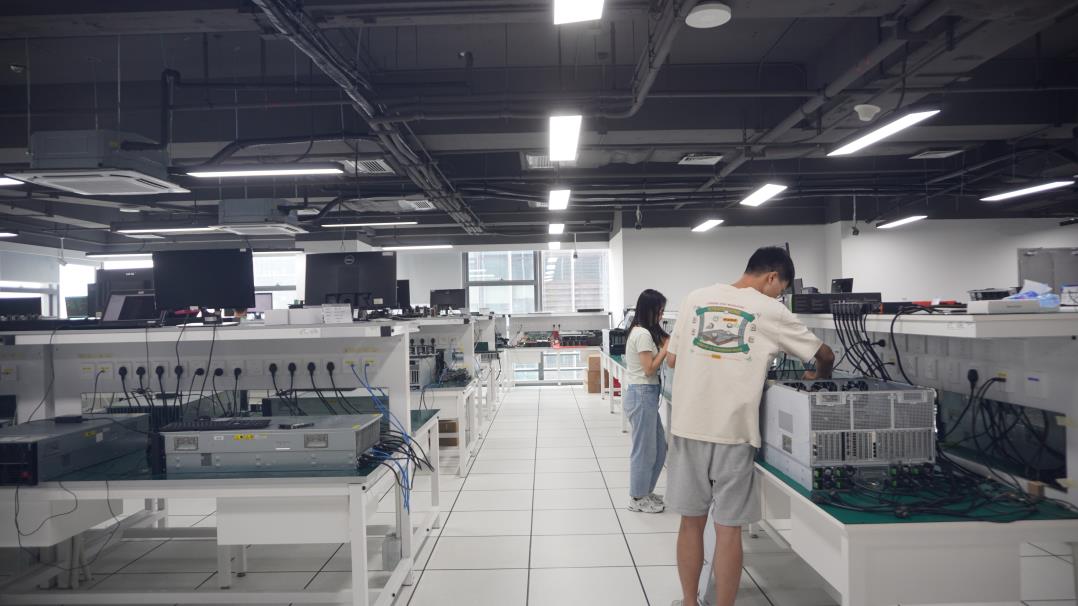
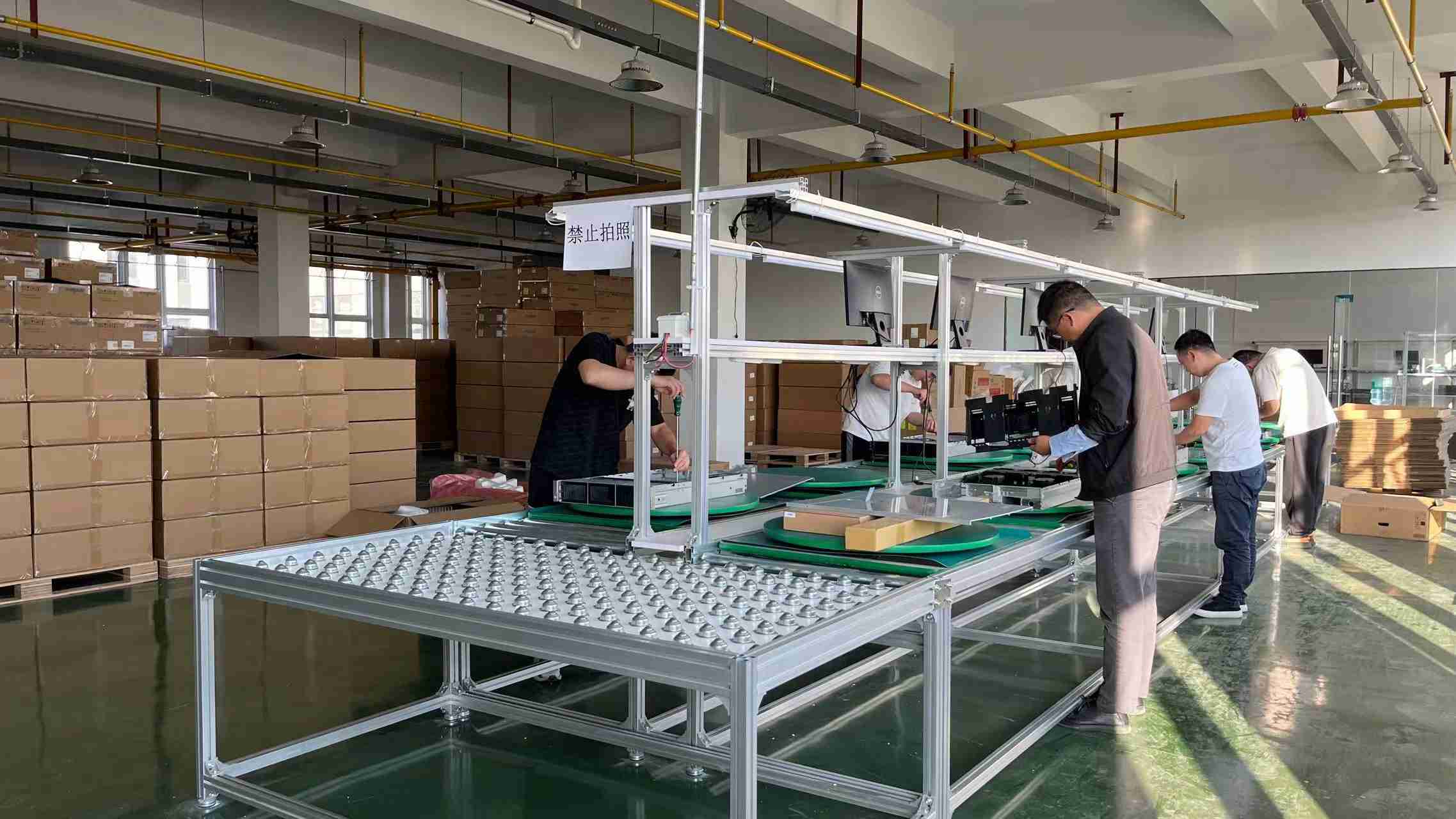
Corexis Memory Technology Co., Ltd. is a premier global memory solutions manufacturer dedicated to delivering robust, high-performance DRAM products for international OEM, ODM, and enterprise customers. Established in 2016, our organization combines rigorous micro-electronics engineering with advanced surface-mount technology (SMT) manufacturing to support both legacy DRAM commitments (DDR3/DDR4) and next-generation architectures (DDR5).
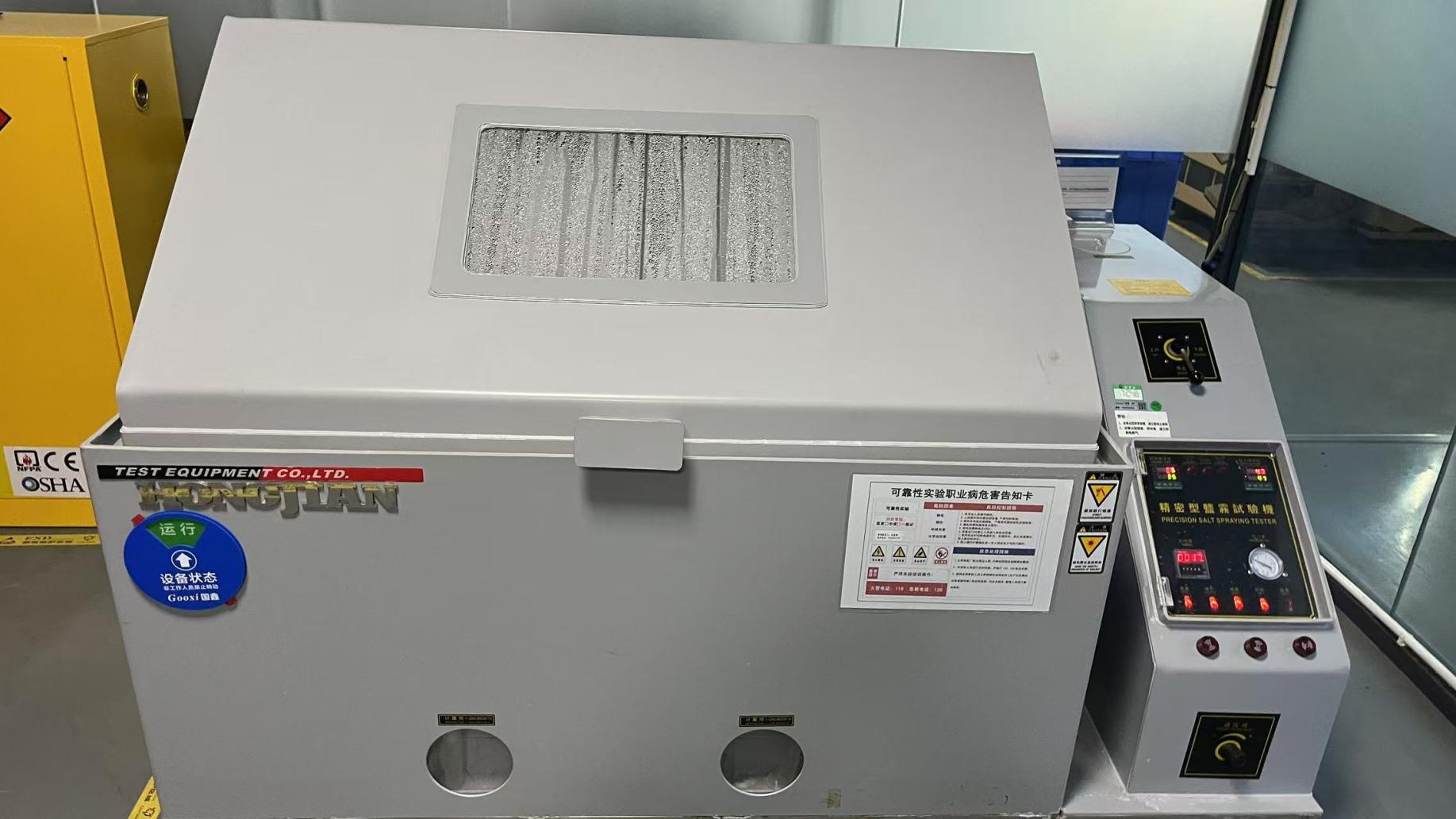
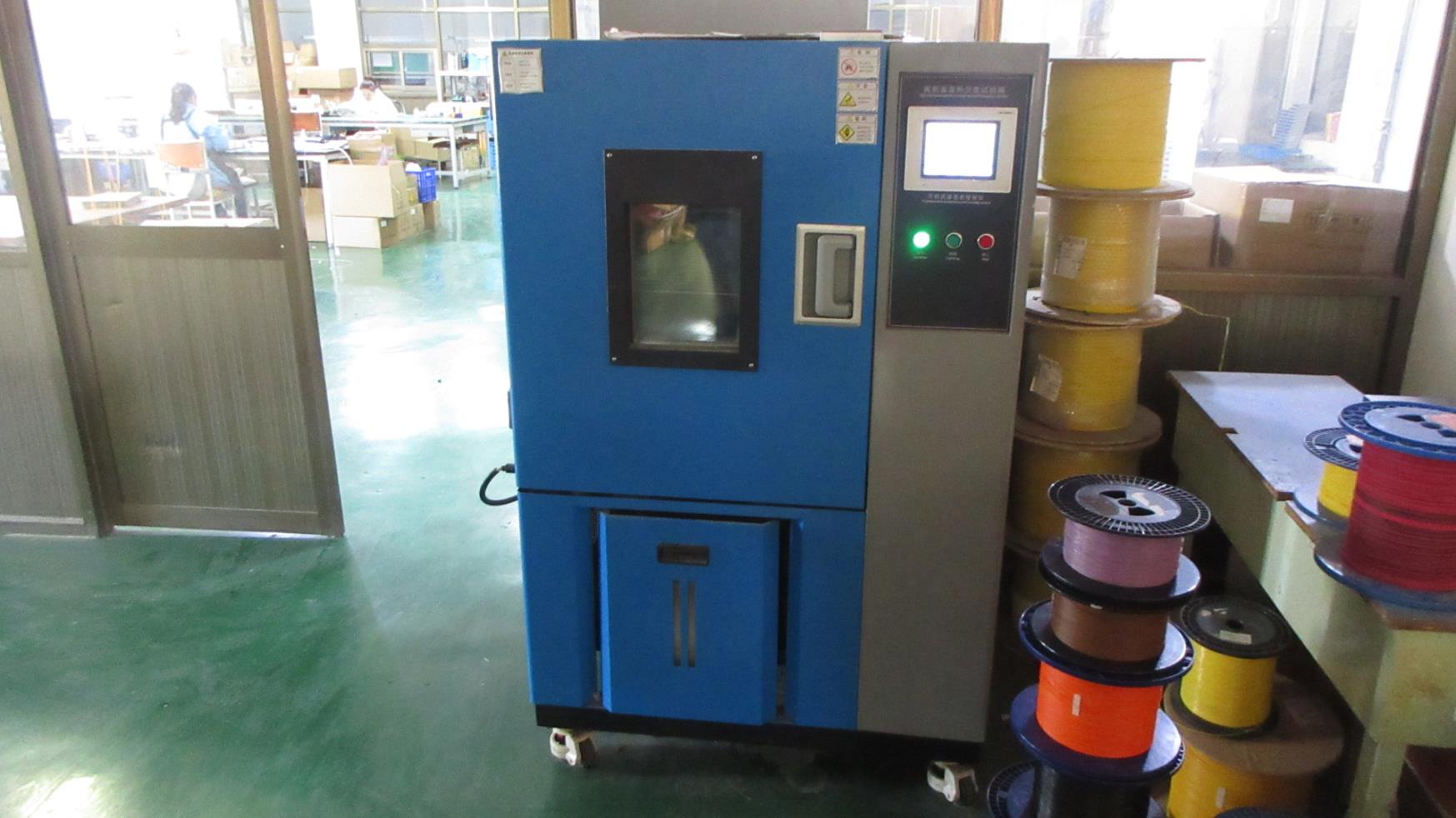
Every DDR3 module destined for clients in Encamp undergoes an exhaustive 5-stage quality validation framework prior to packaging:
We provide full-spectrum customization services tailored to specific regional equipment manufacturers and IT solution integrators in Encamp:
Directing supply chain pipelines into Andorra requires precise compliance awareness and efficient cross-border logistical handling. Although Andorra is not a member of the European Union, it maintains a customs union agreement with the EU for manufactured goods. Corexis guarantees full regulatory compliance, documentation, and expedited freight support to Encamp enterprises.
All DDR3 memory modules strictly adhere to EU Directive 2011/65/EU (RoHS 2) and REACH regulations, eliminating hazardous substances such as lead, cadmium, and mercury from solders and components.
Our memory products are certified for Electromagnetic Compatibility (EMC), minimizing RF interference when installed adjacent to high-sensitivity radio frequency equipment in Encamp telemetry sites.
We supply complete Harmonized System (HS Code: 8473.30) documentation, commercial invoices, and origin certificates to facilitate duty handling through French and Spanish transit corridors into Andorra.
For IT Directors and Plant Operations Managers in Encamp, managing hardware transition risks is a delicate balancing act. Migrating fully from legacy DDR3-based hardware to DDR4 or DDR5 entails software re-validation, peripheral driver compatibility checks, and potential replacement of costly custom motherboards. Corexis offers a dual-track strategy:
We guarantee long-term availability for DDR3 2GB, 4GB, and 8GB UDIMM, SODIMM, and ECC module configurations. By securing guaranteed DRAM wafer allocation, we eliminate sudden component obsolescence, allowing Encamp operators to run existing machinery for its full intended service life (up to 15+ years).
When system upgrades become unavoidable, Corexis provides seamless migration hardware. Our engineering team assists with SPD profiling and pin-compatibility consulting to ensure new motherboard deployments transition smoothly with minimal downtime.
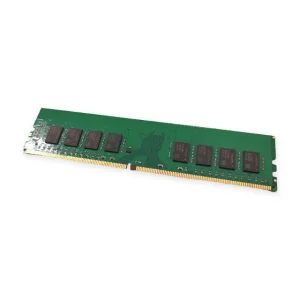
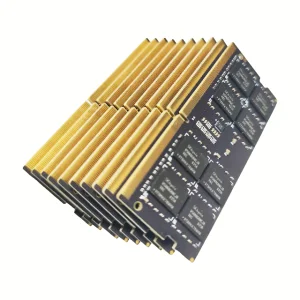
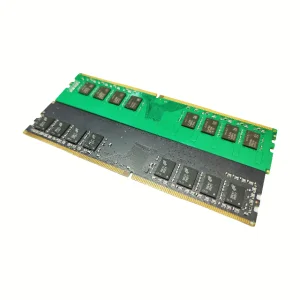
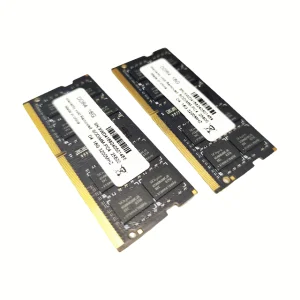
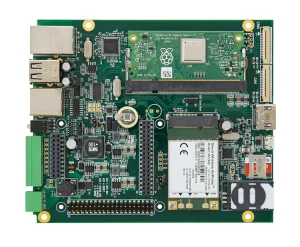
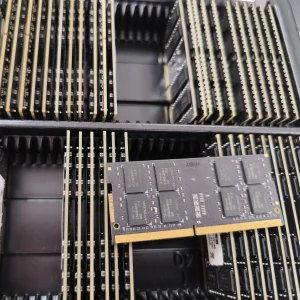
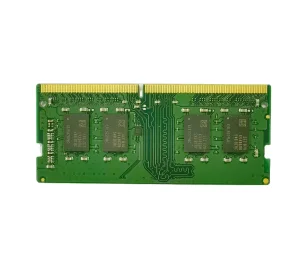
Explore our full line of industrial memory modules, laptop SODIMMs, desktop RAM, and customized PCBA electronics available for immediate dispatch to Encamp and global destinations.
 Corexis Memory