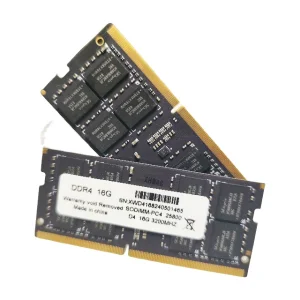
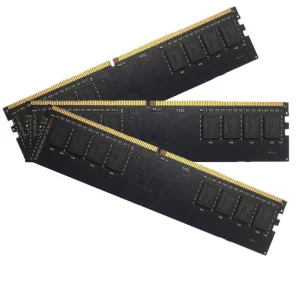
Direct from the factory: Integrated driver boards, high-performance circuit substrates, and industrial computing panels engineered to power UVC LED purification applications in Tokyo.
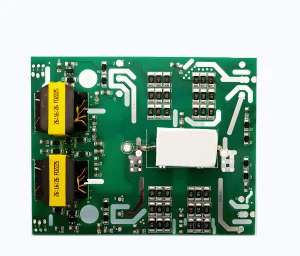
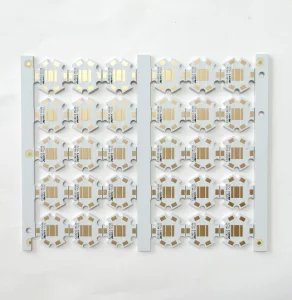
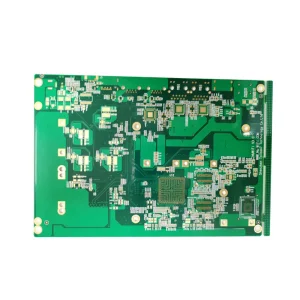
As Tokyo continues to innovate across high-density public transport systems, pharmaceutical labs, and commercial structures, traditional chemical disinfection methods are rapidly being replaced by solid-state UV technology. Specifically, 270nm-280nm 3535 UVC LEDs have emerged as the absolute gold standard for clean room sterilization, HVAC sanitation, and water treatment.
Operating in the optimal DNA/RNA absorption spectrum (specifically near the peak germicidal wavelength of 265nm-275nm), these emitters cause rapid thymine dimerization in microbial genetic material. This renders viruses, bacteria, and spores like Legionella pneumophila—a notable concern in complex Japanese hot-water systems—entirely inactive.
Why Tokyo's Industrial Sector Prefers 270nm-280nm over 254nm Mercury Tubes: The transition minimizes chemical pollutants, eliminates harmful mercury disposal fees under the Minamata Convention on Mercury, and slashes energy draw by up to 65% when paired with smart, motion-triggered electronic driver boards.
The major hurdle in achieving long operational lifetimes (L70 > 20,000 hours) for high-flux UVC packages lies in heat dissipation. Deep-UV chips convert less than 5% of electrical energy into light, transforming the remaining 95% into thermal energy. Corexis tackles this by bonding UVC chips onto aluminum nitride (AlN) ceramic substrates using gold-tin (AuSn) eutectic processes. This ensures low thermal resistance (Rth < 8°C/W), preventing junction temperature spikes and maintaining stable germicidal output under long running hours in municipal Tokyo water loops.
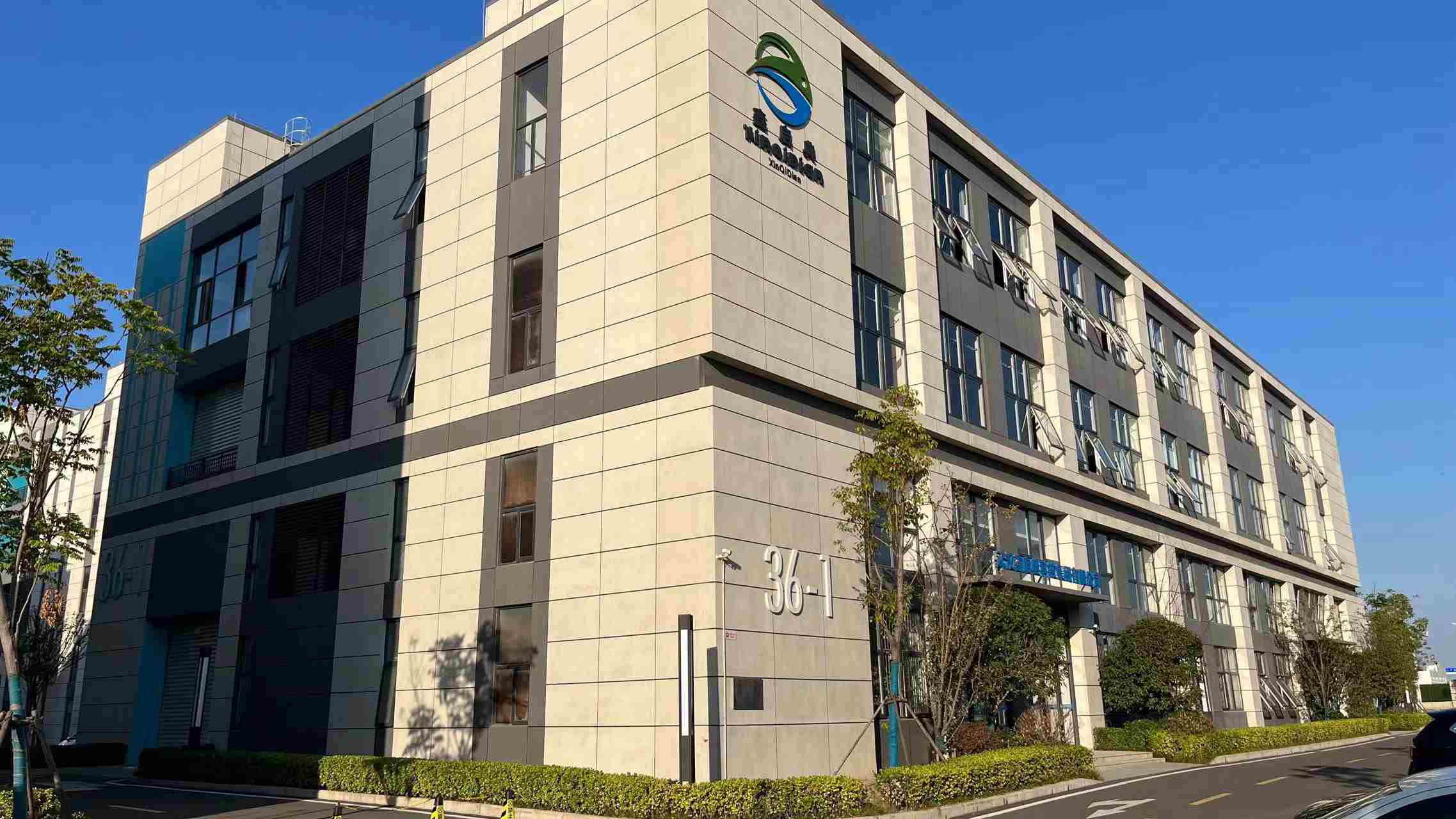
Since 2016, Corexis has engineered high-reliability electronics, advanced PCBA, and optical-thermal substrates for high-demand applications across North America, Europe, and Asia.
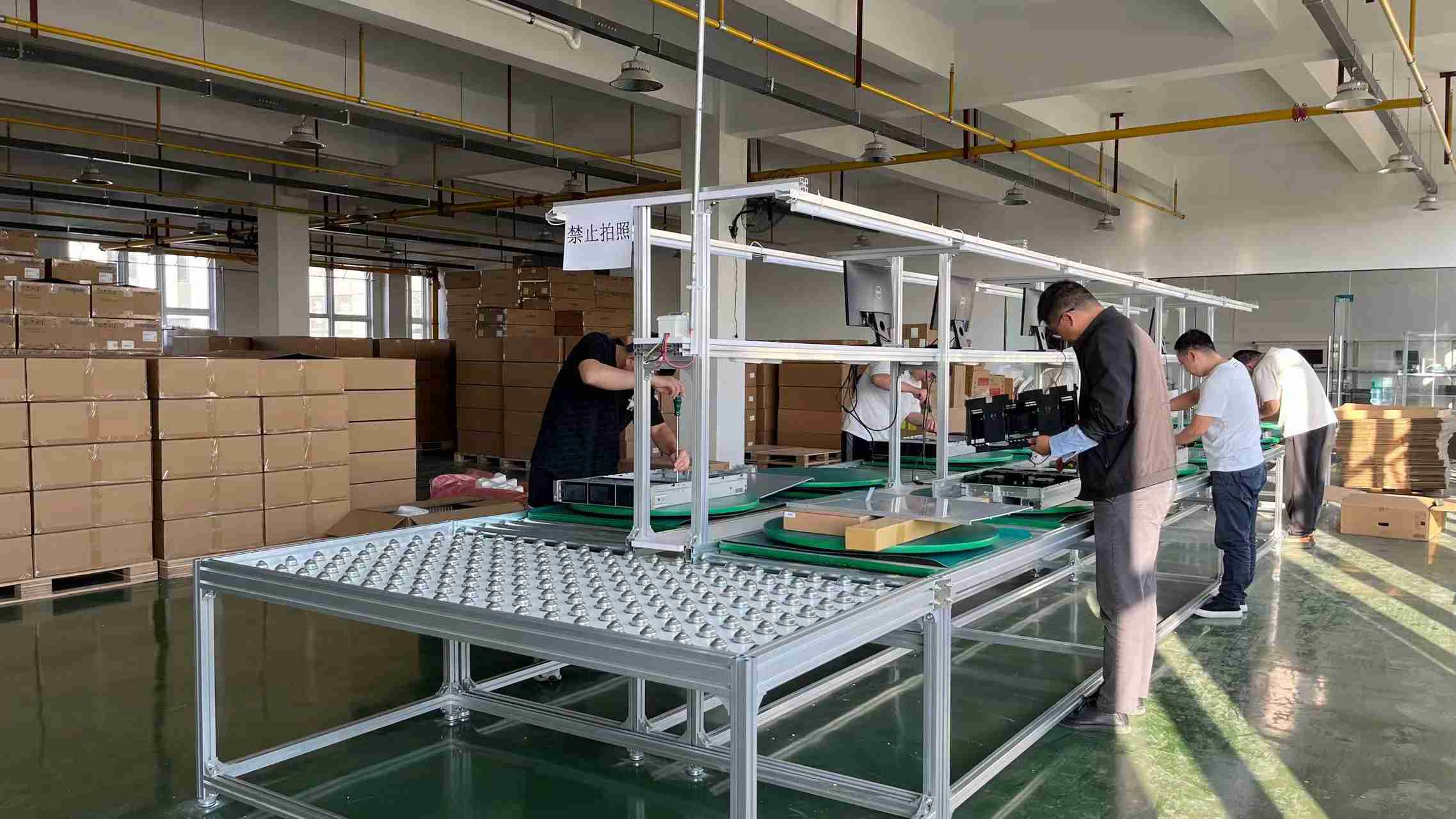
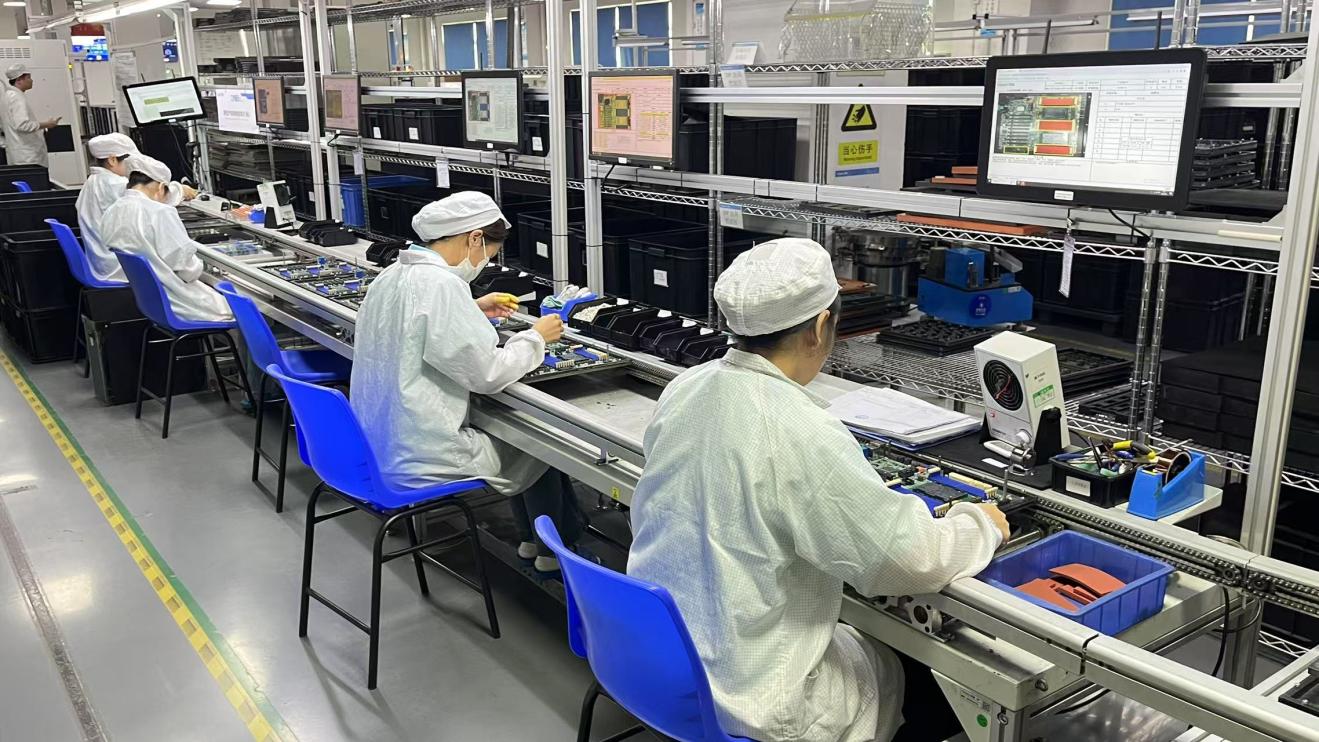
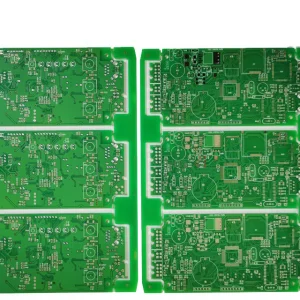
Procuring 270nm-280nm 3535 UVC LED modules from Corexis gives Tokyo-based OEMs and system integrators a competitive edge. Our state-of-the-art SMT production lines assemble the entire package from the driver board to the aluminum metal core PCB, assuring high reliability. With 10 years of semiconductor-level manufacturing experience and 8 years of global export proficiency, we provide complete, certified components that integrate with modern automation controls.
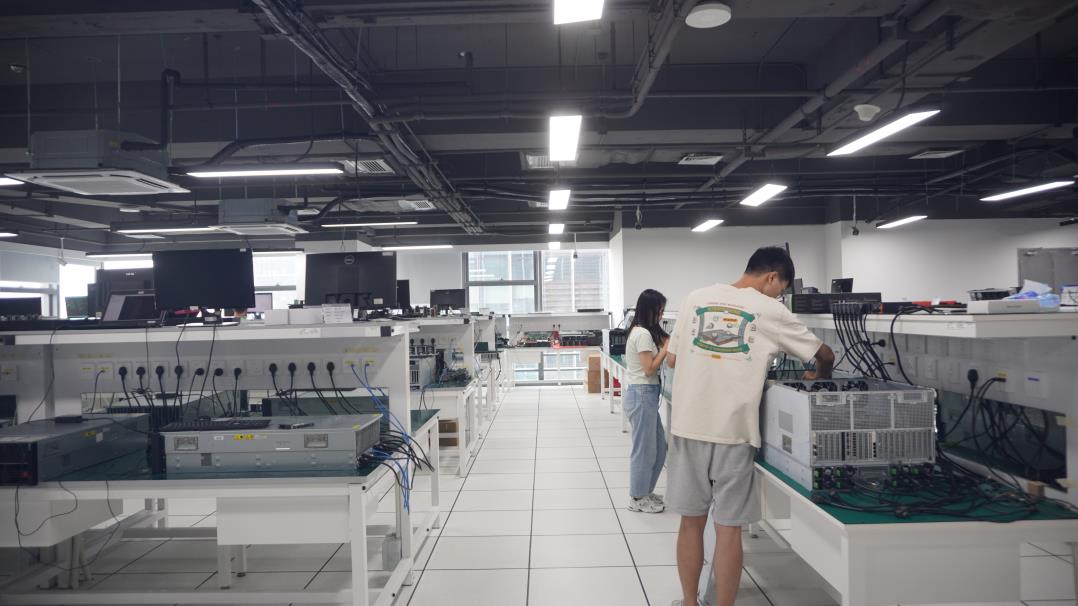
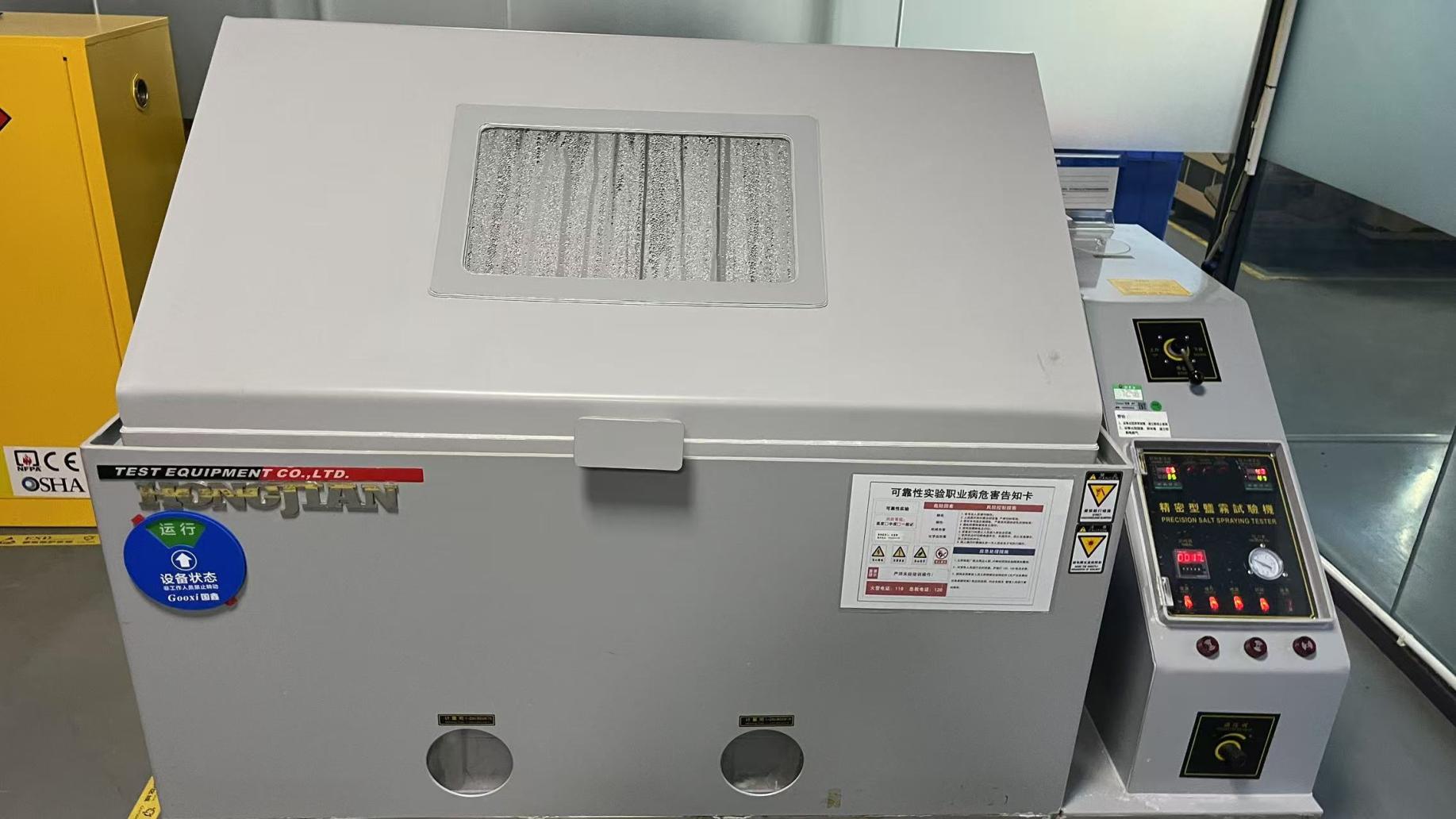
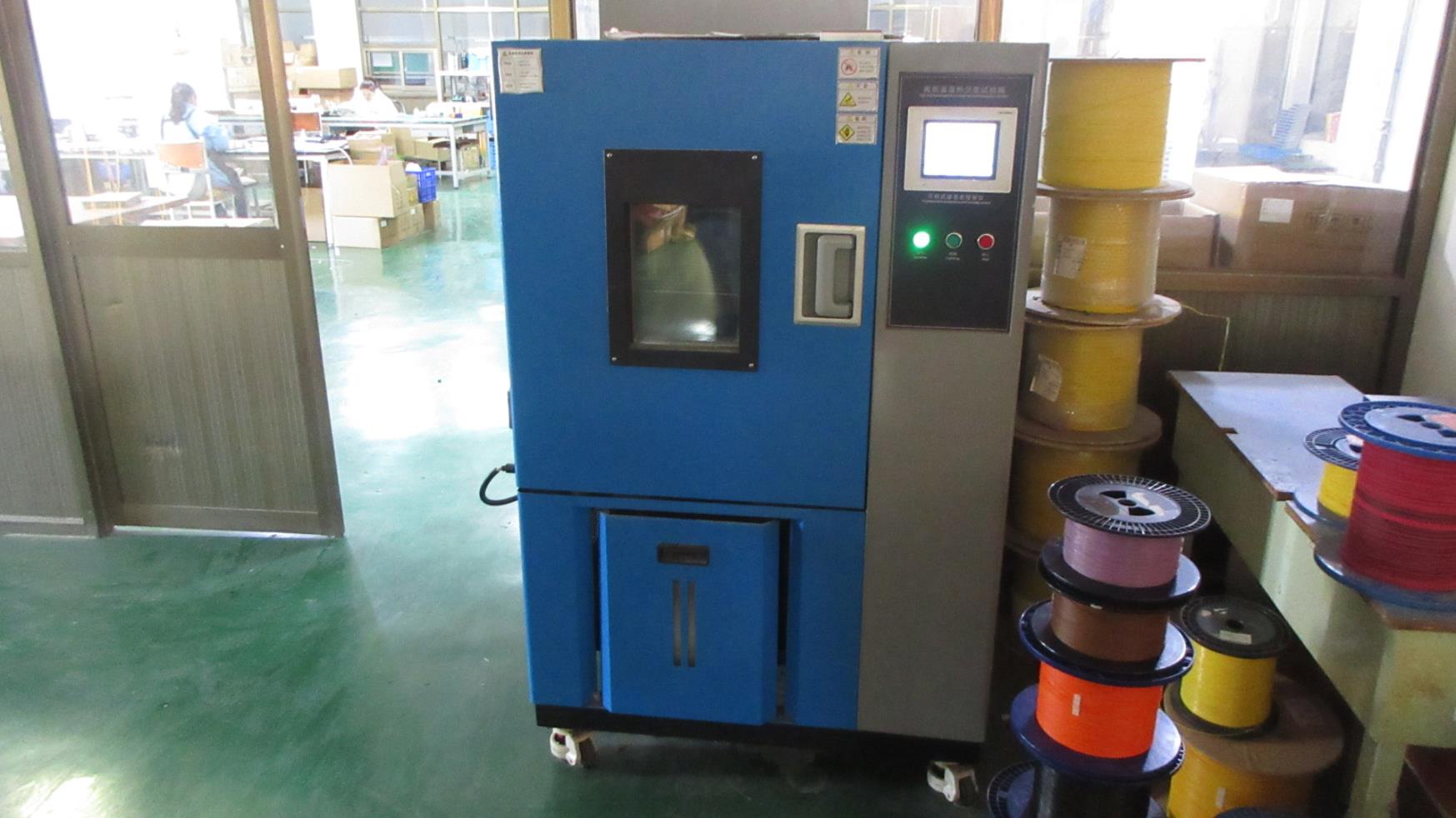
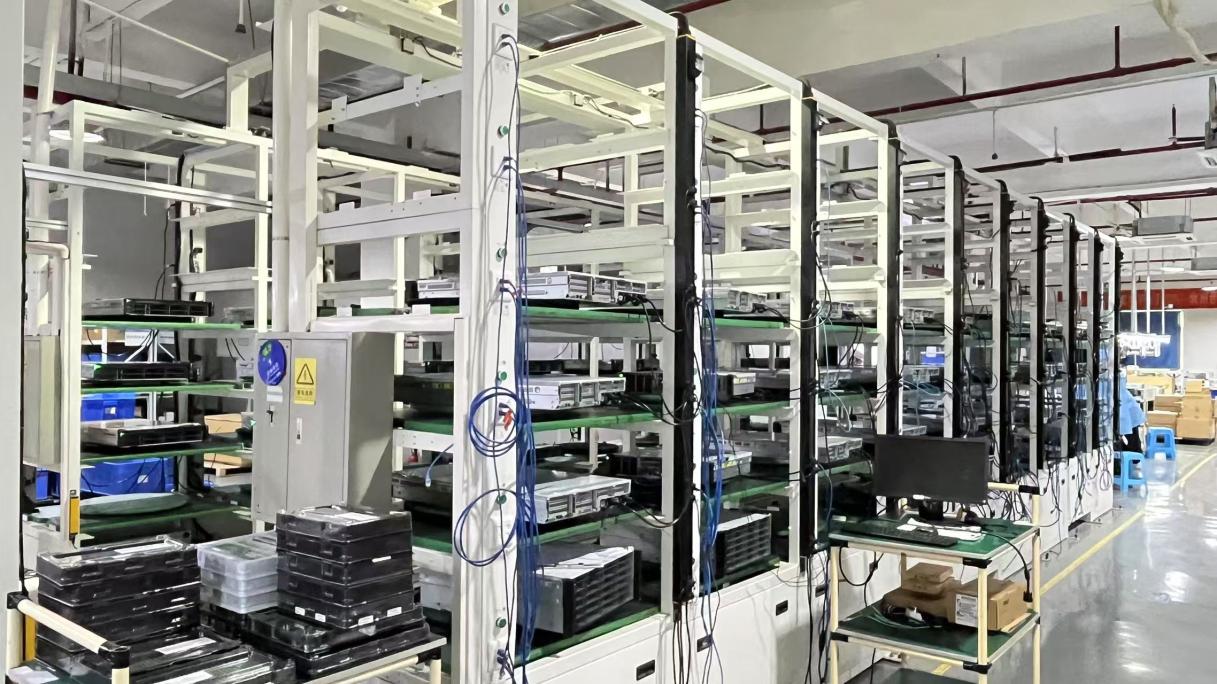
Every shipment undergoes rigorous testing, including Incoming Material Inspection (IQC), In-Process Inspection (IPQC), Final Quality Control (FQC), and Outgoing Quality Assurance (OQA). We conduct high-temperature burn-in tests and optical output calibration to ensure every 3535 LED module matches the specifications required for industrial Japanese applications.
| Technical Parameters / Facility Capability | Factory Specification Detail |
|---|---|
| Wavelength Range | 270nm - 280nm (Optimal germicidal bands) |
| Packaging Type | Ceramic 3535 (3.5mm x 3.5mm) with Quartz Glass Lens |
| Substrate Core Material | Aluminum Nitride (AlN) Ceramic, High-Thermal Conductivity Aluminum PCB |
| Inspection Protocols | 100% full inspection: IQC, IPQC, FQC, OQA, and reliability aging tests |
| R&D Capability | Independent product design, hardware development, firmware optimization, and custom PCB design |
| OEM & ODM Services | Logo printing, private label, customized packaging, capacity configurations |
In Tokyo's residential water purification plants and industrial recycling loops, 270nm-280nm UVC LEDs are integrated directly into flow-through reactors. The 3535 UVC package provides high-density optical power output, destroying chlorine-resistant micro-organisms like Giardia and Cryptosporidium. The fast response time allows flow sensors to activate the LEDs instantly upon water movement, saving energy.
Large air handling units (AHUs) in commercial buildings across Shinjuku, Marunouchi, and Ginza rely on our 3535 UVC arrays to sanitize cooling coils. This prevents the growth of mold and bio-films, which degrade heating/cooling efficiency and lower indoor air quality. It also reduces airborne transmission of pathogens in shared workspaces.
Tokyo hospitals use smart sanitization robots that navigate rooms autonomously. These units require stable control boards (such as our high-durability multilayer PCBs) paired with multiple 270nm-280nm UVC LED emitters to deliver a uniform, 360-degree ultraviolet light field. This quickly sanitizes surfaces within minutes.
Strict food safety standards (JAS compliance) in Japan require chemical-free sanitization of conveyor systems. Our 3535 UVC LED modules, mounted on custom aluminum PCBs, provide dry, non-toxic, and continuous sanitation for meat, fish, and baked goods packaging lines.
Contact our technical engineering team for custom PCB dimensions, wavelength selection (270nm - 280nm), optical simulations, and wholesale quotes for Tokyo industries.
Send Inquiry NowFind answers to the most common questions raised by optical engineers and procurement departments in Tokyo regarding 270nm-280nm 3535 UVC LED technology.
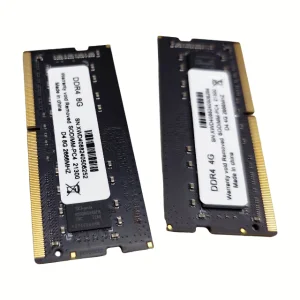
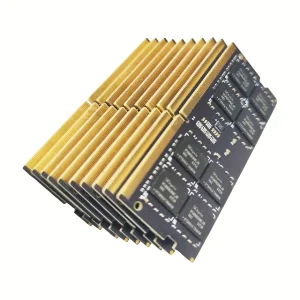
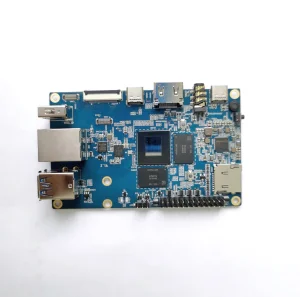
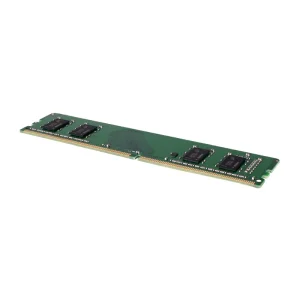
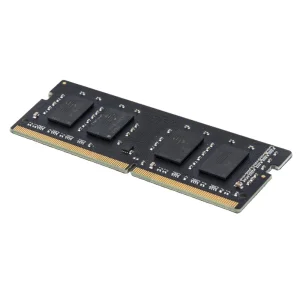
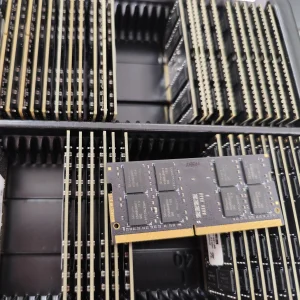
Browse our factory range of high-density memory modules, server RAM, heat sinks, and PCB fabrications supporting industrial automation and smart disinfection controls in Tokyo.
 Corexis Memory