High-reliability hardware optimized for system controllers, diagnostic monitors, and auxiliary operations in Norway's purification networks.
Norway is globally recognized for its stringent environmental mandates and high sanitation benchmarks across aquaculture, drinking water infrastructure, and offshore maritime operations. Historically, municipal and industrial disinfection systems relied heavily on traditional low-pressure mercury vapor lamps. However, in compliance with international initiatives like the Minamata Convention on Mercury and Norway's own local environment initiatives, the demand for clean, solid-state light sources has surged.
The 270nm to 280nm UVC spectral band has emerged as the definitive standard for target pathogen inactivation. In this narrow UV band, the absorption curve of DNA and RNA peaks, triggering severe dimerization of thymine nucleotides. This stops replication and rendering bacteria, viruses, and complex protozoa completely inactive without introducing chemical residues into Norway's pristine fjords, rivers, and water tables.
Norway is a global leader in Atlantic Salmon farming. Recirculating Aquaculture Systems (RAS) operate continuously, and any pathogen outbreak can cause massive economic losses. Standard pathogens like Gyrodactylus salaris, Aeromonas salmonicida, and various viral agents are highly susceptible to targeted UVC light in the 270nm-280nm range. By integrating dense 3535 UVC arrays directly into flow-through pipes, Norwegian salmon hatcheries can maintain biosecurity without changing water chemistry or temperature.
Many Norwegian municipalities rely on local surface water or mountain run-off reservoirs. Standard chemical chlorination is often avoided to preserve the natural taste of the water. Compact 3535 UVC LED reactors installed at point-of-entry or municipal pipelines provide highly effective microbiological control. Since these modules operate in sub-zero environments, their thermal dissipation must be highly optimized, utilizing advanced copper substrates and driver motherboards to prevent thermal-induced output drop.
To preserve fresh catches of cod, mackerel, and shellfish, processing facilities must ensure that all transport conveyor lines, sorting tables, and packaging materials are free of bacteria such as Listeria monocytogenes. The compact 3.5mm x 3.5mm footprint of the 3535 UVC package allows engineers to build slim, sealed overhead sterilizers that operate reliably in high-humidity, cold-room conditions.
The performance of deep UV-C light-emitting diodes (AlGaN-based) depends greatly on material quality and packaging technology. The industry is currently moving towards higher Wall-Plug Efficiency (WPE) and extended operational life. Below is the technical roadmap directing modern UVC design and thermal engineering:
| Metric / Parameter | Current Industry Standard (2024) | Next-Generation Target (2026+) | Norwegian Engineering Implications |
|---|---|---|---|
| Peak Emission Wavelength | 270nm - 280nm | 265nm - 275nm (Optimized) | Aligns perfectly with DNA absorption peaks for maximum inactivation. |
| Wall-Plug Efficiency (WPE) | 3.5% - 6.5% | 8.0% - 12.0% | Reduces energy consumption and simplifies thermal management. |
| Thermal Resistance ($R_{th, j-sp}$) | 10 - 15 K/W | < 6 K/W | Enables denser arrays and ensures stable output in cold environments. |
| Useful Lifetime ($L_{70}$) | 15,000 - 20,000 Hours | 30,000+ Hours | Reduces maintenance costs for offshore and remote locations in Norway. |
| Lens Material | Quartz Glass Dome | High-Transmittance Fused Silica | Protects the LED from moisture and ensures high UV transmittance. |
Our 3535 UVC LED modules feature an advanced ceramic substrate, a high-transmittance quartz lens, and gold-plated solder joints. This design ensures excellent thermal conduction away from the active AlGaN quantum wells, preventing rapid degradation and ensuring reliable performance over years of operation.
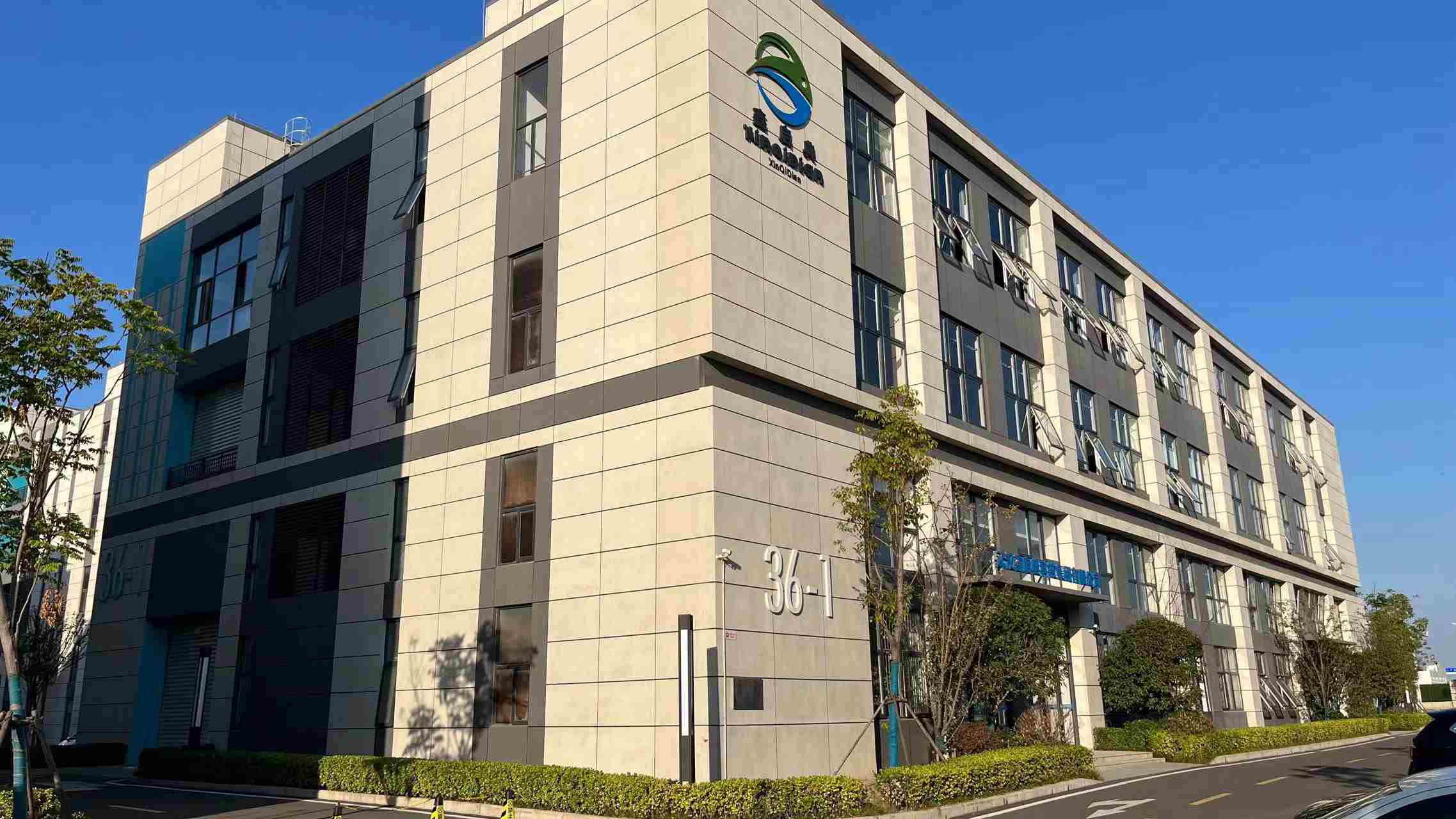
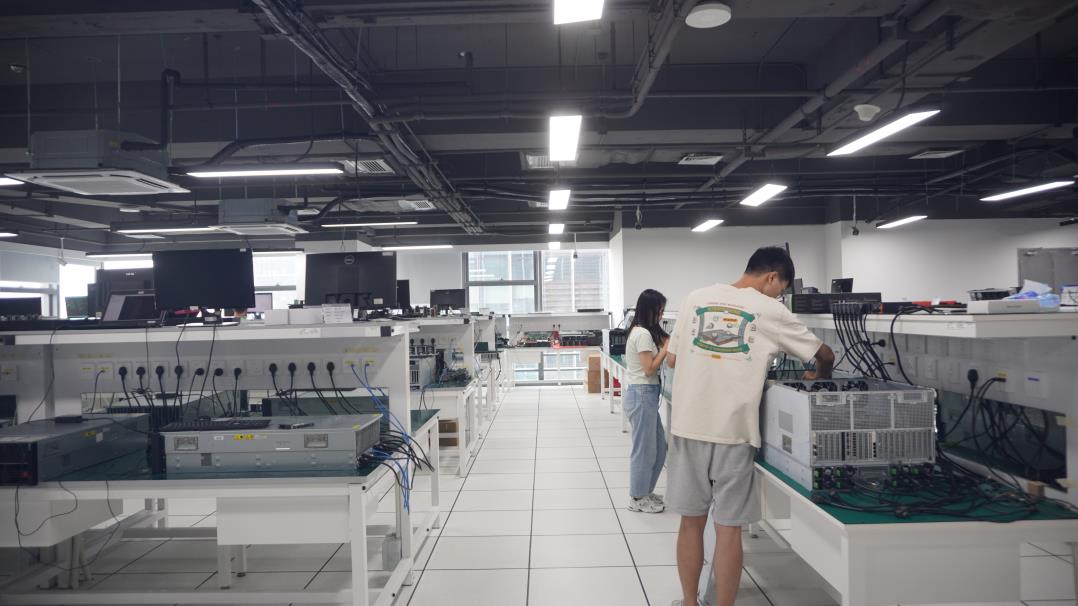
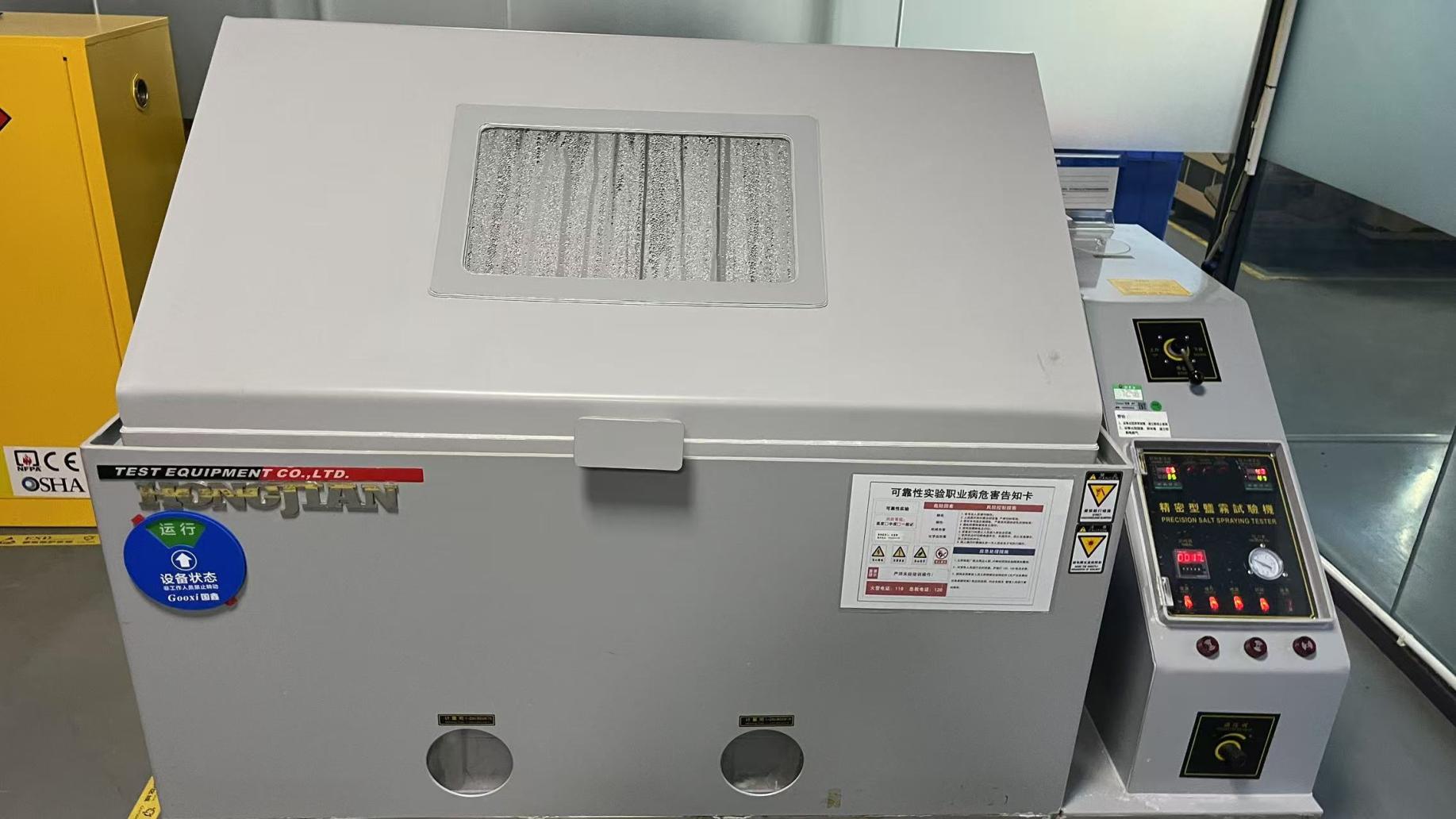
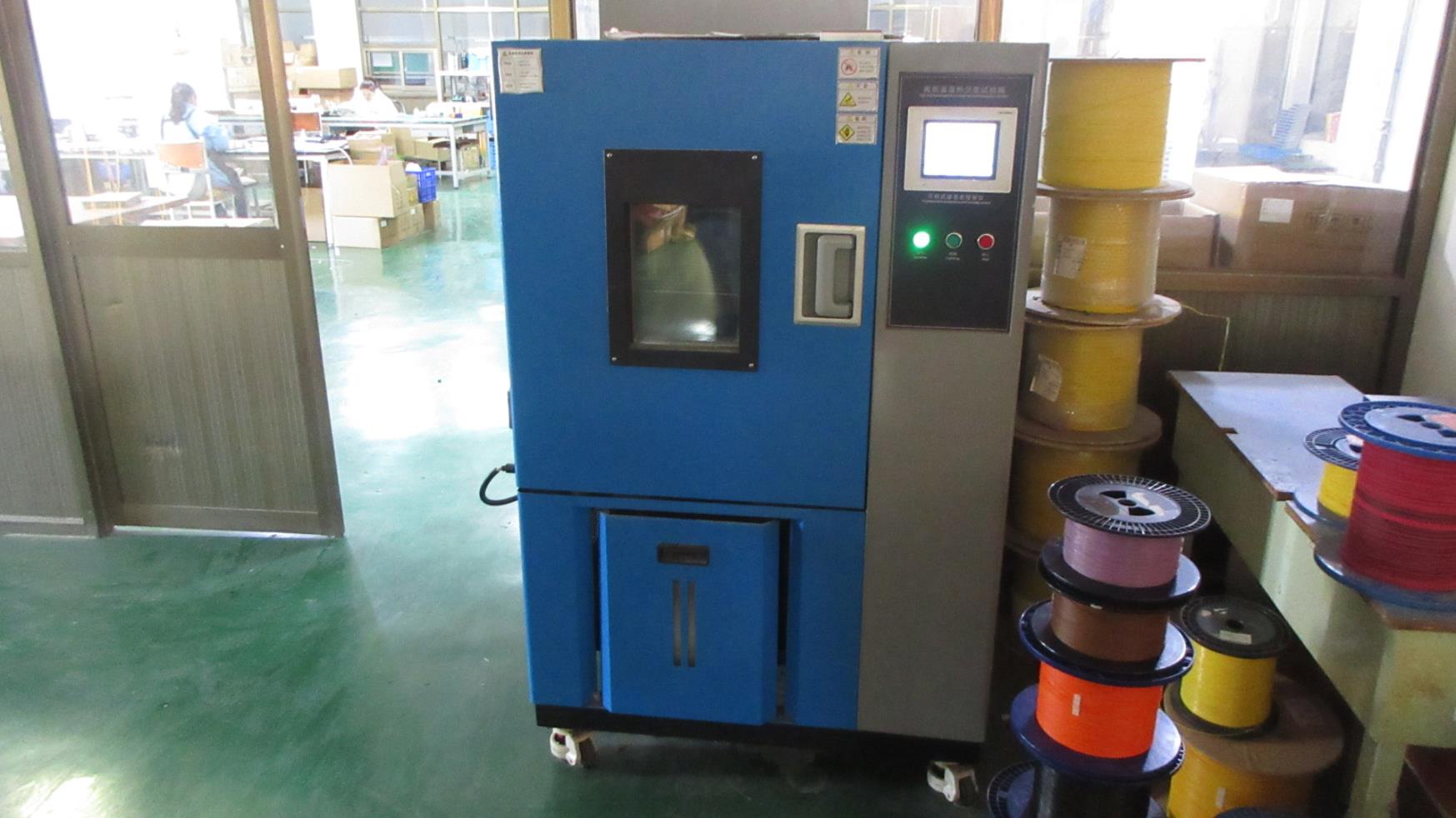
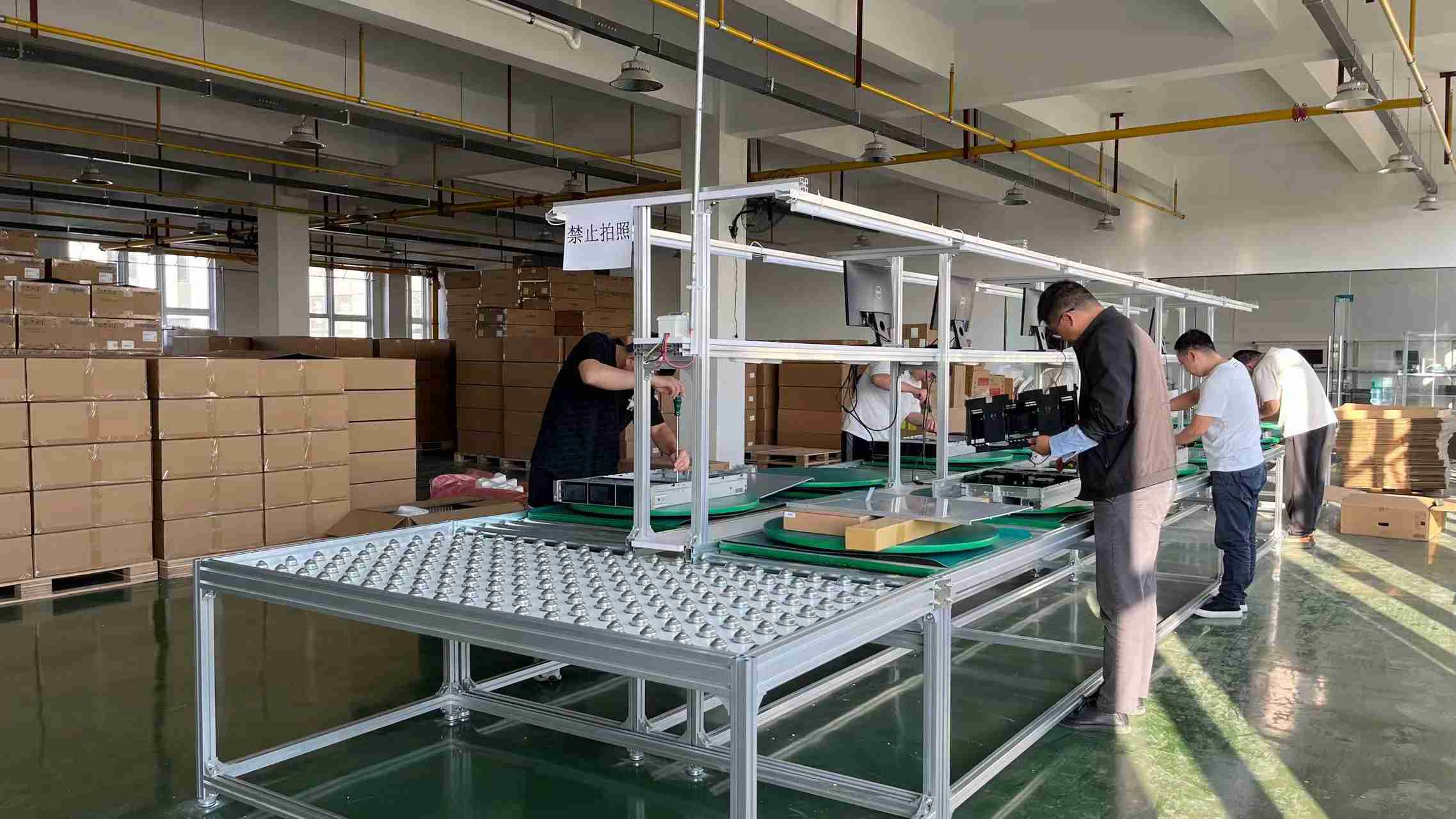
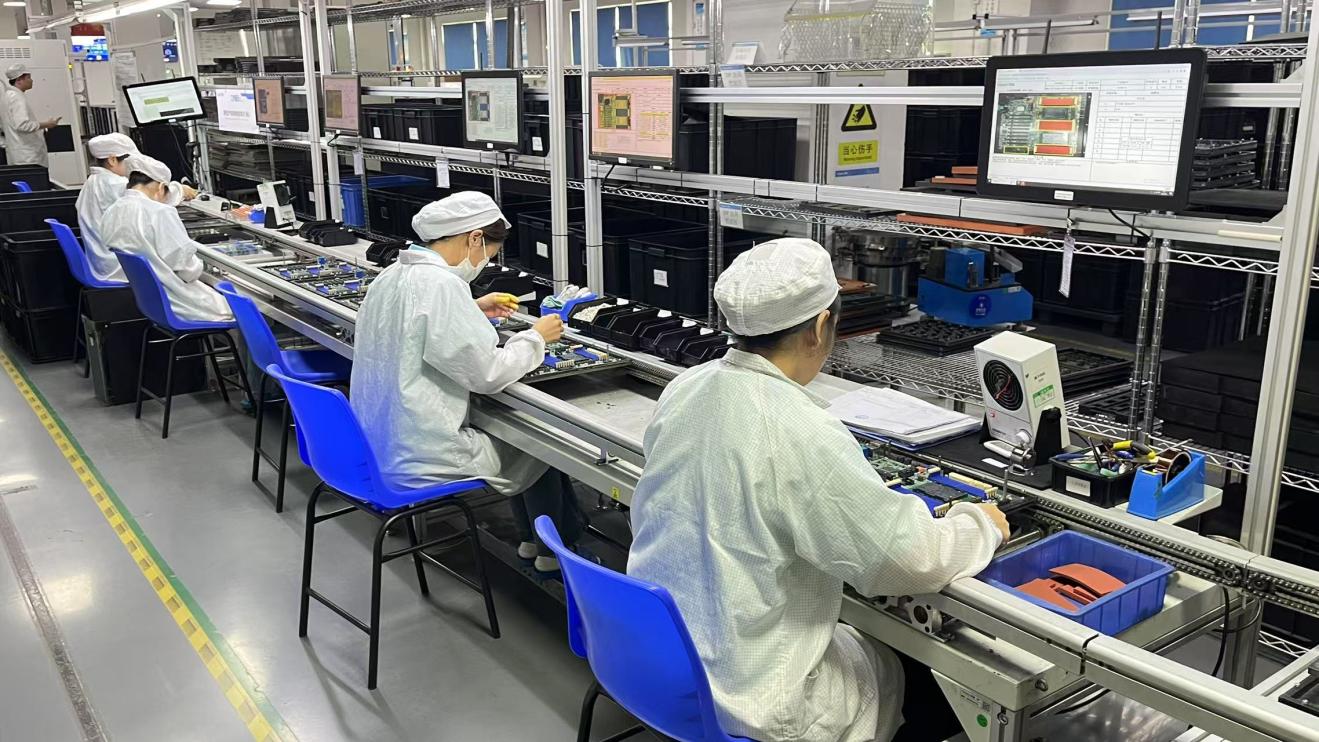
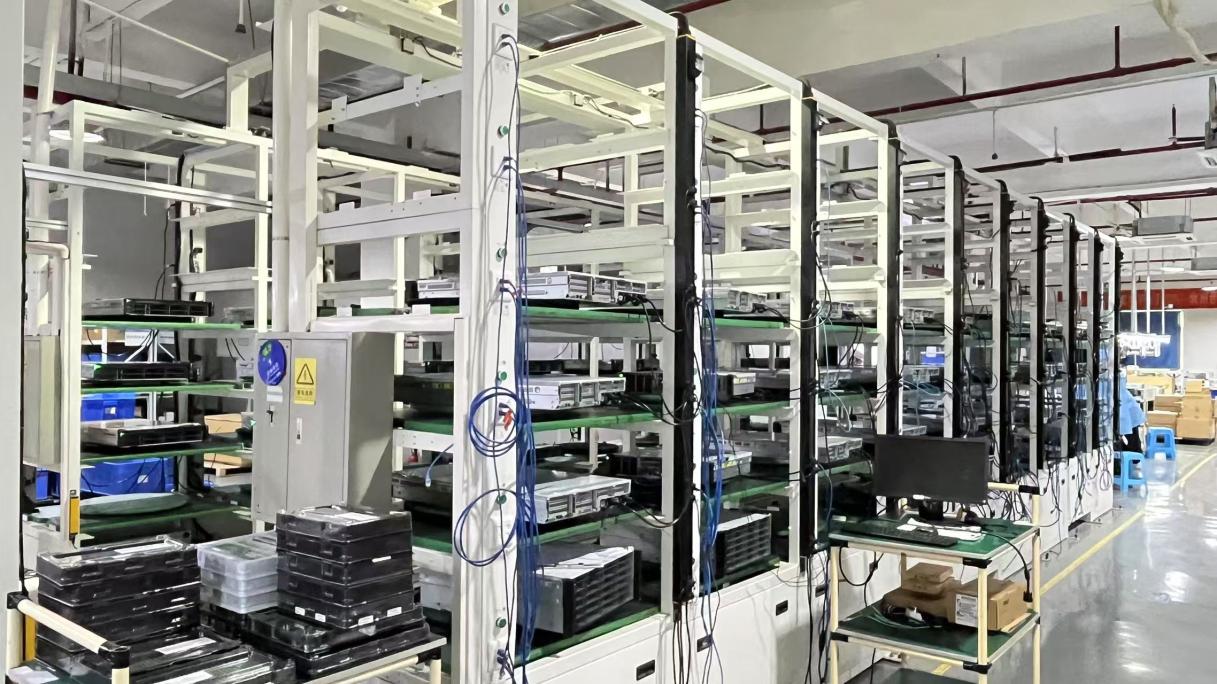
In the field of high-power optoelectronics, maintaining a consistent, high-quality supply chain is critical. Our modern 21,800 m² manufacturing facility brings together every step of the production process under one roof—from high-frequency PCB assembly to packaging and rigorous quality testing. This vertical integration allows us to offer unmatched supply chain resilience and cost efficiency for our customers in Norway.
By leveraging our deep expertise in high-speed SMT assembly, advanced driver motherboard design, and high-frequency RF routing, we ensure that every UVC module is built to the highest standard. This technical integration allows us to quickly scale production while maintaining strict quality control over electrical parameters, thermal resistance, and radiant flux.
For Norwegian distributors, system integrators, and OEM manufacturers, our 8 years of export experience ensures smooth logistics. We offer reliable sea and air shipping options to major hubs like Oslo, Bergen, and Trondheim, combined with comprehensive technical support throughout the integration process.
Our quality assurance protocol includes a strict 100% full inspection before shipment, featuring:
Importing industrial components into Norway requires strict compliance with European and Norwegian national standards. Our manufacturing processes are fully certified to meet these requirements, ensuring that all 270nm-280nm 3535 UVC LED modules can be seamlessly integrated into systems requiring CE, RoHS, and REACH certifications.
Furthermore, Norway's food safety and public health guidelines, overseen by the Norwegian Food Safety Authority (Mattilsynet), require that disinfection equipment used in food processing or municipal drinking water does not release hazardous chemicals. Since our solid-state UVC LEDs are mercury-free, they help system designs meet these strict safety requirements.
Expert technical insights to help engineers design, integrate, and optimize 3535 UVC LED arrays.
This wavelength range strikes the ideal balance between germicidal efficiency and optical output power. Although the DNA absorption peak is around 265nm, AlGaN LEDs historically achieve higher optical power and longer lifetimes at 270nm-280nm. This delivers a higher overall UV dose (irradiance multiplied by time) for municipal and industrial disinfection systems.
The 3535 package uses an Aluminum Nitride (AlN) ceramic substrate with high thermal conductivity. This allows heat to move quickly from the junction to the system's heatsink, maintaining a lower junction temperature. Proper thermal management prevents wavelength shifting, protects output power, and helps the LED reach its rated 20,000-hour lifetime.
Yes. Unlike fluorescent gas lamps, which lose efficiency in cold temperatures, solid-state UVC LEDs work very well in cold conditions. In fact, lower ambient temperatures help cool the LED substrate, which can improve optical efficiency and extend the lifetime of the system.
Corexis Memory Technology Co., Ltd. is a professional DRAM and high-speed semiconductor manufacturer dedicated to delivering high-performance solutions for global OEM, ODM, and brand customers. Since our establishment in 2016, we have focused on technological innovation, advanced manufacturing, and strict quality control. Our products are widely used in desktop PCs, laptops, industrial servers, embedded control systems, and high-reliability industrial automation systems.
With our modern 21,800 m² manufacturing facility, Corexis integrates R&D, SMT production, testing, packaging, and quality assurance under one roof. Our experienced engineering team continuously develops reliable, high-speed hardware designed to meet international standards and the evolving demands of the global market.
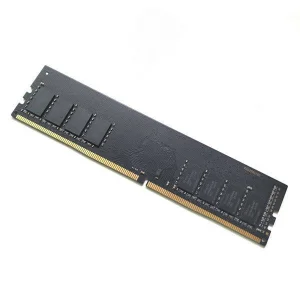
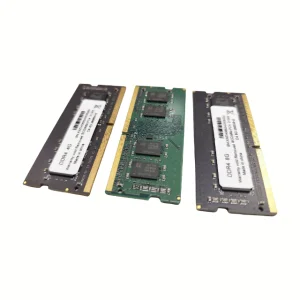
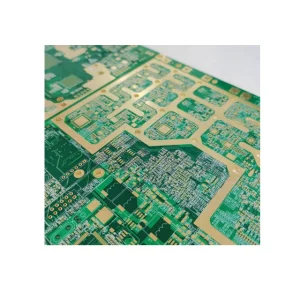
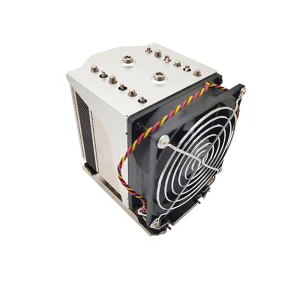
Explore our full line of compatible memory, power control boards, and thermal solutions designed for industrial environments.
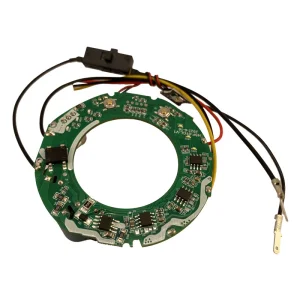
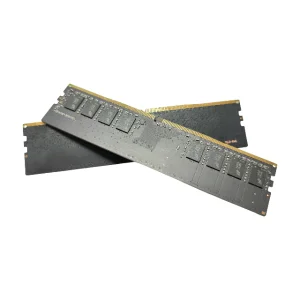
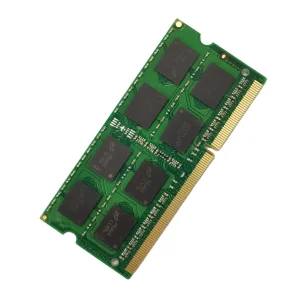
Talk to our applications engineering team to configure customized wavelengths, power ratings, and control circuits tailored for your system.
Send Inquiry Now Corexis Memory