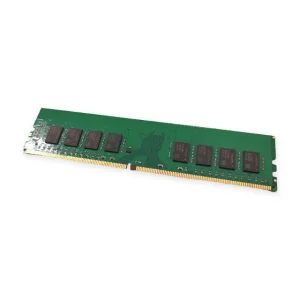
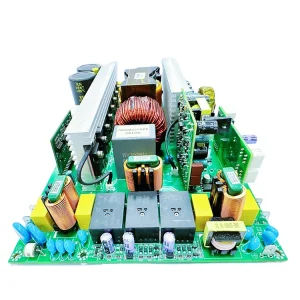
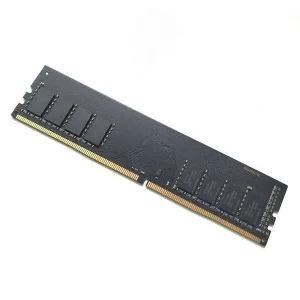
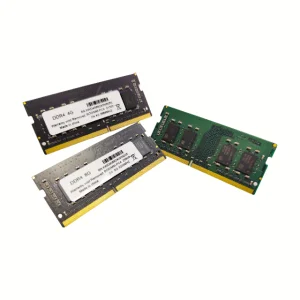
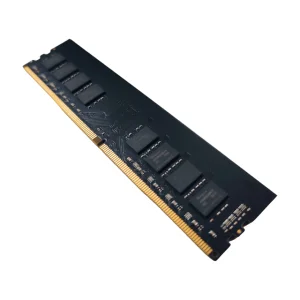
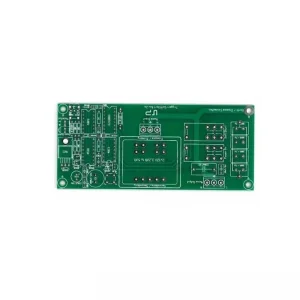
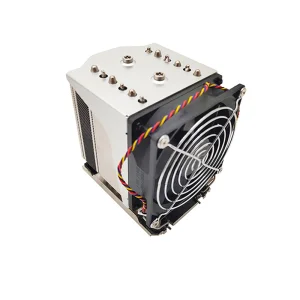
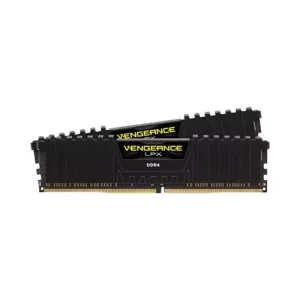
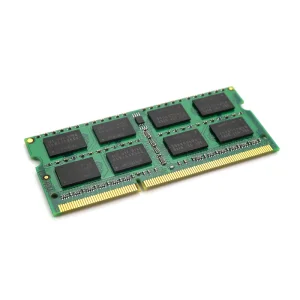
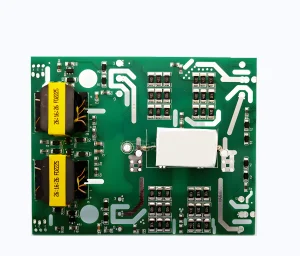
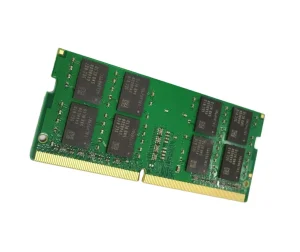
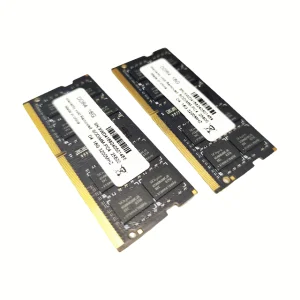
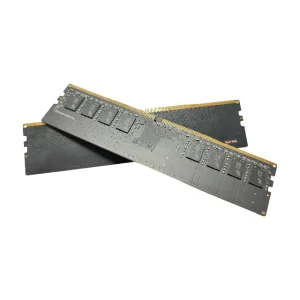
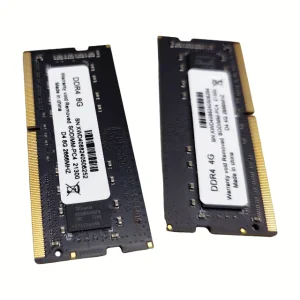
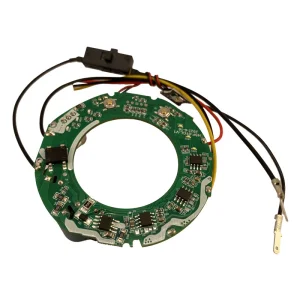
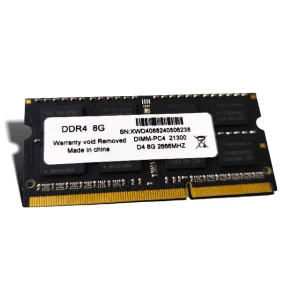
Explore our flagship high-performance components integrated for industrial systems across Mbarara and East Africa.
As the primary economic and commercial powerhouse of Western Uganda, Mbarara City is experiencing rapid industrialization, driven by expanding dairy processing networks, agro-based manufacturing, municipal water infrastructure upgrades, and modernized healthcare initiatives. With key regional landmarks such as the Mbarara Industrial Park, the River Rwizi basin, and major medical centers like Mbarara Regional Referral Hospital, the demand for non-chemical, instant, and highly effective sterilization technologies has reached an all-time peak.
Traditional disinfection methodologies relying on liquid chlorine, ozone, or high-pressure mercury lamps face significant hurdles in Mbarara. Mercury lamps are fragile, contain toxic heavy metals, require warm-up cycles, and carry high replacement overhead. Chemical disinfectants generate harmful disinfection byproducts (DBPs) and demand persistent operational logistics. Enter the state-of-the-art 260nm-270nm 3535 UVC LED: a solid-state ultraviolet germicidal solution offering maximum spectral absorption, compact footprint, instant startup, and extreme thermal resilience.
Ultraviolet C (UVC) light operates within the 200nm to 280nm spectrum. However, not all UVC wavelengths deliver equal germicidal performance. The nucleic acid (DNA/RNA) of micro-organisms—such as Escherichia coli, Salmonella enterica, Cryptosporidium parvum, and Giardia lamblia—exhibits its peak optical absorption curve precisely between 260nm and 270nm.
When photon energy at 265nm strikes the genomic structure of viruses and bacteria, it ruptures the hydrogen bonds holding the thymine (in DNA) or uracil (in RNA) bases together. This photon energy induces adjacent thymine bases to form covalent dimers (cyclobutane pyrimidine dimers - CPDs). Once dimerized, cellular replication mechanisms are permanently frozen, rendering the pathogen biologically inert and incapable of causing infection or spoilage.
| Parameter Parameter Name | Technical Specification Range | Engineering Significance for Mbarara Market |
|---|---|---|
| Peak Wavelength (λp) | 260nm - 270nm (Typical peak at 265nm) | Aligns perfectly with DNA/RNA absorption maxima for ultra-fast sterilization. |
| Package Dimension | 3535 SMD (3.5mm x 3.5mm x 1.6mm) | Industry standard form-factor; enables high-density array designs. |
| Radiometric Flux (Optical Power) | 50mW - 150mW per emitter @ 350mA | Delivers intensive UV dose for high-flow liquid and rapid air treatment. |
| Forward Voltage (Vf) | 5.5V - 7.5V DC | Compatible with solar battery banks & standard low-voltage DC drivers. |
| Thermal Resistance (Rth) | < 8 °C/W (High-thermal ceramic packaging) | Prevents thermal degradation in Mbarara’s tropical ambient temperatures. |
| Encapsulation Material | Quartz Glass Window Lens + AlN Substrate | Zero UV degradation over time; maintains >90% transmittance. |
Our 260nm-270nm 3535 UVC LED emitters utilize advanced AlGaN (Aluminum Gallium Nitride) epitaxial structures deposited via Metal-Organic Chemical Vapor Deposition (MOCVD). By integrating flip-chip architecture with a gold-tin (AuSn) eutectic bonding process on high-thermal-conductivity Aluminum Nitride (AlN) ceramic substrates, our factory minimizes thermal stress and prevents hot-spot formation. This ensures maximum wall-plug efficiency (WPE) even during continuous industrial operation.
Tailoring UVC optical technology to the geographical, economic, and logistical landscape of Mbarara yields powerful targeted solutions across key industries:
Mbarara is the heart of Uganda’s dairy belt. Processing facilities, raw milk collection centers, and cheese factories require rigid hygiene. Standard chemical washes leave residue risks. Integrating 3535 UVC LED arrays into inline pipe reactors and bottle capping stations neutralizes milk-spoilage bacteria (like Pseudomonas and Lactobacillus spores) without altering milk taste or thermal properties.
Municipal water treatment and decentralized purification plants serving Mbarara rely heavily on River Rwizi. High organic loads require powerful germicidal dosing. Custom 265nm 3535 UVC LED modules provide off-grid, solar-powered point-of-entry water purification systems, removing biological hazards without chlorine taste or hazardous transport issues.
Healthcare facilities in Mbarara demand strict air hygiene to prevent nosocomial infections. Upper-room UVC air disinfection fixtures powered by our 260-270nm LEDs continuously sanitize ambient air in surgical theaters, wards, and waiting rooms, deactivating airborne pathogens safely above human eye level.
Perishable agricultural produce stored in regional cold-chain warehouses suffers heavy post-harvest losses due to fungal mold spores (e.g., Botrytis cinerea). Low-intensity continuous UVC exposure using 3535 SMD LED arrays eliminates surface mold spores in cold storage rooms, significantly prolonging crop shelf life.
Procuring optical semiconductors directly from an established Chinese manufacturer provides Mbarara-based system integrators and OEMs with unmatched scale economies, strict quality assurance, and modular customization options.
Engineers designing UVC devices in Mbarara often face challenges when sourcing discrete components. By partnering with our factory, buyers receive fully optimized, turnkey thermal and electrical assemblies—including custom constant-current driver designs, quartz-glass lens optics, aluminum substrate thermal dissipation modules, and protective conformal coatings designed to withstand humid tropical conditions.
Compliance with regional and international standards is paramount when deploying high-energy UVC germicidal systems in the Ugandan market. Equipment imported into Mbarara must align with standards defined by the Uganda National Bureau of Standards (UNBS) alongside global quality frameworks:
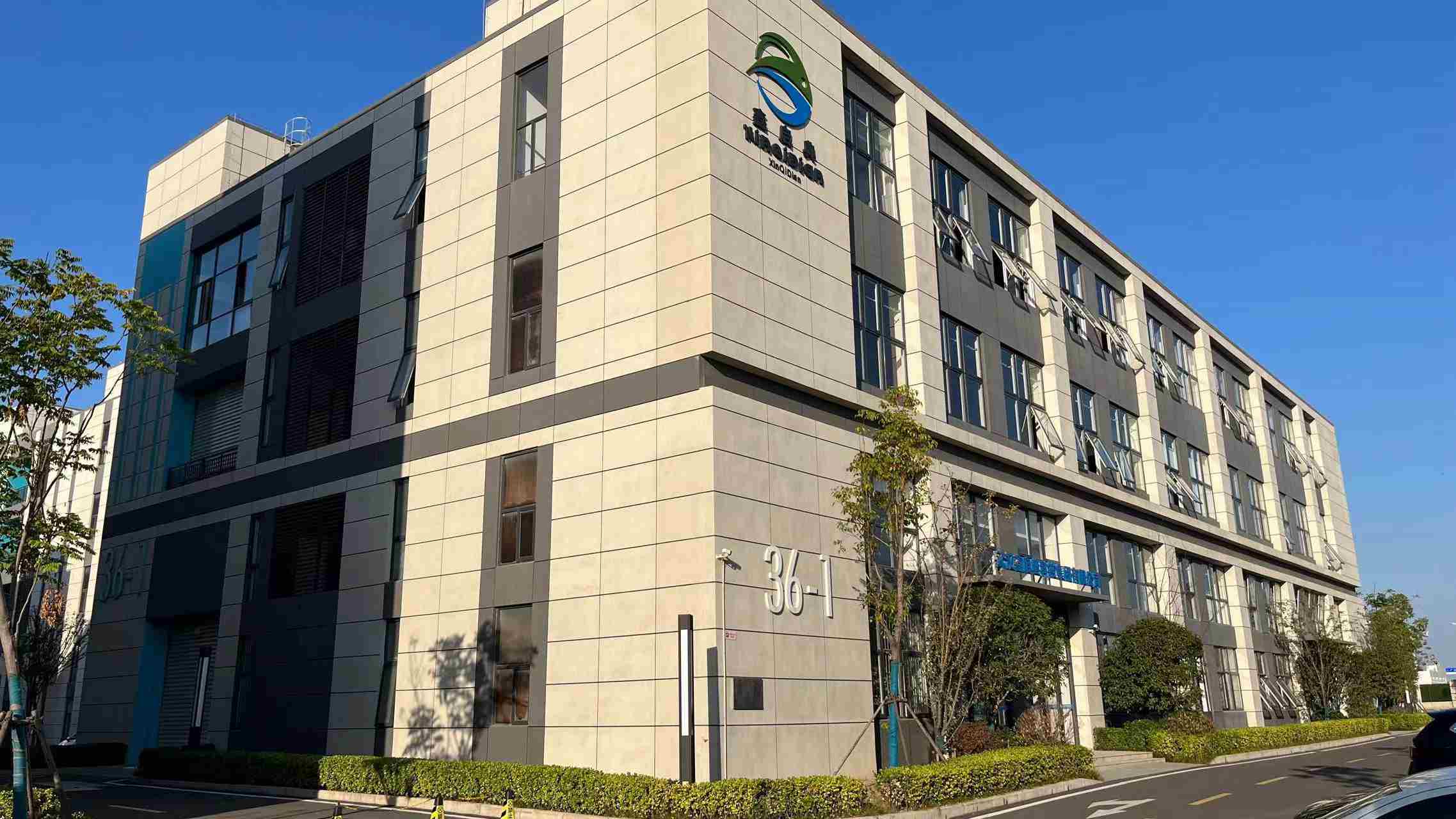
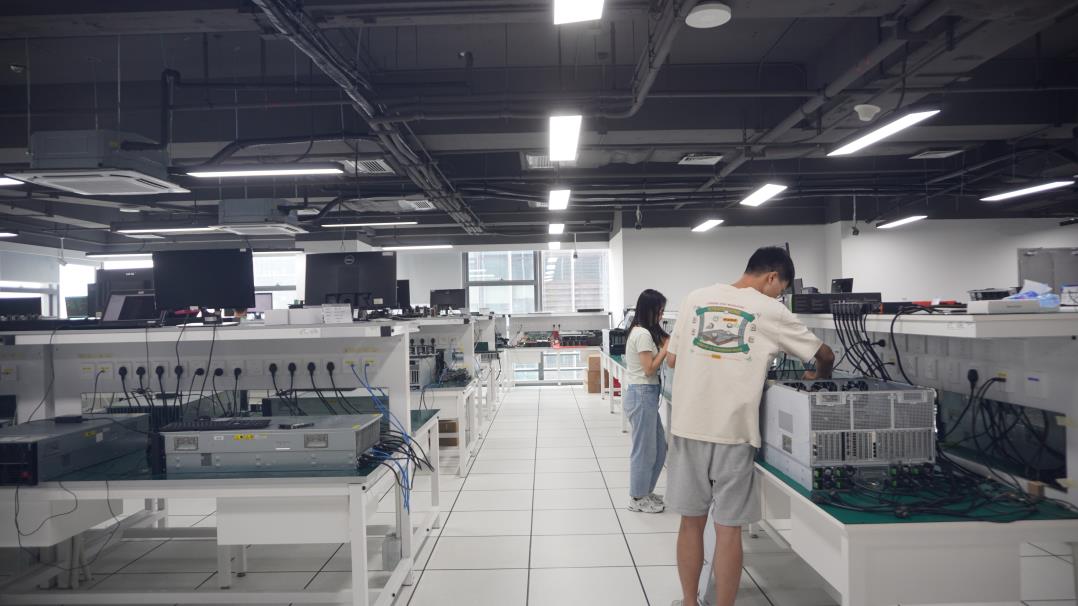
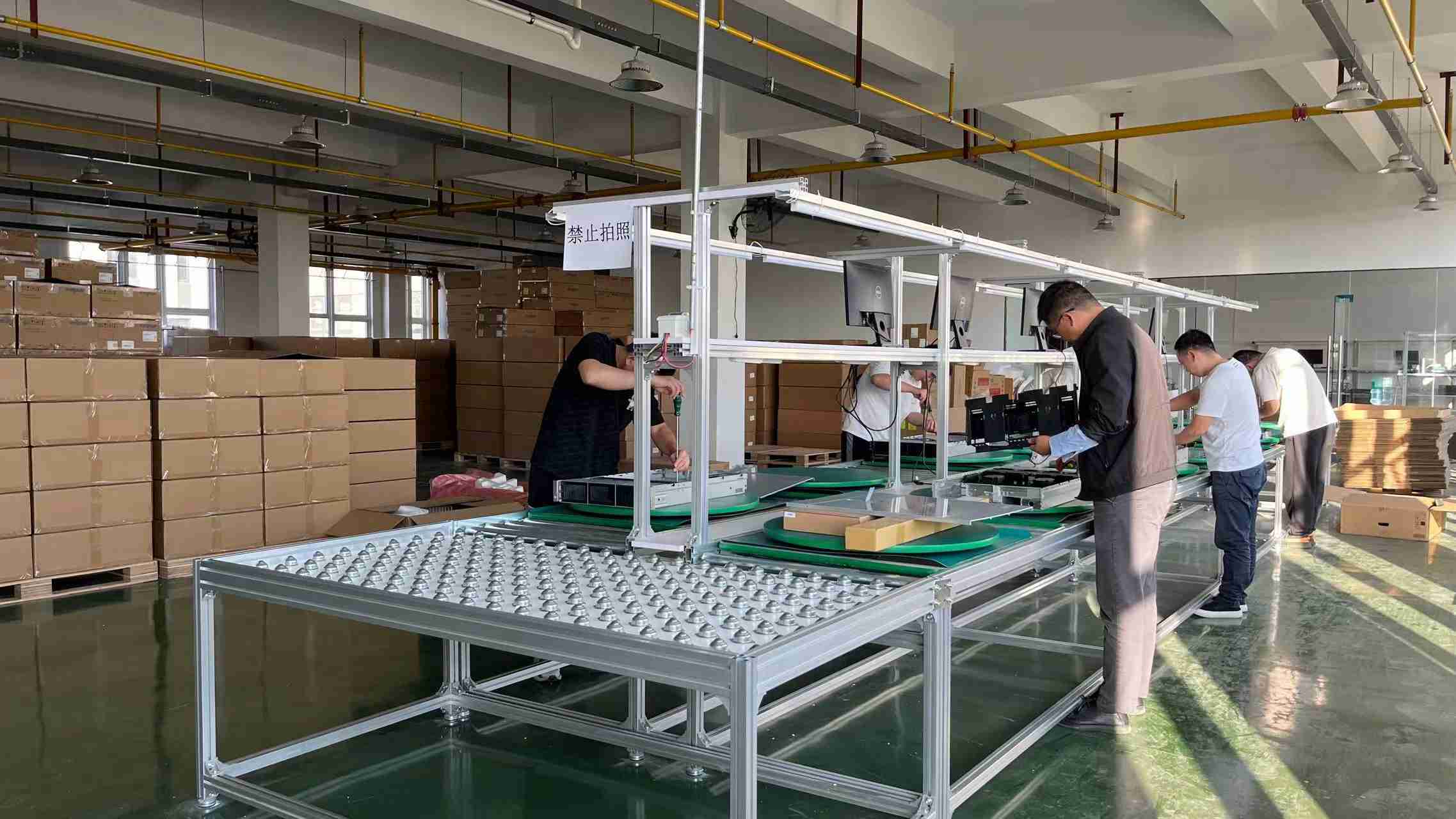
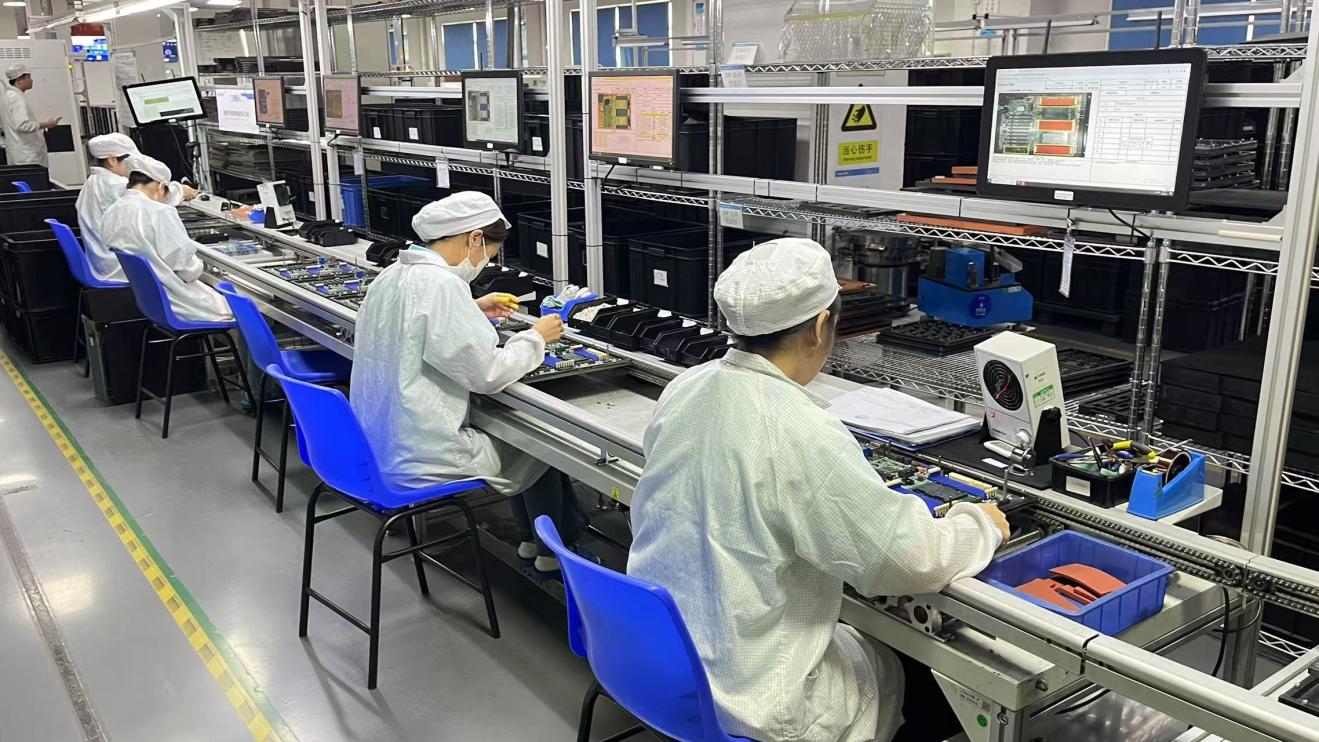
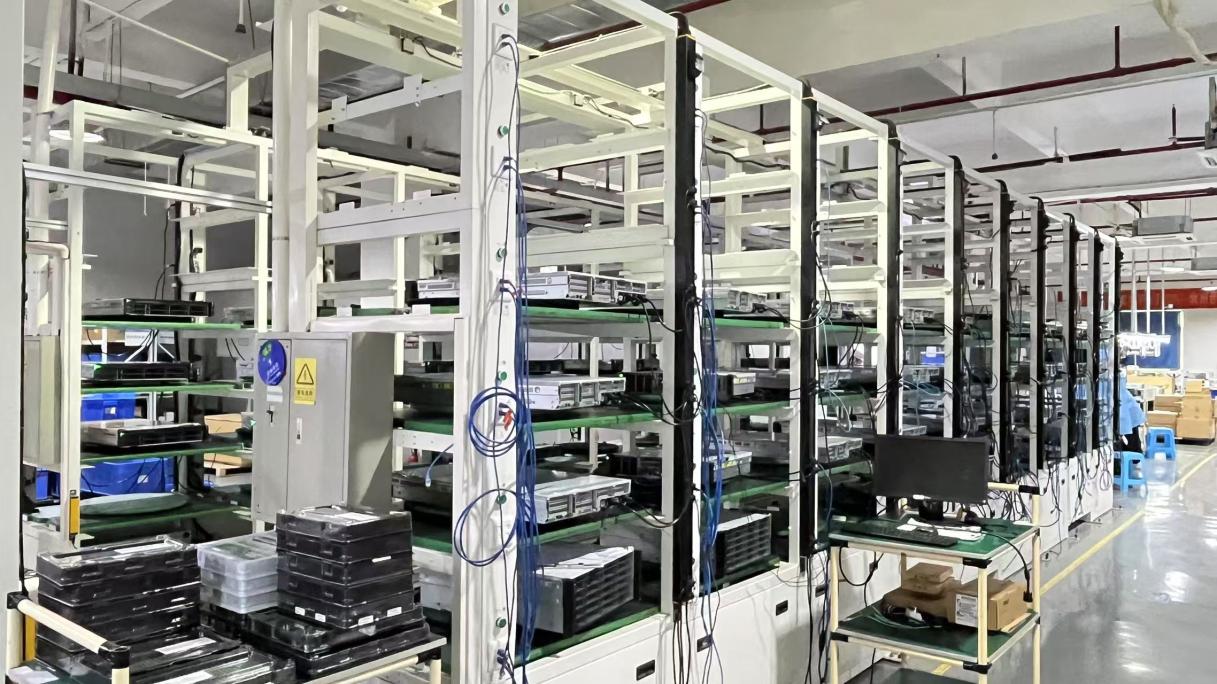
Backed by Corexis Memory Technology Co., Ltd.'s robust manufacturing expertise, our state-of-the-art facility integrates advanced optical packaging, automated SMT production, and comprehensive electronic test equipment under one roof.
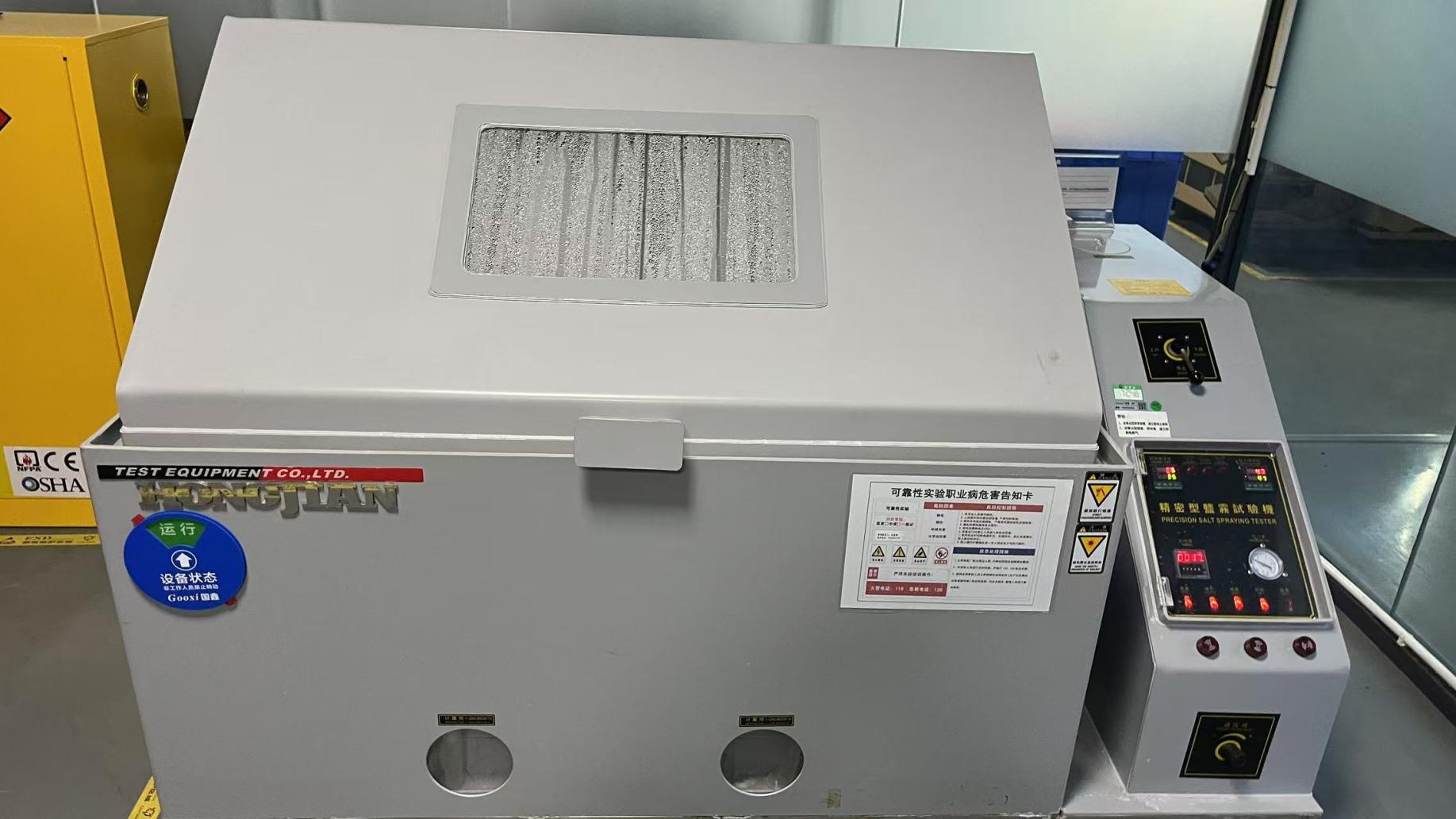
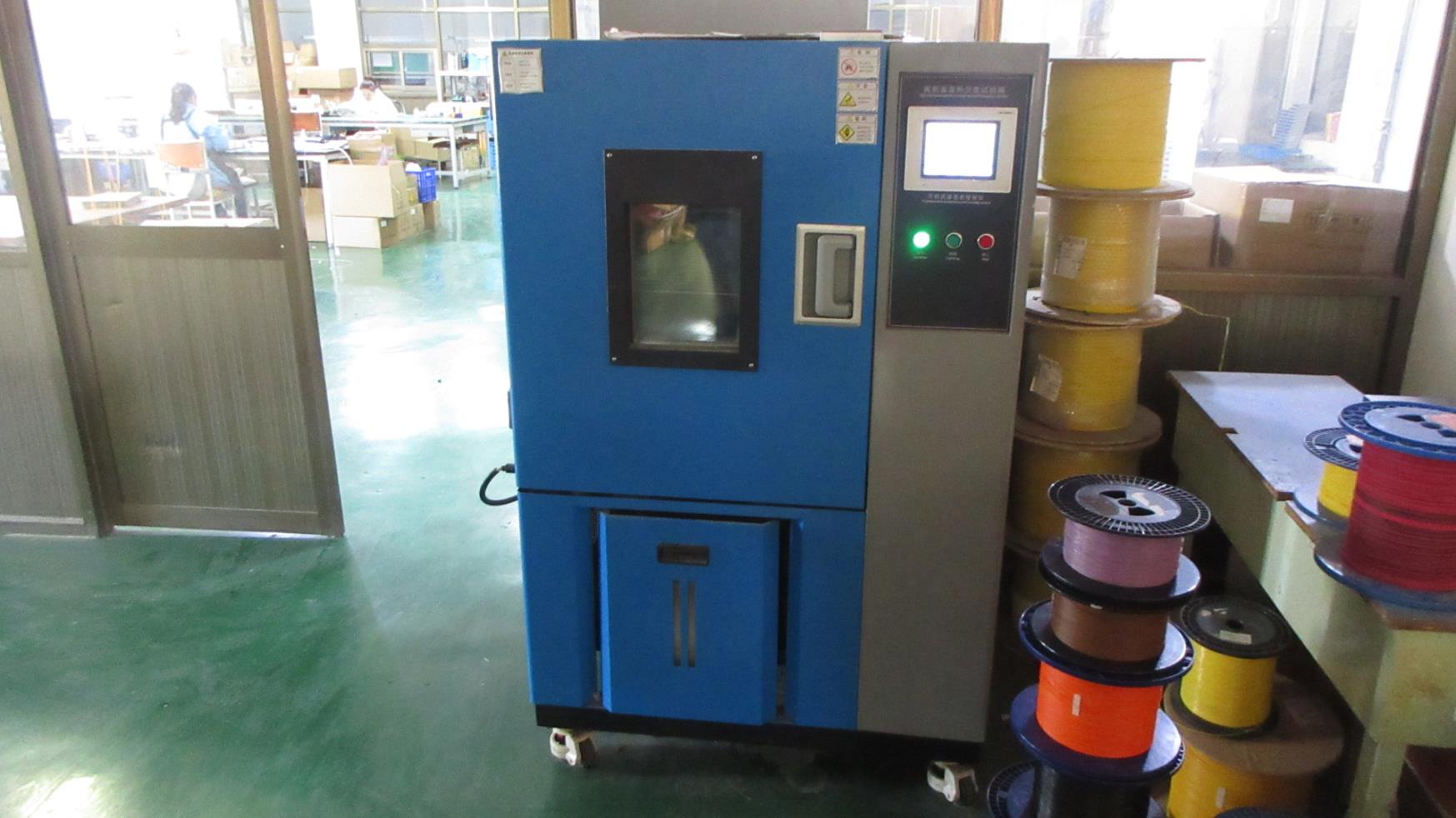
Our factory employs a strict 5-stage quality management control process: Incoming Material Inspection (IQC), In-Process Quality Control (IPQC), Final Quality Control (FQC), Outgoing Quality Assurance (OQA), and automated Reliability & Compatibility Testing. Whether delivering standalone 3535 UVC LEDs, high-speed SMT circuit assemblies, or specialized memory components for telemetry units, our batch-to-batch consistency is guaranteed.
The absorption maximum of nucleic acid (DNA/RNA) occurs specifically around 265nm. While 280nm LEDs offer slightly higher wall-plug efficiency, 260nm-270nm emitters match the germicidal efficiency curve far more effectively, providing faster kill rates with lower total optical energy. Unlike 254nm mercury tubes, UVC LEDs contain zero toxic mercury, turn on instantaneously without warm-up, and operate on safe low-voltage DC power.
UVC LEDs are sensitive to junction temperature ($T_j$). Our 3535 package features an ultra-low thermal resistance Ceramic AlN substrate ($R_{th} < 8\,^\circ\text{C/W}$). When soldered to high-conductivity copper MCPCBs with properly designed heatsinks or forced-air cooling, optical degradation is kept to a minimum, ensuring an L70 operational lifespan exceeding 15,000 hours even in ambient temperatures above 30°C.
Yes! Because 3535 UVC LEDs operate on low-voltage DC (typically 5.5V - 7.5V per emitter or tailored series-parallel arrays), they integrate seamlessly with 12V/24V/48V solar charge controllers and lithium battery storage systems. This makes them ideal for off-grid water purification units along rural stretches of River Rwizi or remote agricultural posts around Mbarara.
Standard samples and stock optical evaluation boards ship within 3-5 business days. Bulk factory orders are manufactured and shipped via express air freight to Entebbe International Airport (EBB) or via sea container to Mombasa Port, bonded directly through the Kampala-Mbarara transport corridor. Delivery times range from 7-10 days for air freight and 30-40 days for sea freight.
Absolutely. Our R&D team of 128 engineers provides full OEM/ODM services, including customized MCPCB layout designs, secondary optics selection (60°, 90°, or 120° quartz quartz lenses), constant current driver integration, and IP68 waterproof encapsulation tailored for municipal water or industrial tank sterilization systems.
Explore our full range of industrial PCBA modules, memory units, and driver electronics engineered for robust field performance.
Contact our optical engineering team today to request samples, detailed radiometric flux datasheets, OEM customization pricing, or technical consultancy for your Mbarara industrial projects.
Send Inquiry Now Corexis Memory