Direct access to high-precision SMT motherboard assemblies, high-frequency Rogers/FR4 substrate PCBs, and multi-capacity computer RAM modules engineered for heavy processing, sensing, and communication tasks.
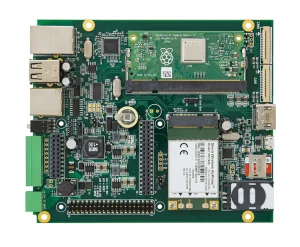
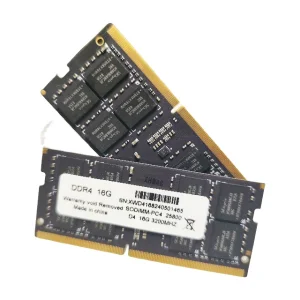
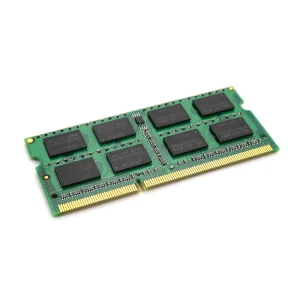
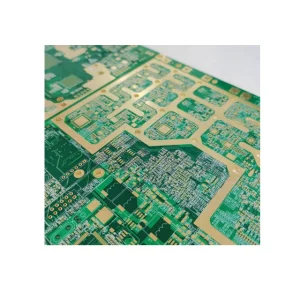
In the era of hyper-connected smart devices, wearable technology is undergoing a paradigm shift. Designers and developers are tasked with cramming dense processing units, high-fidelity wireless components, and ultra-low power storage into minuscule physical form factors. Achieving this requires trusted partnership with hardware manufacturers who understand the microscale tolerances of modern PCB assembly (PCBA) and the tight performance bounds of volatile memory.
From smartwatches monitoring biometrics in real time to augmented reality (AR) glasses overlaying computer-generated imagery onto the physical world, the foundational architecture of any wearable device consists of three critical physical pillars: high-speed signal processing circuits, ultra-compact RAM configurations, and durable power-management PCBA. This documentation outlines how OEM/ODM capabilities, advanced Chinese manufacturing hubs, and cutting-edge DRAM technologies meet the sophisticated procurement standards of global technology enterprises.
"The challenge of wearable electronics design lies not in creating functionality, but in localizing it inside a tiny space while maintaining system reliability and low power draws. Hardware partners must deliver more than just boards; they must deliver optimized layouts and high-speed data throughput." - R&D Department, Corexis Memory Technology Co., Ltd.
As semantic search queries increasingly point toward device reliability, power management, and mini-DRAM solutions, several technological shifts are determining the success of new smart-wearable product rollouts.
Wearables are moving from basic transmitters to independent smart computing hubs. Localized machine learning models on smart rings or health patches require quick access to memory modules, making LPDDR and high-speed DDR DRAM integration a core component of the hardware build.
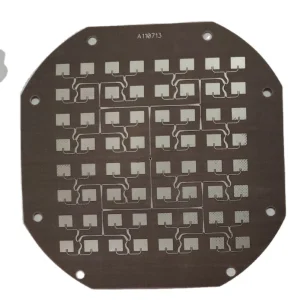
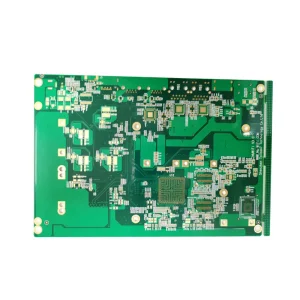
Designers rely heavily on High-Density Interconnect (HDI) PCBs that employ blind and buried vias. Processing high-frequency signals while preventing cross-talk requires advanced base materials such as Rogers and Shengyi High TG170 FR4 to minimize dielectric loss.
Battery lifespans determine the success of consumer and medical wearables. Advanced SMT processes allow manufacturers to mount ultra-small, smart Power Management Integrated Circuits (PMICs) directly adjacent to microcontrollers, reducing power dissipation dramatically.
China continues to remain the epicenter of consumer electronics and wearable technology contract manufacturing due to its comprehensive, highly localized supply chain clusters. In places like Shenzhen and Guangdong, custom PCB fabrication, high-speed SMT assembly, chip component packaging, and automated compliance testing occur within a single industrial ecosystem.
For international buyers, this localized cluster provides distinct advantages:
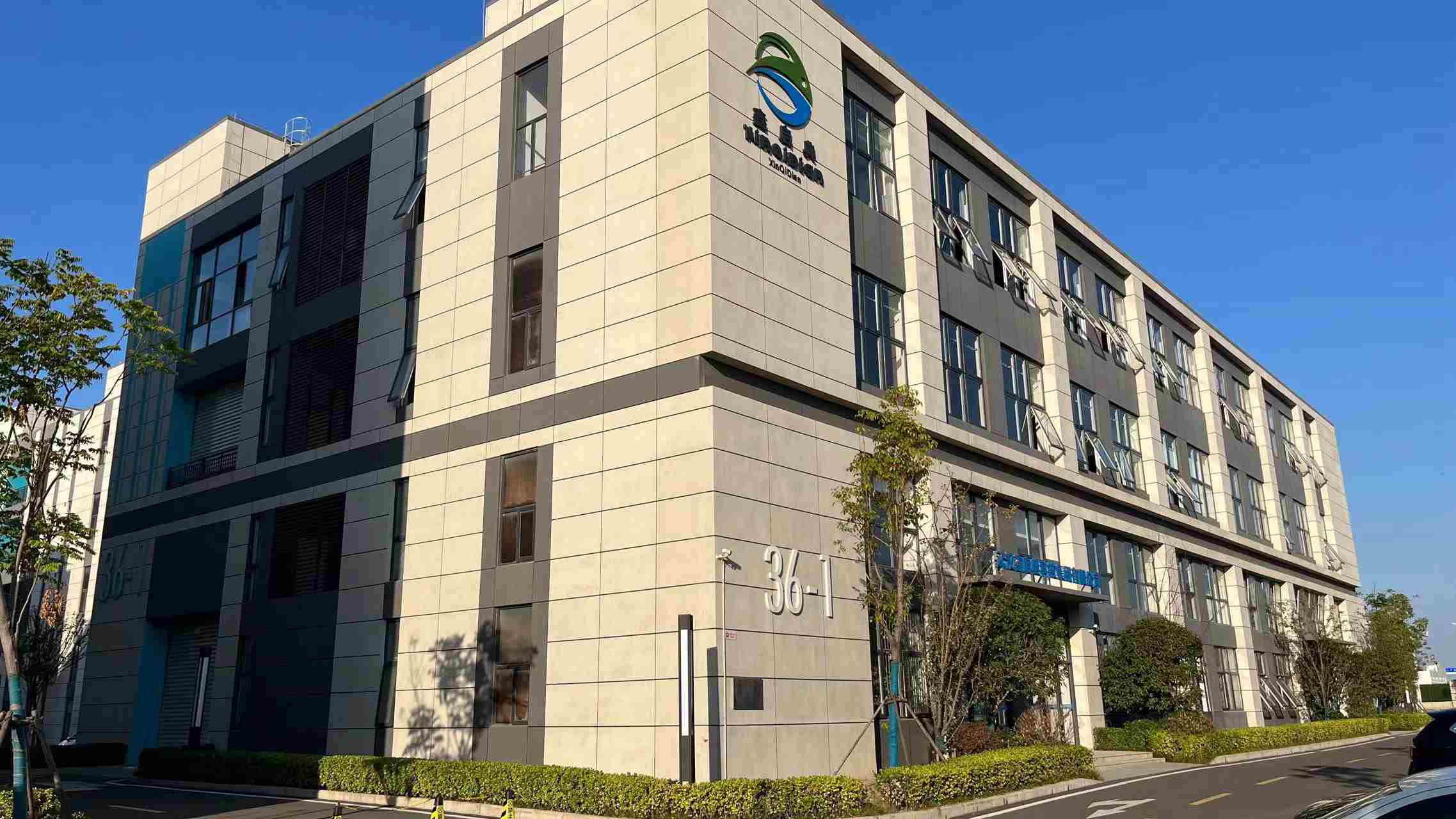
Corexis Memory Technology Co., Ltd. perfectly embodies these regional advantages. By running an expansive 21,800 m² modern manufacturing facility, the company integrates advanced SMT processing, custom hardware engineering, and comprehensive memory module assembly under one single standard of quality control.
Complex micro-electronics require cohesive system design. Here is how Corexis's product categories translate into macro solutions across global industries:
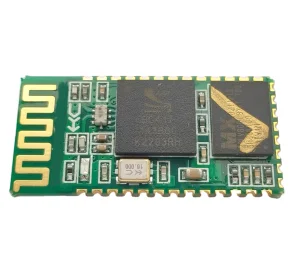
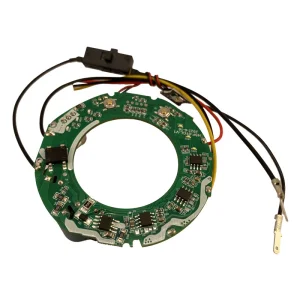
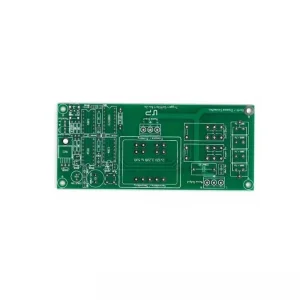
Continuous heart-rate tracking, oxygen saturation measurement, and wearable ECG patches require high-sensitivity PCBA designs that reduce noise. Combining custom multi-layer FR4 boards with energy-efficient micro-controller interfaces creates medical-grade diagnostic units.
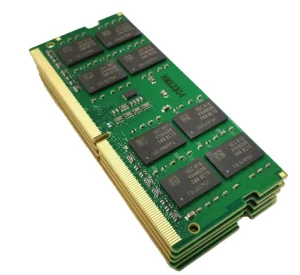
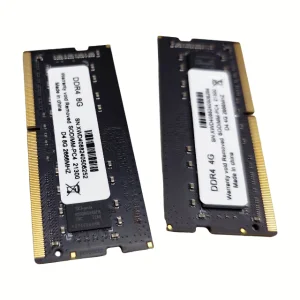
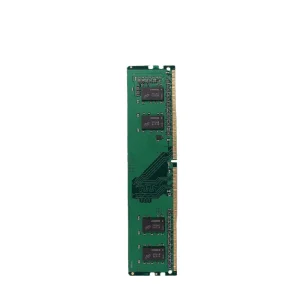
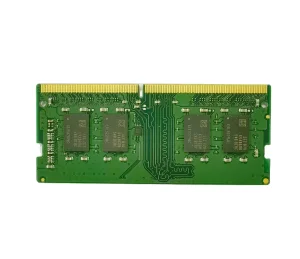
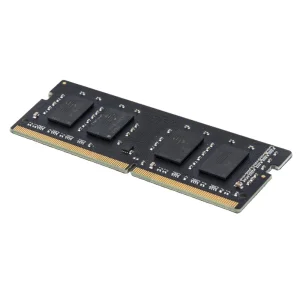
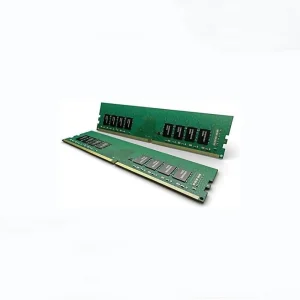
Warehouse logistics and hazardous job sites depend on rugged wrist-mounted computers and barcode scanners. These systems need industrial-grade control boards and reliable RAM like Sodimm DDR4/DDR3 to withstand high vibrations and wide thermal ranges.
Immersive headsets process high-bandwidth data in real time. Combining high-frequency mixed-pressure Rogers PCBs for fast RF transmission with large RAM banks (such as 16GB DDR4 modules) prevents visual lag and supports comfortable, low-latency rendering.
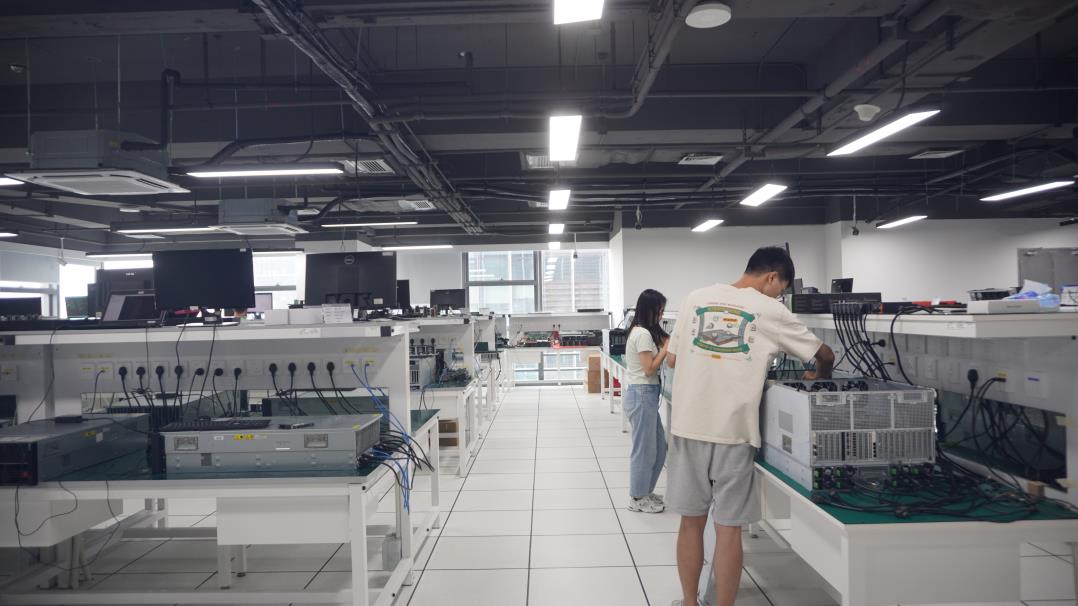
Corexis Memory Technology Co., Ltd. is a dedicated manufacturer delivering memory components and complex PCBA solutions for global brands. Our facility focuses on high-speed SMT assembly, thorough testing, and component integration.
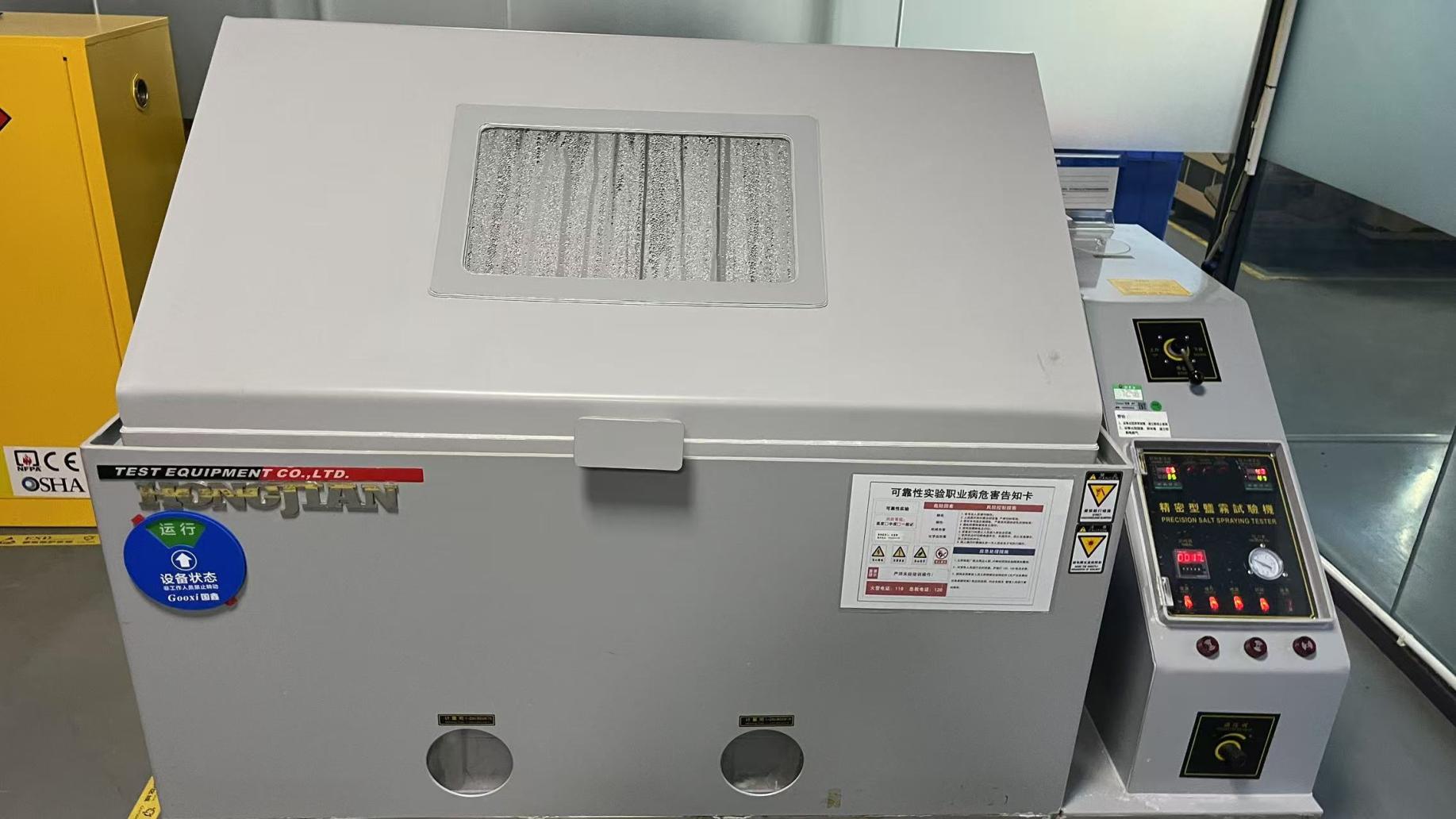
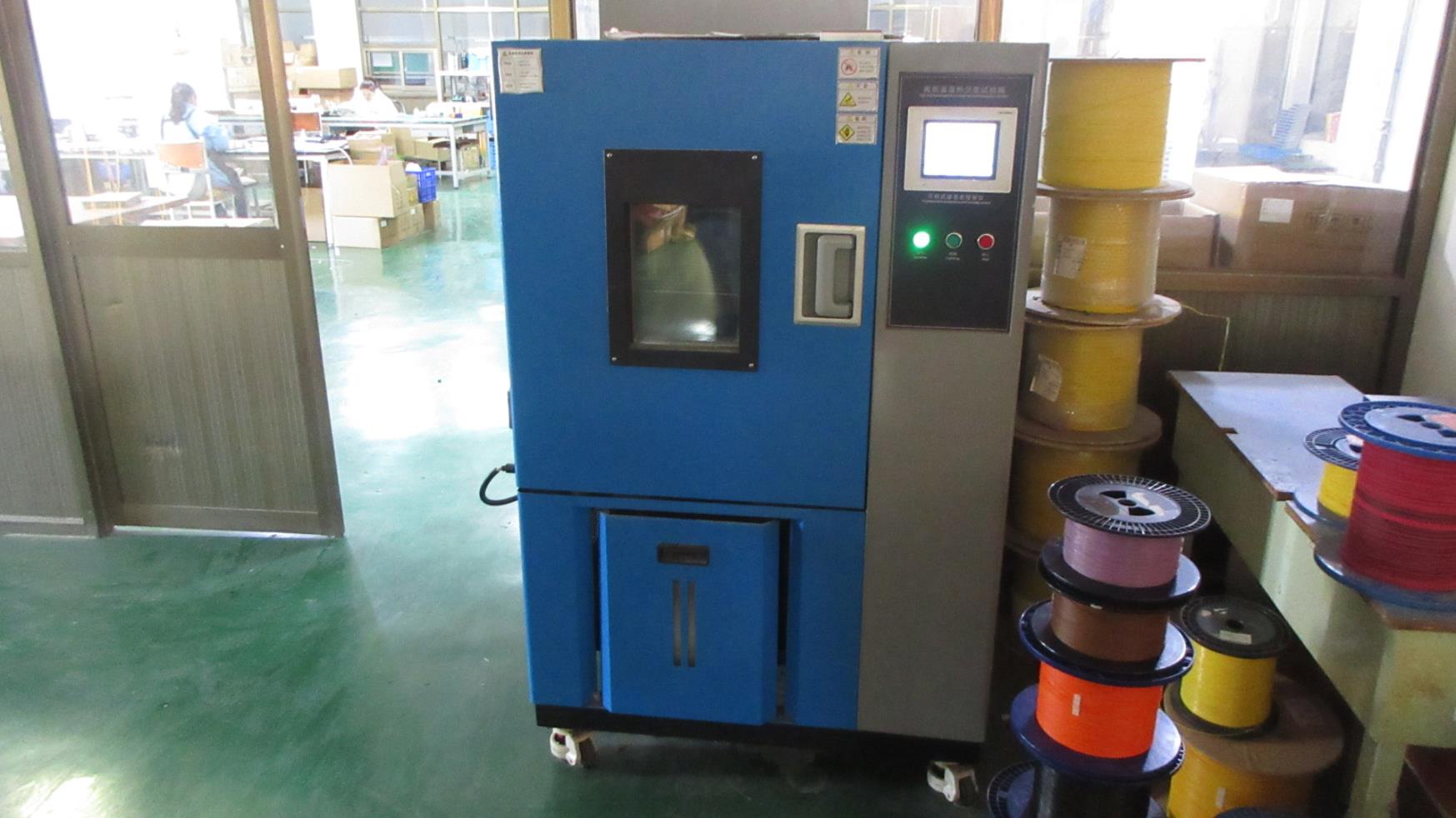
Every memory module, PCB substrate, and custom SMT motherboard undergoes rigorous verification before export. Corexis employs a dedicated team of 56 QC specialists who execute five comprehensive testing routines to ensure long-term stability and product reliability:
Corexis supports global supply requirements with modern equipment, automated SMT lines, and dedicated testing rooms. Our facilities are designed to maintain high yield rates and steady production outputs.
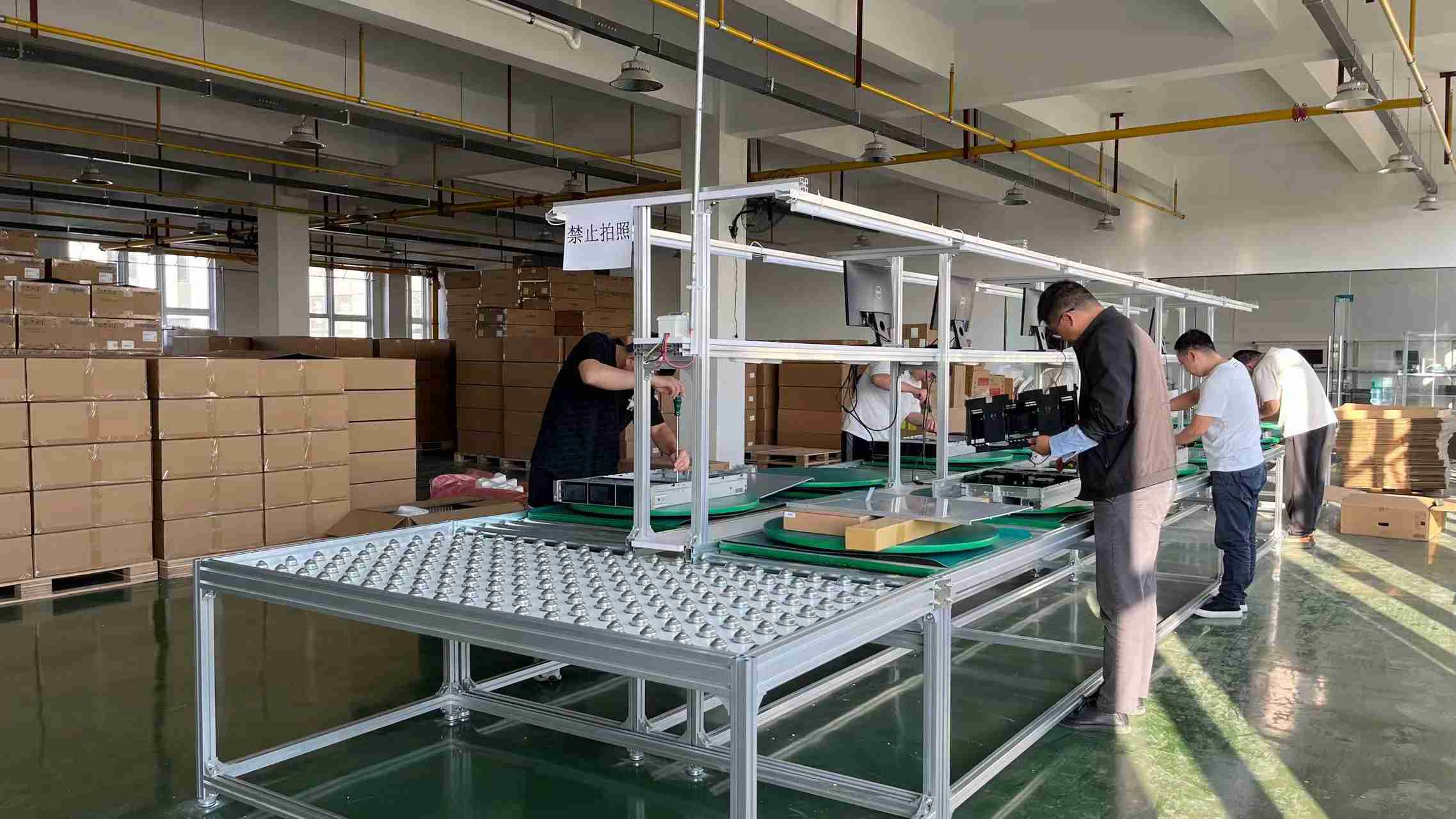
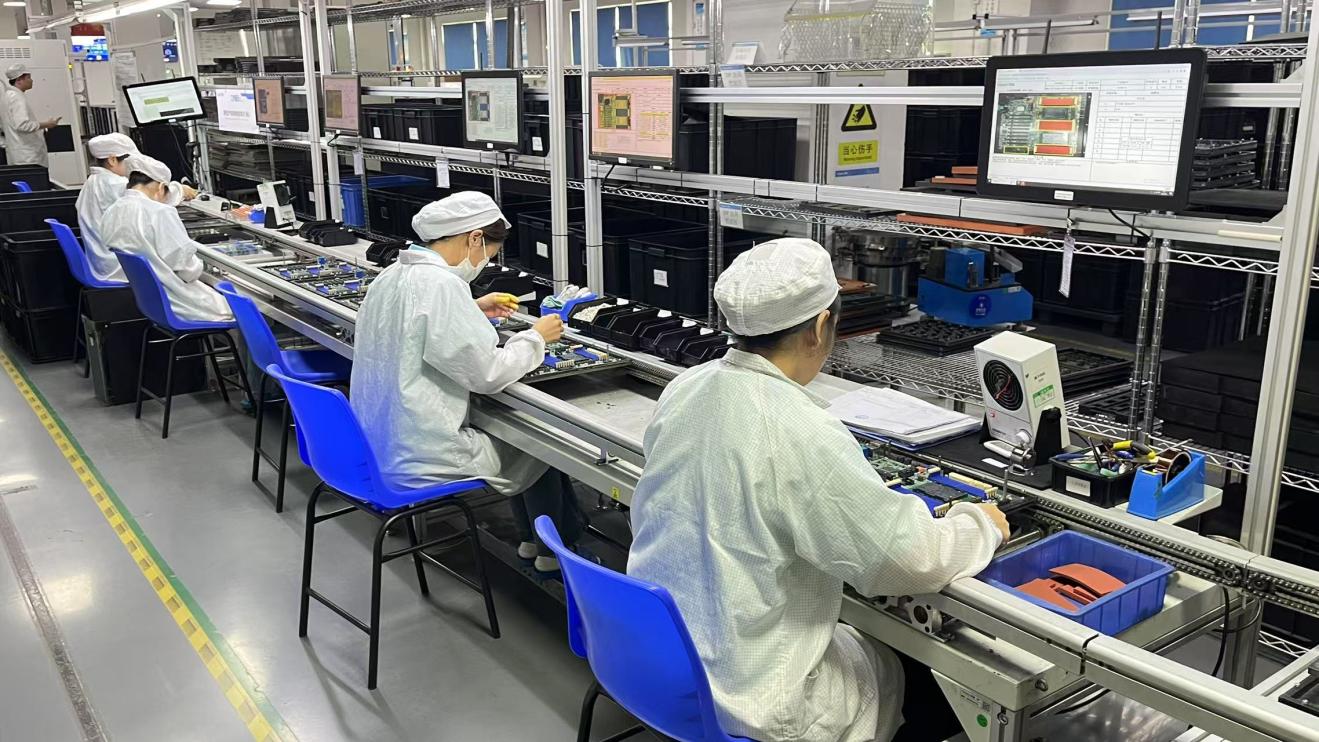
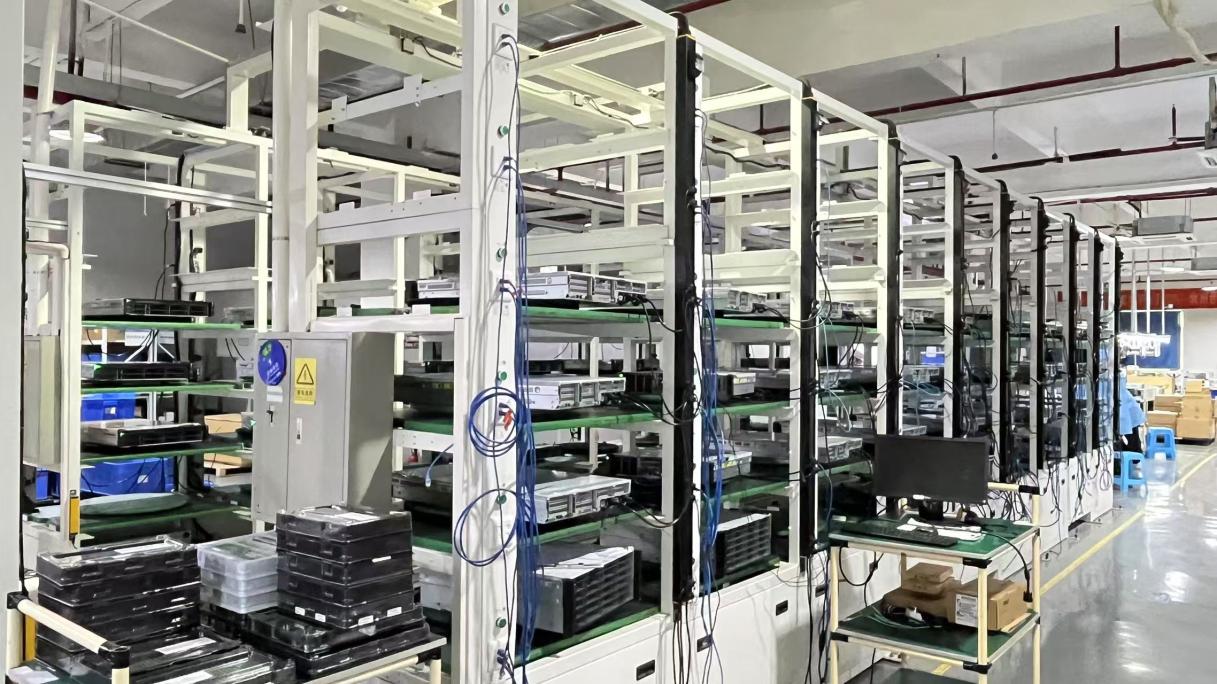
Global hardware procurement is more than simple transactions. It requires managing supply chains, ensuring component longevity, and maintaining quality standards. Here is how Corexis supports global enterprises:
1. Consistent Material Sourcing: By partnering with established wafer suppliers and high-grade copper plate vendors, we ensure that raw components meet uniform standards from batch to batch.
2. Compliance & Environmental Standards: Our manufacturing processes align with RoHS and REACH standards. We produce lead-free circuit assemblies, helping clients comply with import regulations in regions like North America and the European Union.
3. Customization & Branding: We offer flexible OEM and ODM services, including custom silk-screen printing, private label options, specialized heat spreader designs, and tailor-made retail packaging. This allows system integrators to roll out products under their own brands.
4. Lifecycle Management & Legacy Support: While the market transitions to DDR5, we maintain support for DDR4 and legacy DDR3 memory form factors. This helps our clients extend the operational life of industrial machines, servers, and older embedded architectures.
Find compatible memory modules, multilayer PCBs, and specific circuit board assemblies for your hardware integrations.
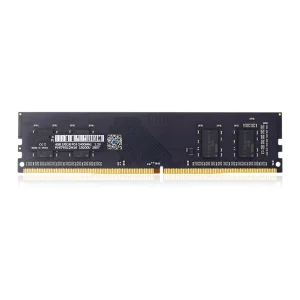
 Corexis Memory