Explore our primary range of advanced electronic components, custom driver modules, thermally conductive PCBs, and high-performance server thermal sinks designed for strict industrial standards.
As compute-dense environments escalate in operational frequency and packing density, the thermal dissipation limits of standard silicon structures are continuously challenged. According to thermal engineering physics, structural heat flux densities in current high-performance computing platforms can exceed 100 W/cm². Without custom-designed thermal management systems, critical components undergo thermal throttling, structural warping, or outright catastrophic dielectric breakdown.
Utilizing conduction, convection, and phase-change thermodynamics, our components minimize interfacial thermal resistance (TIM). This ensures fast heat transfers from the silicon junction (Tj) directly to active dissipation components.
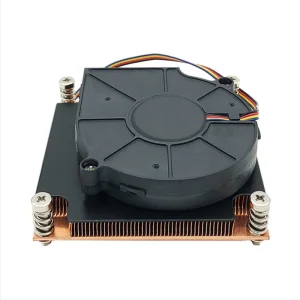
From server platforms utilizing LGA4189-N96 heatsinks to custom industrial PCBA layouts, our mechanical design parameters align perfectly with layout specifications for maximum structural compatibility.
Utilizing high-performance oxygen-free copper (OFC) and specialized T6 aluminum alloys ensures that each substrate offers high thermal conductivity values alongside optimized mechanical structural properties.
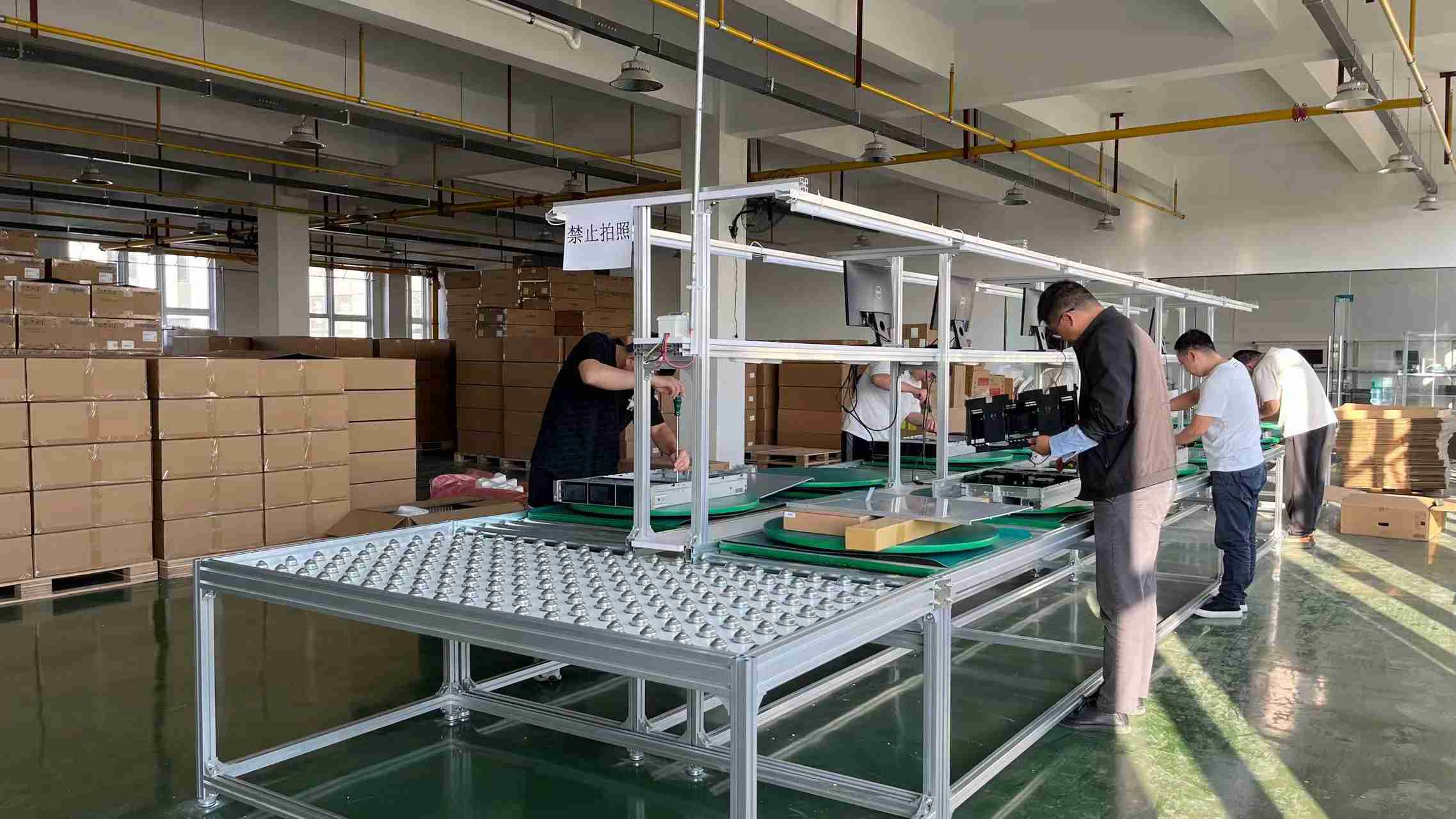
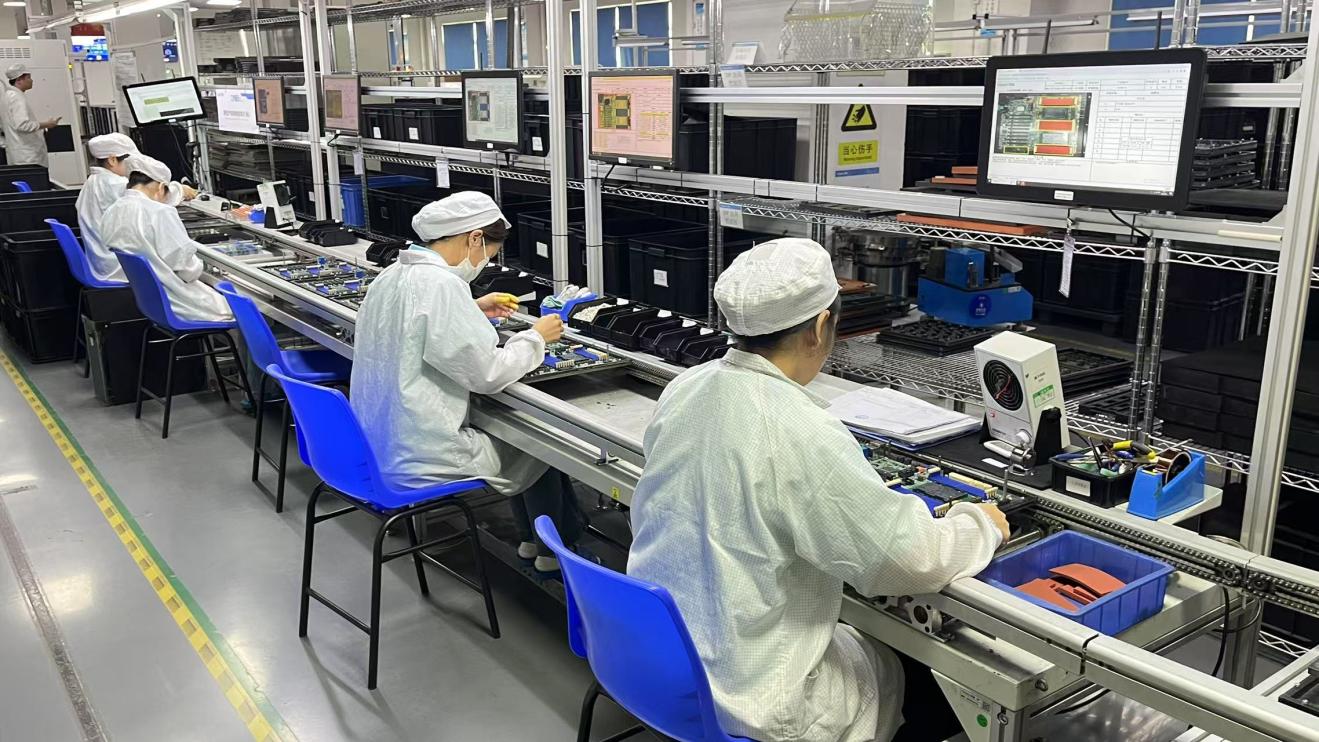
Corexis Memory Technology Co., Ltd. stands as a premier specialized designer, manufacturer, and global exporter of high-density microelectronic solutions, server memory architectures, and integrated thermal management solutions. Strategically situated at the core of advanced manufacturing nodes, we deliver end-to-end services spanning initial CAD mechanical simulations to high-volume SMT production lines.
| Operational Metric | Specification Detail |
|---|---|
| Quality Control Staff | 56 Dedicated QC Inspectors & Field Reliability Engineers |
| Core Target Markets | North America, Europe, Southeast Asia, South America, Middle East |
| Product Inspection Framework | IQC (Incoming), IPQC (In-Process), FQC (Final), OQA (Outgoing Quality Assurance), Reliability & Compatibility Validation |
| Primary Supply Chain Partners | 1,120+ Active Silicon, Substrate, and Assembly Material Suppliers |
| R&D Core Competency | Independent Schematic Design, High-Layer PCB Layout, High-Speed Firmware Optimization, Thermal Profile Analysis |
| Customization Options | OEM/ODM Private Labeling, Customized Thermal Heatsinks, Structural Heat Spreader Configurations, Custom Speed Profiles |
| Annual Product Development Output | 86 Innovative High-Performance Architectures Released Annually |
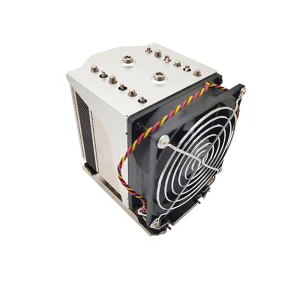
In hyperscale cloud environments across the USA and Canada, processor density requires high thermal dissipation. Our 320W LGA4189-N96 heatsinks provide necessary thermal control. By maintaining critical CPU junction temperatures below throttling limits under continuous 100% workloads, these solutions optimize system uptime and decrease total cost of ownership (TCO) for local infrastructure operators.
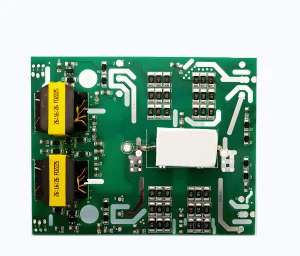
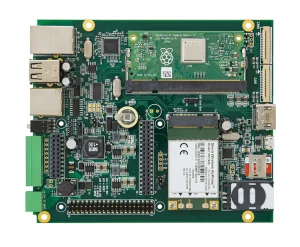
In European industrial hubs (Germany, France, and Italy), clean energy applications rely on robust power conversion components. Corexis provides custom ZX7-315-400IGBT driver boards designed for high thermal stability. Engineered on specialized thermally conductive substrates, these boards withstand cyclic thermal loading without mechanical failure or delamination.
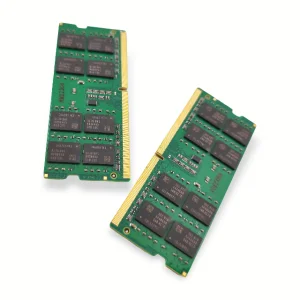
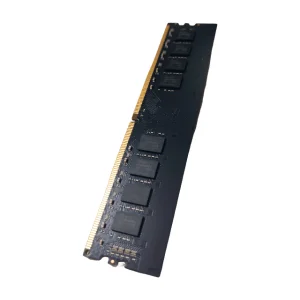
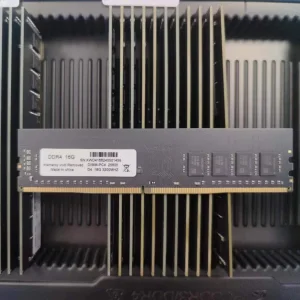
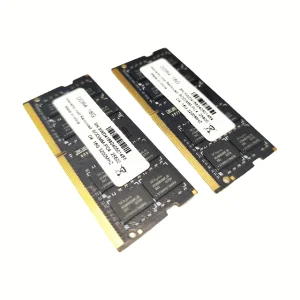
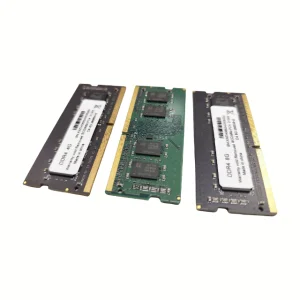
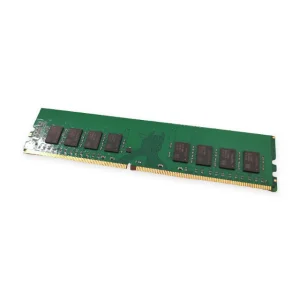
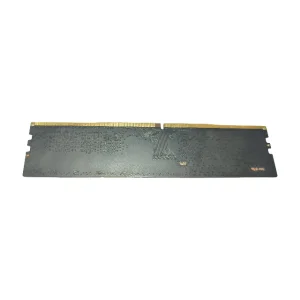
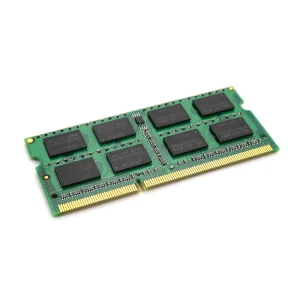
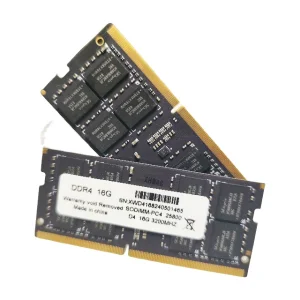
Deployments in Latin America and Southeast Asia require robust memory arrays that run reliably in warm ambient environments. Our ECC DDR4 module arrays use low thermal impedance chips, which lower heat generation by up to 15% compared to standard generic designs. This design reduces dependence on active cooling systems in warm regional setups.
As silicon development moves toward advanced sub-3nm architectures and multi-die chiplet packages, traditional thermal designs face physical limitations. Corexis is expanding its research footprint to meet the cooling requirements of tomorrow's microelectronics.
Implementing 3D vapor chambers with ultra-thin profiles for next-generation server memory modules. These systems utilize low-boiling-point working fluids to provide isotropic thermal spreading across highly concentrated hot spots.
Developing hybrid systems that combine liquid loop cold plates with direct-conduction copper blocks. These designs target the high TDP limits of modern hardware, such as LGA4677 and LGA7529 platforms.
Integrating embedded micro-sensors within memory substrates to dynamically measure operating temperatures. This telemetry allows system controllers to proactively balance workload distribution before hot spots develop.
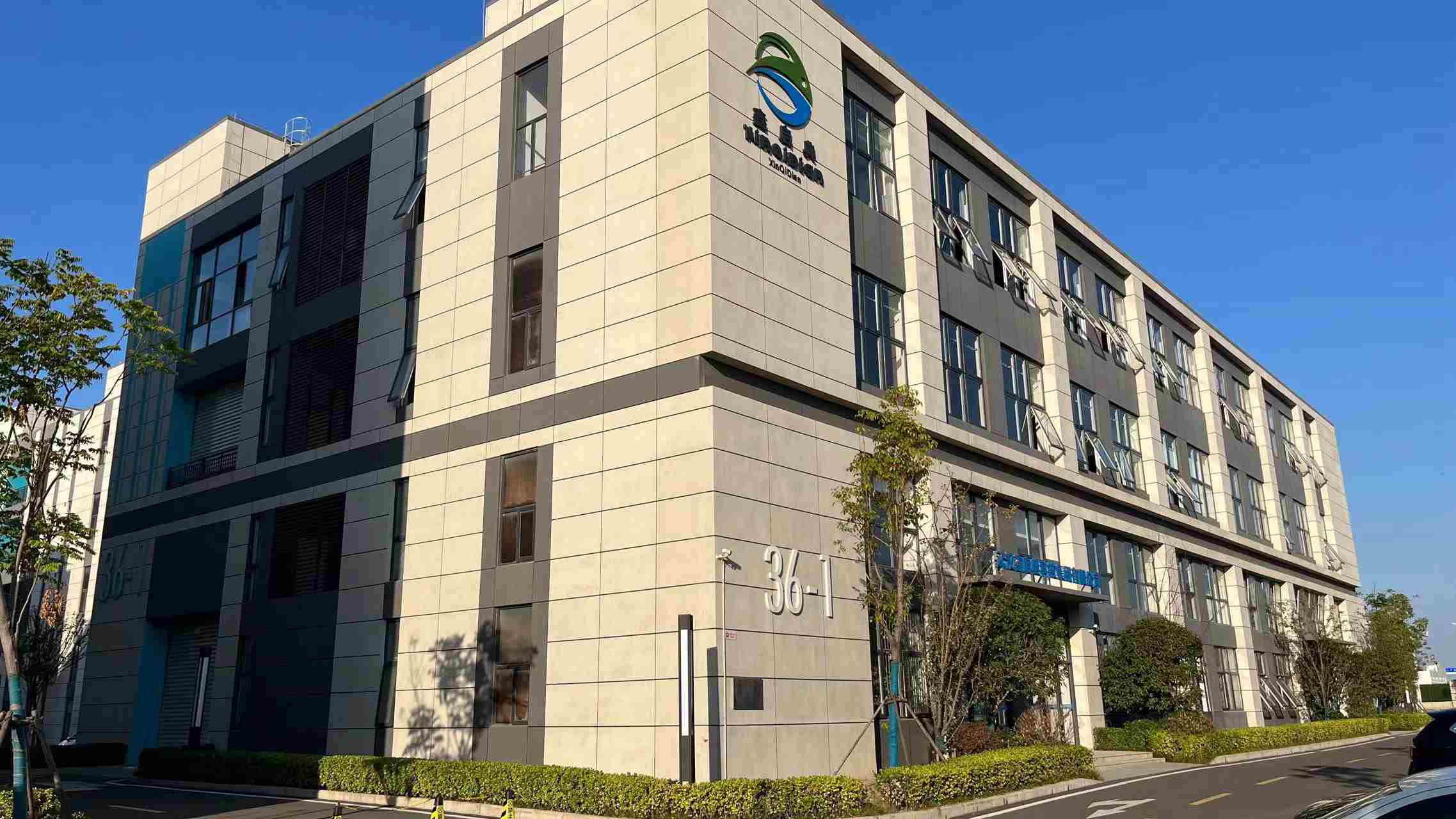
Operating from Shenzhen and key electronics hubs in southern China allows Corexis to optimize every phase of the manufacturing supply chain. We maintain direct connections to upstream copper mines, aluminum extrusion factories, high-speed SMT placement facilities, and raw silicon wafer packaging services. This close proximity helps minimize logistics bottlenecks and lower transport overhead.
By sourcing raw components directly from our network of over 1,120 partners, we avoid secondary markups and verify the trace purity of metals, substrates, and silicon wafers.
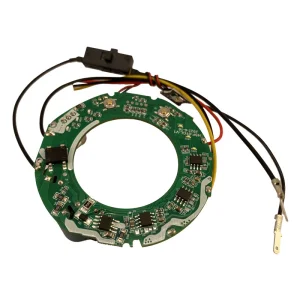
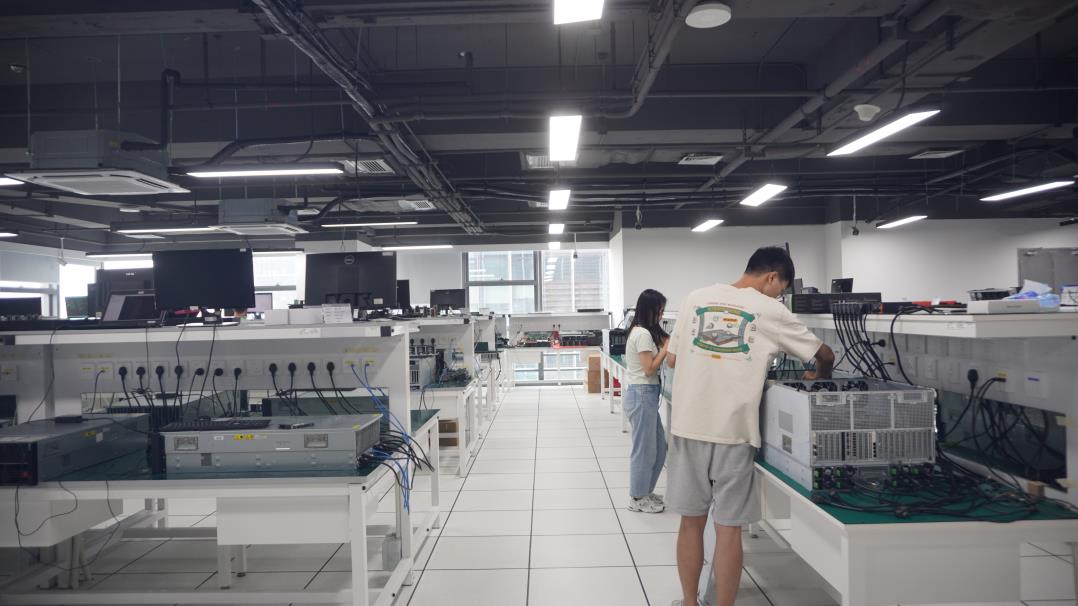
Our automated surface-mount technology (SMT) lines process complex, high-layer PCBAs rapidly. Optical inspection machines (AOI) confirm solder paste alignment to prevent thermal delamination.
Our fast prototyping service provides functional, thermal-rated samples in a short timeframe, allowing global procurement managers to validate designs before committing to volume manufacturing.
The primary limit is Interface Thermal Resistance (TIM). Heat transfer between the silicon die and the cooling block encounters micro-gaps filled with air, which has low thermal conductivity (approximately 0.026 W/m·K). To address this, Corexis uses high-grade thermal pads and vapor-deposition metallization to minimize interface voids and maximize conductive efficiency.
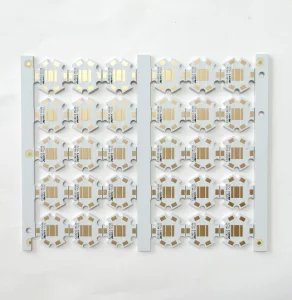
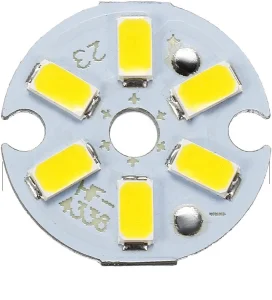
Aluminum PCBs (such as our T6 substrates) offer 10 to 50 times higher thermal conductivity than standard FR-4 board configurations. High-power LEDs and motor drivers benefit from these metal substrates, which transfer heat away from critical components, lower operational temperatures, and reduce mechanical strain on solder joints.
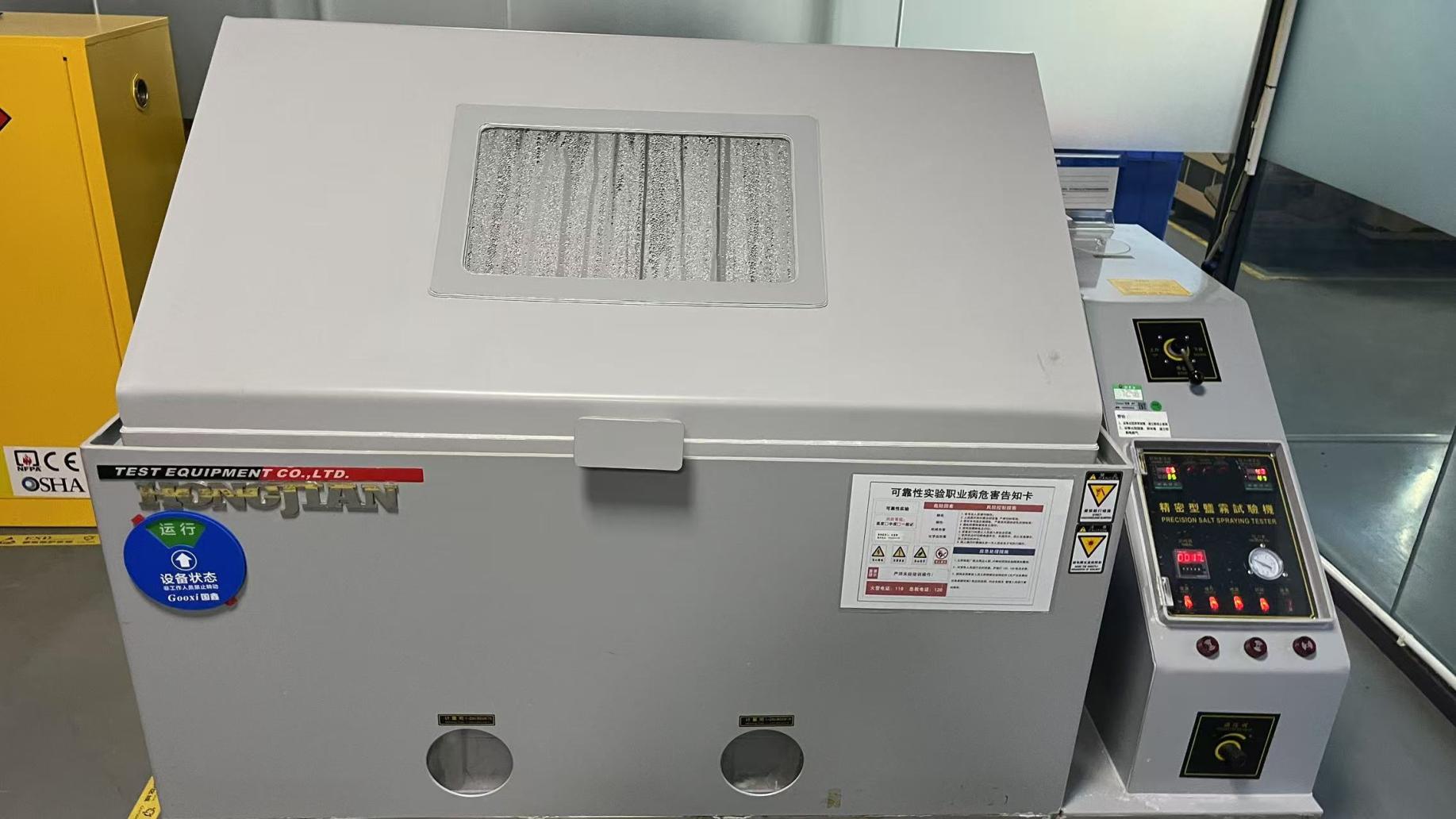
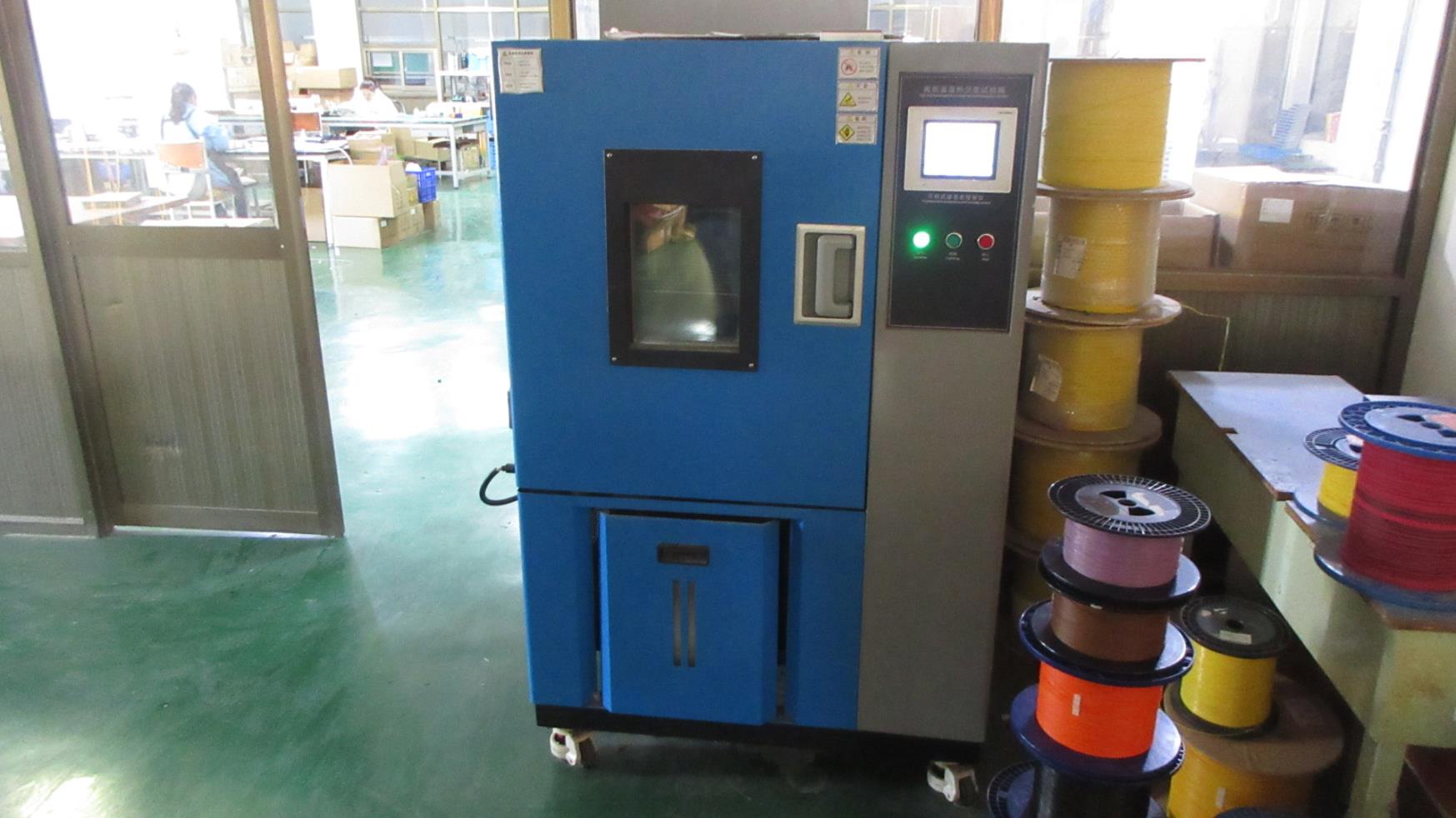
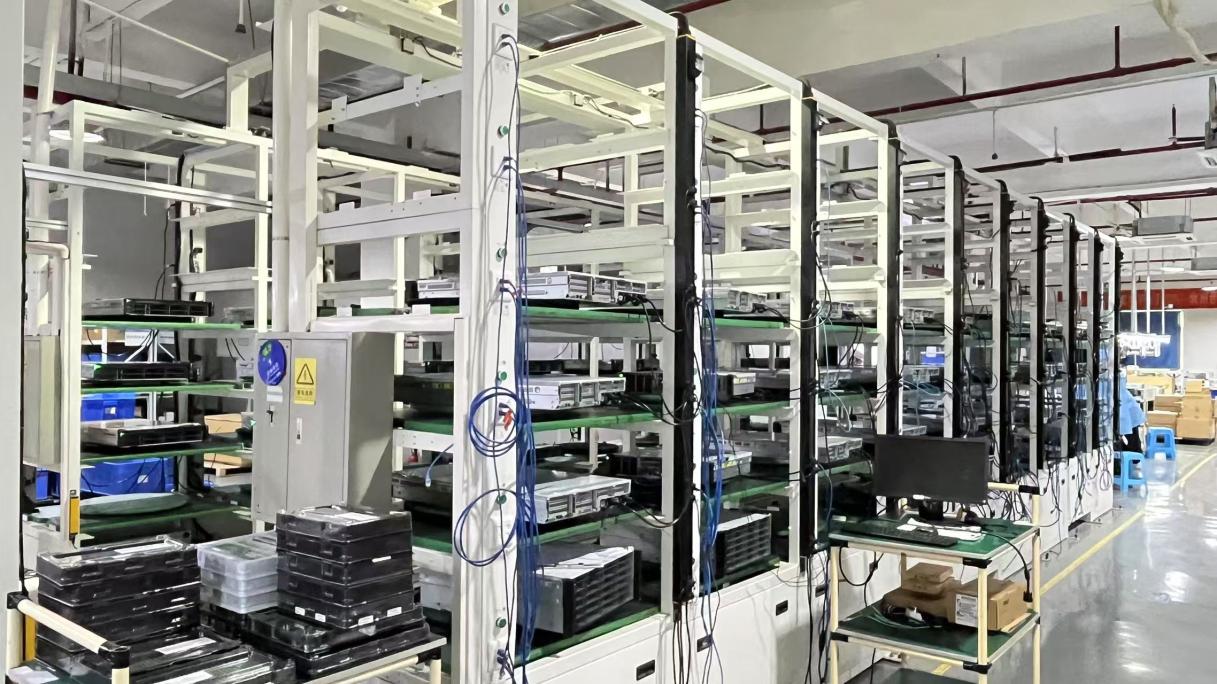
Each product batch undergoes IQC, IPQC, FQC, and OQA. We perform thermal cycle chamber testing (ranging from -40°C to 125°C), high-humidity storage tests, and full x-ray inspections of SMT joints to detect solder voids that could impair heat transfer or lead to premature failure under stress.
Our integrated manufacturing services cover memory module packaging, custom control circuitry, and active cooling assemblies. Discover more configurations below:
 Corexis Memory