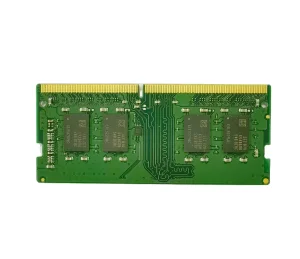
Top 10 Single-Sided Circuit Boards Manufacturers & Exporter

Global Sourcing Guide, Industrial Technology Roadmap, and Certified Supply Chain Standards for High-Reliability Assemblies

Industrial Whitepaper: Single-Sided PCBs in the Era of High-Frequency Computing

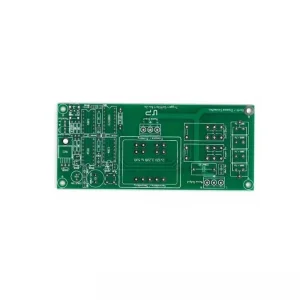
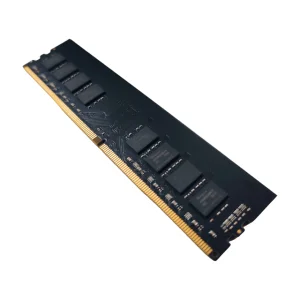
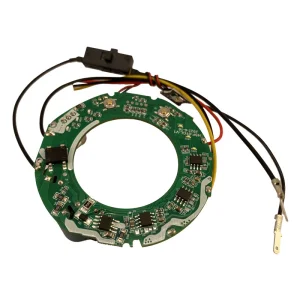
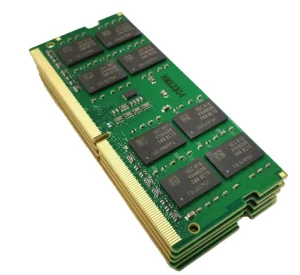
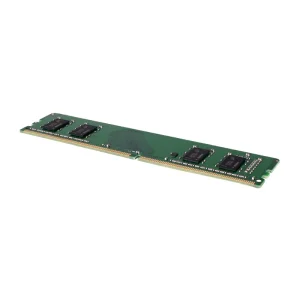
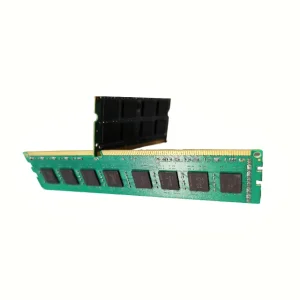
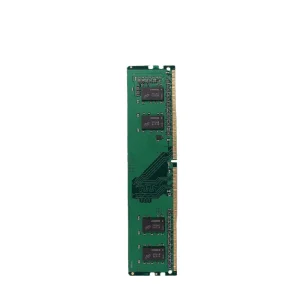
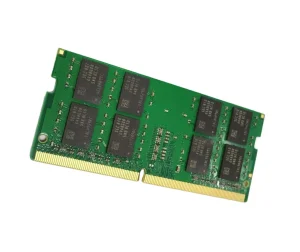
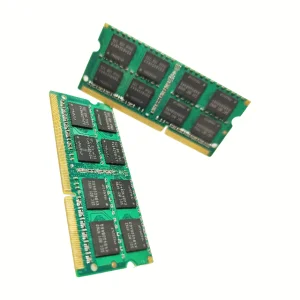
In the rapidly changing global electronics ecosystem, the choice of substrate stands as one of the most critical decisions for hardware engineers and procurement executives. Single-sided printed circuit boards (PCBs)—though representing the foundational technology of early electronic circuitry—remain a multi-billion-dollar cornerstone of modern hardware architecture. From high-power LED systems and automotive subsystems to control interfaces and advanced memory module substrates (such as DDR3, DDR4, and DDR5 baseboards), single-sided layouts offer a balanced performance profile characterized by outstanding thermal dissipation, structural simplicity, and superior cost-to-performance efficiency.
This industrial whitepaper dives deep into the technology of single-sided circuit boards, evaluates the primary manufacturers and exporters globally, and establishes a clear technical benchmark based on the capabilities of leaders like Corexis Memory Technology Co., Ltd. By analyzing material science, manufacturing tolerances, global compliance, and quality control systems, this guide provides engineering and procurement divisions with the semantic and structural information gain required to execute risk-mitigated sourcing decisions.
21,800㎡
Modern Production Facility
128
R&D Engineers On-Site
56
Quality Control Specialists
1,120+
Supply Chain Partners

The Engineering & Chemistry of Single-Sided Substrates

A single-sided circuit board comprises a single dielectric substrate layer laminated with a conductive copper clad (typically electrolytic or rolled-annealed copper foil) on one side, protected by a solder mask and finalized with a surface finish. While the architecture seems basic, the chemical and physical characteristics of the base material dictate the thermal behavior and lifecycle reliability of the final assembly.
Key Substrate Materials & Thermal Properties
Selecting the correct substrate material is paramount. Let's explore the key properties of the materials commonly utilized in high-reliability single-sided PCB manufacturing:

FR-4 (Flame Retardant 4)

A woven fiberglass fabric impregnated with an epoxy resin binder. Known for its high mechanical strength, excellent dielectric properties, and stable performance at operating temperatures up to 130°C–180°C. FR-4 remains the default choice for high-speed signals and memory module motherboards (such as laptop and desktop DDR4/DDR5 systems).

Metal-Core / Aluminum Substrates (MCPCB)

Featuring a thin, thermally conductive, but electrically isolating dielectric layer sandwiched between a copper foil and a thick aluminum backing (typically 5052 or 6061 alloy). This structure delivers exceptional heat transfer rates (thermal conductivity ranges from 1.0 W/mK to 9.0 W/mK), crucial for solid-state LED systems and high-current power distribution blocks.

CEM-1 and CEM-3

Composite Epoxy Materials combining cellulose paper core with woven glass surfaces. CEM-1 offers an economical alternative for low-complexity, cost-sensitive consumer appliances, while CEM-3 exhibits excellent punching properties and is widely applied in modern power modules and general household electronic controls.

Material Type Thermal Conductivity (W/m·K) Dielectric Constant (Dk @ 1GHz) Glass Transition Temp (Tg °C) Primary Industrial Use Case
Standard FR-4 0.25 – 0.35 4.2 – 4.8 130 – 140 Consumer devices, Control cards, Low-frequency electronics
High-Tg FR-4 0.35 – 0.45 4.1 – 4.5 170 – 180 DDR5 Memory, Server Motherboards, Automotive controllers
CEM-1 0.15 – 0.20 4.5 – 5.0 110 – 120 Power adapters, Toys, Basic home automation
Aluminum MCPCB 1.5 – 4.0 N/A (Metal Core) 130 – 150 High-brightness LED modules, Power supplies, Automotive lighting

Global Procurement Demands & Strategic Sourcing Trends

In the current macroeconomic climate, global sourcing directors look beyond unit costs. Supply chain resilience, vendor geographic localization, strict regulatory adherence, and technical versatility are now the primary factors determining vendor selection.

1. Total Cost of Ownership (TCO)

While single-sided boards are inherently cost-effective, shipping costs, assembly defects, and testing failures can elevate the final TCO. Procurement models are shifting toward "integrated sourcing" — purchasing PCBs that are pre-assembled (PCBA) using surface mount technology (SMT) under one roof to minimize manufacturing handoffs.

2. Rapid Prototyping & Agility

With product life cycles decreasing, system integrators demand vendors that release multiple new iterations annually. Exporters with independent R&D engineering divisions (such as Corexis's team of 128 engineers) can review Gerber files, adjust panelization, and transition prototypes to volume manufacturing within days.

3. Environmental & Compliance Standards

Regulatory frameworks such as RoHS (Restriction of Hazardous Substances) and REACH dictate that chemical composition is verified down to the parts-per-million level. Reliable exporters must offer lead-free options, such as halogen-free laminates and lead-free HASL (Hot Air Solder Leveling) or ENIG (Electroless Nickel Immersion Gold) surface finishes.
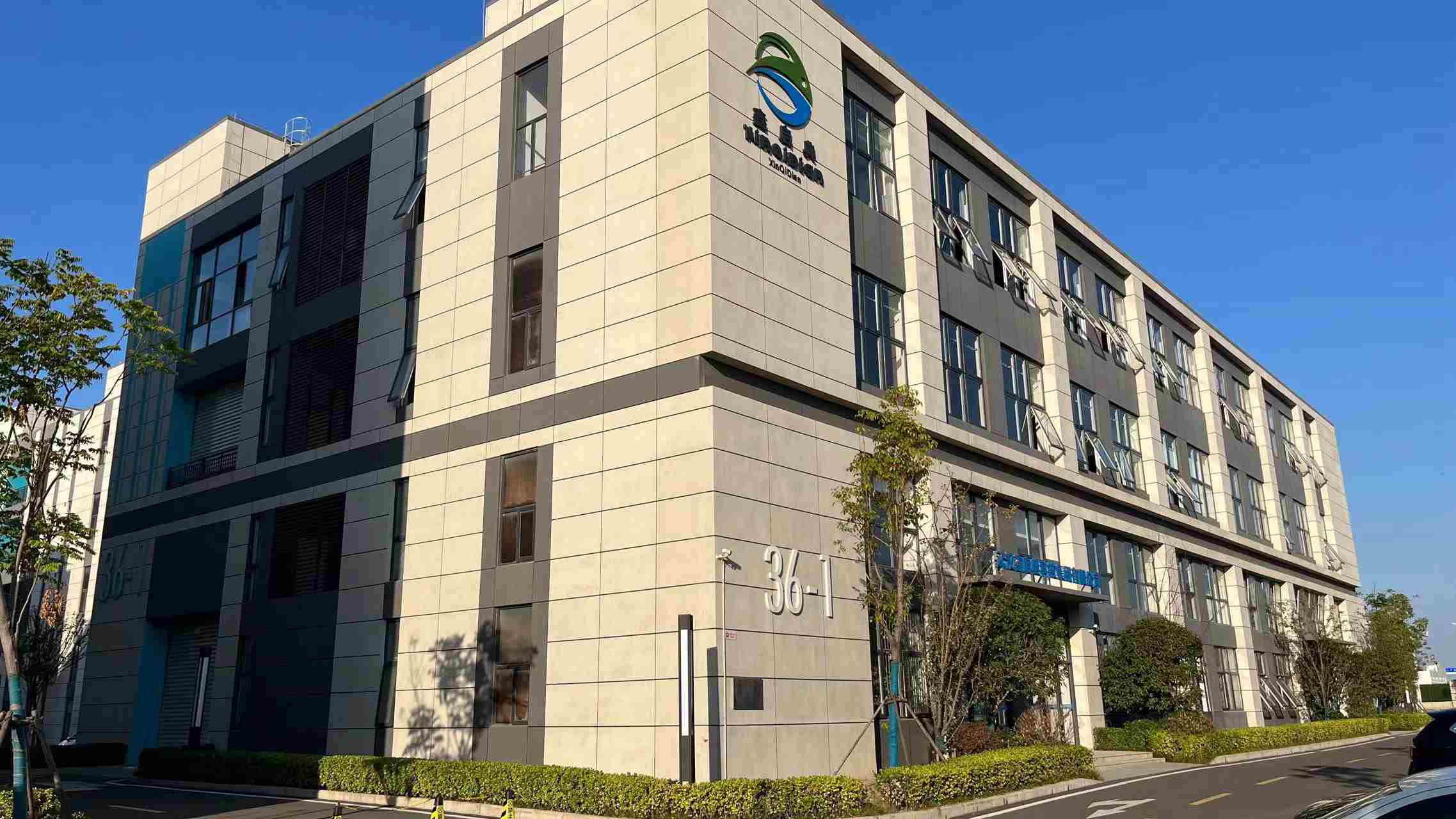
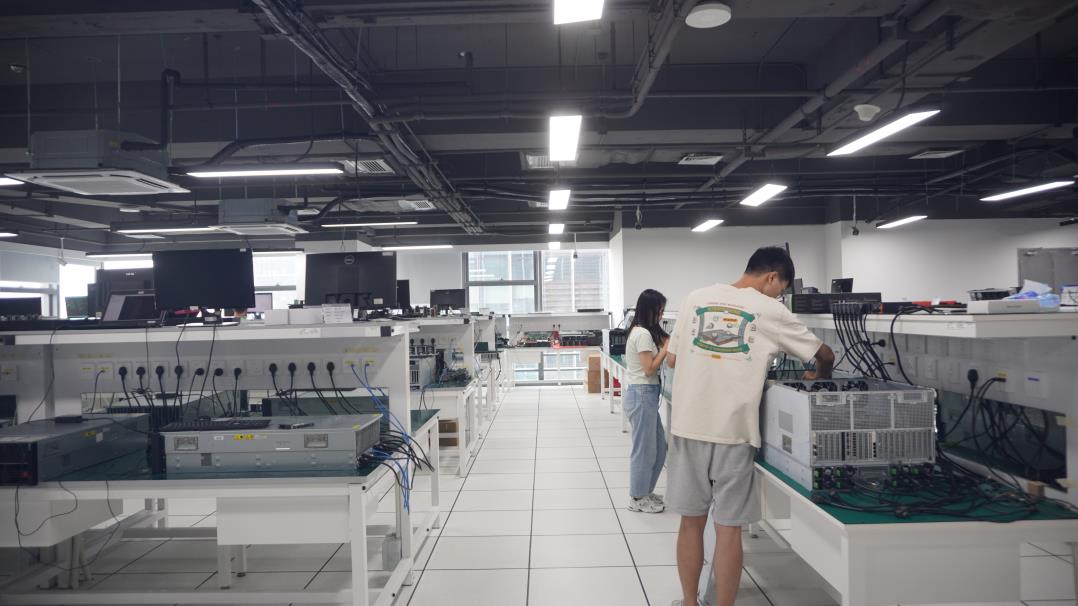
Corexis Memory Technology Co., Ltd.: Certified Global Exporter

Established in 2016, Corexis Memory Technology Co., Ltd. has developed into a leading high-performance memory manufacturer and SMT fabrication specialist. Over the past decade, Corexis has successfully merged complex circuit board assembly with high-precision DRAM engineering. This integration provides OEM, ODM, and system integration clients with top-tier hardware reliability.
Advanced Manufacturing Facility & Scalability
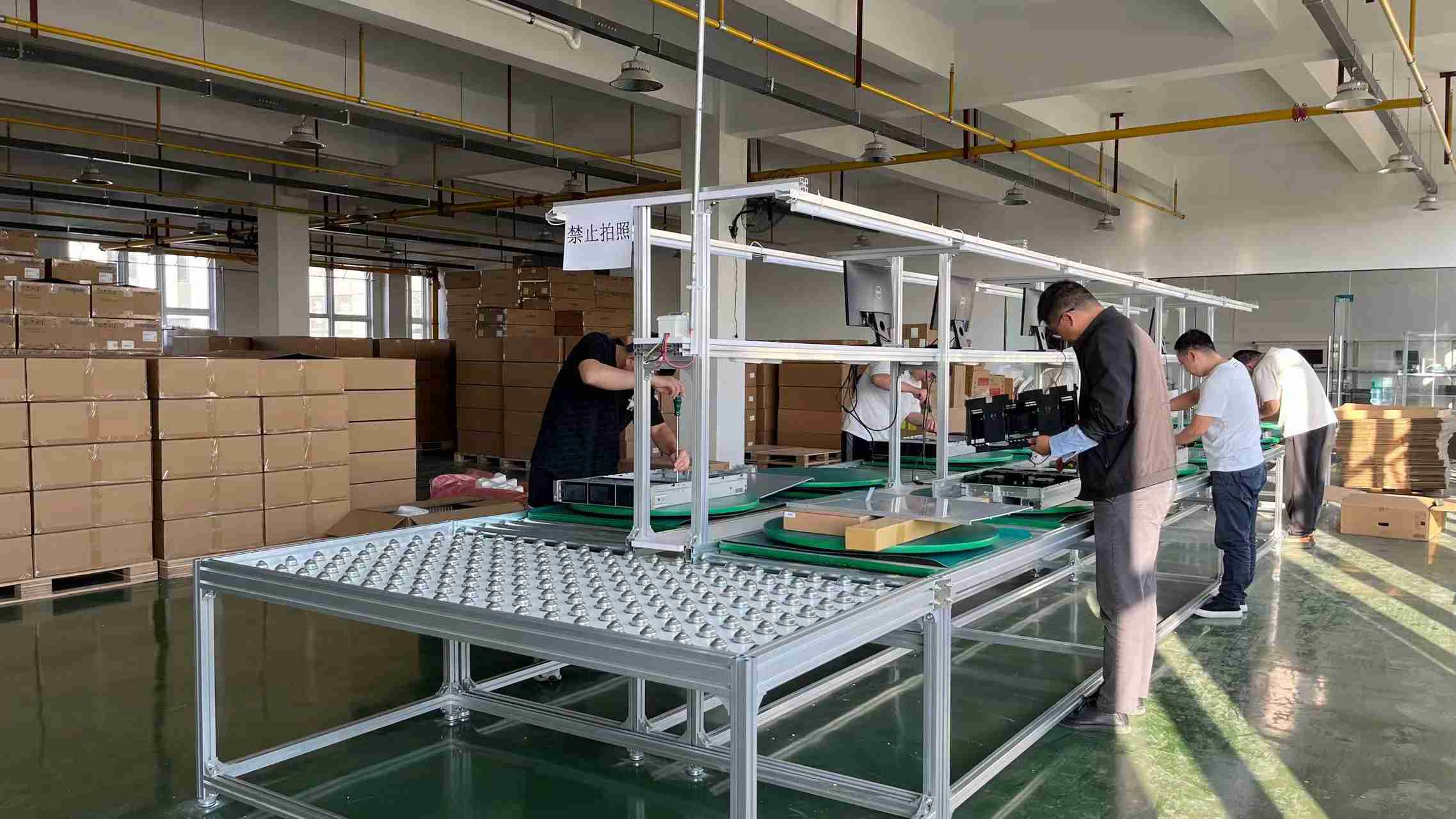
Operating out of a modern 21,800 m² manufacturing facility, Corexis integrates design, raw materials inspection, surface mount technology (SMT) lines, testing, packaging, and shipping. This end-to-end integration maintains product quality and supports an annual export revenue of USD 26,800,000 across main markets in North America, Europe, Southeast Asia, South America, and the Middle East.
Rigorous 5-Step Quality Assurance System
With 56 dedicated quality control personnel, Corexis executes a 100% full inspection strategy. The facility employs structural testing methodologies throughout the assembly cycle:
  • Incoming Quality Control (IQC): Testing of all incoming silicon, PCB substrates, solder pastes, and heat sinks.
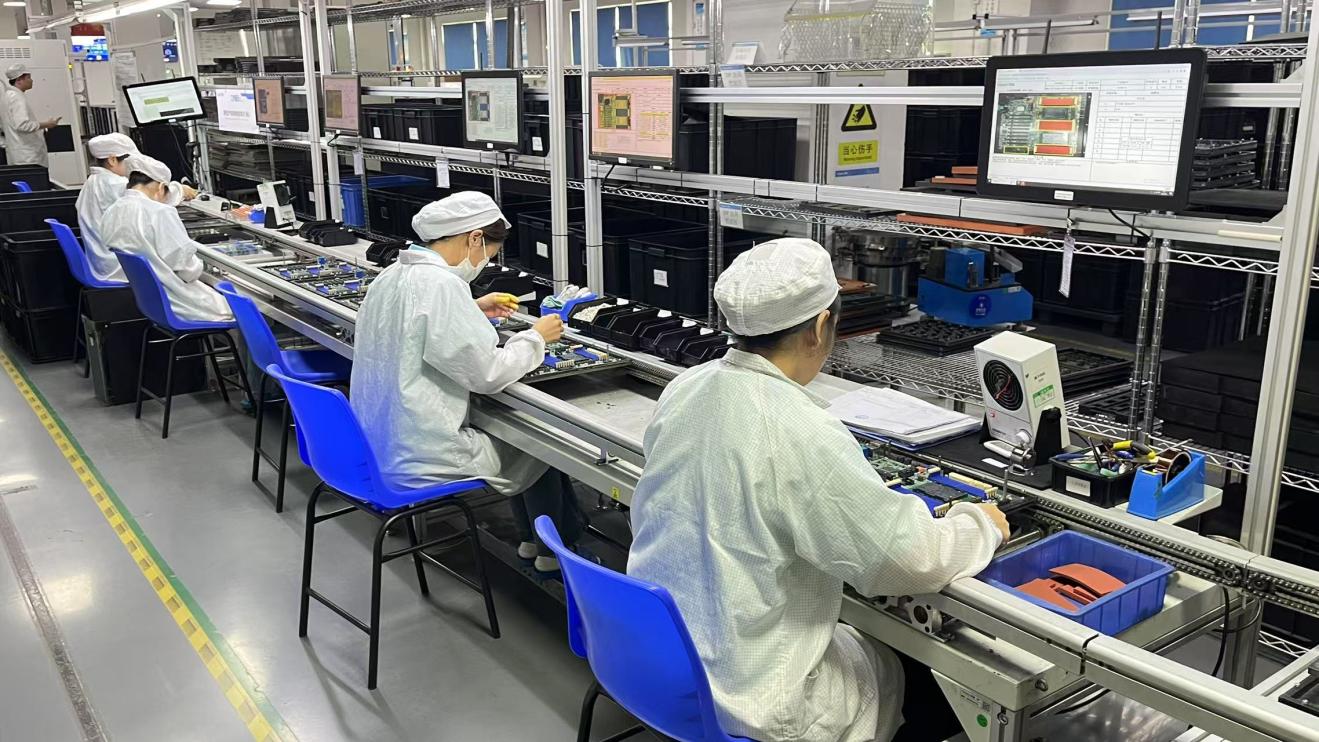
  • In-Process Quality Control (IPQC): Auto-optical inspection (AOI) post-SMT reflow ovens to check for bridges, voids, and component misalignment.
  • Final Quality Control (FQC): Comprehensive physical, dimensional, and initial functional testing of completed assemblies.
  • Outgoing Quality Assurance (OQA): Final sample checks, packaging integrity verification, and moisture-barrier bag inspection.
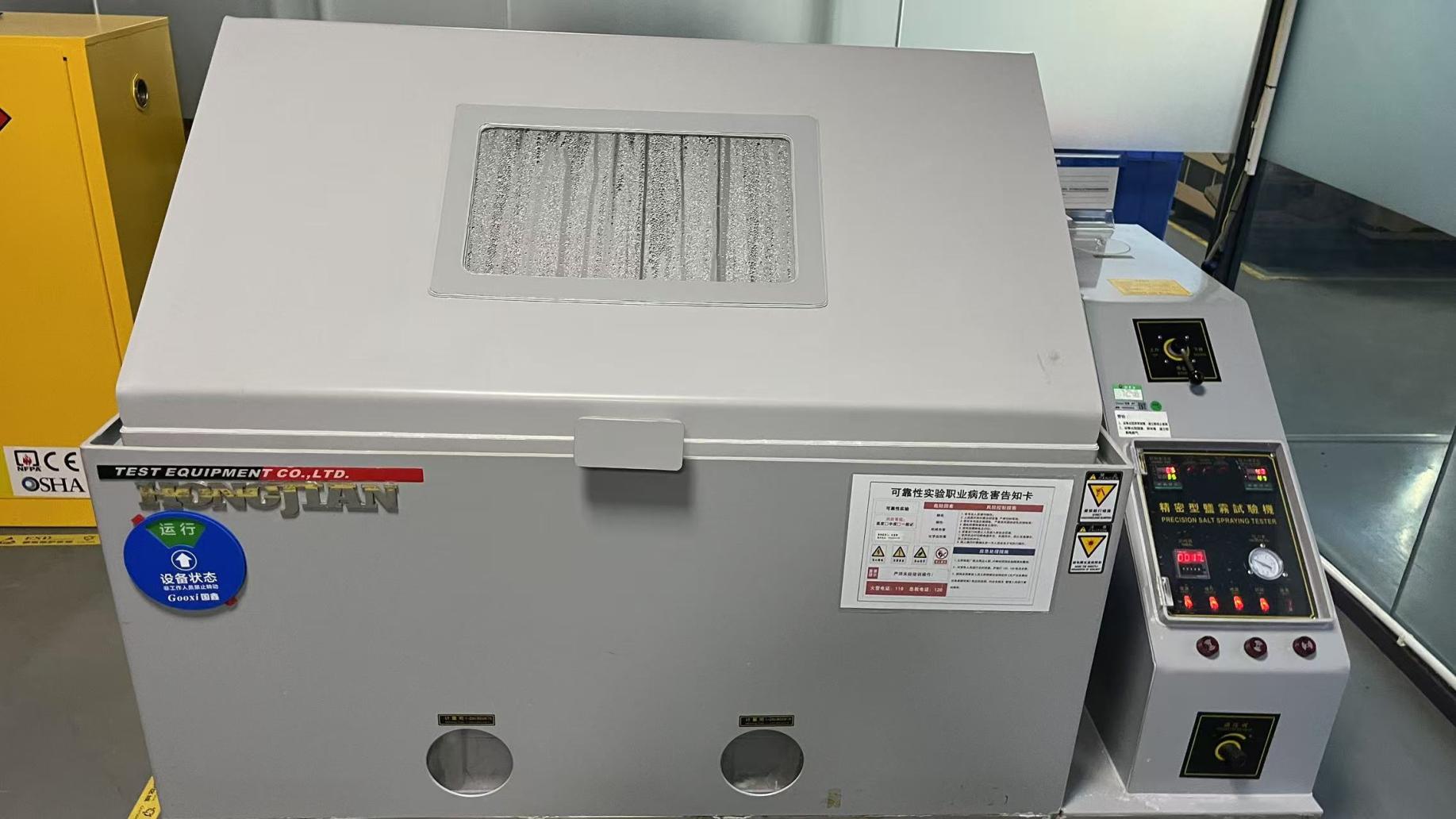
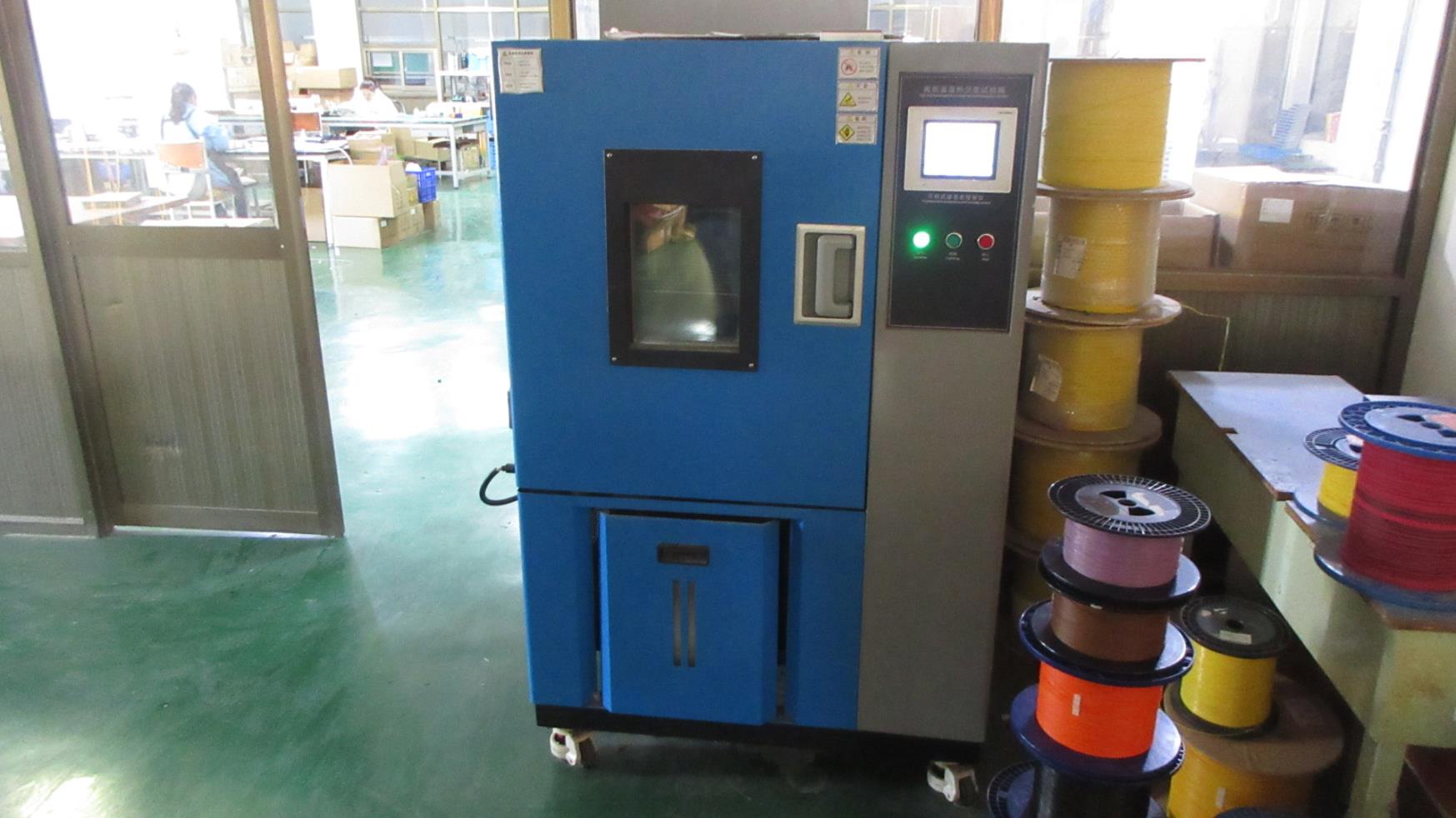
  • Reliability & Compatibility Testing: High/low temperature chamber testing, mechanical vibration stress tests, and system-level software compatibility profiling.

Macro Industry Solutions: SMT Assembly & System Integration

Modern electronic sourcing requires a unified approach. Standard PCBs are useless without high-precision component placement. Corexis solves this bottleneck by providing fully integrated, turn-key PCBA (Printed Circuit Board Assembly) and manufacturing services.

High-Speed SMT & Component Placement

Utilizing state-of-the-art Japanese and German placement heads, our lines place surface mount components down to 0201 packages with micron-level accuracy. We optimize solder paste volume using laser-cut stencils, minimizing the risk of solder bridging on fine-pitch components.

OEM/ODM Customization Capabilities

Whether it is custom logo printing, private labeling, modified heat sink geometries, or custom PCB layout routing, our design division coordinates directly with your engineering department. With 86 new product designs released last year, we manage design variations efficiently.

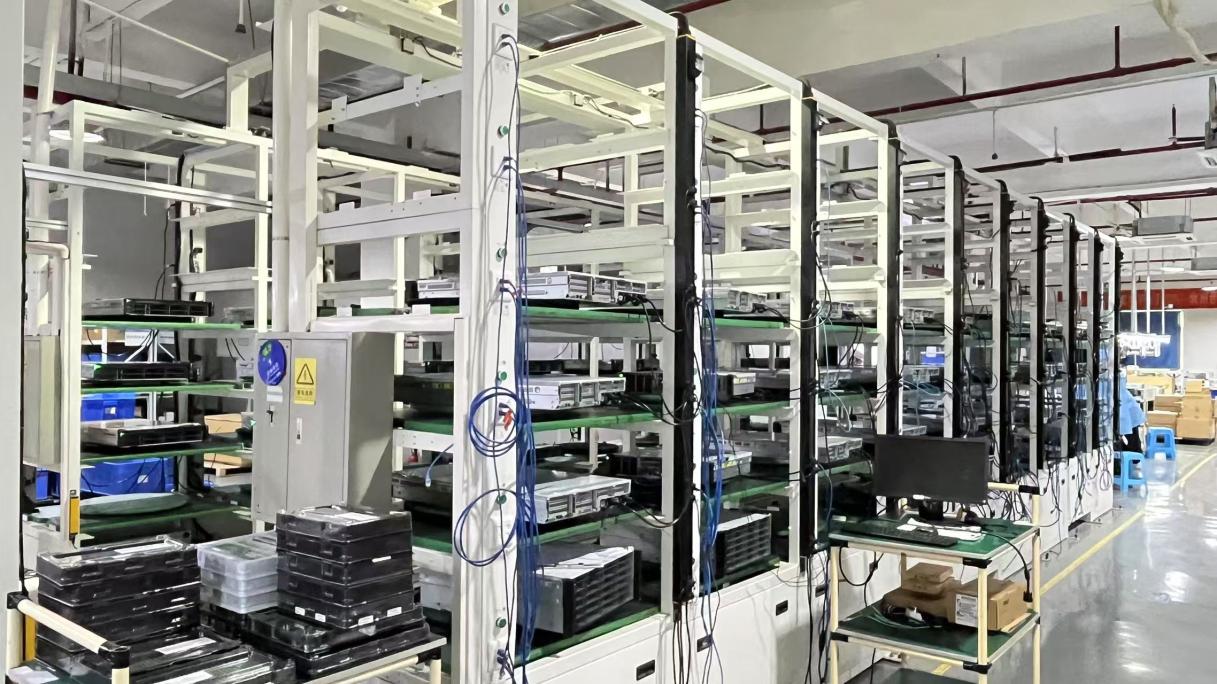
Advanced Testing Matrices

Every assembly is subjected to multi-point diagnostic checks. For high-speed DDR memory architectures, we use specialized test rigs to simulate real-world thermal cycles and signal stress conditions. This process ensures the product achieves near-zero field failure rates.

Technical Roadmap & Future Outlook

As technologies advance, the design rules for single-sided circuits are evolving. High-frequency signals, compact spaces, and environmental regulations drive several key technical trends:
1. Transition to Halogen-Free & High-Tg Substrates
Lead-free assembly requires higher reflow soldering temperatures (peaking at 250°C–260°C). Standard FR-4 substrates can suffer from resin recession, delamination, or warpage under these conditions. The market is shifting toward High-Tg (Glass Transition Temperature > 170°C) substrates that retain structural integrity during automated reflow.
2. Metal-Core PCB Optimization for High-Density Thermal Management
High-power LED systems and server cooling modules demand efficient heat paths. The development of thin, high-thermal-conductivity dielectric layers allows manufacturers to build single-sided aluminum boards with low thermal resistance. This design ensures that high-power components remain within safe operating temperatures.
3. Growth of Single-Sided Flexible Printed Circuits (FPC)
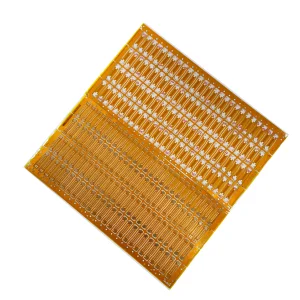
In applications where space and weight are critical, such as smart wearable devices and automotive sensory suites, single-sided Flexible Printed Circuits (using Polyimide base materials) are replacing rigid wiring harnesses. These flex circuits offer reliable structural flexibility and stable dynamic connection pathways.

Global Procurement Checklist: Selecting Top Exporters

Verify that your chosen PCB and assembly manufacturer meets these crucial technical parameters before finalizing long-term supply agreements.

Traceability

Ensure the manufacturer traces each component back to the silicon wafer source to eliminate counterfeit risks.

Equipment Metrics

Check that SMT machines can place fine-pitch IC packages and pass 100% automated optical inspections.

Certifications

Confirm the factory holds valid ISO 9001 and UL approvals, and conforms to RoHS and REACH directives.

Logistics

Review the manufacturer's shipping experience to guarantee packaging integrity and on-time international delivery.

Technical Q&A: Understanding Substrates, SMT, and Sourcing

Q1: What are the primary advantages of selecting a single-sided aluminum PCB over a standard FR-4 board?

A: Single-sided aluminum-core PCBs (MCPCBs) offer superior thermal dissipation. The metal base quickly transfers heat away from critical components, making it ideal for high-brightness LEDs, power conversion stages, and motor controllers. Standard FR-4 has a much lower thermal conductivity (0.25 W/mK compared to 1.5–4.0 W/mK for aluminum), which can lead to thermal bottlenecks in high-power applications.

Q2: How does Corexis guarantee the quality and performance of its high-speed memory modules?

A: Corexis employs a 100% full-inspection system. This includes Incoming Quality Control (IQC) on all DRAM chips, In-Process Quality Control (IPQC) with automated optical inspection (AOI) after SMT, and final reliability/compatibility testing. This strict process ensures our memory modules maintain stable performance in demanding desktop, laptop, and server environments.

Q3: Why are Surface Finishes like ENIG or OSP preferred over standard HASL for fine-pitch SMT assembly?

A: Electroless Nickel Immersion Gold (ENIG) and Organic Solderability Preservative (OSP) provide a flat, planar surface. This is essential for placing fine-pitch surface mount components and micro-BGAs. Standard HASL (Hot Air Solder Leveling) can result in uneven solder pads, which increases the risk of component misalignment and solder bridging during reflow.

Q4: What is the typical lead time for custom OEM/ODM PCB assemblies?

A: Prototyping lead times range from 3 to 7 working days, depending on design complexity. For volume production, lead times typically range from 15 to 25 working days. Lead times are influenced by material availability, custom tooling requirements, and the scale of the production run.

Q5: How does the glass transition temperature (Tg) affect PCB assembly and longevity?

A: Tg represents the temperature range at which the PCB substrate transitions from a rigid state to a softer, more flexible state. Choosing a High-Tg substrate (e.g., >170°C) prevents board warpage and delamination during high-temperature lead-free reflow processes. It also ensures long-term reliability in environments with elevated operating temperatures.

Q6: What steps are taken to ensure environmental compliance for global markets?

A: All manufacturing materials undergo testing to ensure compliance with RoHS and REACH regulations. This process verifies that heavy metals (such as lead, cadmium, and mercury) and flame retardants are kept below maximum allowable limits. This documentation is essential for smooth customs clearance and regulatory compliance in North American and European markets.