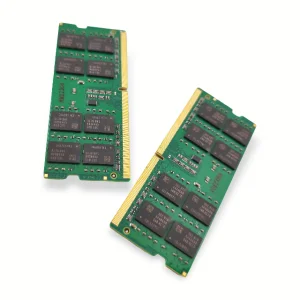
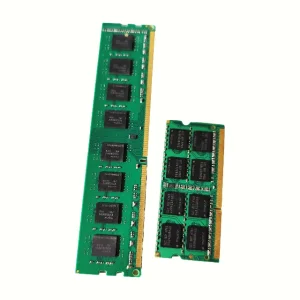
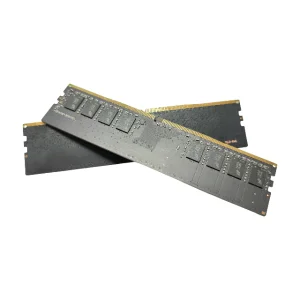
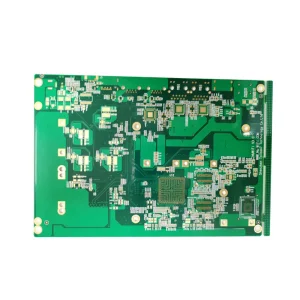
Explore our verified high-performance PCB and DRAM hardware lineup engineered for enterprise systems, industrial automation, and consumer electronics.
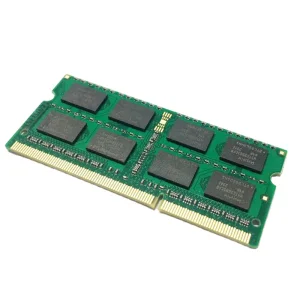
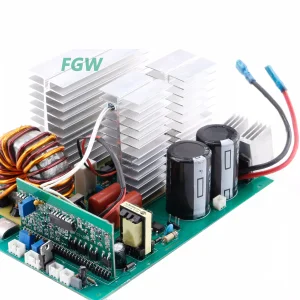
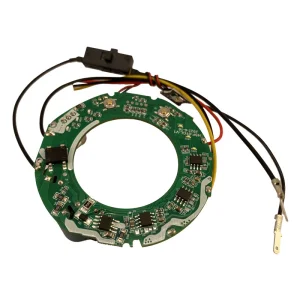
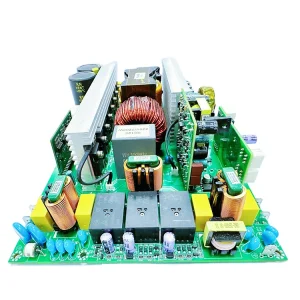
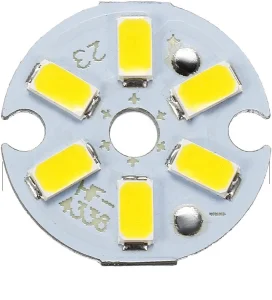
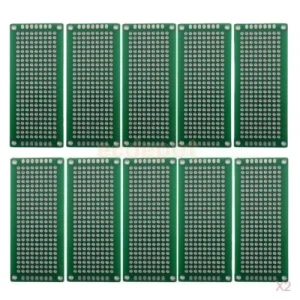
In the modern electronics ecosystem, the demand for high-performance multilayer printed circuit boards (PCBs) is accelerating. Driven by breakthroughs in high-speed digital communications, automotive electrification, and artificial intelligence, global buyers are searching for fabricators capable of meeting rigid IPC Class 3 standards. Procurement demands have transitioned from simple layer-count metrics to sophisticated material sciences, signal integrity guarantees, and supply chain resilience.
For global OEMs, system integrators, and design houses, choosing the right partner involves assessing raw material access (such as Shengyi, Rogers, and KB), laminating accuracy, impedance matching control, and high-frequency capabilities. The structural complexity of multilayer substrates (e.g., blind and buried vias, microvias, stack-up design) dictates the final efficiency of high-speed circuits, including DDR5 memory channels, photovoltaic inverters, and high-power welding control systems.
Managing transmission lines with controlled impedance, minimizing crosstalk, and optimizing insertion loss via advanced dielectric materials.
Deploying sequential lamination, laser micro-drilling, and copper-filled via-in-pad technologies for dense pitch packaging.
Applying high TG laminates, heavy copper pathways, and thermal coin interfaces to safely dissipate high-wattage heat loads.
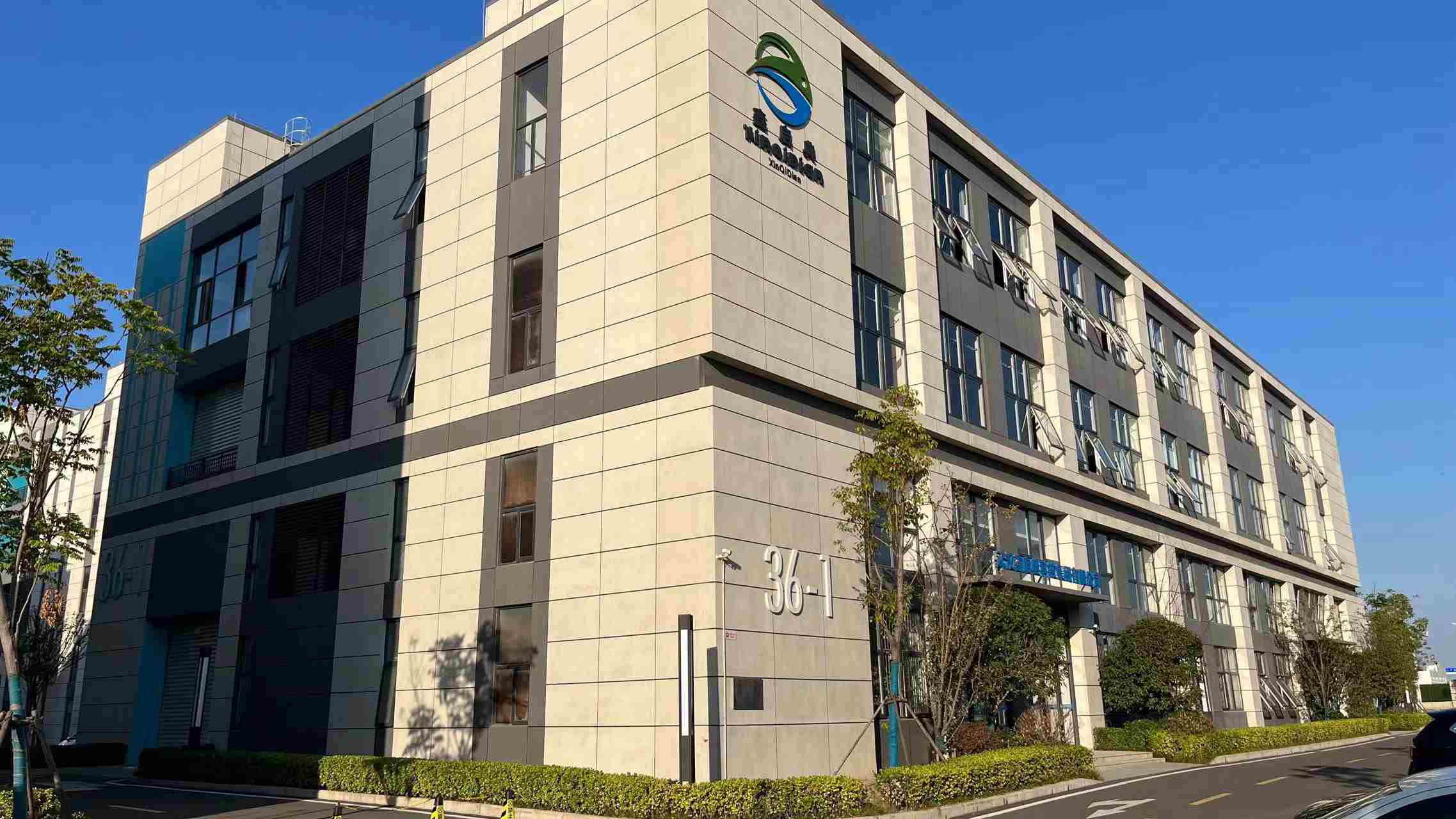
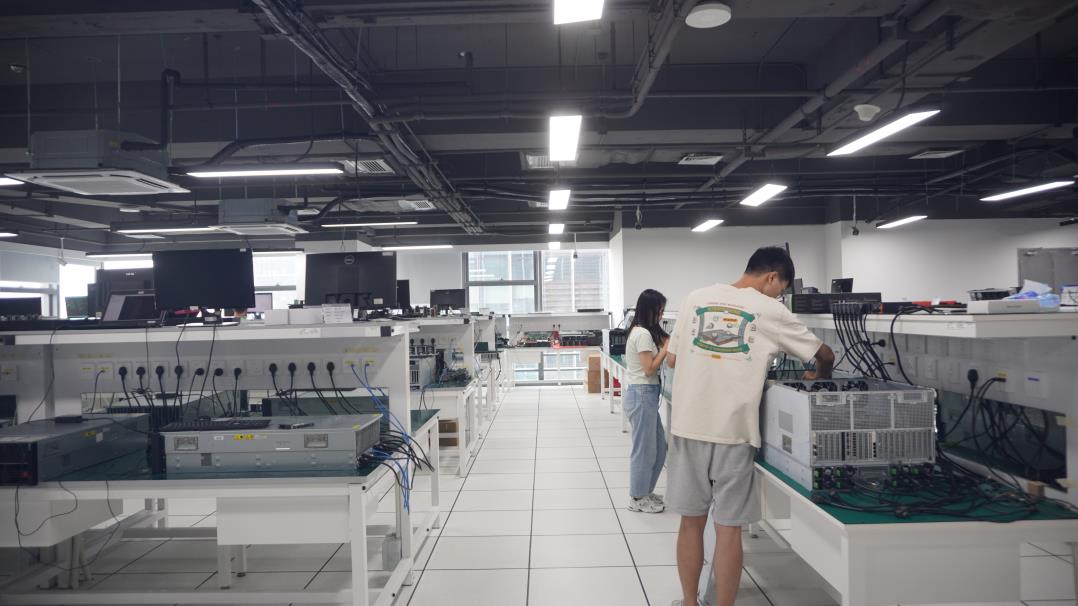
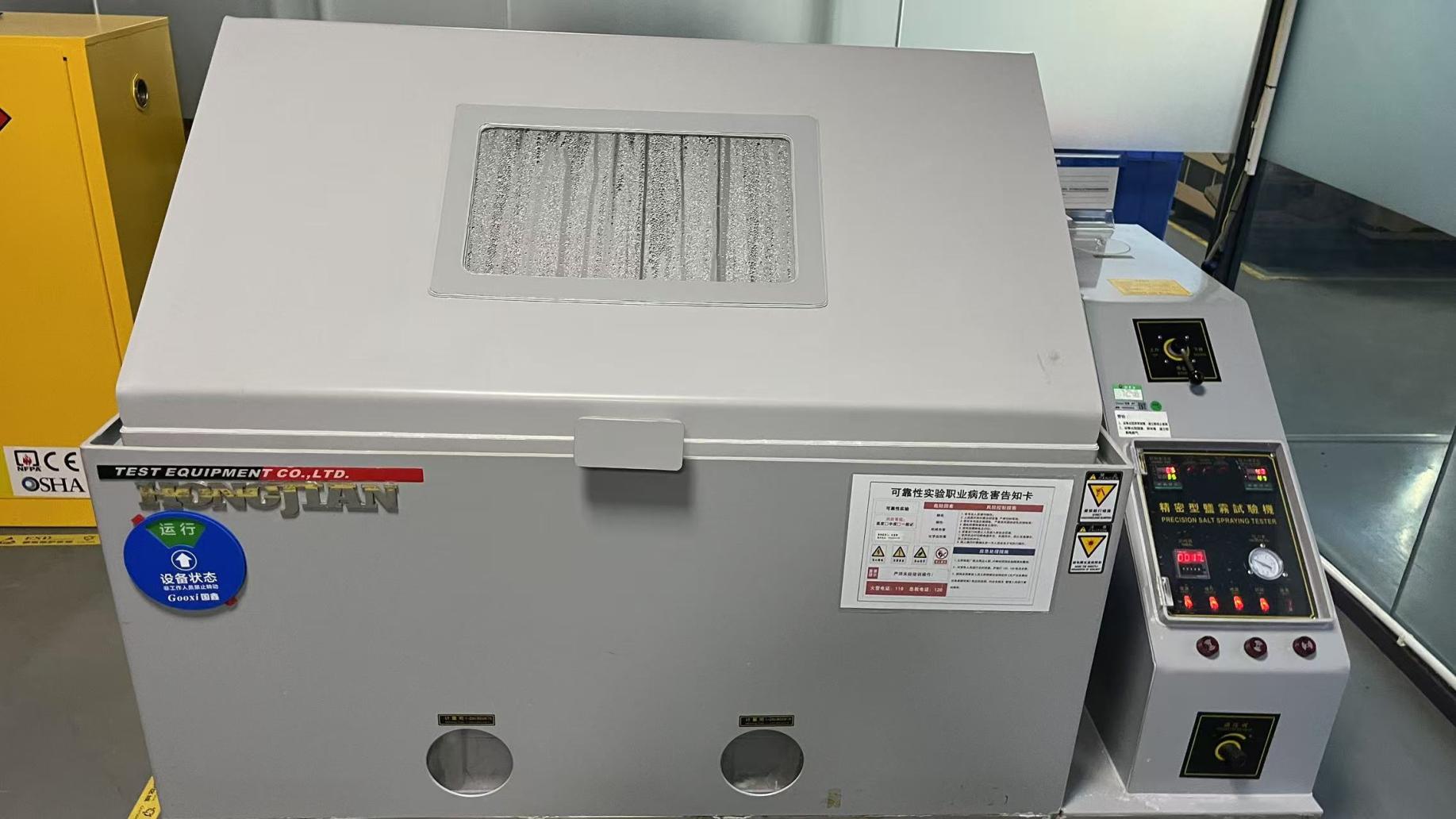
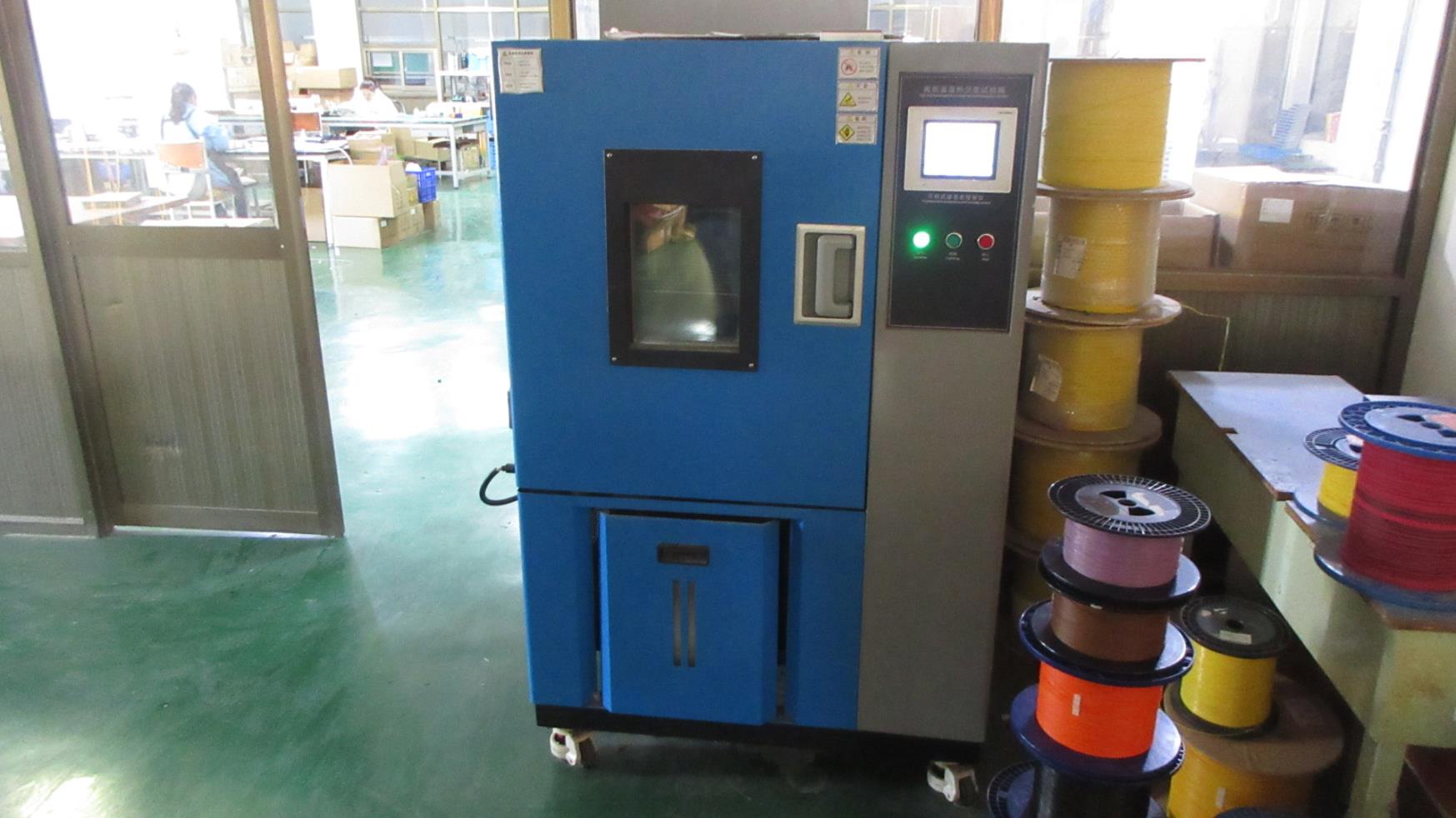
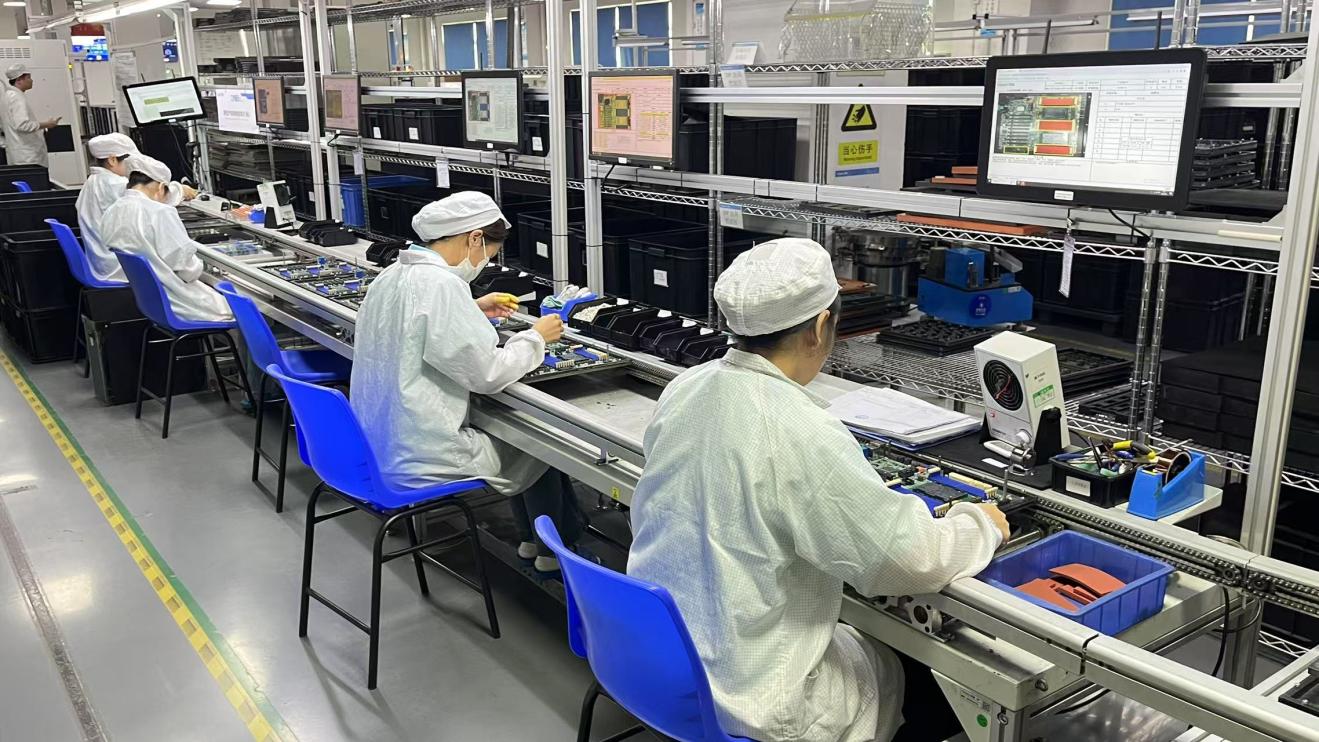
Established in 2016, Corexis Memory Technology Co., Ltd. has evolved into a premier DRAM hardware manufacturer and complex PCBA system integrator. Our operations span a modern 21,800 m² factory floor, where high-speed SMT lines, automated optical inspection (AOI), and environmental test chambers operate in cohesion. We design and deliver high-frequency, multi-layered memory modules and specialized carrier boards that form the foundation of today's server nodes, industrial computers, and power electronics.
| Strategic Capabilities | Operational Specifications & Quality Parameters |
|---|---|
| Quality Control Framework | 100% Full Inspection (IQC, IPQC, FQC, OQA, Reliability & Compatibility Testing) manned by 56 dedicated QA personnel. |
| Supply Chain Coverage | Over 1,120+ vetted global partners supplying high-grade silicon, raw copper-clad laminates, and packaging. |
| Product Innovation Cycle | 86 new high-speed memory and specialized PCBA configurations successfully introduced last year. |
| Advanced SMT Capability | Multi-axis pick-and-place lines running fine-pitch components down to 01005 package sizes on 8-12 layer PCB substrates. |
| Customization Scope | Full OEM/ODM engineering, from schematic capture, thermal simulation, customized heatsinks, to bespoke firmwares. |
As frequencies scale into the GHz domain, the choice of PCB substrate determines signal loss limits. Traditional FR4 substrates, like KB6160, serve as the backbone for general double-sided and standard 4-to-8 layer board designs, providing excellent mechanical integrity and cost-efficiency. However, high-speed RAM substrates and telecommunication base stations require advanced materials like Shengyi High-TG170 or Rogers 4000 series.
Mixed-pressure laminates combine the high mechanical stability of FR4 with the exceptional dielectric properties (low Dk and Df) of Rogers. This hybrid stack-up reduces manufacturing costs while allowing micro-strip lines and stripline routings to maintain phase consistency and avoid signal distortion. Below is the substrate material comparison table:
| Material Class | Dielectric Constant (Dk) | Dissipation Factor (Df) | Thermal Transition (Tg) | Primary Field Application |
|---|---|---|---|---|
| KB6160 FR4 | 4.2 - 4.8 | 0.015 - 0.020 | 130°C - 150°C | Standard industrial controls, consumer electronics, 4-layer PCBA layouts. |
| Shengyi High-TG170 | 4.1 - 4.4 | 0.010 - 0.013 | >170°C | Server motherboard DDR4/DDR5 routing, multi-layer high-density memory cards. |
| Rogers 4000 series | 3.38 - 3.55 | 0.002 - 0.003 | >280°C | RF designs, microwave modules, mixed-pressure high-frequency backplanes. |
Multilayer PCBs are not stand-alone elements; they are integrated into complex industrial systems. Different applications present distinct engineering challenges, demanding tailored PCB stack-ups, customized copper weights, and specialized assembly techniques.
Photovoltaic power converters demand thick copper boards (up to 4oz) to handle high-current thermal cycling while maintaining reliable isolation barriers between low-voltage controls and high-voltage power grids.
ZX7 welding machine control boards are subjected to extreme magnetic interference and environmental dust. Designers rely on 4-layer physical isolating layouts, conformal coatings, and low-ESR capacitors for continuous operation.
Modern brushless DC (BLDC) motor control requires miniature PCB assemblies capable of managing 100,000+ RPM switching speeds. These boards feature dense 6-layer structures with microvias for optimal size constraint compatibility.
Sourcing multilayer PCBs requires strict adherence to international safety and quality protocols. Global markets demand certificates like UL 94V-0 flammability ratings, RoHS compliance for lead-free operations, and IPC-A-600/IPC-A-610 Class 2 or 3 validation. Class 3 boards are critical for systems operating in harsh or critical environments, such as aerospace and medical applications, where continuous operation is mandatory.
Corexis ensures that every single batch of memory hardware and multi-layer PCBA meets these specifications. By keeping raw material sourcing local and establishing deep reserves of key passive components and DRAM chips, we insulate our global OEM/ODM buyers from localized supply disruptions and logistical bottlenecks.
Verify dimensions, speeds, and technical layers for our commercial-grade hardware kits and prototyping components below.
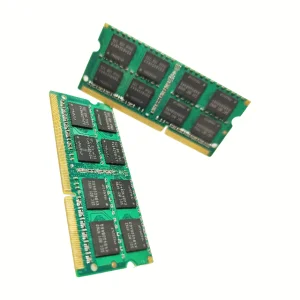
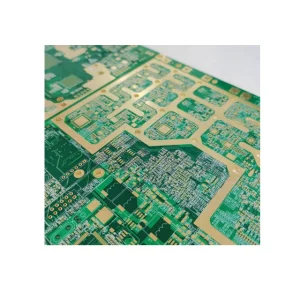
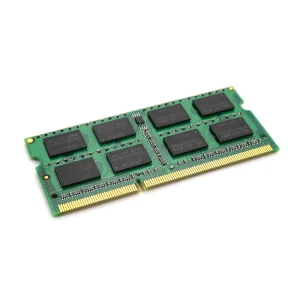
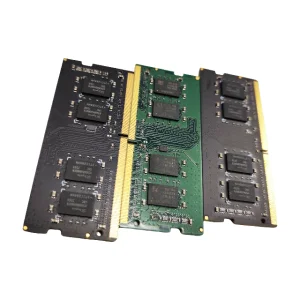
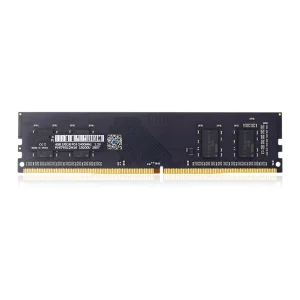
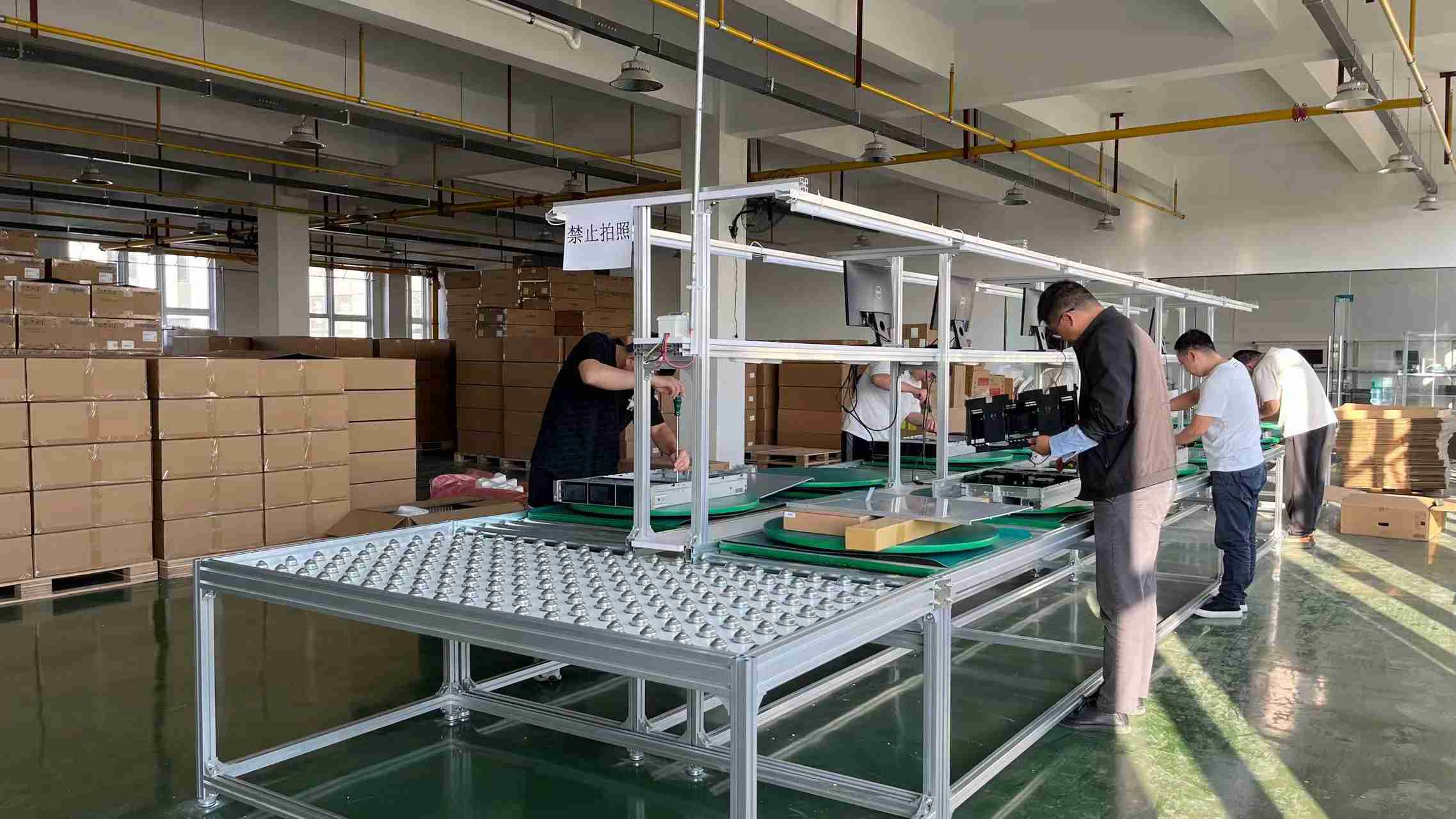
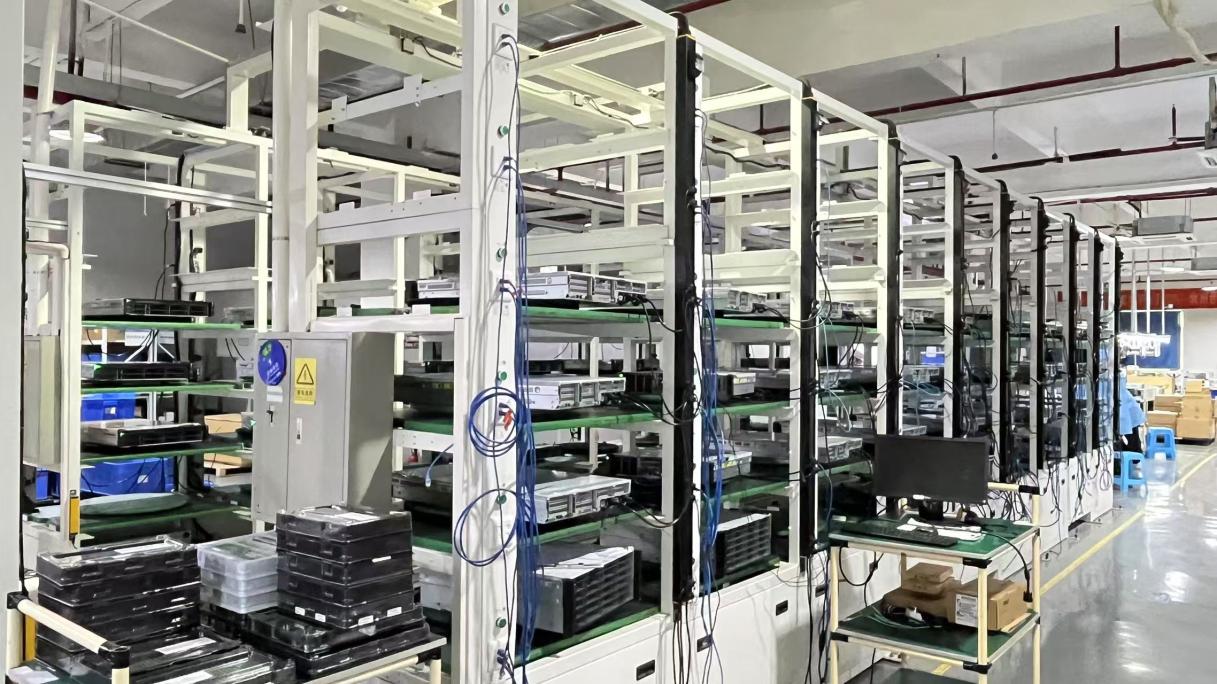
Step inside the cleanrooms and assembly areas of Corexis. Our facility leverages high-speed SMT assembly, automated testing setups, thermal profiling tunnels, and precise optical scanners to achieve near-zero defect manufacturing across all runs.
 Corexis Memory