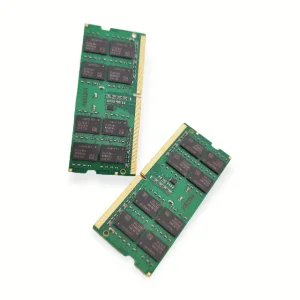
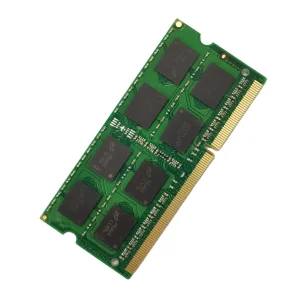
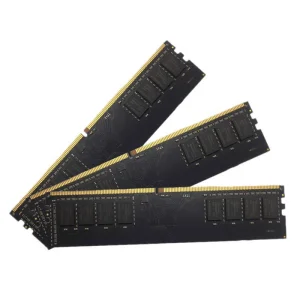
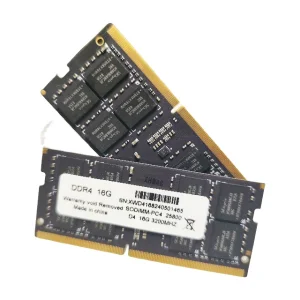
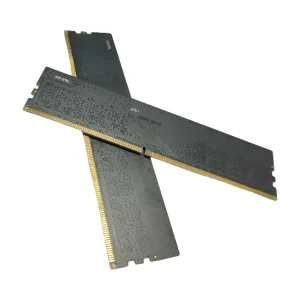
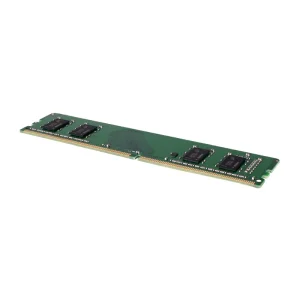
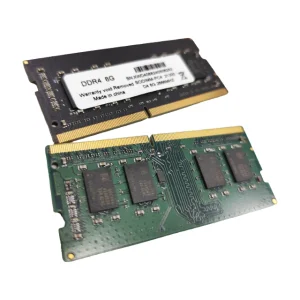
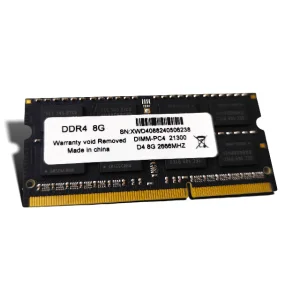
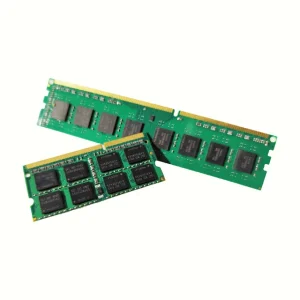
 Factory Wholesale High-performance ECC DDR4 1.2V PC4 RAM 8GB/16GB/32GB 3200MHz for Desktop/Laptop in Stock
Inquire Now
Factory Wholesale High-performance ECC DDR4 1.2V PC4 RAM 8GB/16GB/32GB 3200MHz for Desktop/Laptop in Stock
Inquire Now
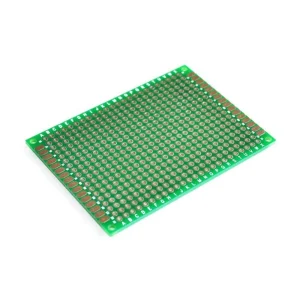 5*7cm Double Side pcb Prototype Breadboard Printed Circuit Board Tinned Universal other PCB Circuit Board
Inquire Now
5*7cm Double Side pcb Prototype Breadboard Printed Circuit Board Tinned Universal other PCB Circuit Board
Inquire Now
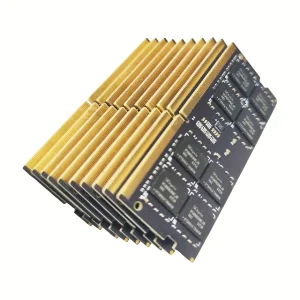 RAM DDR4 16GB 3200MHz Compatible with PC Computer Memory RAM 1600MHz 2666mHz 2400MHz 3200MHz
Inquire Now
RAM DDR4 16GB 3200MHz Compatible with PC Computer Memory RAM 1600MHz 2666mHz 2400MHz 3200MHz
Inquire Now
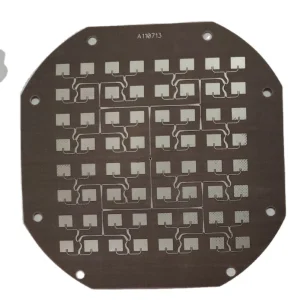 Aluminum substrate PCB circuit board aluminum TOP PCB high-frequency PCB Taconic TLY-5 thickness 0.254 millimeters
Inquire Now
Aluminum substrate PCB circuit board aluminum TOP PCB high-frequency PCB Taconic TLY-5 thickness 0.254 millimeters
Inquire Now
A comprehensive analysis of semiconductor-based optical purification technology, micro-electronics manufacturing scaling, and structural system configurations.
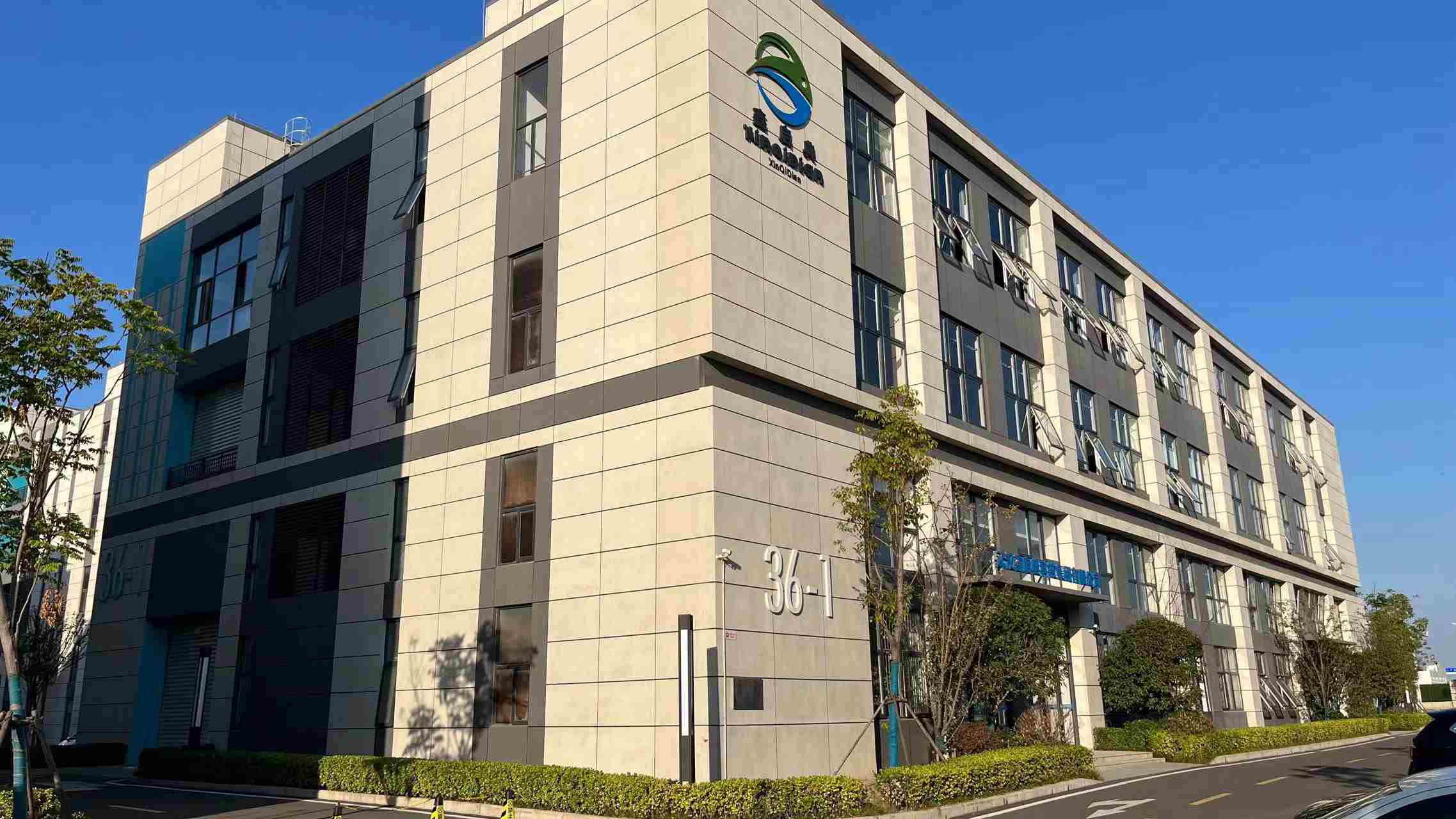
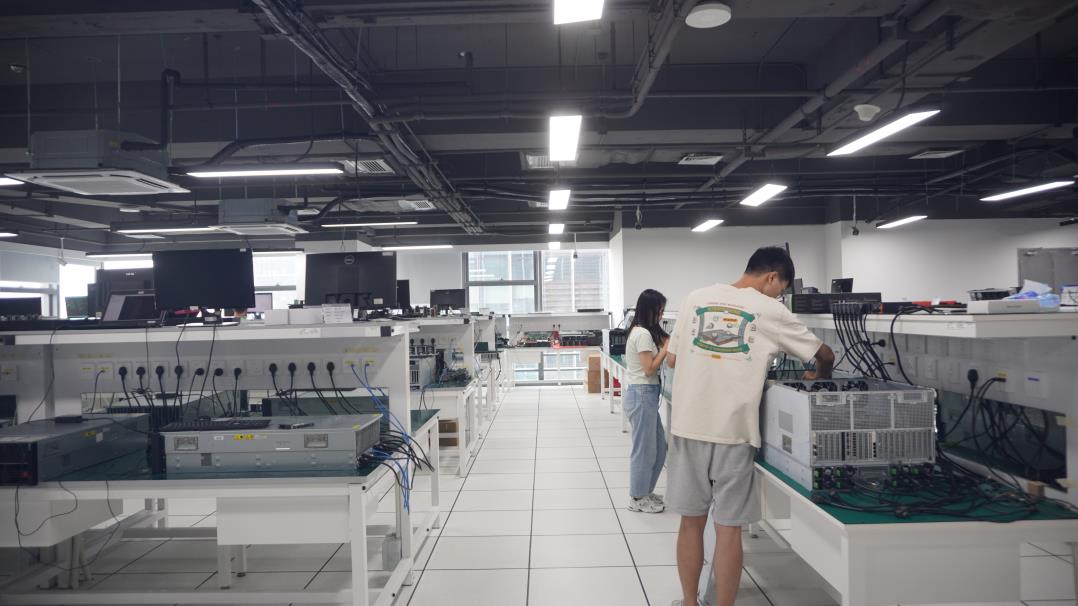
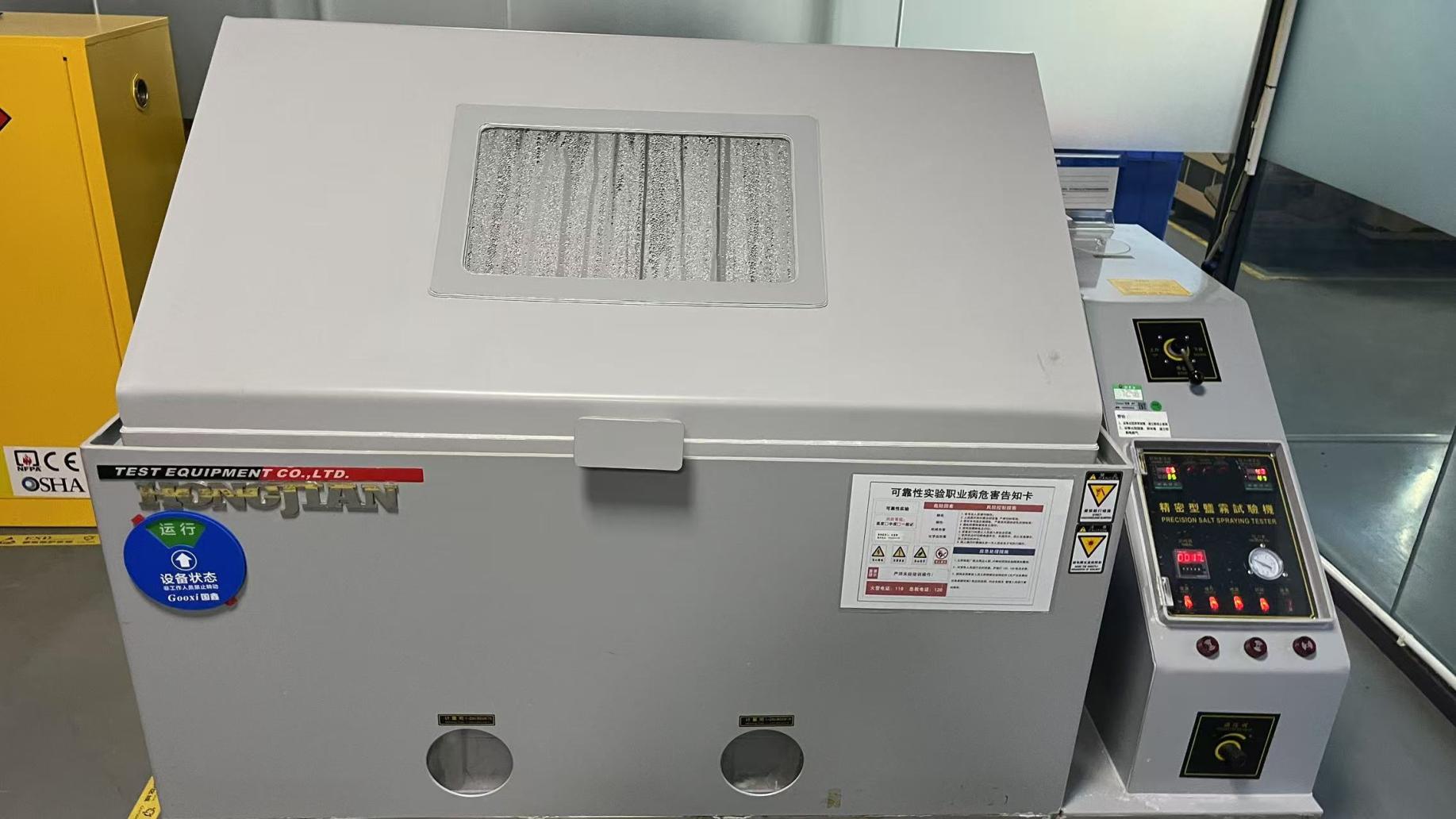
Established in 2016, Corexis Technology Co., Ltd. has developed from a high-speed memory module pioneer into an integrated supplier of advanced semiconductor sub-assemblies, including high-efficiency UVC LED systems and customized control hardware. Our expansive 21,800 m² modern facility features state-of-the-art SMT lines, automated optical inspection, and thermal-stress chambers designed to manufacture highly reliable electrical assemblies.
Leveraging our solid background in high-frequency substrate design (including multi-layer aluminum and copper PCBs) and complex DRAM signal integrity, we provide robust, industrially certified custom OEM/ODM solutions for optical systems requiring high heat dissipation, long-term stability, and precise wavelength control.
The global shift from traditional low-pressure mercury vapor lamps to solid-state ultraviolet (UVC) LED systems marks a critical evolutionary step in germicidal disinfection. Traditional mercury discharge lamps contain hazardous materials and require high-voltage start-ups and complex ballasts. Conversely, AlGaN (Aluminum Gallium Nitride) semiconductor technology offers high energy density, digital control flexibility, and a compact design.
UVC LEDs emit photons within the 100–280 nm spectrum. The optimal absorption band for DNA and RNA in pathogens lies between 260 nm and 270 nm, where pyrimidine dimers are formed. These dimers disrupt replication and transcription, neutralizing the microorganisms. Our custom OEM modules are engineered to focus on the 265 nm peak wavelength, delivering up to 30% higher germicidal efficiency than traditional 254 nm low-pressure mercury lamps.
One of the primary challenges with UVC LEDs is their lower Wall-Plug Efficiency (WPE), typically ranging from 3% to 6%. The remaining input power is converted into heat. If the junction temperature ($T_j$) exceeds limits (typically 80°C), it leads to accelerated package decay, shifting wavelengths, and reduced lifetime.
Corexis addresses this thermal bottleneck using high-conductivity metal core PCBs (MCPCBs) with thermoelectric separation. Our designs employ thin dielectric layers (down to 50 μm) combined with high-purity aluminum or copper substrates, reducing system thermal resistance ($R_{th}$) to less than 4 K/W.
Unlike general lighting, UVC LED chips require precise constant-current regulation. Transient voltage peaks can damage AlGaN PN-junctions. By leveraging our deep expertise in high-speed computer RAM PCB and high-frequency circuit layouts, we design driver boards with built-in protection against voltage spikes, reverse polarity, and thermal runaway.
We supply customized modules across several main commercial and industrial sectors:
How global industries integrate solid-state UVC modules for reliable, mercury-free sanitization.
Meets EPA and NSF guidelines. Engineered for heavy industrial scale purification, delivering high dosage limits (>40mJ/cm²) with zero by-products or residual chemicals.
Designed to target hospital-acquired infections (HAIs). Features optical quartz lens configurations that deliver 265nm light to patient wards, operating rooms, and HVAC ducts.
Aseptic packaging and transport system sterilization. Integrates with existing conveyor frameworks to provide automated surface sanitation and extend product shelf-life.
Ensuring compliance with international electronics and biochemical safety frameworks.
UVC radiation presents potential health hazards if not managed correctly. We integrate safety features such as PIR motion sensors, auto-shutoff algorithms, and secondary optical covers. These elements are supported by certified ISO 9001 and ISO 14001 environmental management protocols. Our facility maintains cleanroom SMT production areas to prevent dust contamination on optical surfaces, ensuring high output efficiency.
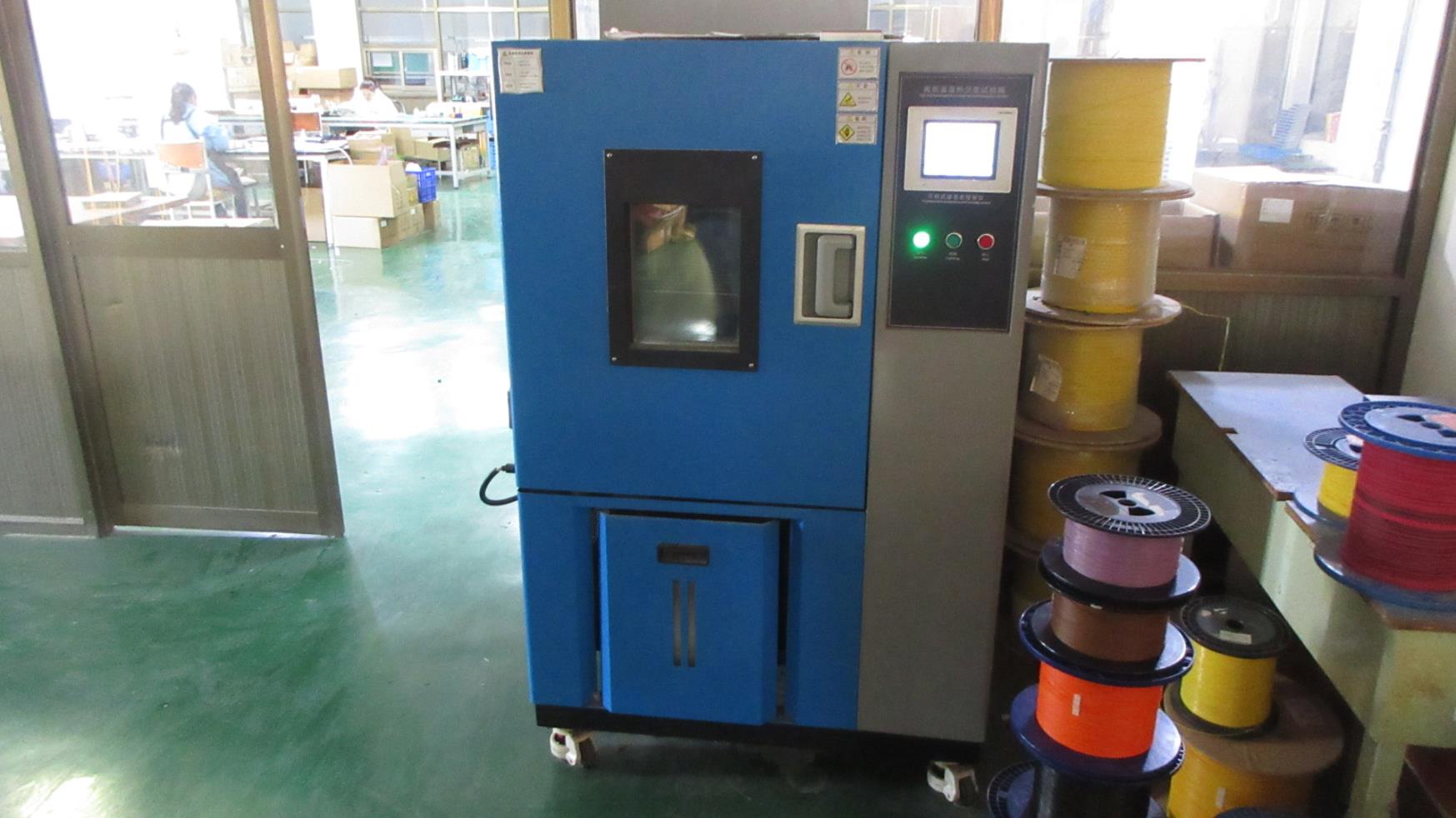
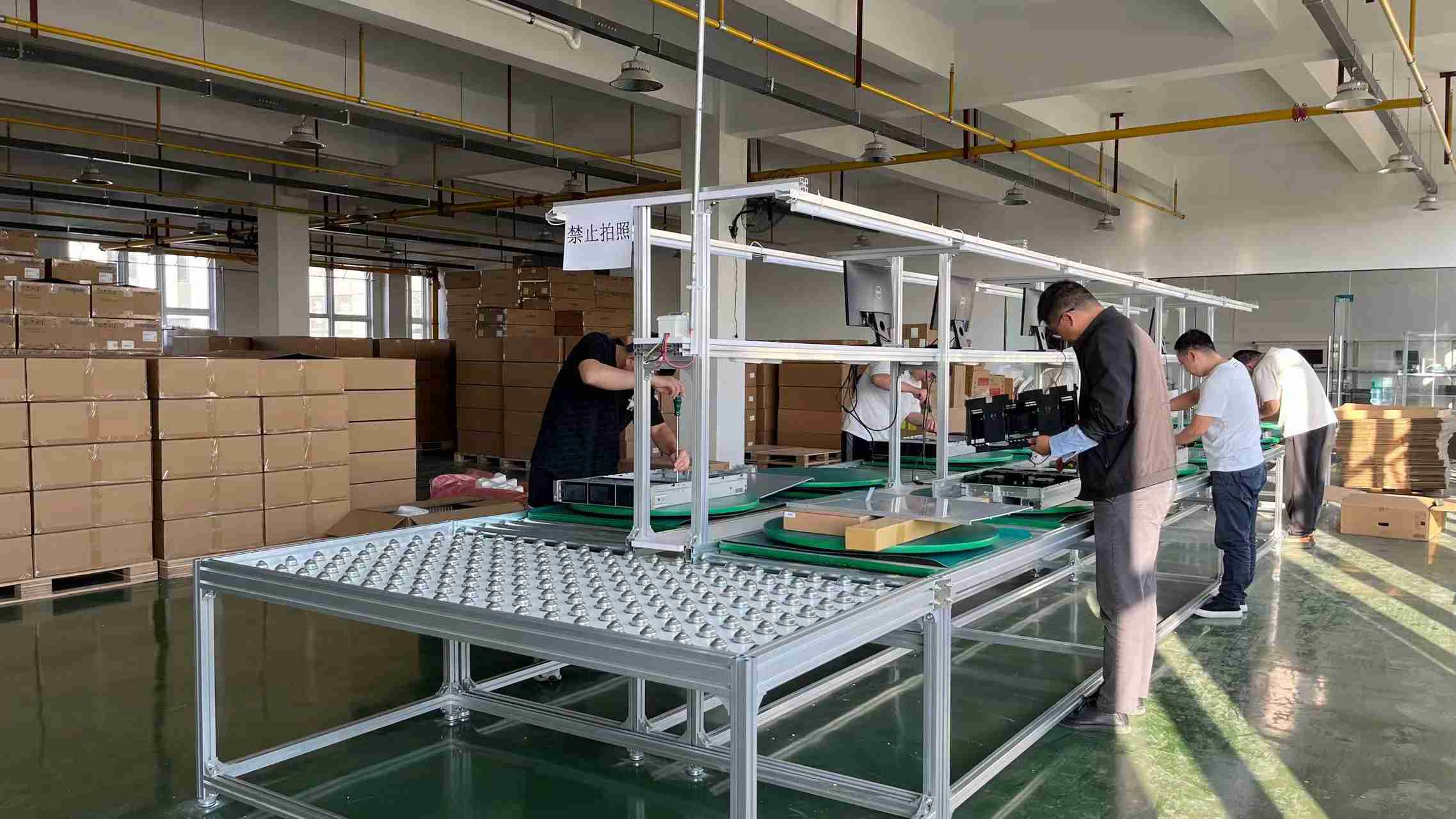
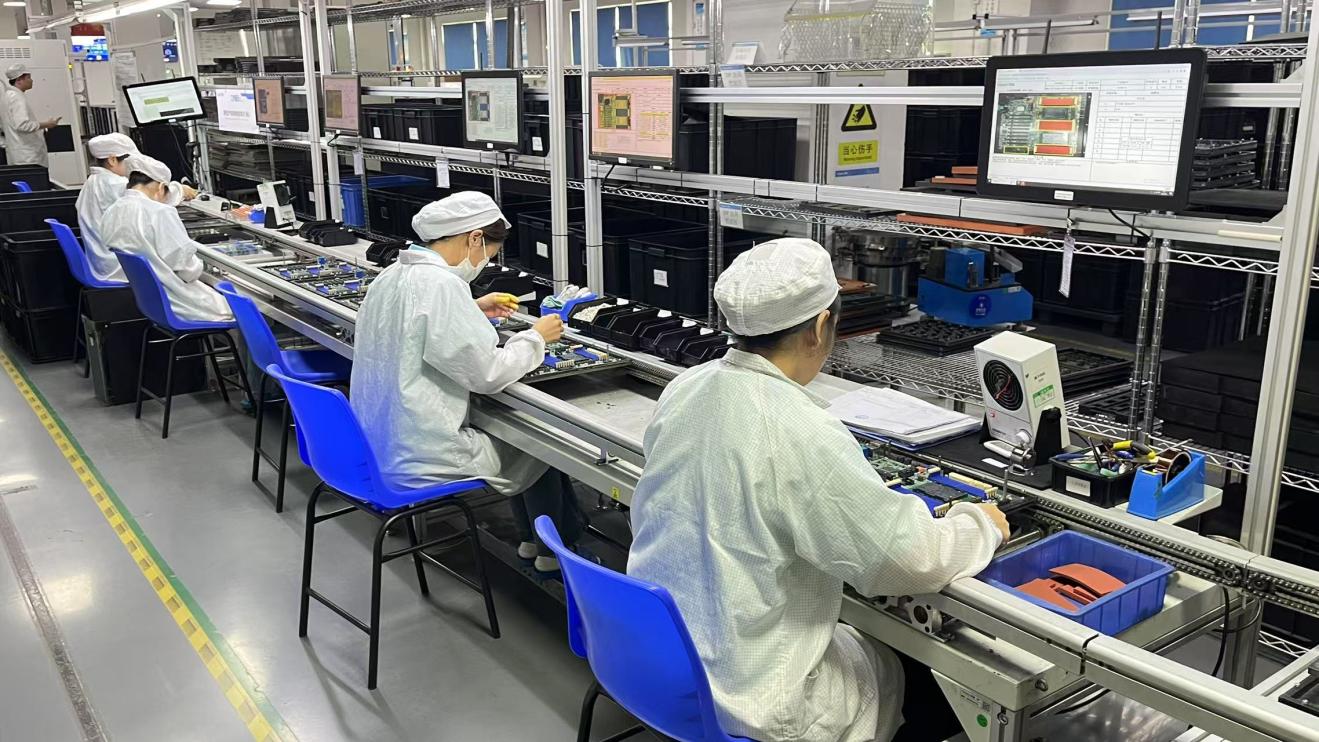
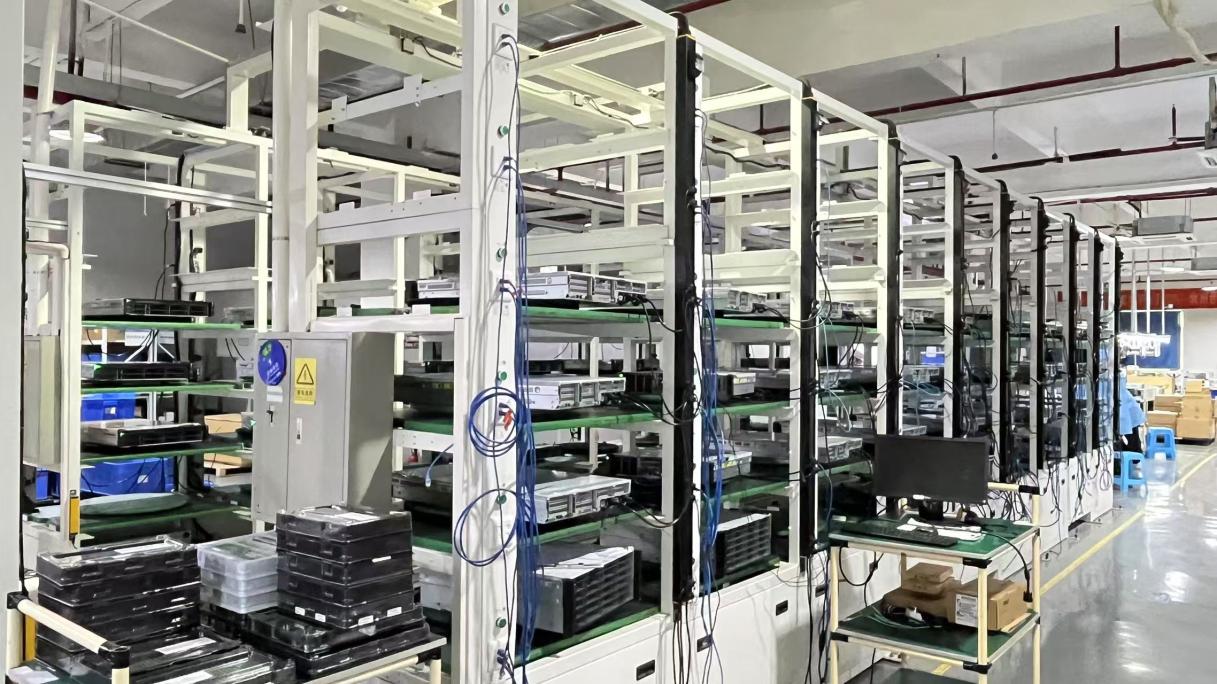
Our quality management department utilizes a multi-step inspection framework to ensure zero defects:
Understanding the next steps in solid-state UV disinfection efficiency and system integration.
Optimizing AlGaN crystal growth processes to increase the wall-plug efficiency of UVC LEDs from 5% to over 10% by 2026. This will reduce heat generation and scale down structural footprints.
Integrating 265nm germicidal wavelengths with 222nm (Far-UVC) and 365nm (UVA) emission paths. This design targets various virus structures and microbial footprints while remaining safe for human exposure.
Developing digital driver systems with sensor-driven power management, real-time diagnostic reporting, and automated cleaning protocols. This system links with industrial and medical facility controls.
Technical guidance and engineering support answers from our optoelectronics experts.
The DNA and RNA absorption curves of pathogens peak at approximately 265nm. Traditional mercury discharge tubes emit light at 254nm. By shifting the emission wavelength to 265nm, our custom OEM UVC LEDs deliver higher energy efficiency, requiring less output power to achieve the same log-reduction rate of target pathogens.
Because UVC LEDs convert a large portion of energy into heat, we utilize custom-engineered Metal Core PCBs (MCPCBs) made of high-conductivity aluminum or copper. We use thin, high-thermal-conductivity dielectric layers to ensure low heat resistance from the LED junction to the heatsink. This design maintains low operating temperatures and extends the system lifetime.
Yes. Leveraging our experience in RAM and high-speed PCB fabrication, our driver modules include constant-current regulators, over-temperature protection, and circuit protections that shield the LED components from voltage spikes.
Our products are manufactured in compliance with RoHS and CE standards. We also integrate safety parameters, including sensor feedback loops and presence detectors, to prevent exposure to UV radiation during operation.
Yes. We provide optics configurations from 60°, 90°, to 120° using high-purity quartz lenses. This helps focus optical power and target specific distances, maximizing irradiance values for automated production lines.
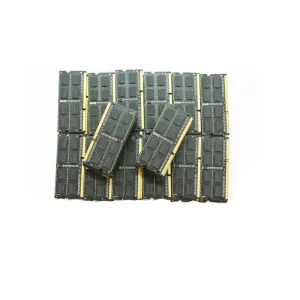 Performance Laptop RAM Affordable DDR5 16GB 5600MHz 6000MHz in Bulk boost Your System with Reliable Memory
Inquire Now
Performance Laptop RAM Affordable DDR5 16GB 5600MHz 6000MHz in Bulk boost Your System with Reliable Memory
Inquire Now
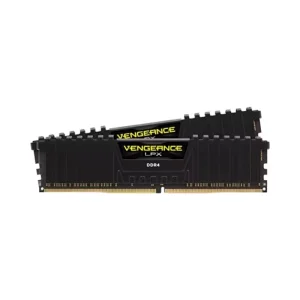 Server Memory Module for Revenge LPX DDR4 16GB Memory Modules, Computer Server Memory Modules DDR4 corsair
Inquire Now
Server Memory Module for Revenge LPX DDR4 16GB Memory Modules, Computer Server Memory Modules DDR4 corsair
Inquire Now
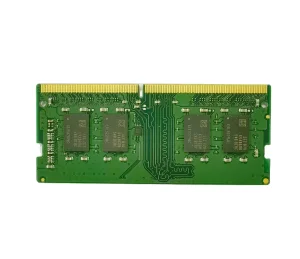 Bulk Most Popular Frequency 2133mhz 2400mhz 2666mhz 3200mhz 4gb 8gb 16gb 4 8 16 Gb Laptop Memoria Memory Module Ddr 4 Ddr4 Ram
Inquire Now
Bulk Most Popular Frequency 2133mhz 2400mhz 2666mhz 3200mhz 4gb 8gb 16gb 4 8 16 Gb Laptop Memoria Memory Module Ddr 4 Ddr4 Ram
Inquire Now
 Corexis Memory