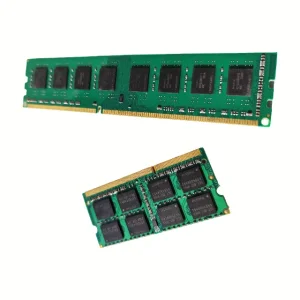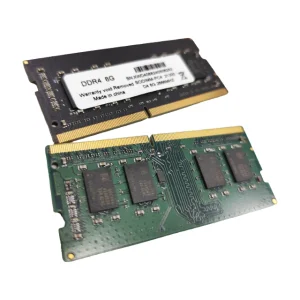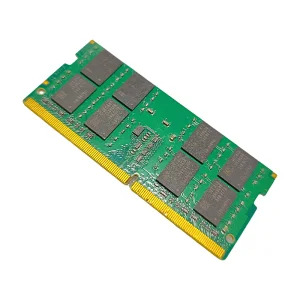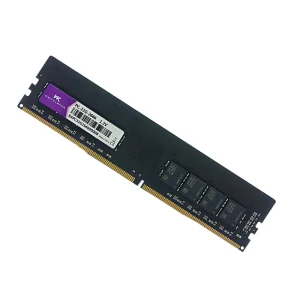
In the modern industrial and commercial electronics landscape, voltage regulation represents the structural foundation of operational integrity. As microprocessors scale down to sub-nanometer nodes and memory standards transition from DDR4 to DDR5, the margins for voltage fluctuations have reached critical thresholds. Power Management Integrated Circuits (PMICs) and high-frequency voltage regulators are no longer auxiliary components; they are core architectural necessities.
Globally, enterprise datacenters, AI computing clusters, and telecommunication hubs consume massive amounts of energy. Under these workloads, even a millivolt fluctuation can lead to bit flips, data corruption, or catastrophic component degradation. The demand for localized, efficient, and thermal-responsive voltage regulation has forced manufacturers to integrate power management systems directly onto hardware subsystems—most notably seen in the layout of DDR5 memory modules which migrate the PMIC from the motherboard directly onto the module PCB.
Ultra-low transient response regulators are essential to power AI training rigs running dynamic workloads.
Transitioning from legacy motherboard power planes to localized PMICs on high-speed DDR5 modules.
Setting the Standard in Advanced Memory and PCB Assembly Manufacturing Since 2016
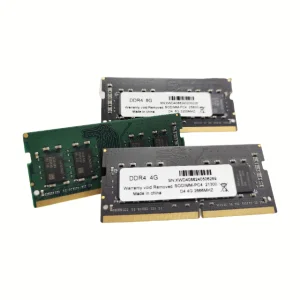
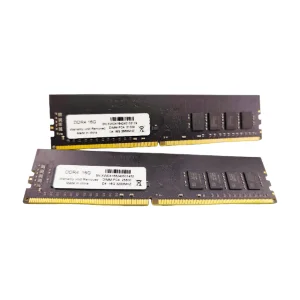
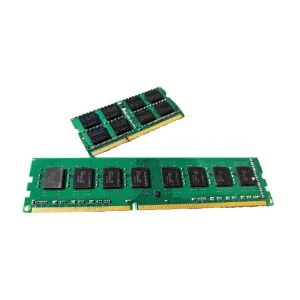
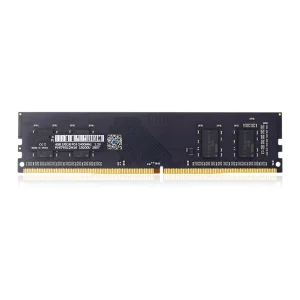
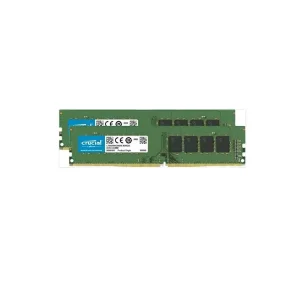
Corexis Memory Technology Co., Ltd. is a professional DDR5 memory manufacturer dedicated to delivering high-performance DRAM solutions for global OEM, ODM, and brand customers. Since its establishment in 2016, the company has focused on memory technology innovation, advanced manufacturing, and strict quality management. Our products are widely used in desktop PCs, laptops, servers, industrial computers, embedded systems, and AI applications.
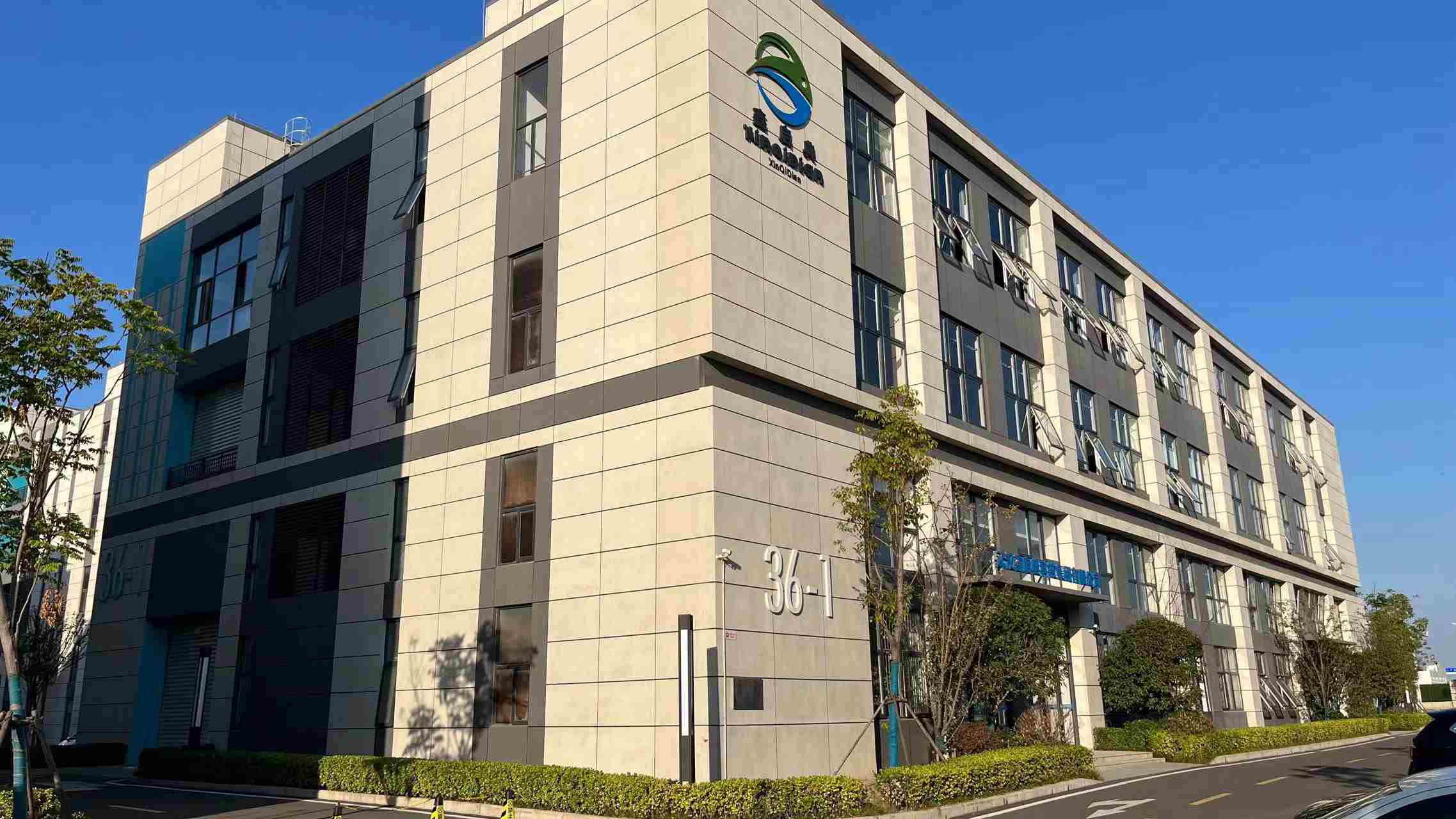
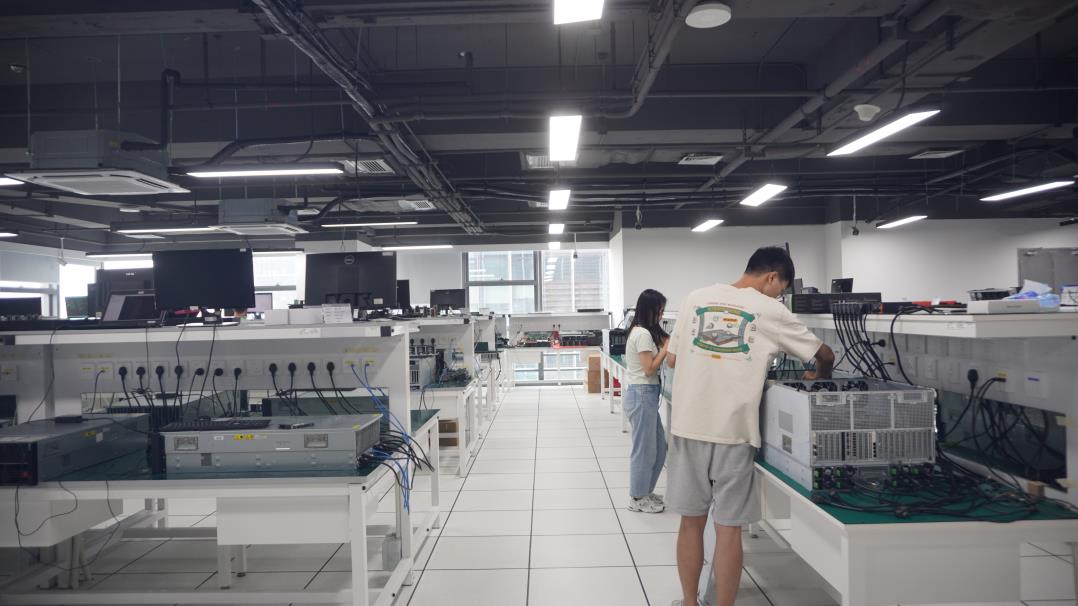
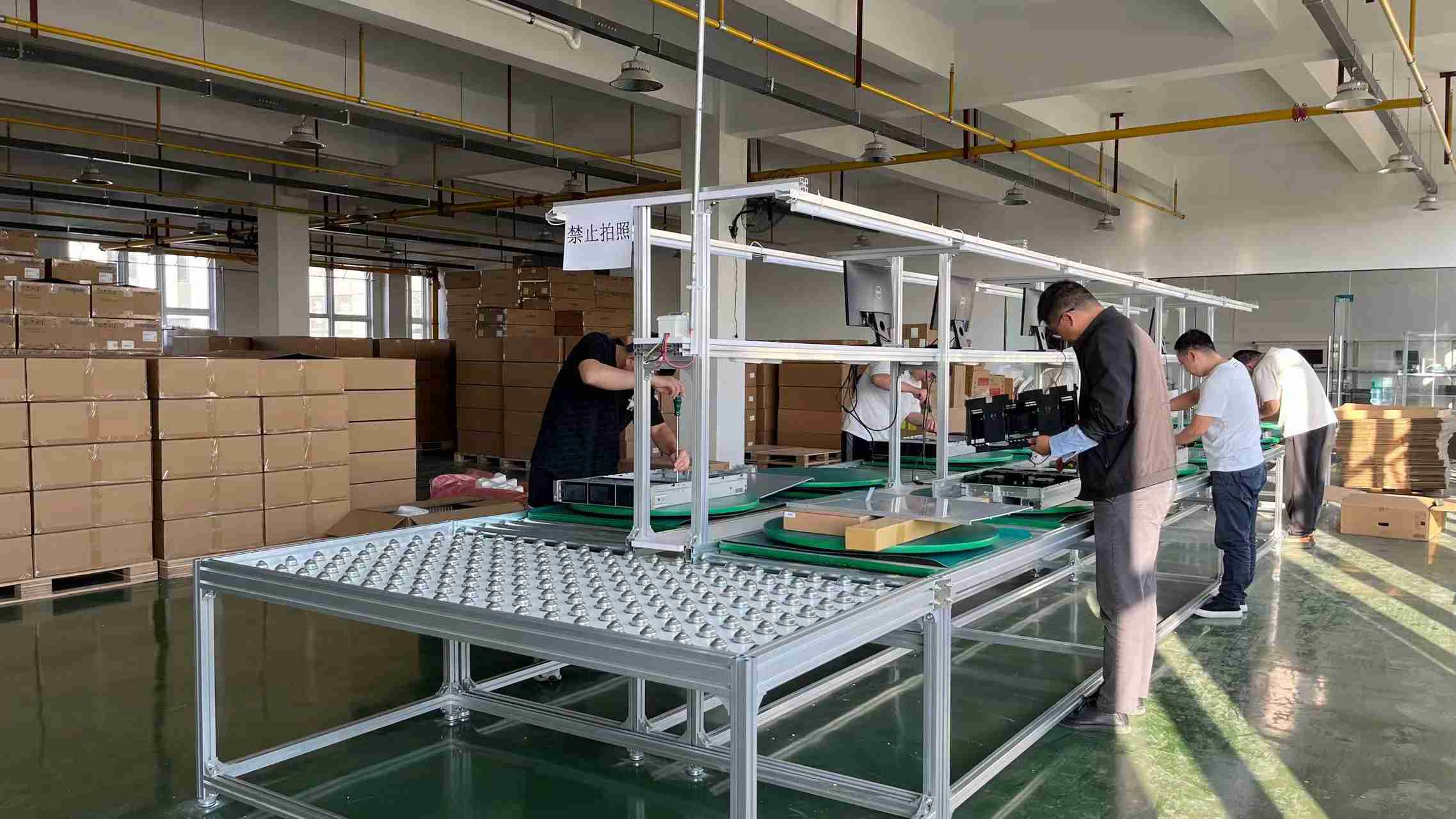
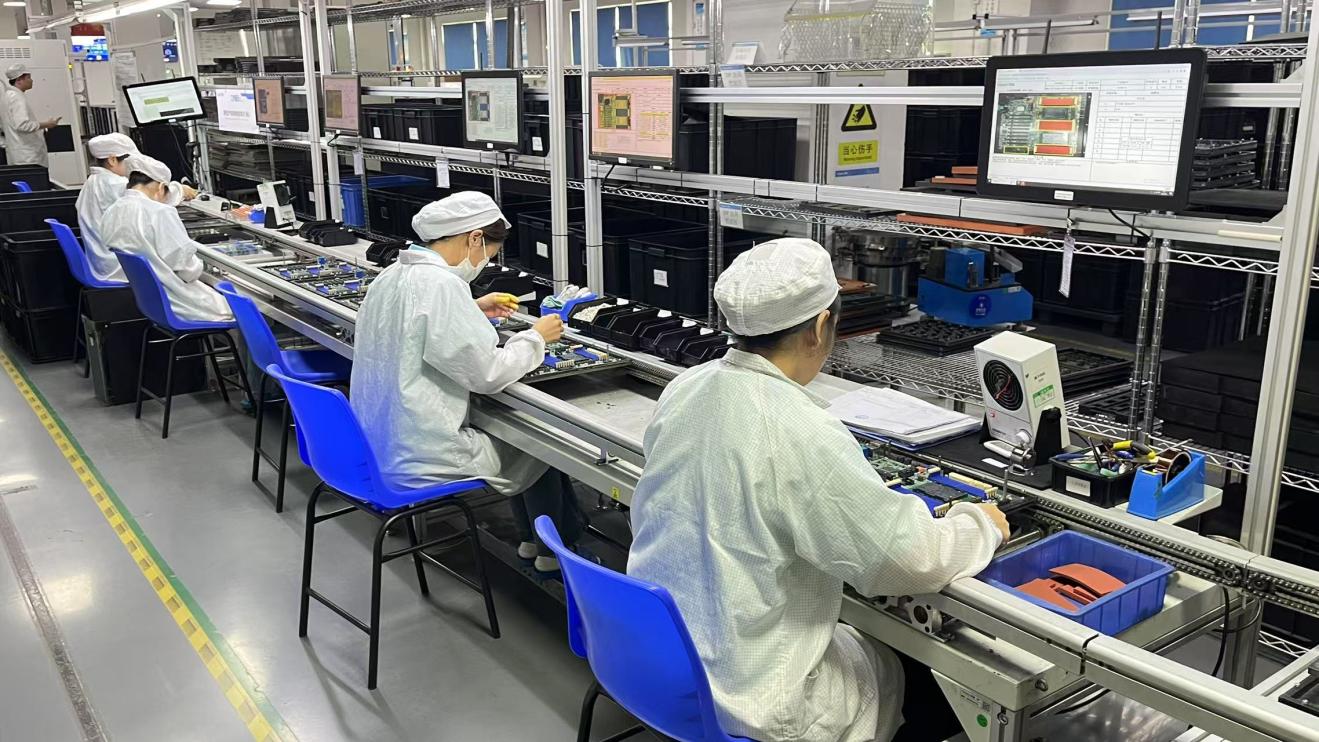
With a modern manufacturing facility covering 21,800 m², Corexis integrates R&D, SMT production, testing, packaging, and quality assurance under one roof. Our experienced engineering team continuously develops reliable and high-speed DDR5 memory products that meet international standards and the evolving demands of the global market.
State-of-the-Art Factory Floor
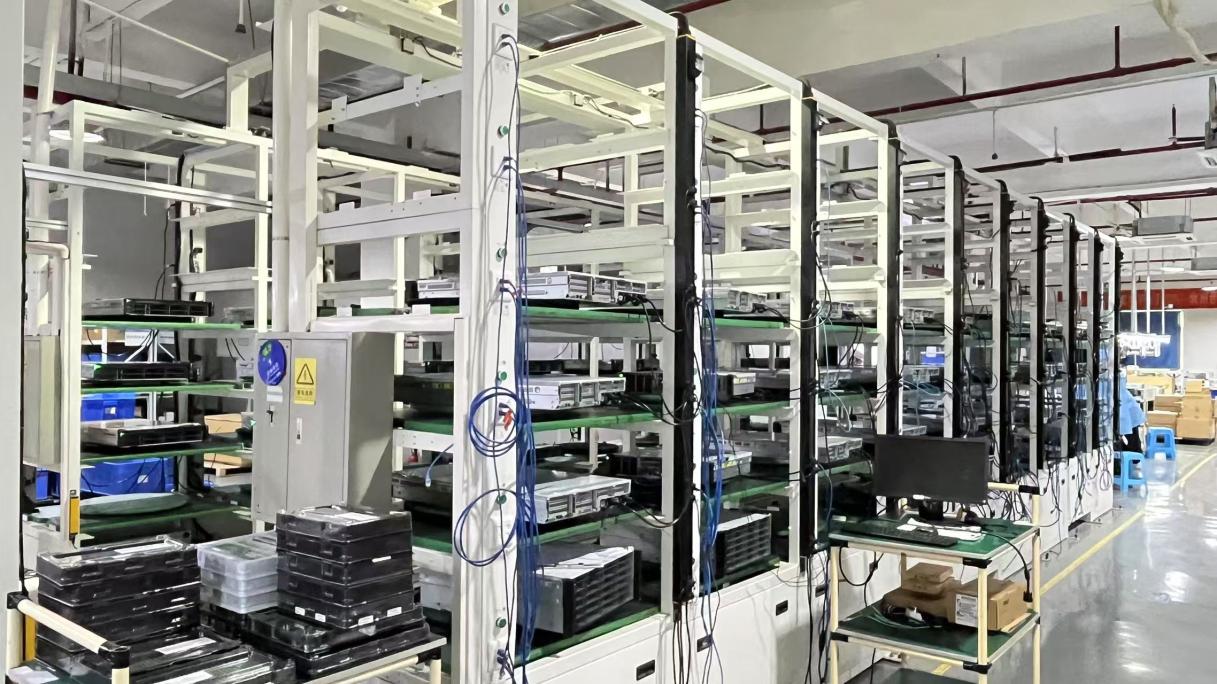
Full Inspection Quality Assurance
Dedicated R&D Engineers
Global Supply Chain Partners
The manufacturing ecosystem in China, particularly in high-density electronics hubs like Shenzhen and the Yangtze River Delta, delivers an unparalleled convergence of speed, accuracy, and supply chain density. For advanced components like voltage regulators and memory architectures, precision is governed by Surface Mount Technology (SMT) line capabilities.
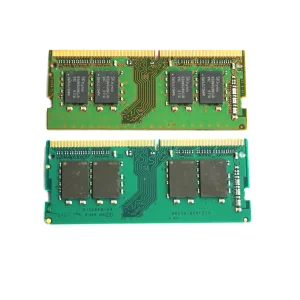
Corexis utilizes advanced Japanese and German-made high-speed placement machines capable of mounting components down to 0201 dimensions with extremely tight tolerances. This micro-SMT precision is vital for integrating PMICs and voltage-regulating capacitors on the compact PCBs of DDR4 and DDR5 memory modules. The proximity of silicon vendors, specialized passive component suppliers, and state-of-the-art testing labs eliminates transit delays, reducing prototyping stages from weeks to days.
Furthermore, China’s industrial automation capabilities minimize human-error variances. At Corexis, the manufacturing process implements a rigid closed-loop testing protocol: Incoming Material Inspection (IQC), In-Process Quality Control (IPQC), Final Quality Control (FQC), and Outgoing Quality Assurance (OQA). Combined with our 8 years of export expertise, this vertical integration optimizes production yield rates, guaranteeing competitive costs without sacrificing high-reliability performance indicators.
Voltage regulation requirements vary radically across target applications. Explore the distinct operational demands of these localized setups:
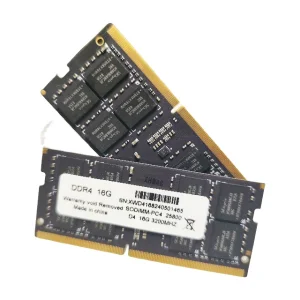
In high-density server environments, DDR5 ECC memory modules rely on local PMICs to adjust input voltage dynamically from 12V down to 1.1V, minimizing power dissipation and ensuring stable multi-threaded workloads.
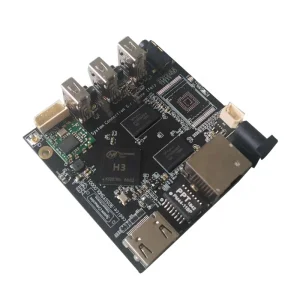
Custom PCBA designs, such as high-sensitivity circuits for gold metal detectors, require extreme voltage stability to prevent electromagnetic interference from skewing fine-tuned analog-to-digital signal conversions.
Embedded motherboards inside set-top boxes and IoT gateways operating under varying environmental conditions depend on robust voltage regulator circuits to mitigate erratic grid spikes and ensure 24/7 uptime.
Looking towards 2026 and beyond, the industry is witnessing an accelerating convergence of processing speeds and power management. Key trends driving the market include:
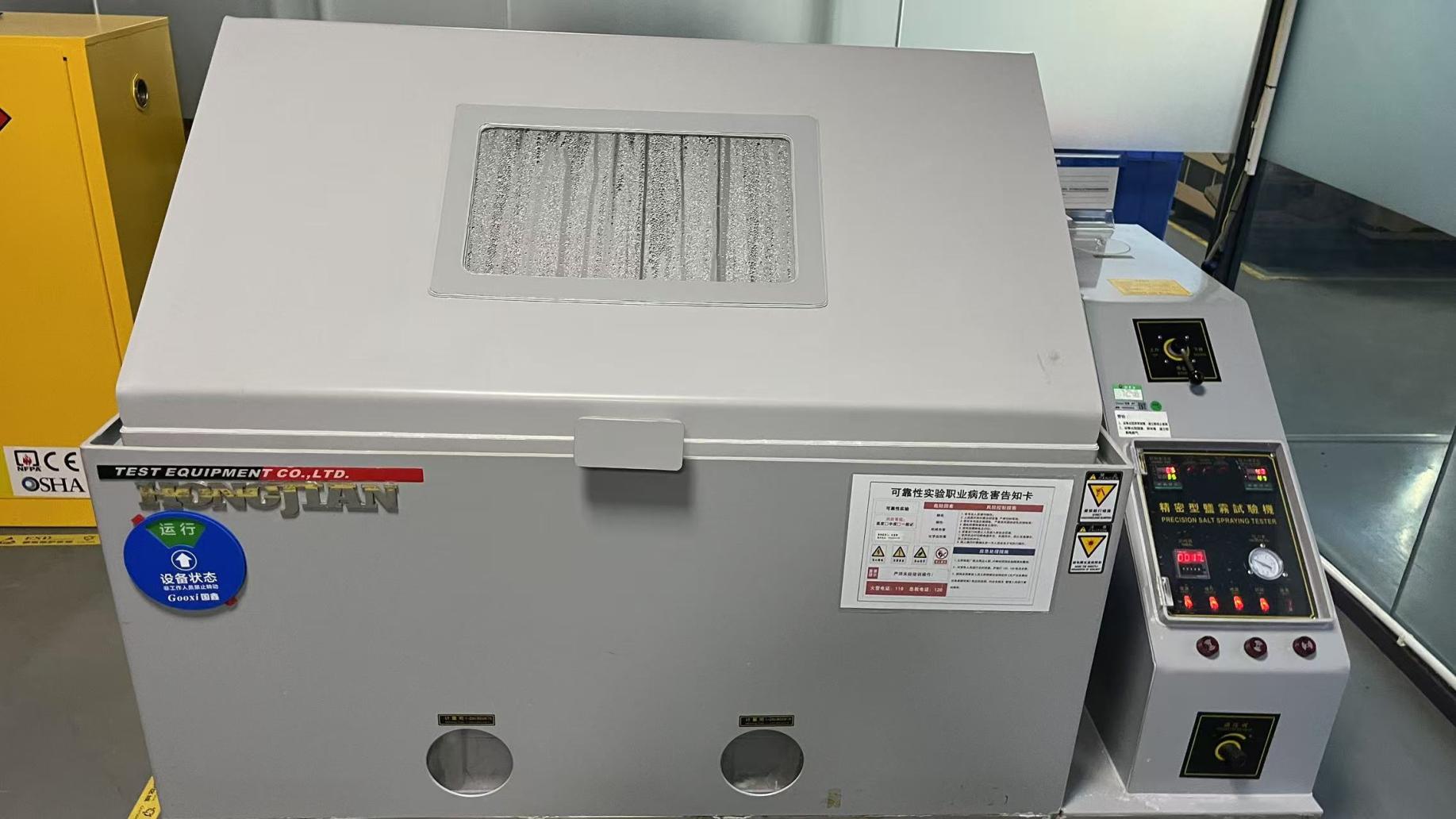
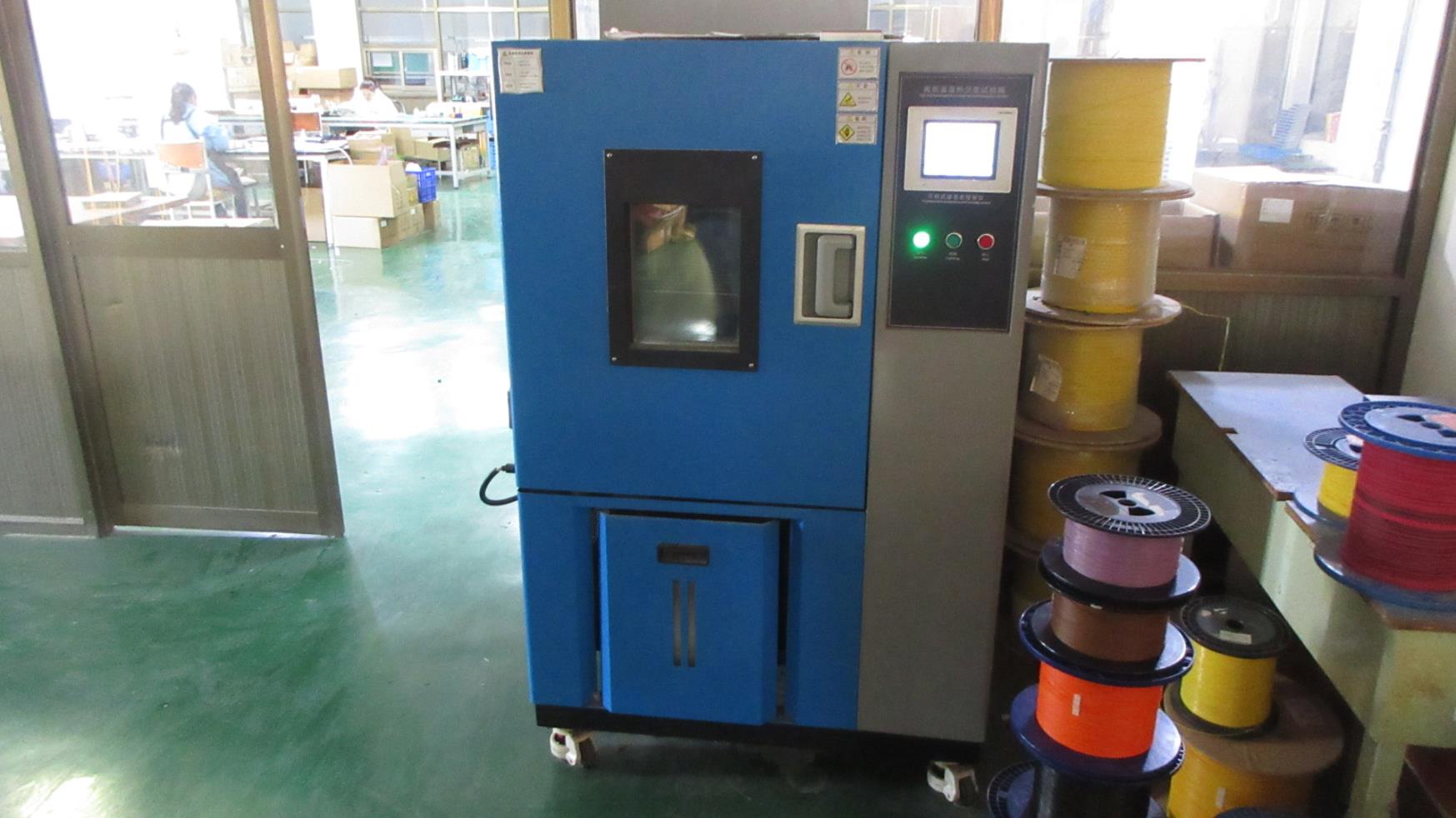
For procurement directors and system integrators, selecting a supplier is a multi-dimensional risk-assessment process. Reliability verification requires robust stress testing, including High-Temperature Operating Life (HTOL), Temperature Cycling, and ESD protection testing. Our factory handles these demanding compliance parameters directly on-site, offering OEMs full documentation trail access to streamline global supply chain clearance.
Real-world captures of our 21,800 m² high-speed SMT production lines, advanced inspection phases, and cleanroom packaging facilities.
 Corexis Memory