Explore our elite portfolio of high-frequency power controllers, new energy inverter PCBA, and integrated DRAM modules engineered for industrial computing and high-density power supply units.
Establishing the benchmarks for quality, engineering innovation, and high-frequency hardware integration since 2016.
Corexis integrates R&D, surface-mount technology (SMT), testing, and system-level packaging under one climate-controlled environment to secure consistent electronic signal paths and maximum thermal efficiency across all memory and power PCBA lines.
Offering flexible ODM/OEM programs for private labels, capacity configurations, multi-layer custom PCBs, customized casing materials, heat spreaders, and application-specific component layout to address the distinct power and memory requirements of tier-1 buyers.
Our QA framework leverages IQC, IPQC, FQC, and OQA protocols, coupled with reliability & compatibility evaluations on specialized platforms, ensuring a 100% full-inspection passage rate prior to logistics dispatch.
Analyzing the shift from linear topologies to intelligent, wide-bandgap, and high-frequency power architectures.
Silicon Carbide (SiC) and Gallium Nitride (GaN) materials are replacing legacy silicon components in high-voltage and high-current switched-mode power supplies (SMPS) and photovoltaic (PV) inverters. These wide-bandgap technologies enable higher switching frequencies, which dramatically reduces the footprint of passive components, enhances efficiency up to 98.5%, and lowers overall thermal dissipation demands.
Modern industrial power supplies must communicate system vitals continuously. By integrating Microcontroller Units (MCUs) and advanced communication interfaces (such as PMBus, CAN bus, or Modbus), power systems deliver real-time metrics on current, voltage ripple, temperature profiles, and operating lifetimes. This enables predictive maintenance protocols in massive server arrays and new energy power grids.
Clean energy generation technologies, specifically solar photovoltaic systems, require unified power conversion platforms. Photovoltaic inverter PCBA boards now require sophisticated, multi-layer designs that combine solar MPPT (Maximum Power Point Tracking), battery energy storage system (BESS) bi-directional power conversion, and grid-tied control logic into a single modular framework.
Understanding the technical rigor, compliance frameworks, and supply chain resiliency needed by global procurement professionals.
Substandard passive components or counterfeit semiconductors lead to catastrophic failures in industrial environments. System integrators require absolute traceability of raw components, ranging from high-frequency capacitors to memory controllers and DRAM ICs. At Corexis, our supply chain relationships with 1,120+ vetted global component manufacturers ensure that all raw materials are 100% genuine and verified through strict incoming inspections.
Power conversion systems operate under harsh thermal conditions. High ambient heat levels require advanced thermal engineering design, such as aluminum PCBs, high-conductivity dielectric layers, and strategic placement of copper-filled vias. Our team designs substrates capable of high thermal dissipation to maintain efficiency profiles even when loaded with high-speed computation processes.
Unified power control, hardware interfaces, and processing memory subsystems engineered for critical sectors.
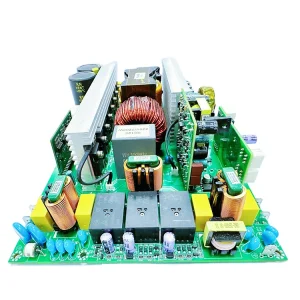
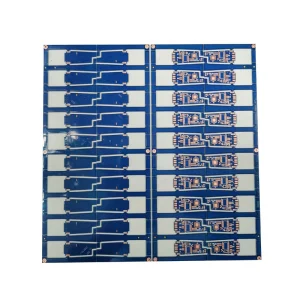
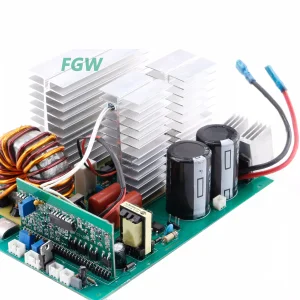
Supporting clean energy infrastructure with custom-engineered photovoltaic inverter PCBA modules. These sub-assemblies incorporate microcontrollers, high-speed gate drivers, and robust power stages designed to convert varying DC outputs from solar panels into stable, grid-compliant AC electricity. Engineered for high conversion efficiency and long lifetime metrics under variable environmental conditions.
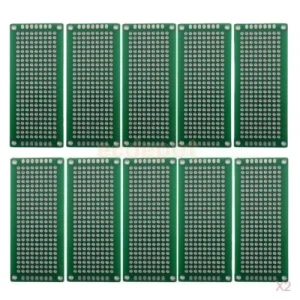
Learn More about PV Assemblies →Industrial machinery—such as double-sided projector control units and heavy-duty 220V welding machinery (e.g., ZX7-200/250 motherboards)—demands high-tolerance electronic circuitry capable of withstanding electrical noise, voltage surges, and vibration. Corexis provides robust, multilayer FR4 PCBs and control sub-assemblies built to perform reliably in 24/7 industrial production environments.
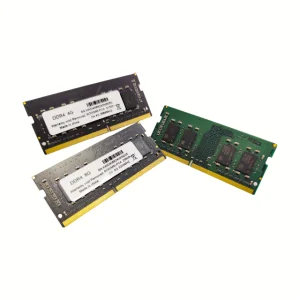
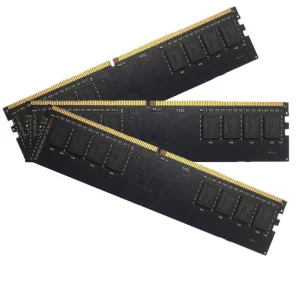
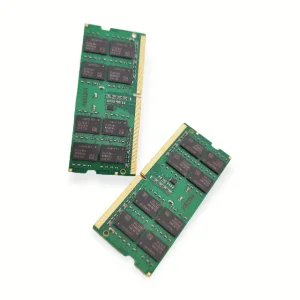
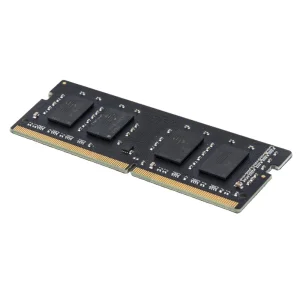
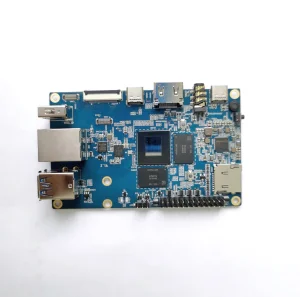
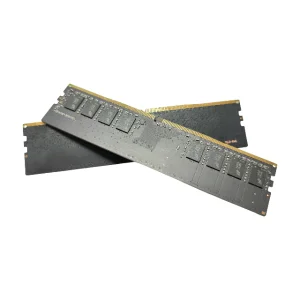
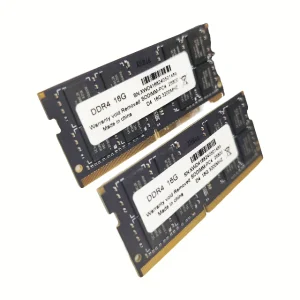
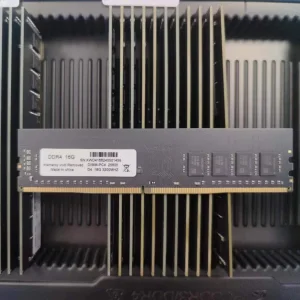
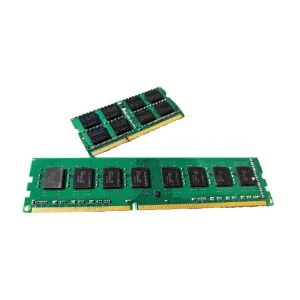
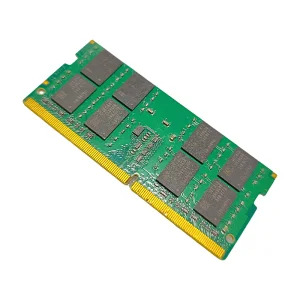
View Industrial Boards →For smart grid systems, edge servers, and IoT gateways utilizing high-performance processors (like the Rockchip RK3588S built-in NPU dev boards), memory speed and reliability are paramount. Our comprehensive DRAM portfolio—spanning desktop, notebook, and server ECC DDR4 and DDR3 modules—guarantees lag-free data buffering and stable communication with industrial controllers.
View Embedded Hardware →A rigorous approach to testing, validating, and auditing every manufacturing step to ensure zero-defect delivery.
Incoming Quality Control. 100% inspection of raw materials (DRAM chips, high-dielectric PCBs, capacitors, resistors) utilizing specialized component analyzers prior to production release.
In-Process Quality Control. Real-time optical inspection (AOI) and solder paste inspection (SPI) after SMT reflow to identify displacement, bridging, or cold-joint anomalies.
Final Quality Control. Comprehensive physical and parametric testing of complete sub-assemblies to verify electrical continuity, voltage tolerances, and switching dynamics.
Outgoing Quality Assurance. Final sampling inspection, verification of packaging integrity, static shielding, and extensive operating compatibility tests in real system platforms.
Visualizing our 21,800 m² production infrastructure, SMT lines, and cleanroom facilities.
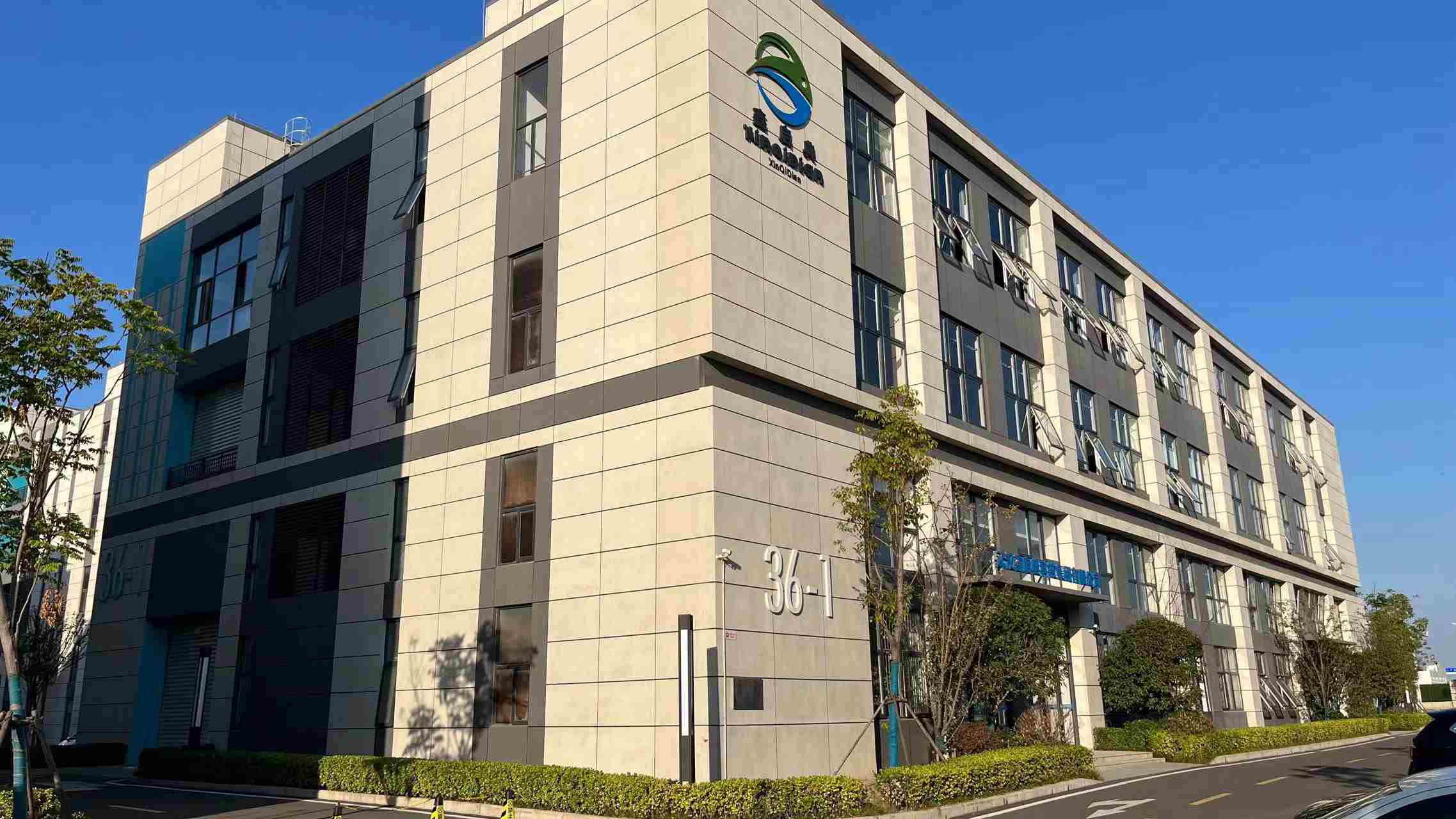
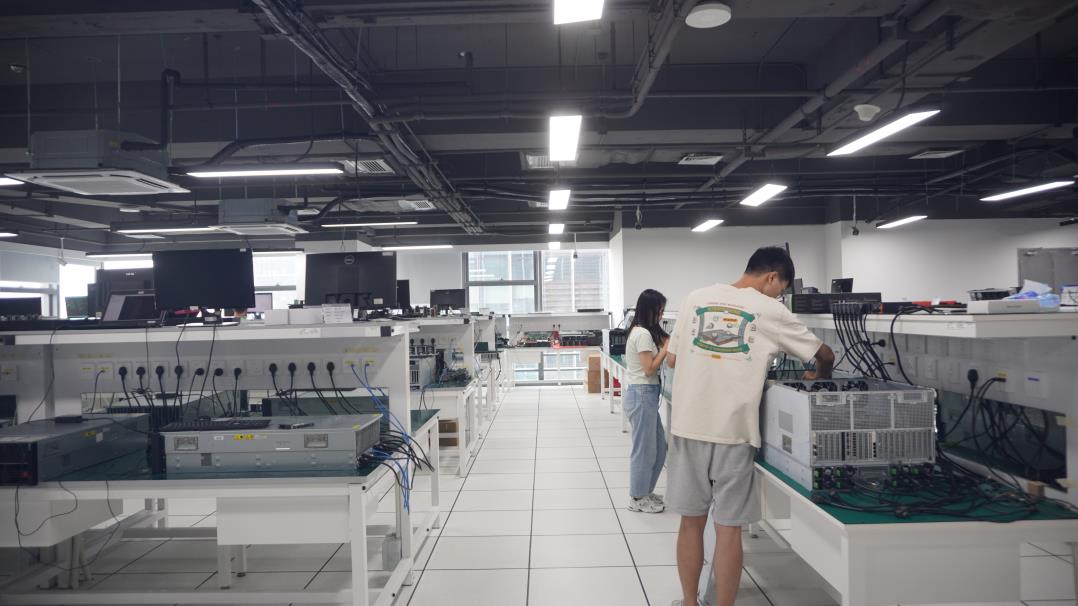
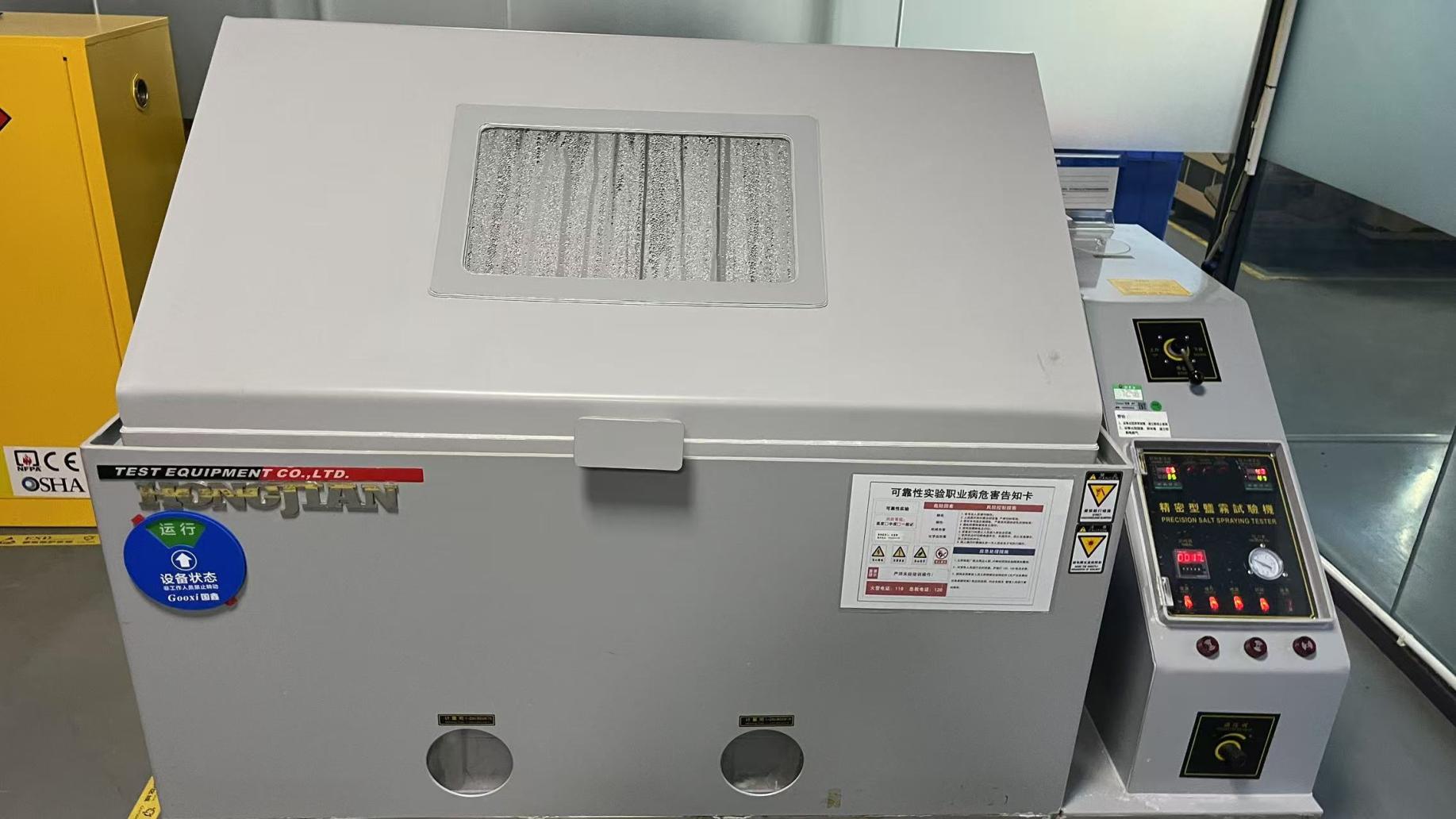
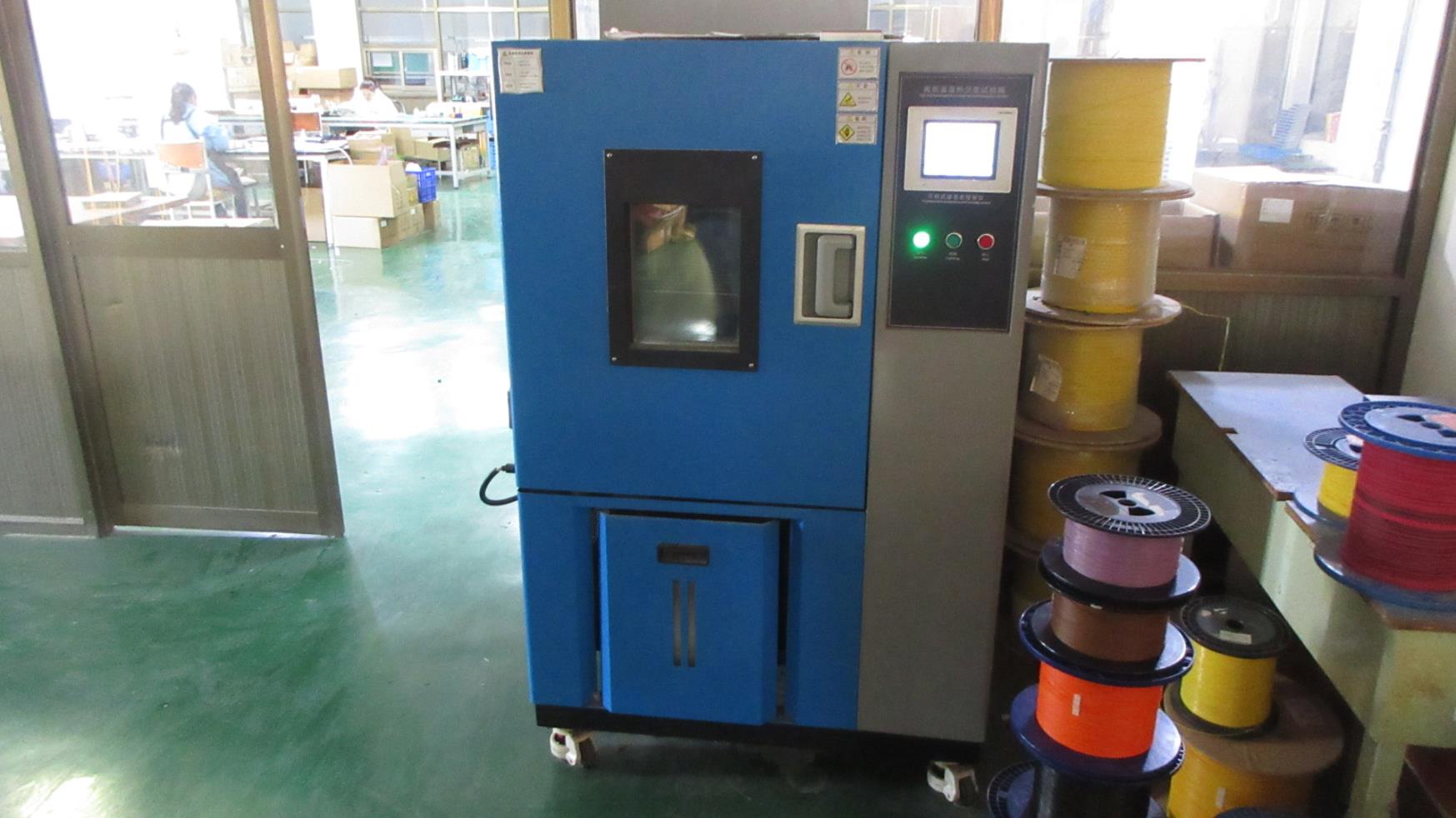
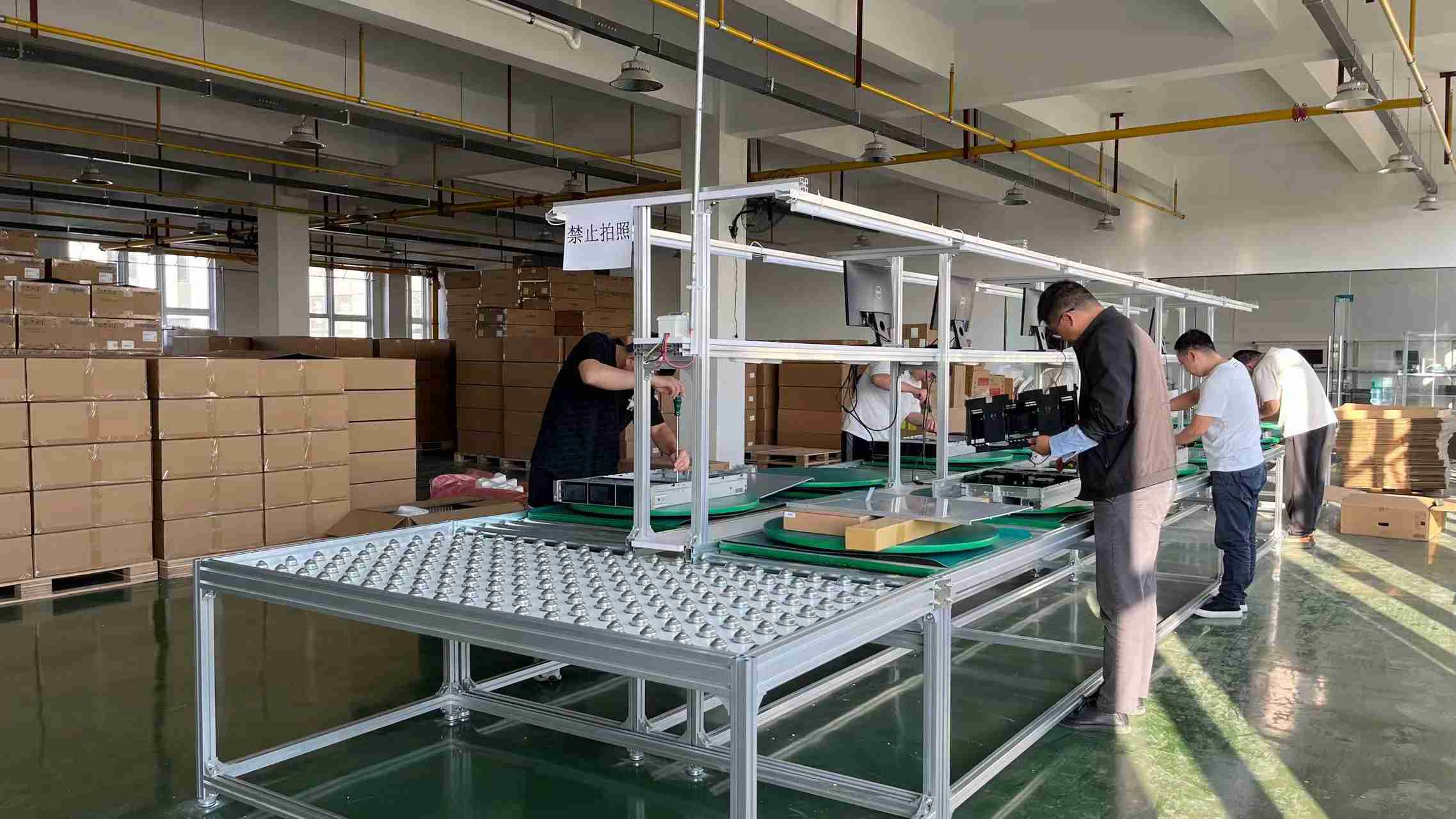
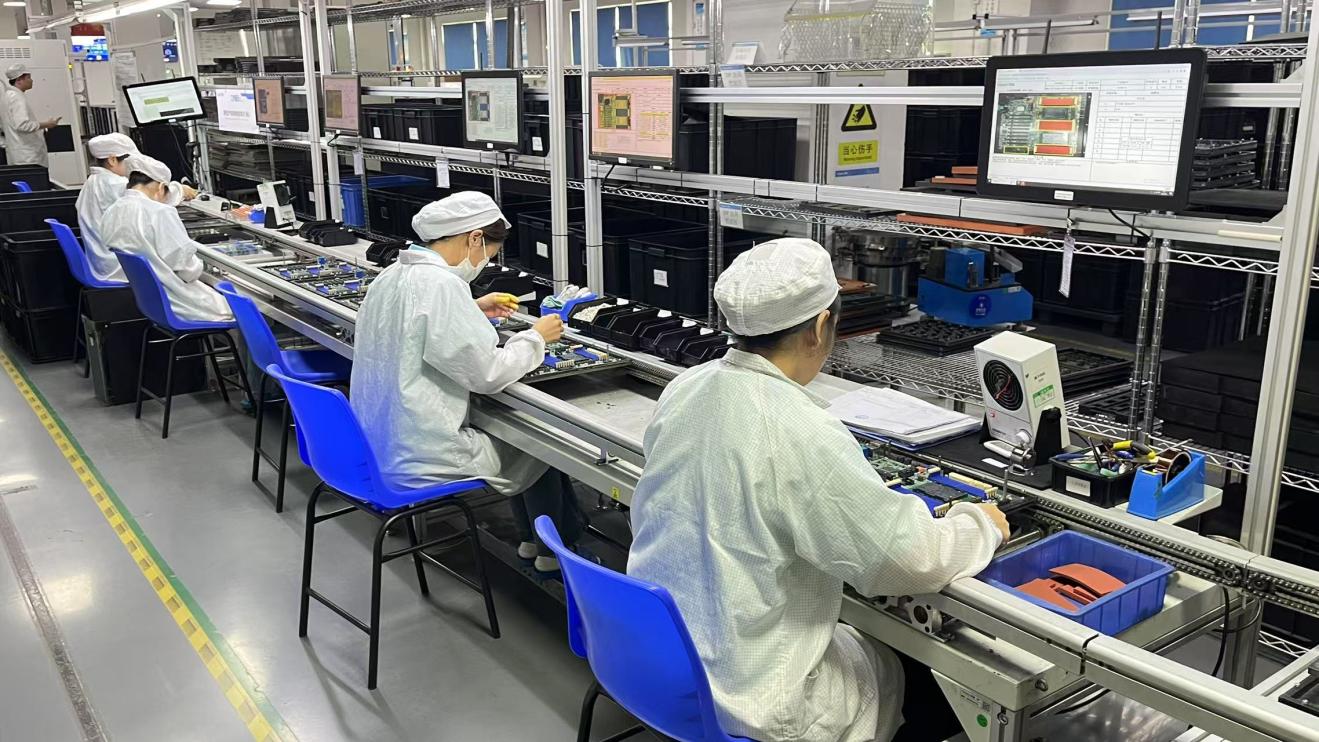
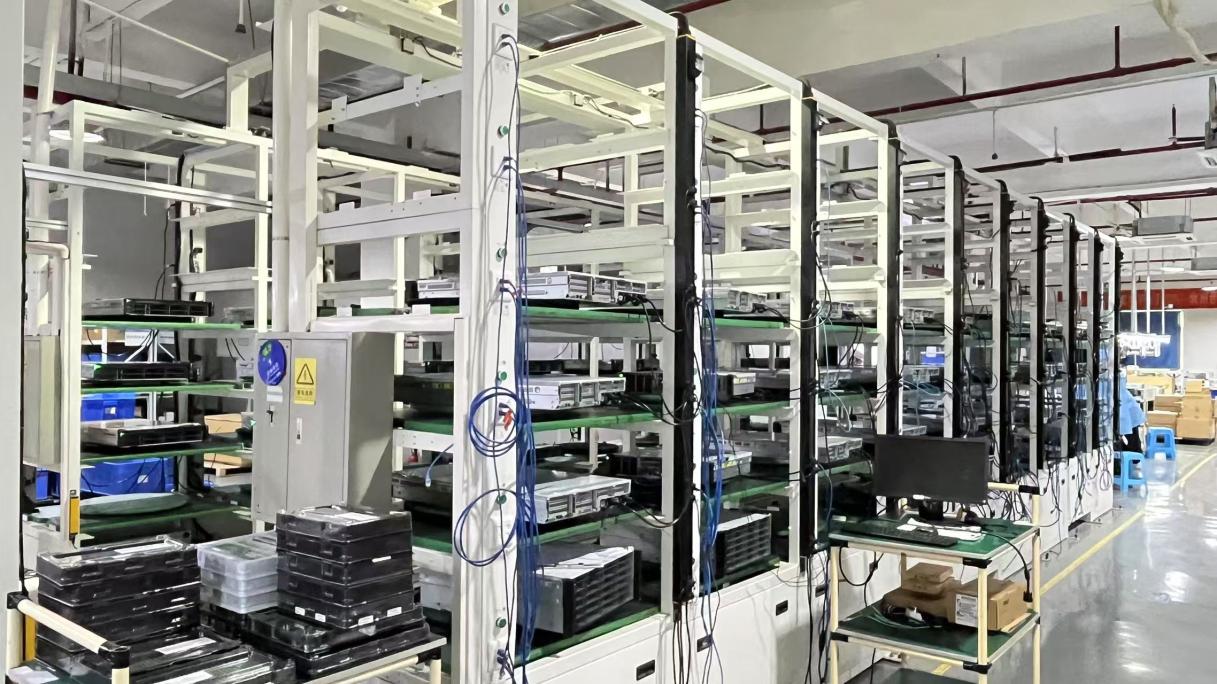
Tracking our development directions in energy efficiency, high-density DRAM integration, and smart diagnostics.
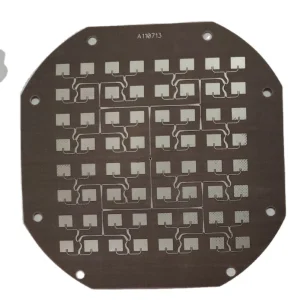
Merging multi-chip modules (MCM) and advanced substrate technologies (like Taconic high-frequency layers) with compact power circuitry. The goal is to shrink power converter footprints by 30% while retaining structural rigidity and thermal conduction standards.
Embedding micro-sensing chips and IoT protocols directly into power control PCBA substrates. These diagnostic nodes analyze ripple frequency shifts and power quality anomalies, transmitting health telemetry over local networks for predictive service schedules.
Adapting manufacturing practices to achieve carbon-neutrality goals, optimizing power factor correction (PFC) stages to meet strict 80 Plus Titanium and ErP Lot 9 requirements, and using halogen-free laminates in all PCB production.
Clear answers to crucial questions asked by global procurement directors and hardware engineers.
We conduct 100% full inspections. For DRAM modules, we utilize specialized motherboard testing platforms across several CPU architectures to confirm timings and stability. For power-related PCBAs (such as photovoltaic inverter components), we run load testing, thermographic imaging checks, and voltage regulation testing to ensure performance aligns with technical documentation.
For high-power or high-frequency designs, we recommend using aluminum substrates, which provide excellent heat dissipation, or specialised high-frequency materials like Taconic TLY-5 (0.254mm) with low dielectric constants. For general multi-layer industrial PCBs, we utilize premium FR4 laminates (such as Kingboard KB6160) to maintain structural integrity across wide thermal ranges.
Yes. With our team of 128 R&D engineers, we provide complete OEM/ODM solutions. This includes hardware layout modifications, firmware customization, custom branding, and custom heat sink designs tailored to specific spatial constraints and cooling requirements.
All our design and manufacturing processes are aligned with global regulatory frameworks. Our products carry CE, FCC, RoHS, and WEEE certifications where required. Additionally, our manufacturing plant operates under ISO 9001 and ISO 14001 quality and environmental management system standards.
Lead times vary based on component sourcing parameters. Standard memory modules in stock can ship within 3–7 business days. Custom PCB assembly projects (such as inverter boards or industrial control systems) typically require 4–6 weeks for PCB fabrication, component sourcing, SMT assembly, and complete quality testing.
We maintain strategic safety stock of critical semiconductors, DRAM ICs, and copper laminates through direct partnerships with major manufacturers and distributors. Our network of over 1,120 supply partners allows us to manage material pipelines effectively and ensure pricing and supply stability for our contracts.
Examine our high-density DRAM modules, multi-layer circuit boards, and industrial hardware options for your system designs.
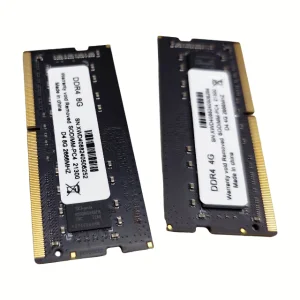
 Corexis Memory