Explore our solid-state driver circuitry components, microcontrollers, and high-efficiency thermal sinks powering advanced UVC execution boards.
A comprehensive review of electromagnetic germicidal radiation, photobiological safety standards, and physical control mechanism engineering.
Ultraviolet-C (UVC) radiation, spanning the 200nm to 280nm electromagnetic spectrum, serves as an incredibly potent tool for physical disinfection. Within this band, specifically around 254nm to 265nm, UVC light penetrates the cellular outer membranes of pathogens. Once absorbed by microbial DNA and RNA, it forms pyrimidine dimers. These dimers disrupt the genetic structure, effectively halting nucleic acid replication and rendering viruses, bacteria, and spores inactive without relying on toxic chemicals.
Calculating the required UVC irradiance (expressed in mW/cm²) and duration is key to achieving a predictable "Log-3" (99.9%) or "Log-4" (99.99%) sanitization rate. Reliable dosimetry is determined by the formula: Dose (mJ/cm²) = Irradiance (mW/cm²) × Time (seconds). Generating this precise energy footprint requires incredibly stable driver circuitry, optimized thermal mitigation, and precise microprocessor timings.
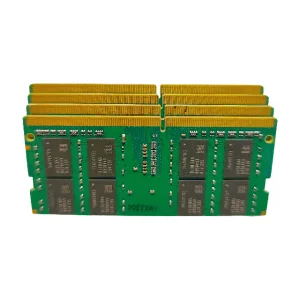
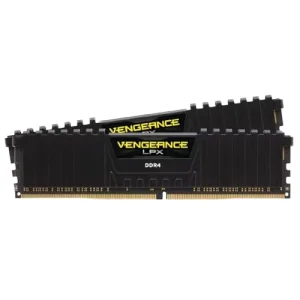
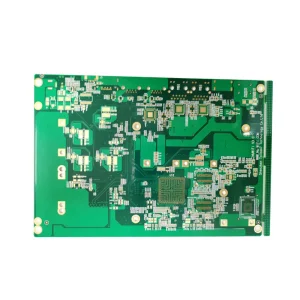
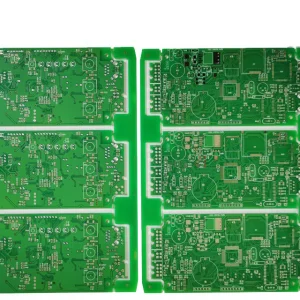
Modern UVC safety regulations require smart monitoring systems to prevent accidental human exposure. Corexis addresses this through advanced controller designs featuring integrated motion-detection radar, auto-shutdown safety loops, and digital exposure logging. By utilizing robust multi-layer PCBs and high-capacity RAM buffers, our UVC lighting systems run self-diagnostic checks, log lifetime performance data, and coordinate multiple UV tubes or solid-state LED arrays across larger facilities without failure.
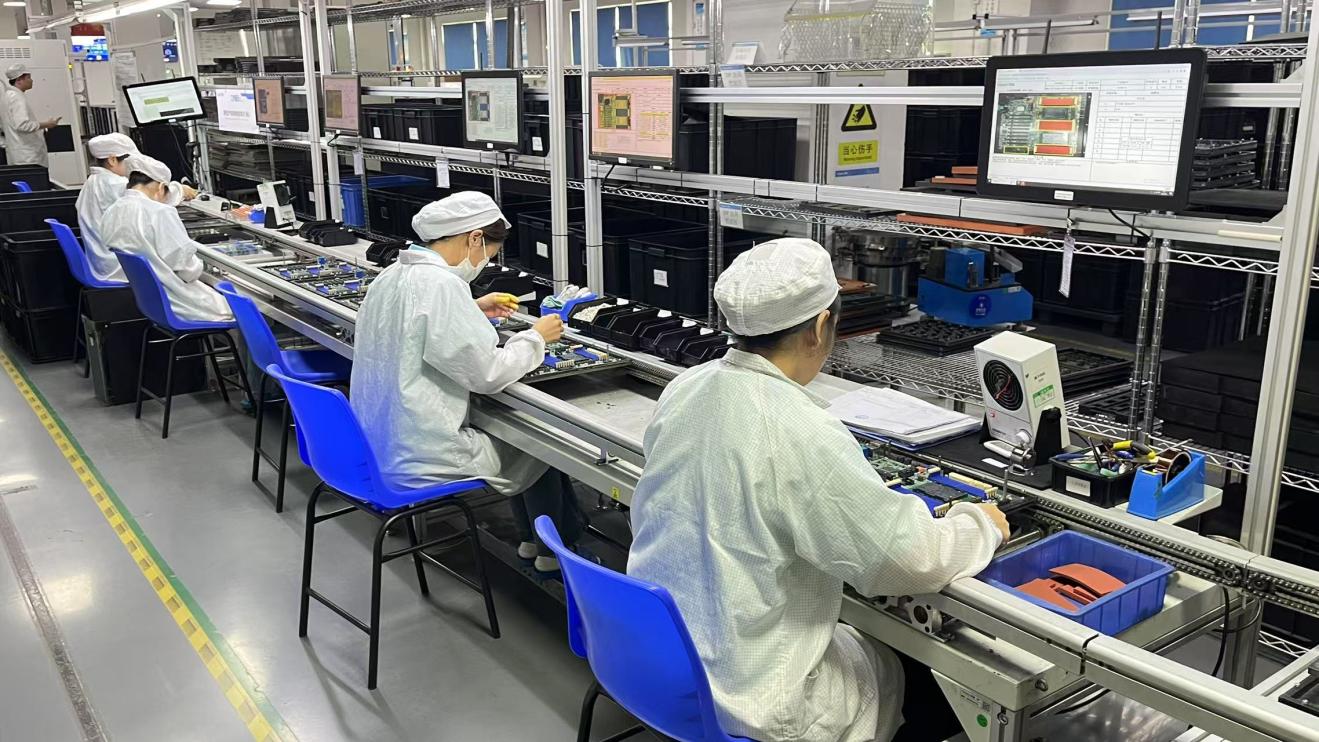
Founded in 2016, Corexis has built its reputation as a leading manufacturer of high-performance DRAM memory, multi-layer PCBs, and advanced thermal management components. Over the last decade, we have leveraged our extensive SMT capabilities, electrical engineering expertise, and clean-room facilities to deliver state-of-the-art CE Certified UVC Lighting Solutions.
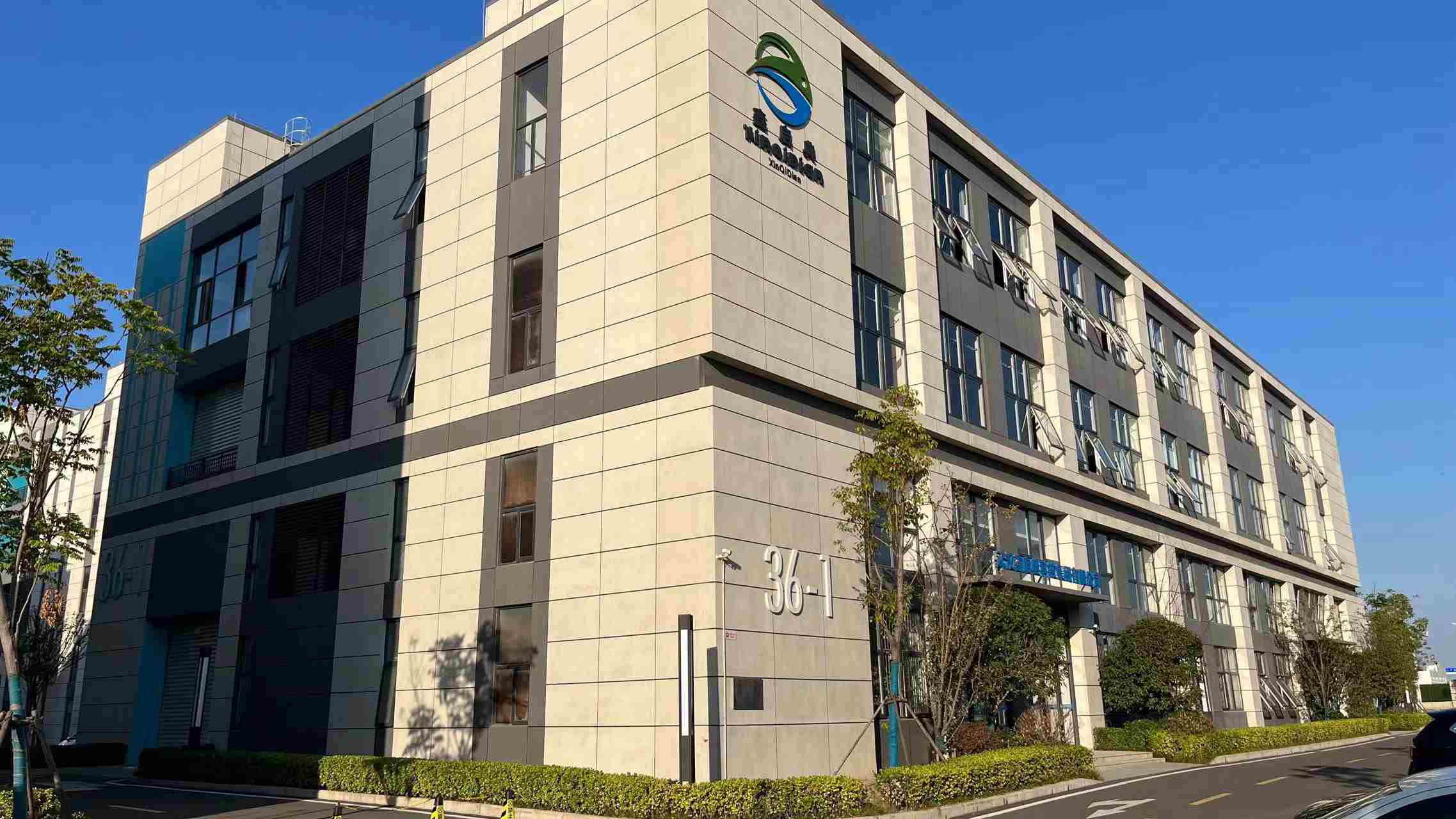
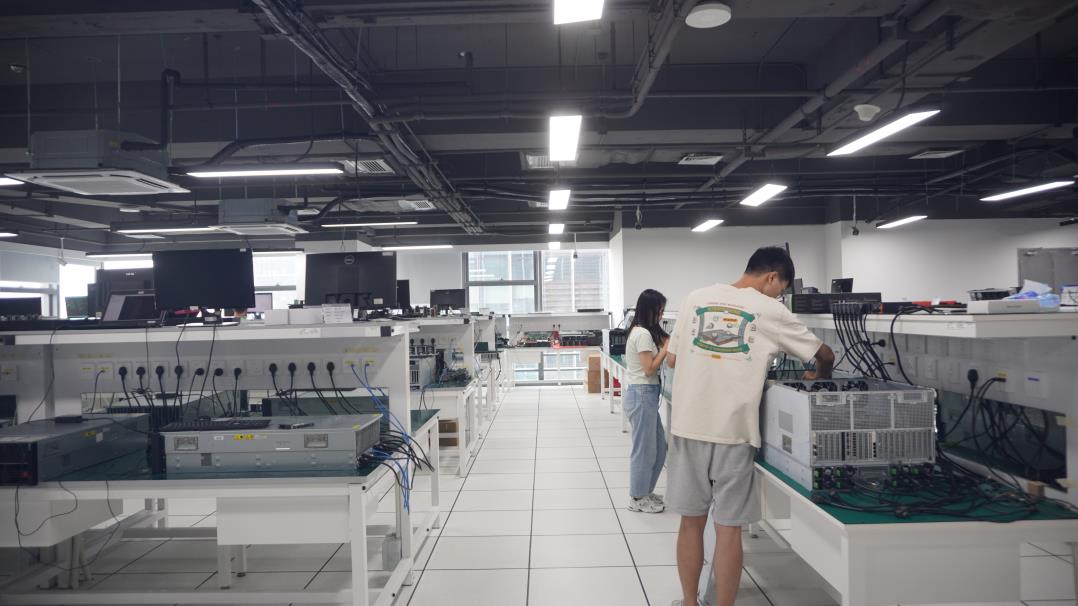
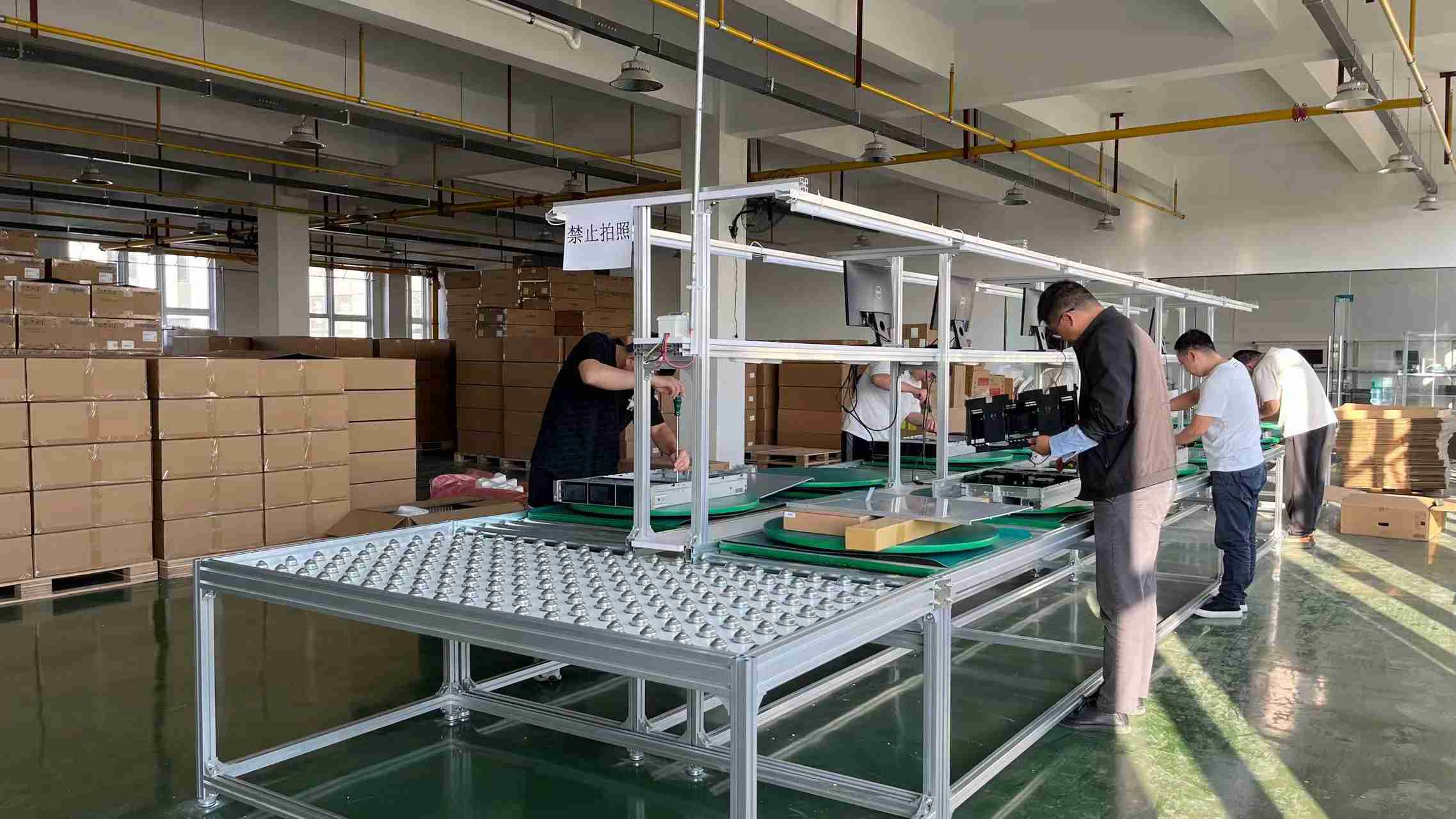
Our 21,800 m² manufacturing facility integrates hardware design, automated SMT assembly, comprehensive compatibility testing, and strict quality control. By utilizing our own high-speed RAM and heat dissipation technologies, we guarantee that our smart UVC controller systems perform with unmatched reliability in industrial environments.
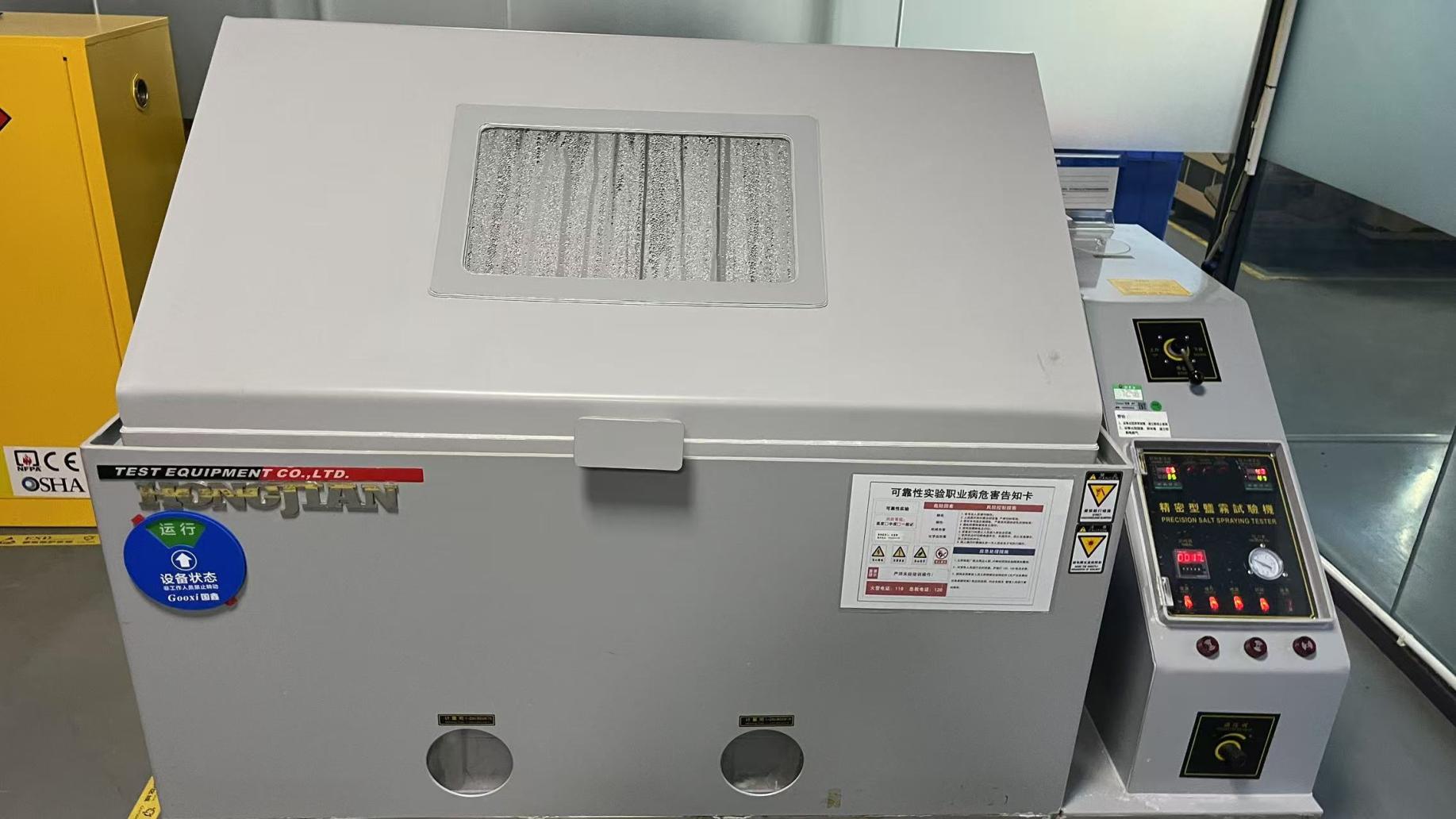
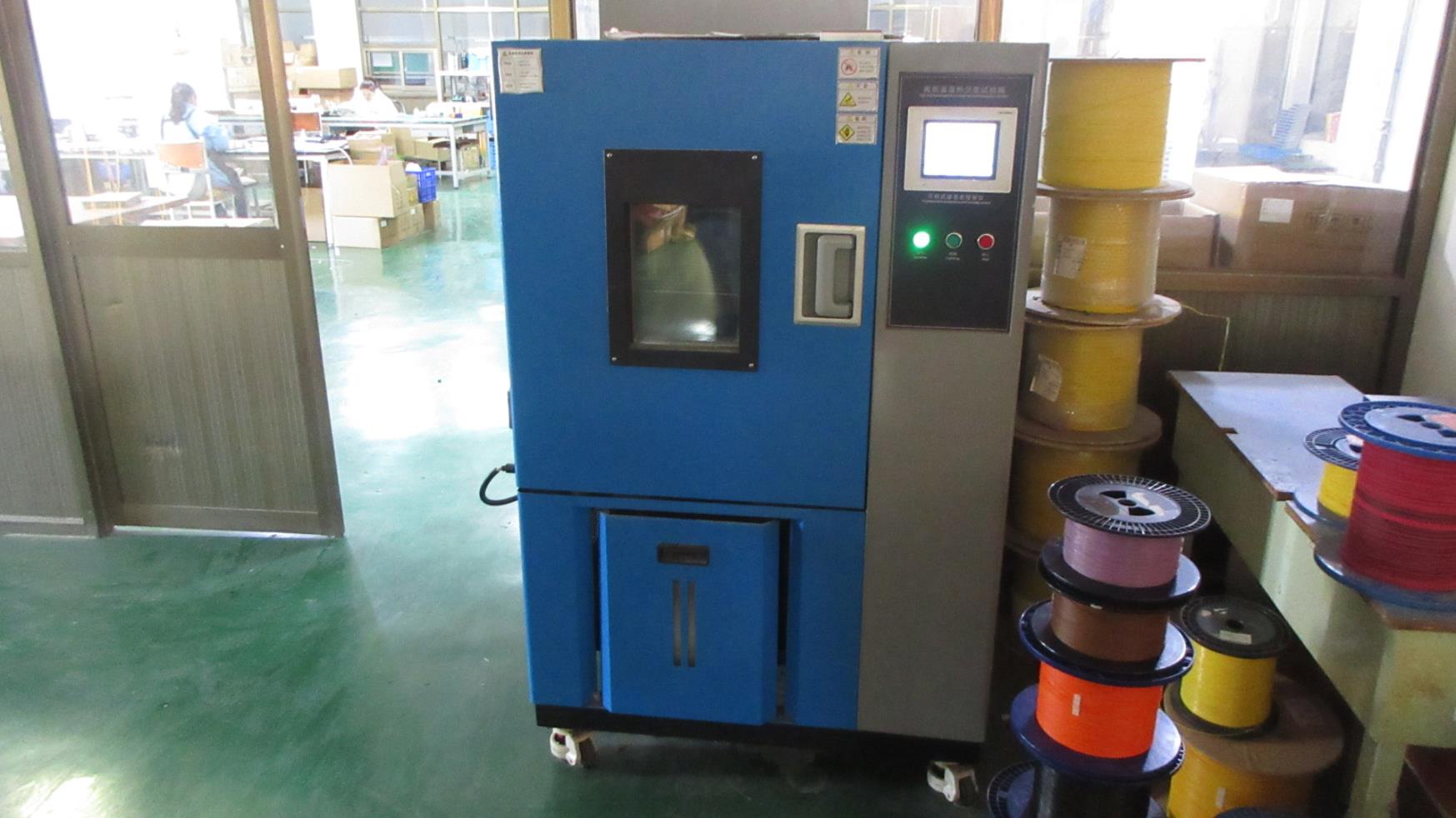
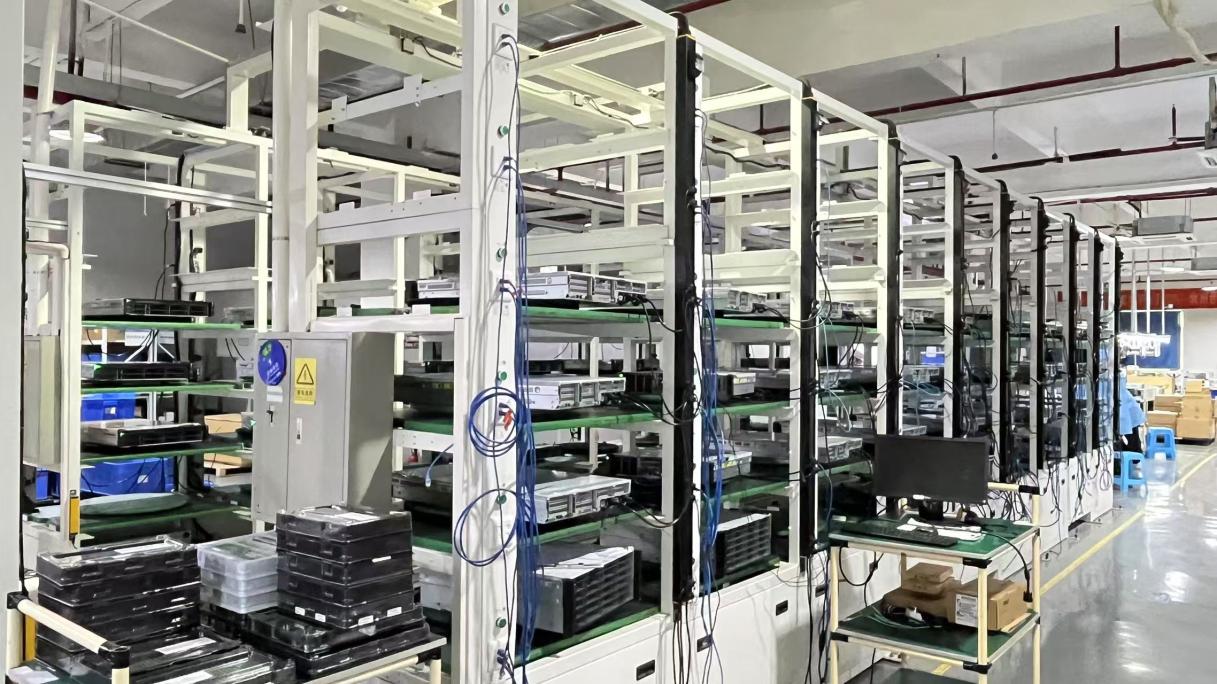
Every single controller board and UVC system undergoes a rigorous testing program before leaving our factory doors, ensuring long-term operational safety:
Optimizing radiant flux density and operational lifetime through advanced heat dissipation engineering.
While low-pressure mercury vapor lamps remain highly cost-effective for large-volume air duct sterilizers, the industry is quickly transitioning to solid-state UVC LEDs. LEDs provide instant-on capabilities, operate without toxic mercury, and offer flexible physical form factors. However, UVC LEDs run with a low wall-plug efficiency (typically 2% to 6%), meaning most of the input power is converted into heat. If this heat is not managed properly, the junction temperature rises, causing a drop in UVC optical output and reducing the LED's operational life.
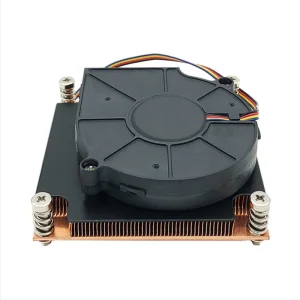
Leveraging our manufacturing expertise with copper CPU cooling modules (like the LGA115X-1U3E series), we design custom copper heat sinks and metal-core PCBs (MCPCBs) specifically for high-power UVC arrays. This keeps junction temperatures below 60°C, extending LED lifespans past 15,000 hours.
Smart disinfection grids require continuous monitoring of safety interlocks and room occupancy sensors. Our controller boards utilize high-speed RAM and flash memory to track sensor inputs in real-time, preventing false triggers and keeping logging data accurate.
Engineered for seamless integration across demanding global commercial, medical, and municipal operations.
Automated disinfection units for hospitals, operating rooms, and biosafety laboratories. Integrated motion-radar systems ensure sterilization runs only when spaces are vacant, meeting strict clinical safety standards.
High-output UVC lamps positioned directly within centralized HVAC ductwork break down airborne viruses and mold spores. Optimized airflow calculations help maintain sterilization efficacy even at high flow rates.
UVC systems built for sub-zero food processing facilities and transport containers. Engineered to resist condensation and maintain stable radiation output at temperatures as low as -20°C.
Ensuring steady material supply, rigorous quality assurance, and complete regulatory compliance across all export regions.
In today's highly variable market, maintaining a resilient supply chain is critical. Corexis relies on partnerships with over 1,120 reliable suppliers for direct access to premium silicon wafers, quartz glass tubes, and raw copper stocks. Operating our own automated SMT lines allows us to rapidly prototype control boards, transition smoothly to high-volume manufacturing, and keep production schedules predictable even during global shortages.
Our UVC lighting solutions are fully certified to meet the European Economic Area's safety, health, and environmental standards. We strictly adhere to safety and compliance testing across three main areas:
An inside look at our 21,800 m² modern clean-room facility, SMT assembly lines, and component storage rooms.
Common technical questions answered by our engineering and regulatory compliance department.
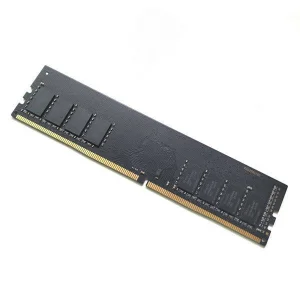
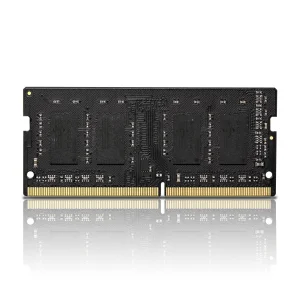
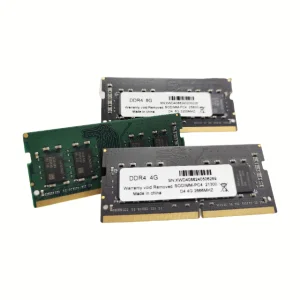
Browse our selection of OEM-grade memory modules, processing boards, and system components built for demanding commercial operations.
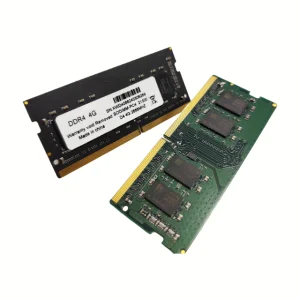
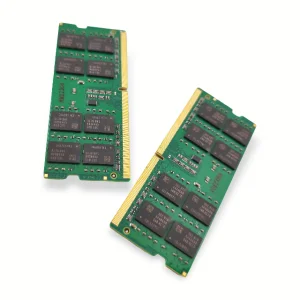
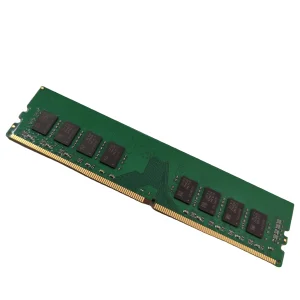
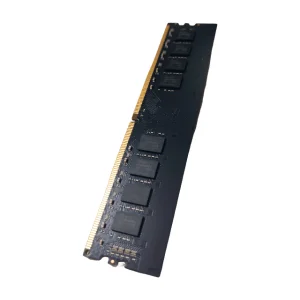
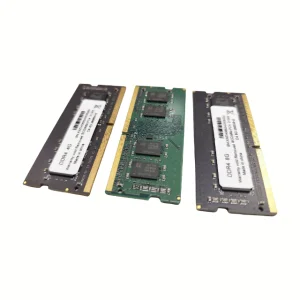
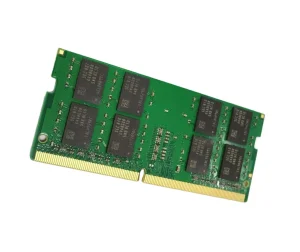
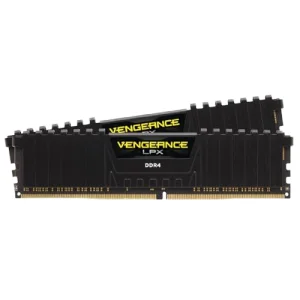
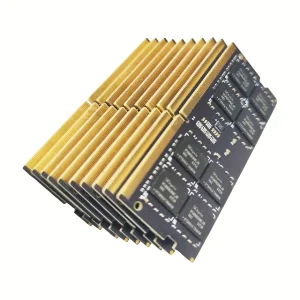
 Corexis Memory