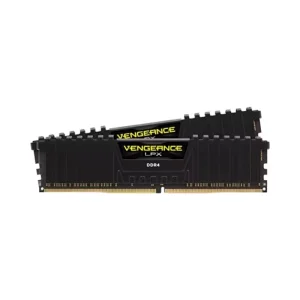
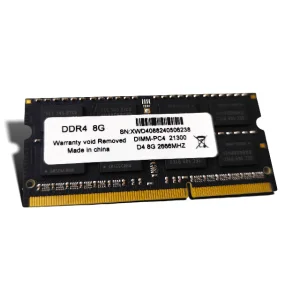
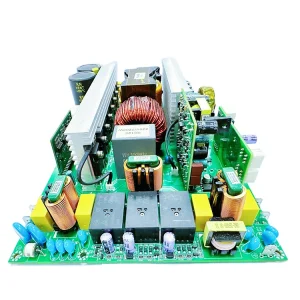
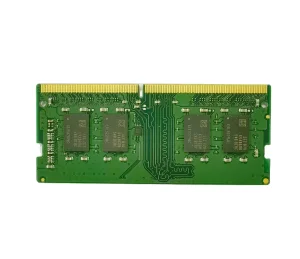
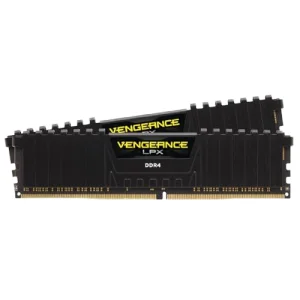
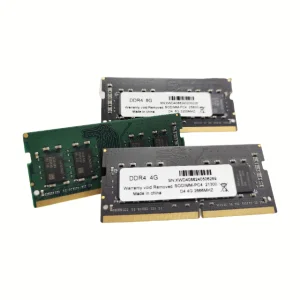
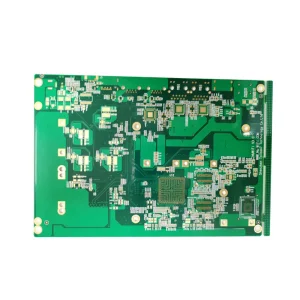
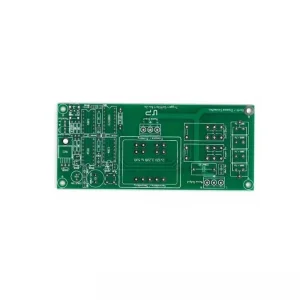
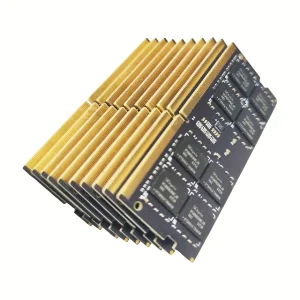
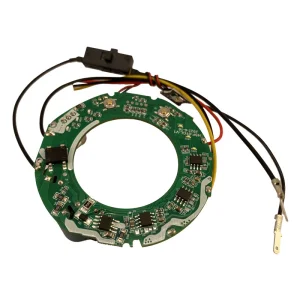
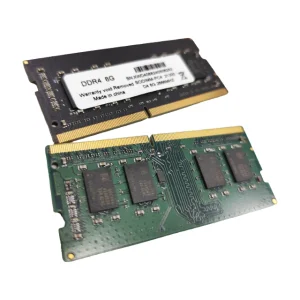
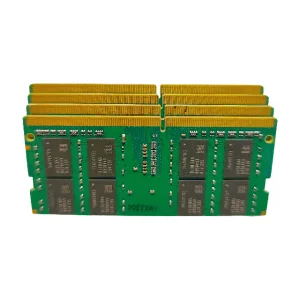
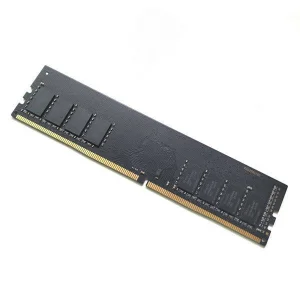
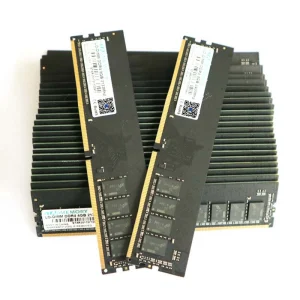
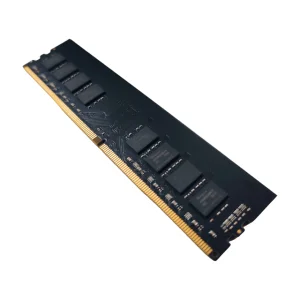
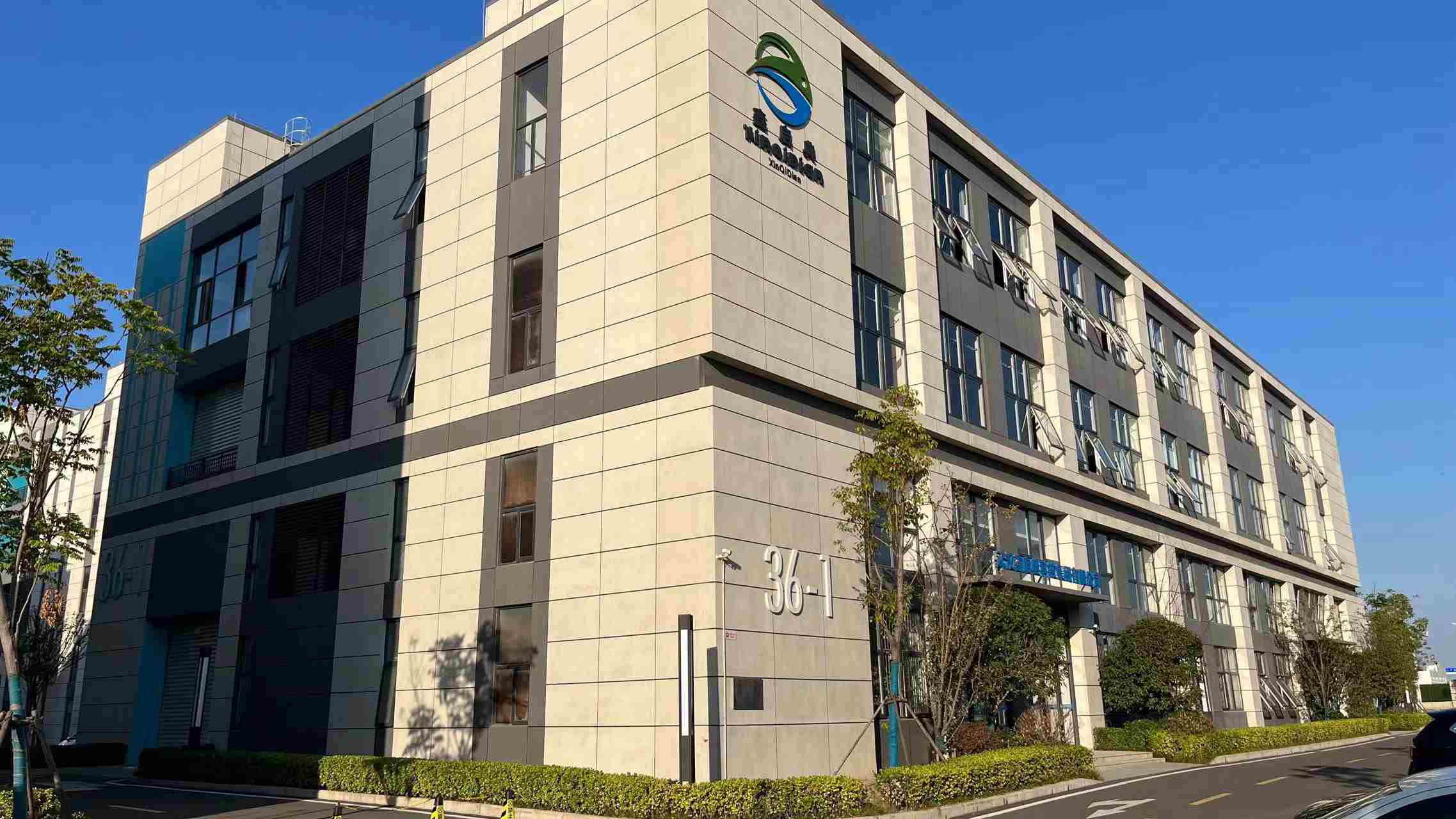
Established in 2016, Corexis Memory Technology Co., Ltd. is a professional manufacturer dedicated to delivering high-performance memory (DRAM, DDR4, DDR5) and advanced PCBA solutions for global OEMs, ODMs, and brand system integrators. Operating a modern, state-of-the-art facility covering 21,800 m², we integrate full-lifecycle production—from custom PCB design and SMT placement to micro-soldering, quality assurance, and direct international logistics.
Smart home devices rely on robust processing and immediate storage retrieval to run communication protocols like Matter, Zigbee, Thread, and Wi-Fi. Our production lines are optimized for high-mix, high-reliability products, matching the demands of system-on-modules (SoM), single-board computers (SBC), and IoT control circuits. Our engineering teams configure storage chips and build controller assemblies that guarantee minimal latency and maximal operating lifetimes.
As the Internet of Things (IoT) matures, smart home networks are transitioning from cloud-dependent configurations to localized hybrid execution. When smart hubs, voice control nodes, and security recording panels process command inputs locally (Edge AI), data processing throughput spikes. Memory bottlenecks or hardware component failure directly compromises the entire ecosystem's reliability.
Advanced voice matching, facial recognition smart locks, and continuous motion analysis cameras require high-frequency RAM (DDR4/DDR5) to cache and process incoming video/audio feeds instantly before cloud transmission.
Modern PV (Photovoltaic) smart inverters and control boards require highly stable circuitry. Corexis custom PCBAs manage grid feedback loops, thermal cooling states, and direct power management to avoid spikes in residential solar setups.
Residential hubs and building gateways coordinate hundreds of terminal nodes. Using ECC (Error-Correcting Code) memory blocks ensures that systemic cosmic-ray bit flips or electrical anomalies do not trigger system reboots or automation freezes.
For importers and distributors targeting the European Economic Area (EEA), CE Certification is not optional—it is a legal gateway. When smart devices carry wireless transceivers (Wi-Fi, Bluetooth, Zigbee) and interface with primary grid networks, they must comply with multiple directives:
Ensures that smart home devices using wireless spectrum do not cause harmful interference. Our RF design practices and PCBA shielding layouts are systematically validated to prevent frequency drift and power radiation leakage.
Scope: IoT Gateways, Smart Switches, Embedded Wi-Fi Controllers.Directs hardware systems to operate safely under normal electrical fluctuations and guarantees no electrostatic discharge (ESD) ruins component integrity. Low Voltage Directive (LVD) 2014/35/EU governs safety clearances on power-carrying traces.
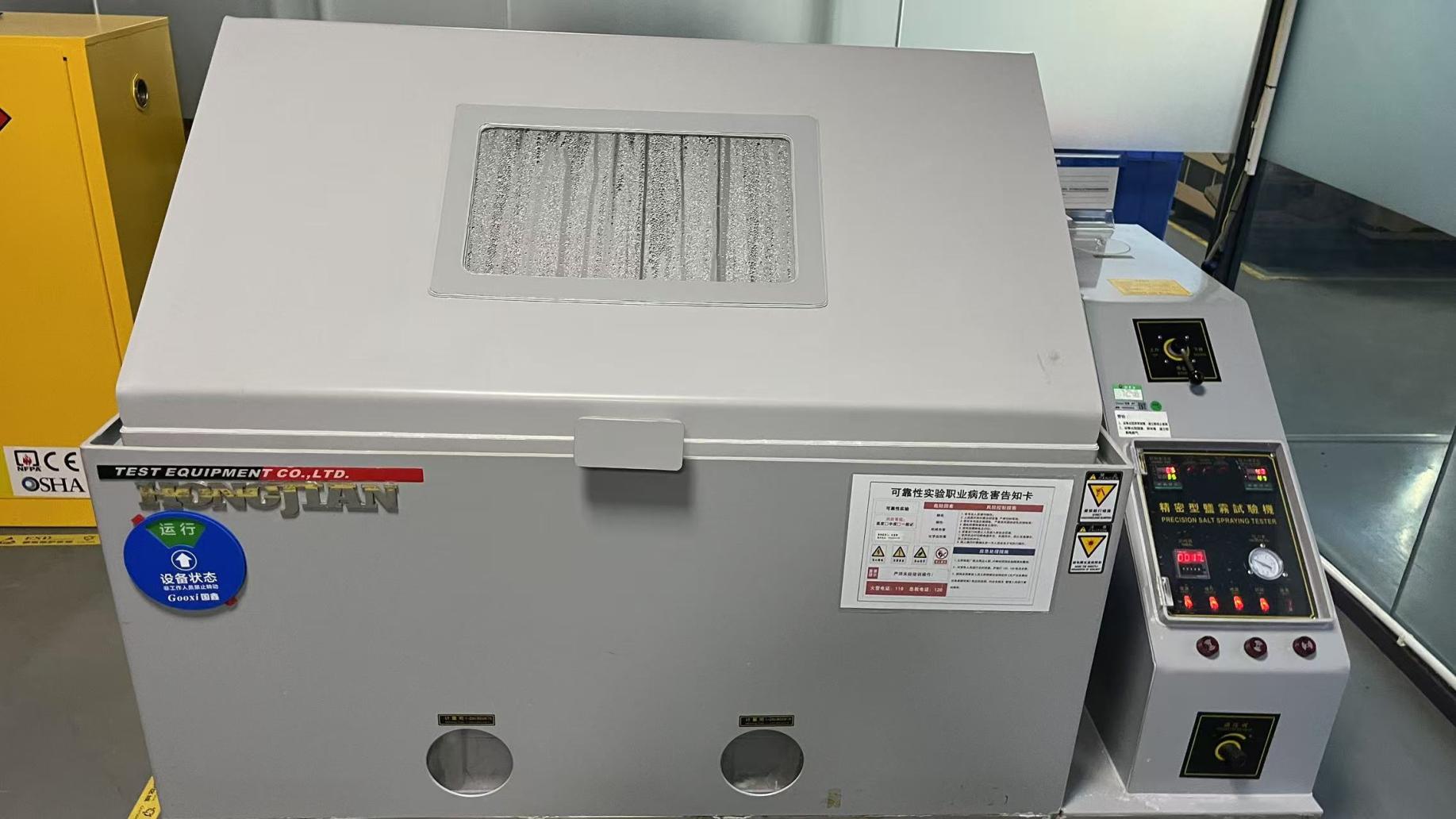
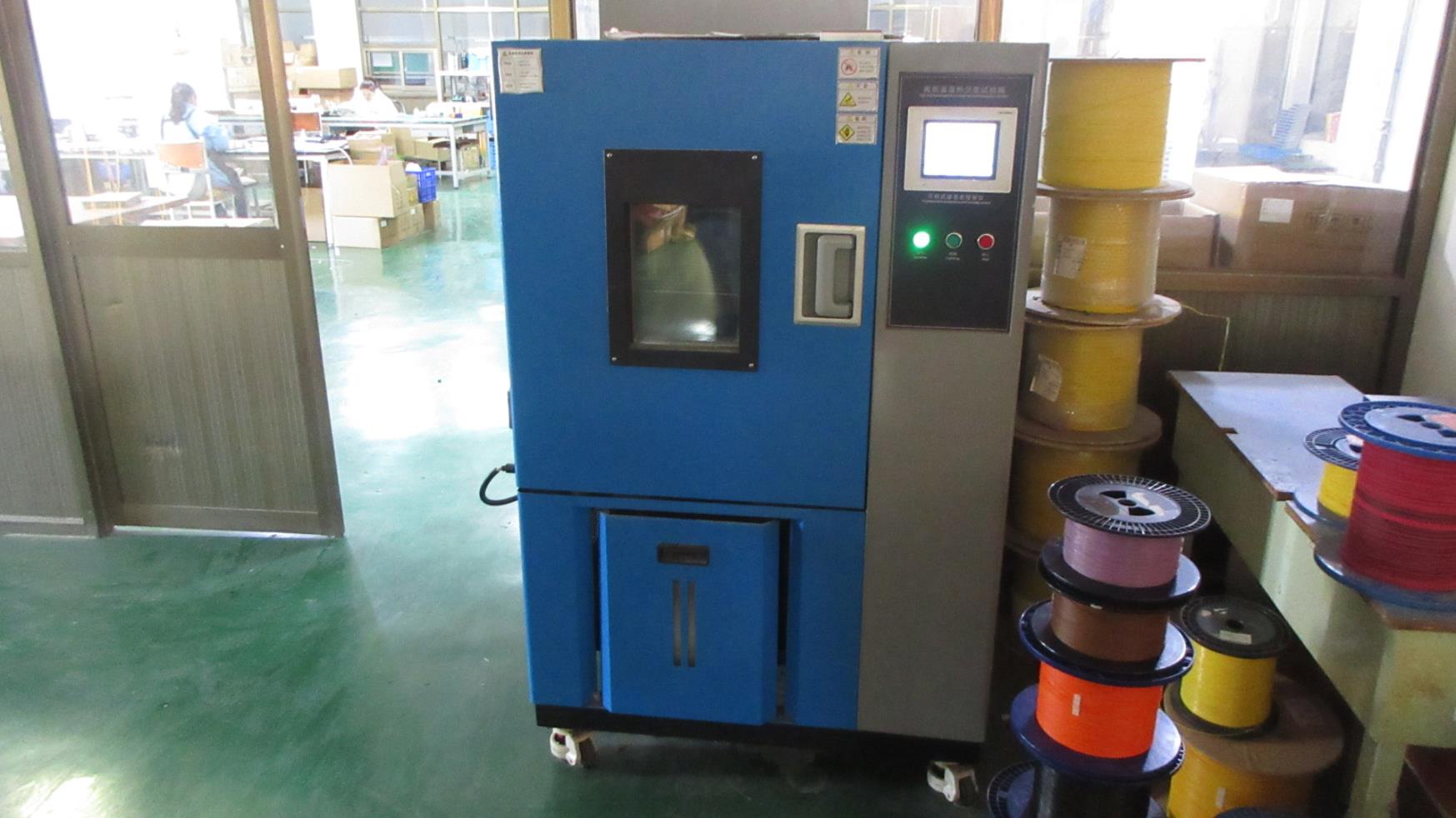
Scope: Smart Power Plugs, Inverters, Wall Dimmer Switches.At Corexis, compliance starts at the raw material phase. We deploy Incoming Material Inspection (IQC) to verify that all components are lead-free and conform to RoHS/WEEE environmental guidelines. Our internal testing processes include:
Procuring from China's premier electronic cluster gives global buyers unmatched pricing, component access, and scalability benefits. The concentration of component manufacturing around Shenzhen enables rapid product development cycles that cannot be replicated elsewhere:
From raw fiberglass substrates to multi-layer FR4 boards and advanced chip packaging, our local partners allow us to source components rapidly, avoiding international logistics friction.
With 128 R&D engineers, we can transition layout concepts to physical, tested PCBA mockups within 48 to 72 hours. This design speed is critical for fast-moving IoT markets.
Our facility sits at the heart of South China's distribution hub. This proximity allows for direct sea, air, and express transport routes, minimizing transit delay times to Europe and the Americas.
Understanding the macro trends of the smart home industry allows Corexis to design forward-compatible products. If you are developing new products for global distribution, consider the following technology shifts:
The unified Matter protocol simplifies smart home setups by allowing local cross-brand operation. However, running a secure Matter network locally requires higher compute processing capability and memory resources at the hub level. Standardizing on high-frequency RAM like our DDR4/DDR5 options ensures gateways can maintain communication pathways across dozens of smart devices concurrently.
Privacy regulations push developers to shift surveillance processing away from the cloud. Modern cameras need high-speed local buffering memory to analyze video frames in real-time, sending only parsed metadata alerts to the user. Our custom high-speed memory modules provide the sustained write endurance these applications demand.
Corexis custom PCBAs and memory modules operate behind the scenes in many settings:
Thermostats and ventilation modules require constant temperature polling and relay control. Our FR4 custom control boards offer stable voltage lines and protection to ensure continuous heating/cooling operation.
Hardware Focus: Custom Control PCBAs.Integrating solar generation with household storage requires intelligent control. Our Photovoltaic Inverter PCBAs regulate fluctuating solar panel current into stable energy, providing battery status data to smart home apps.
Hardware Focus: Photovoltaic Inverter PCBAs.Smart multi-room speakers require high-fidelity processing. Our audio decoder and amplifier PCB assemblies process sound signals cleanly, allowing voice assistants to hear commands clearly.
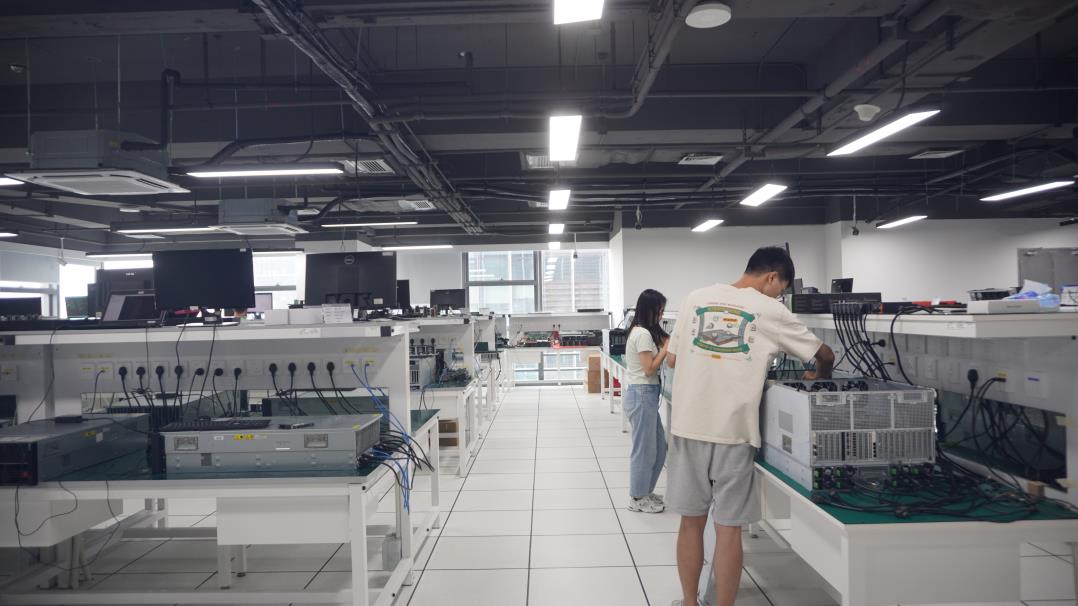
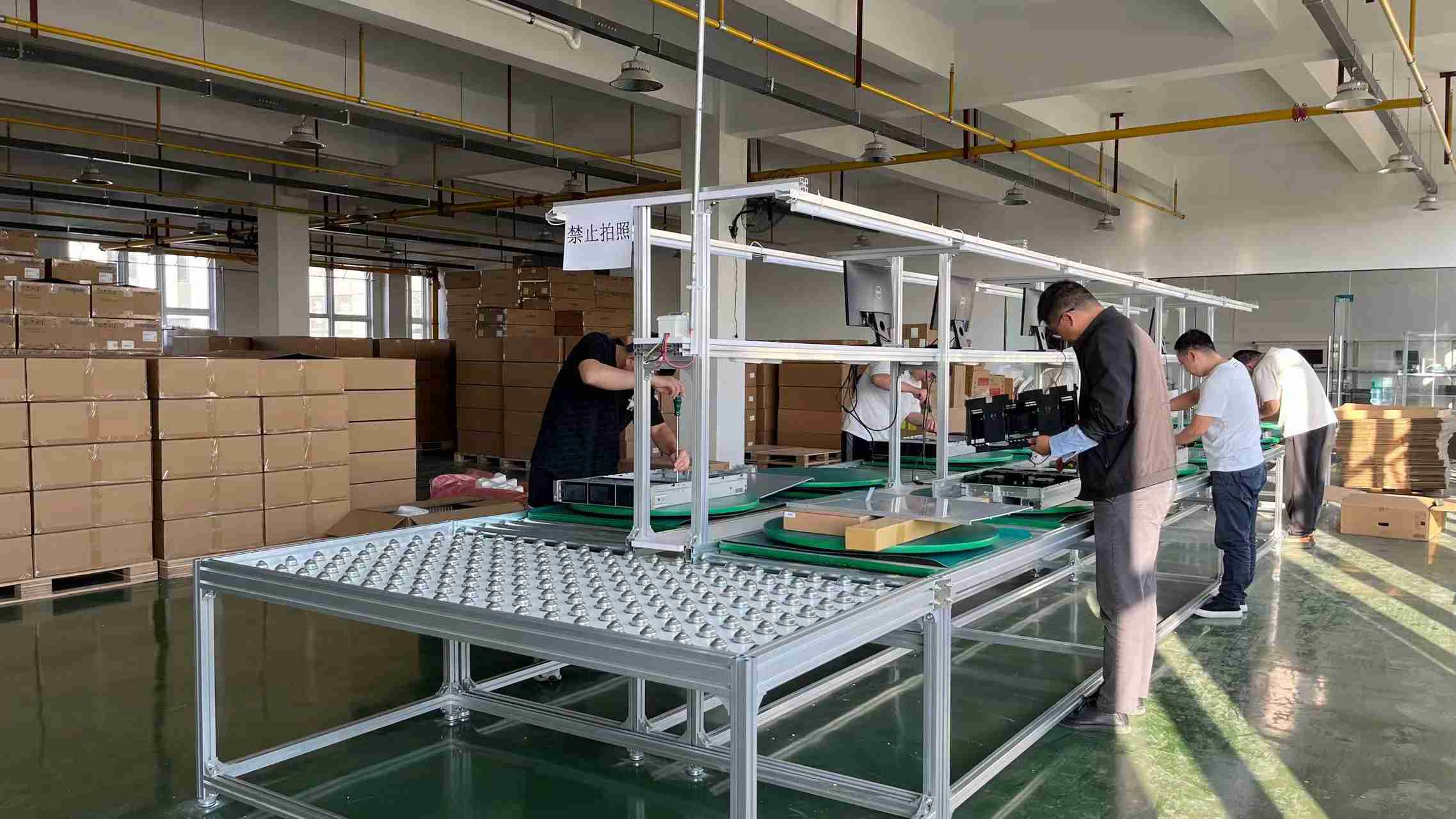
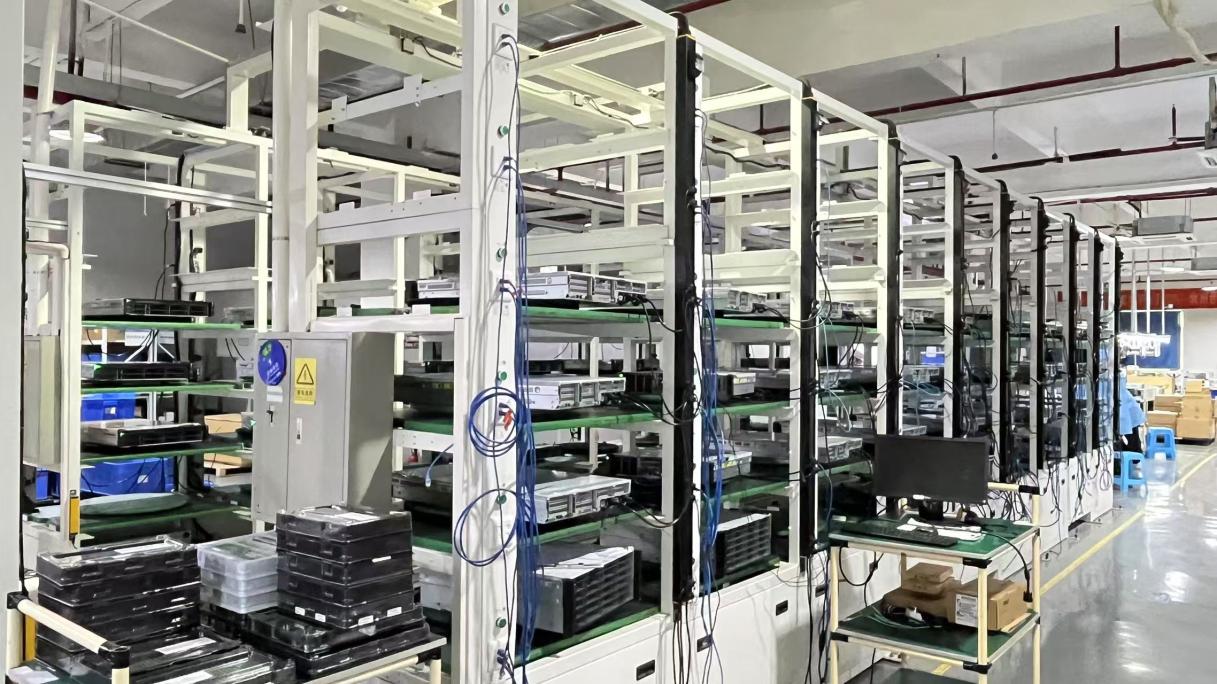
Hardware Focus: FR4 Audio Decoder PCBAs.Our 21,800 m² factory floor features high-precision SMT lines, X-ray inspection stations, thermal burn-in rooms, and optical scanners. View our operational setup:

 Corexis Memory