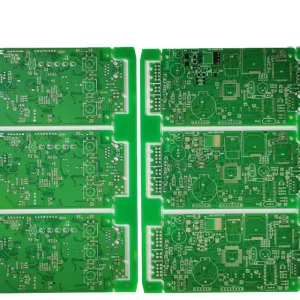
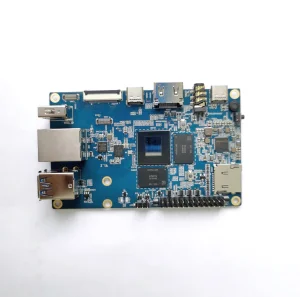
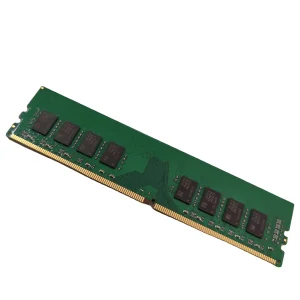
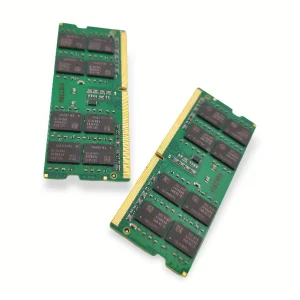
Explore our CE-compliant DRAM modules, server RAM components, and high-performance circuit substrates engineered for extreme heat dissipation environment.
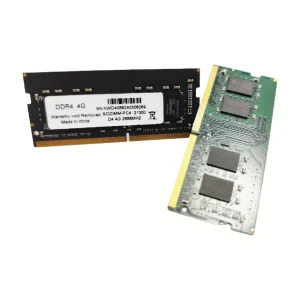
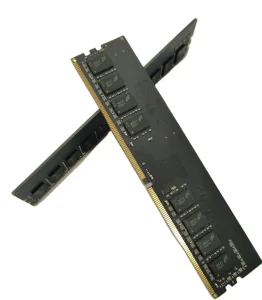
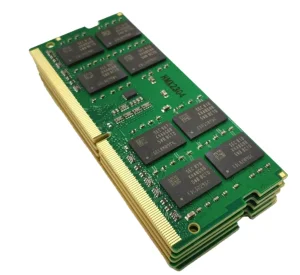
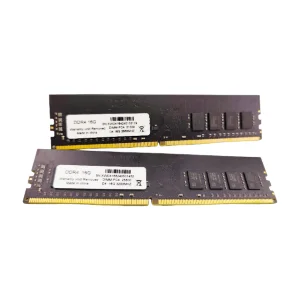
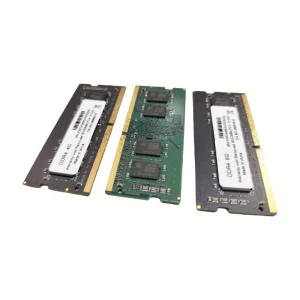
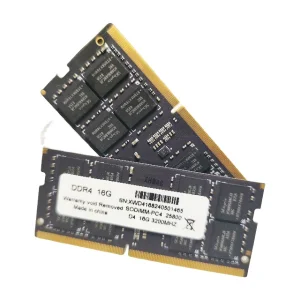
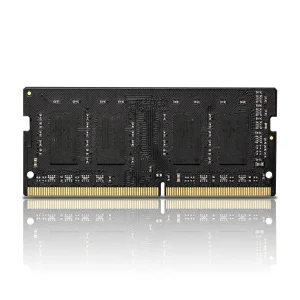
A premier manufacturing powerhouse establishing gold-standard thermal reliability and high-speed DRAM architecture across the international electronic supply chain.
Company Profile Overview: Corexis Memory Technology Co., Ltd. is a professional DDR5 memory manufacturer dedicated to delivering high-performance DRAM solutions for global OEM, ODM, and brand customers. Since its establishment in 2016, the company has focused on memory technology innovation, advanced manufacturing, and strict quality management. Our products are widely used in desktop PCs, laptops, servers, industrial computers, embedded systems, and AI applications.
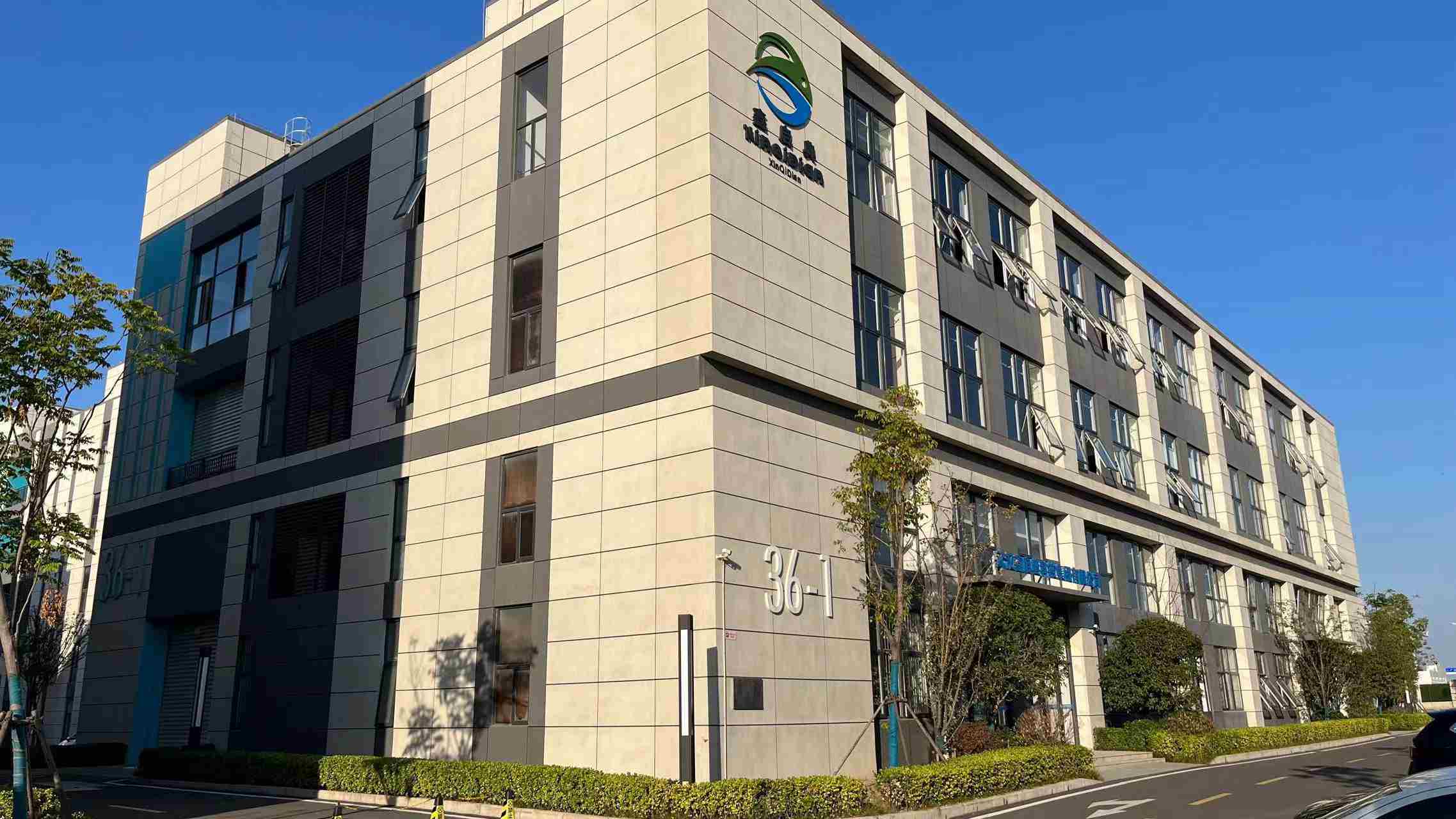
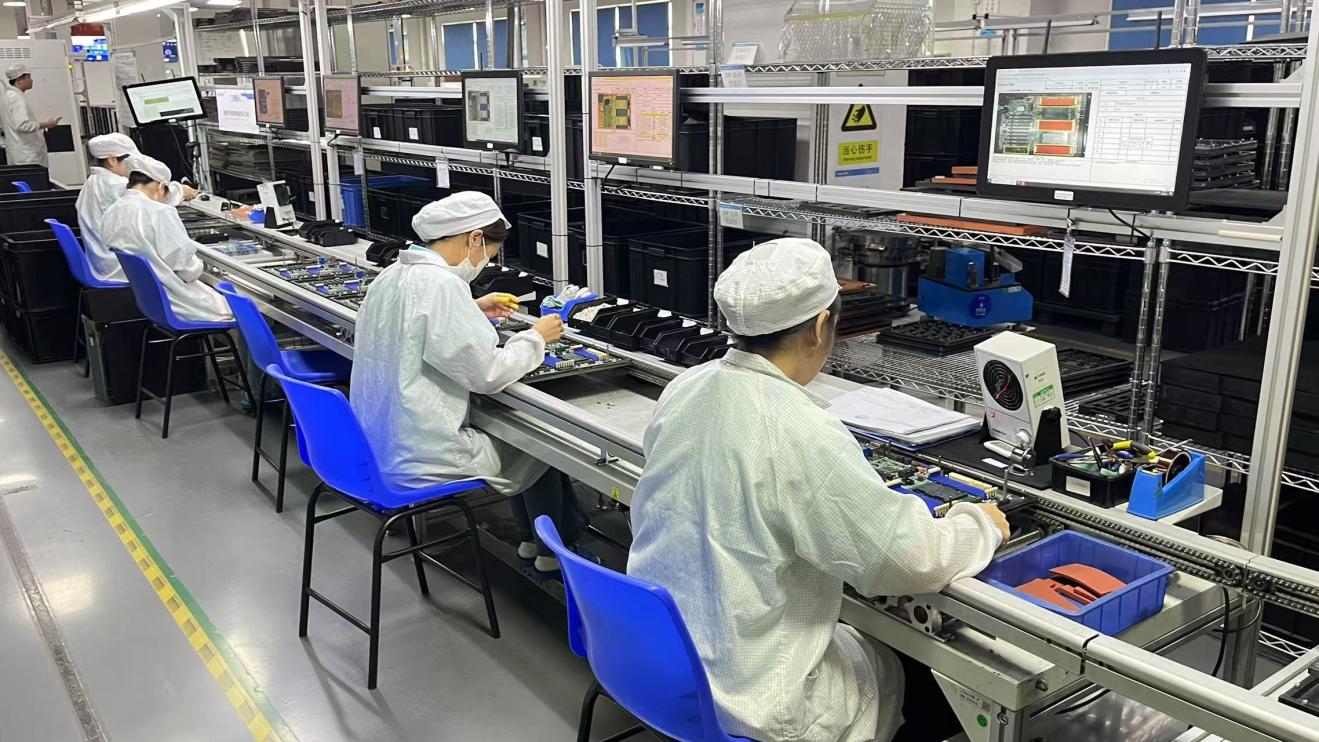
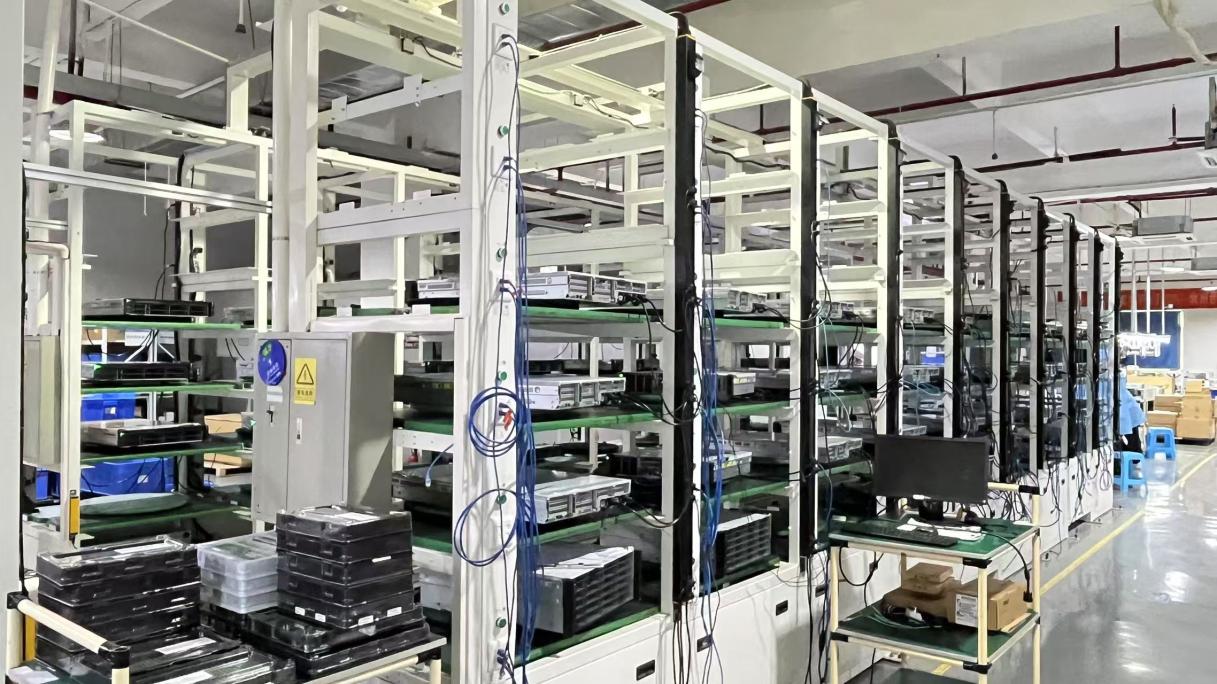
With a modern manufacturing facility covering 21,800 m², Corexis integrates R&D, SMT production, testing, packaging, and quality assurance under one roof. Our experienced engineering team continuously develops reliable and high-speed DDR5 memory products that meet international standards and the evolving demands of the global market.
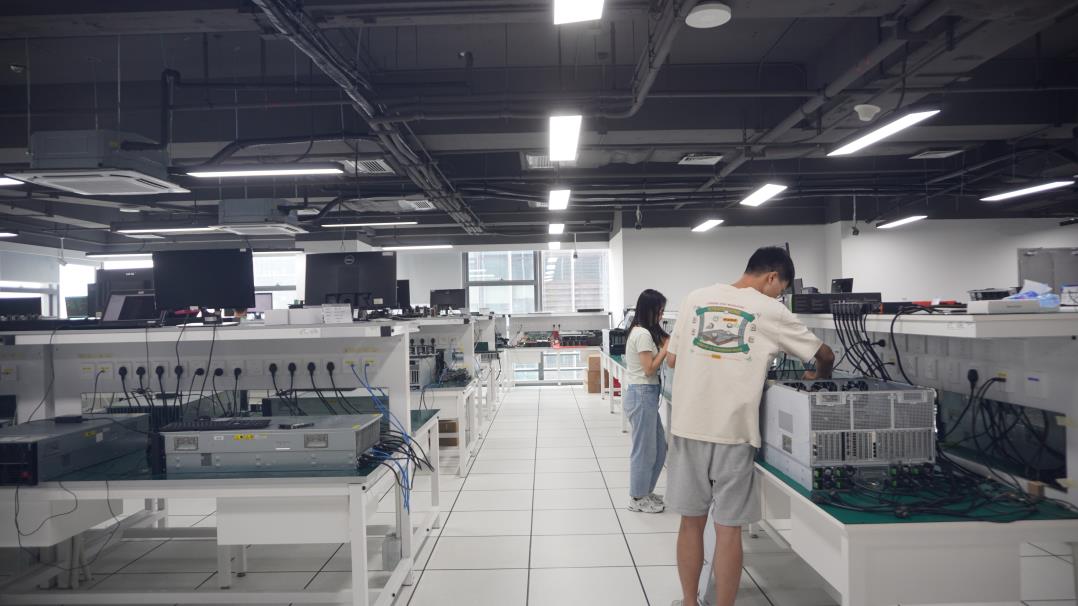
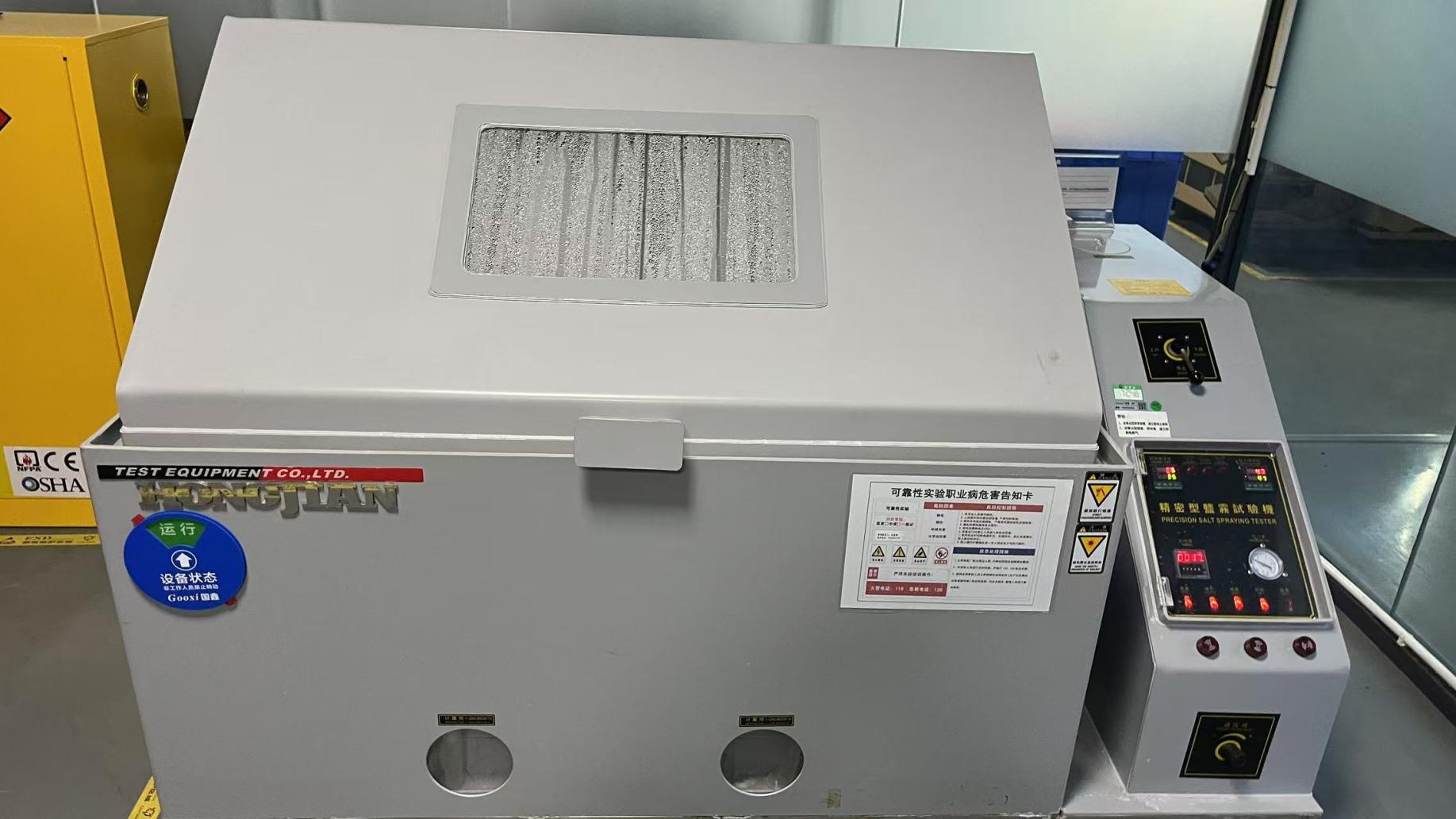
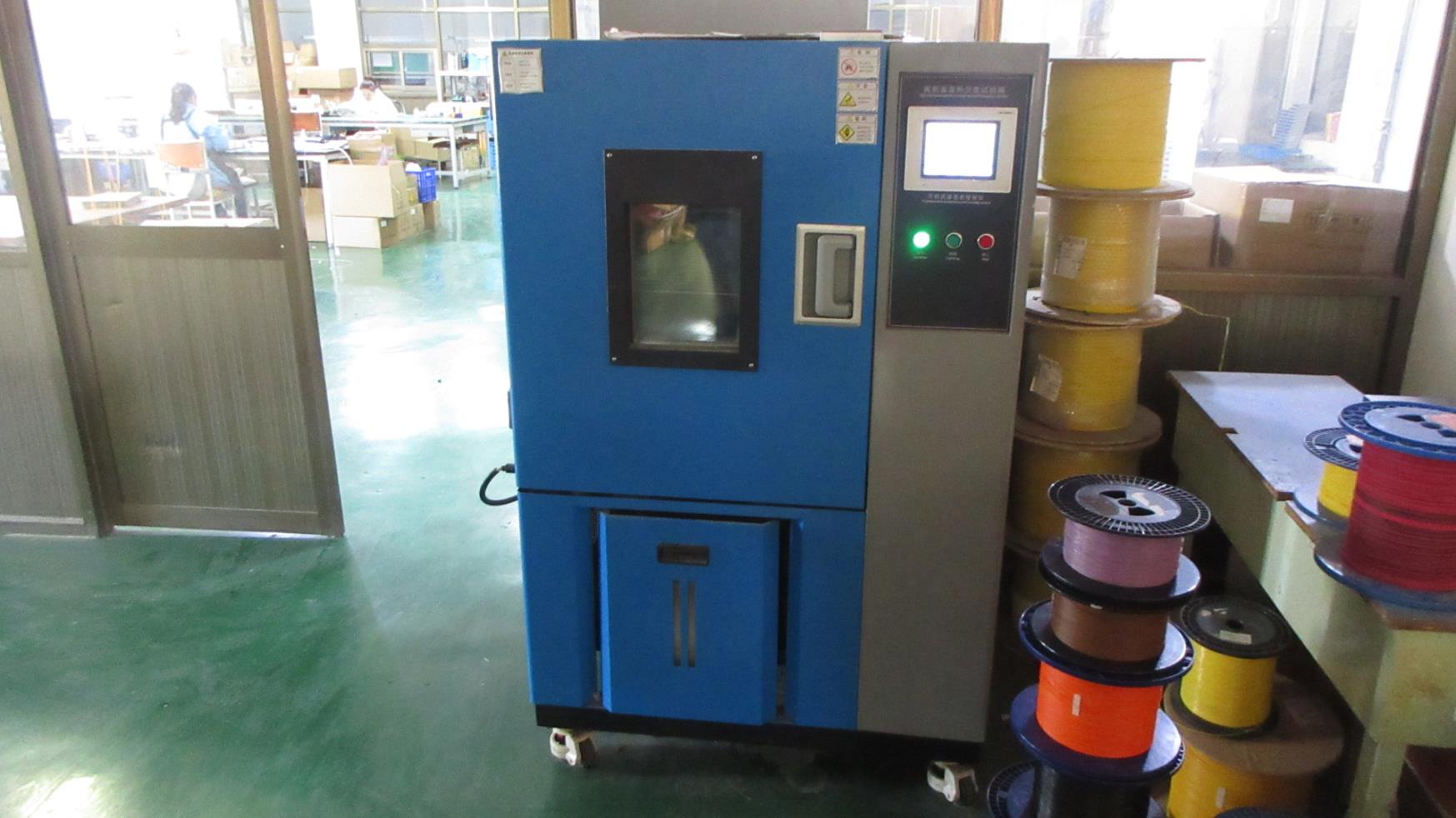
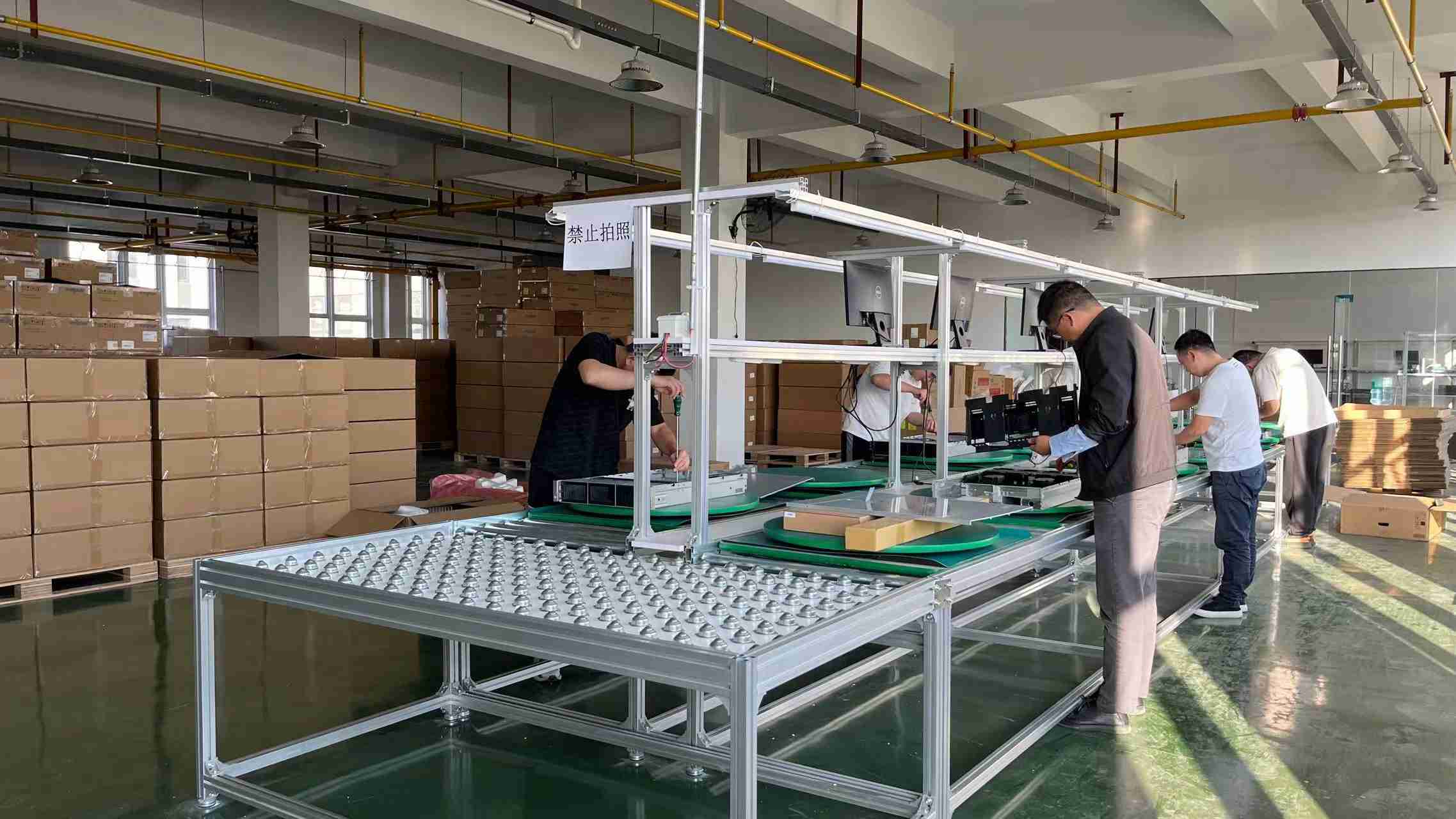
As microelectronic components undergo exponential miniaturization and power density escalation—driven by modern Artificial Intelligence (AI) workloads, high-speed DDR5 memory architectures, cloud data infrastructure, and automotive power electronics—thermal management has transitioned from a passive design consideration to a critical systemic bottleneck. Modern heat sink production requires specialized engineering precision, thermal modeling, and compliance standards such as the Conformité Européenne (CE) mark.
Global procurement teams evaluating **CE certified heat sink factories** must look beyond simple mechanical extrusion. High-performance thermal dissipation demands a comprehensive understanding of metallurgy, boundary layer thermal resistance, phase-change thermodynamics, and interfacial contact dynamics. Certified factories serve as the backbone for high-density computational stability, ensuring components like DDR4/DDR5 RAM kits, server memory arrays, audio amplifiers, and embedded edge systems operate within non-degrading junction temperature ($\Delta T_{j}$) boundaries.
Achieving true CE certification for heat sinks and integrated electronic assemblies requires adhering to multi-faceted European Union directives. While a passive metallic aluminum or copper heat sink itself may not always carry an independent CE voltage marking, when integrated with active components, thermal spreaders, dynamic liquid-cooling pumps, or printed circuit board assemblies (PCBAs), comprehensive CE compliance becomes mandatory.
China has established an unassailable technological and logistical supply chain infrastructure in advanced heat sink extrusion, skiving, CNC precision milling, and surface treatment. Factories in China offer unmatched capabilities that allow global enterprises to scale production while maximizing cost-to-performance metrics:
When engineering high-frequency RAM modules such as DDR4 ECC server memory or enthusiast DDR5 6000MHz kits, thermal management is paramount. Modern DRAM chips generate localized hot spots that can cause bit-flip errors, memory throttling, and degraded mean time between failures (MTBF).
The total thermal resistance ($R_{th}$) from the DRAM junction to the ambient air is governed by:
$R_{th(total)} = R_{th(junction-to-case)} + R_{th(TIM)} + R_{th(heatsink-to-ambient)}$
Leading factories minimize $R_{th(TIM)}$ by integrating high-phase-change thermal pads (thermal conductivity > 6.0 W/m·K) and applying mechanical clamping force optimized between 15 to 30 PSI, ensuring zero micro-air gaps between the IC substrate and the aluminum heat spreader.
Enterprise procurement directors, system integrators, and industrial motherboard manufacturers require strict verification protocols when auditing **CE certified heat sink factories**. To mitigate supply chain risks, buyers must evaluate potential manufacturing partners against four primary performance criteria:
As power densities exceed 500 Watts per socket in next-generation AI server acceleration cards and dense edge computers, traditional solid aluminum extruded heat sinks are approaching their physical cooling limits. Future trends in thermal engineering include:
Technical answers addressing buyer intent, compliance protocols, and thermal engineering specifications.
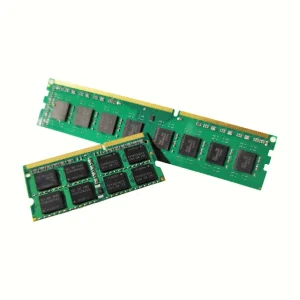
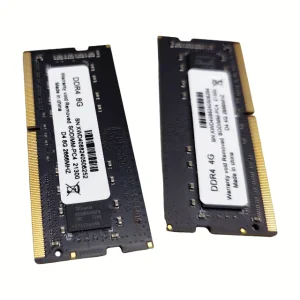
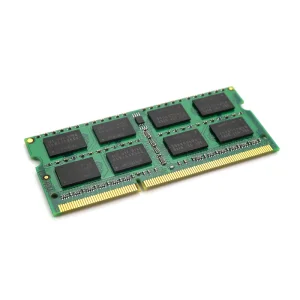
High-performance DDR4/DDR5 modules, NPU development boards, and industrial PCB assemblies ready for global OEM distribution.
 Corexis Memory