Corexis Memory
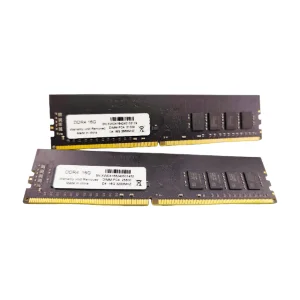
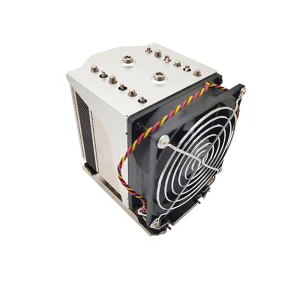
Engineered to support regional deployments requiring optimized thermal dissipation, low Z-axis coefficients of thermal expansion, and seamless server system integration.
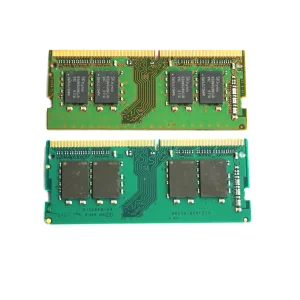
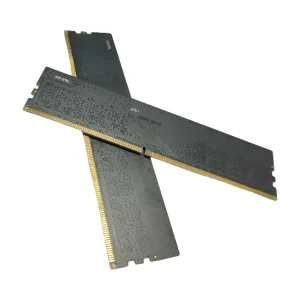
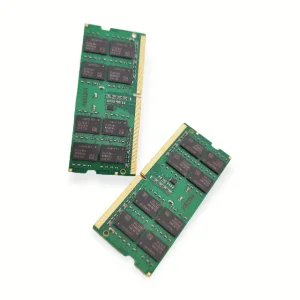
The industrial and commercial landscape of the United Arab Emirates (UAE) is undergoing a major paradigm shift. Driven by national strategies such as the Abu Dhabi Industrial Strategy (ADIS) and Operation 300bn, the nation is transitioning rapidly towards localized, high-value tech manufacturing, automation, oilfield digitalization, and complex edge computing structures. However, deployment within the GCC region presents unique environmental challenges. Ambient temperatures exceeding 50°C during peak desert summer demand specialized engineering parameters for electronics.
This is where High-TG (Glass Transition Temperature) PCBs become essential. Glass Transition Temperature refers to the temperature range in which an amorphous polymer resin matrix transitions from a rigid, glass-like state to a flexible, rubbery state. Standard FR-4 PCBs utilize a resin system with a Tg of 130°C to 140°C. Under thermal stress, these materials degrade rapidly, causing delamination, trace ruptures, and barrel cracking due to thermal expansion mismatch in the Z-axis. For mission-critical tasks in the UAE, utilizing boards with a Tg value of 170°C, 180°C, or higher is mandatory.
By using High-TG base laminates (such as IT-180A, Shengyi S1000-2, or Isola 370HR), UAE procurement officers can ensure structural integrity, reduced Z-axis coefficient of thermal expansion (CTE), and sustained impedance control across wide temperature deltas.
Understanding the mechanical and thermal characteristics that set High-TG materials apart from standard FR-4 laminates.
| Material Parameter | Standard FR-4 (Low-Tg) | Mid-Tg FR-4 | High-TG FR-4 (Industrial Standard) |
|---|---|---|---|
| Glass Transition Temp (Tg) | 130°C - 140°C | 150°C - 160°C | ≥ 170°C - 180°C |
| Decomposition Temp (Td) | ≤ 310°C | 325°C | ≥ 340°C - 350°C |
| Z-Axis CTE (Before Tg) | 55 - 60 ppm/°C | 45 - 50 ppm/°C | 30 - 45 ppm/°C |
| Z-Axis CTE (After Tg) | 270 - 300 ppm/°C | 250 ppm/°C | 200 - 220 ppm/°C |
| T260 Delamination Time | < 10 minutes | 20 - 30 minutes | ≥ 60 minutes |
| T288 Delamination Time | N/A | < 5 minutes | ≥ 15 - 30 minutes |
| CAF Resistance | Low | Moderate | High (Excellent for High-Humidity/Saline zones) |
How high thermal-stability electronics drive key infrastructure and technological projects across Abu Dhabi, Dubai, and the Northern Emirates.
Oil & Gas drilling operations demand electronic control units placed directly near drill bits. High-TG PCBs combined with polyimide laminates handle ambient temperatures up to 200°C in downhole systems.
UAE’s vast solar farms (e.g., Mohammed bin Rashid Al Maktoum Solar Park) feature solar trackers and central inverters operating in direct sunlight where internal casing temperatures hit 85°C+.
Regional smart cities and automated transit networks rely on roadside cabinets containing processing units. High-TG designs prevent thermal drift and preserve high-frequency signal integrity.
The global electronics supply chain has experienced considerable volatility, directing attention toward agile procurement strategies. High-TG board manufacturing requires sophisticated multi-stage processes including precise inner-layer registration, high-pressure lamination, customized drilling parameter management for high-hardness resins, and precise plating controls. Standard SMT (Surface Mount Technology) assembly lines cannot handle high-Tg substrates without specialized, multi-zone reflow profiles to avoid micro-delamination.
For UAE tech firms, sourcing from established Chinese factories offers significant advantages:
Access to raw materials (Isola, Rogers, Taconic, Shengyi, Kingboard laminates) allows lead times of 5-7 days for complex multi-layer designs, compared to weeks in other regions.
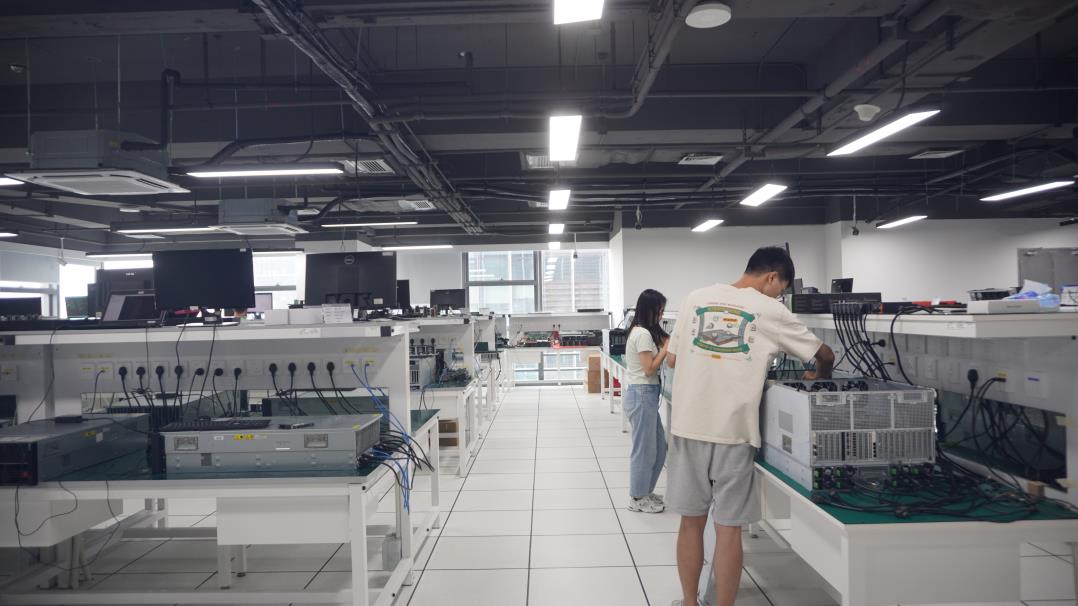
Facilities like Corexis Memory Technology house advanced high-speed Yamaha and Fuji SMT placement lines, AOI (Automated Optical Inspection), and X-Ray verification tools.
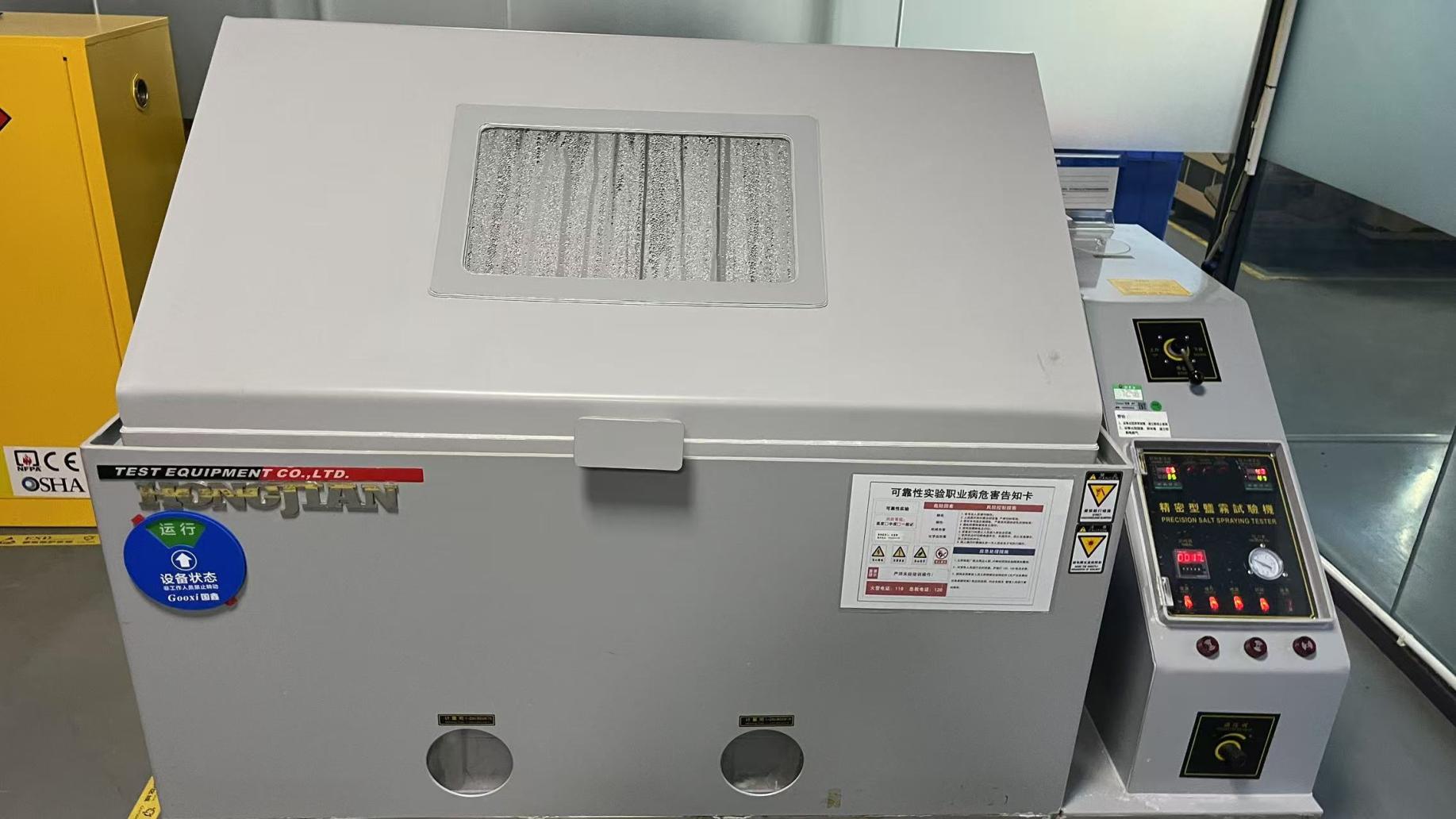
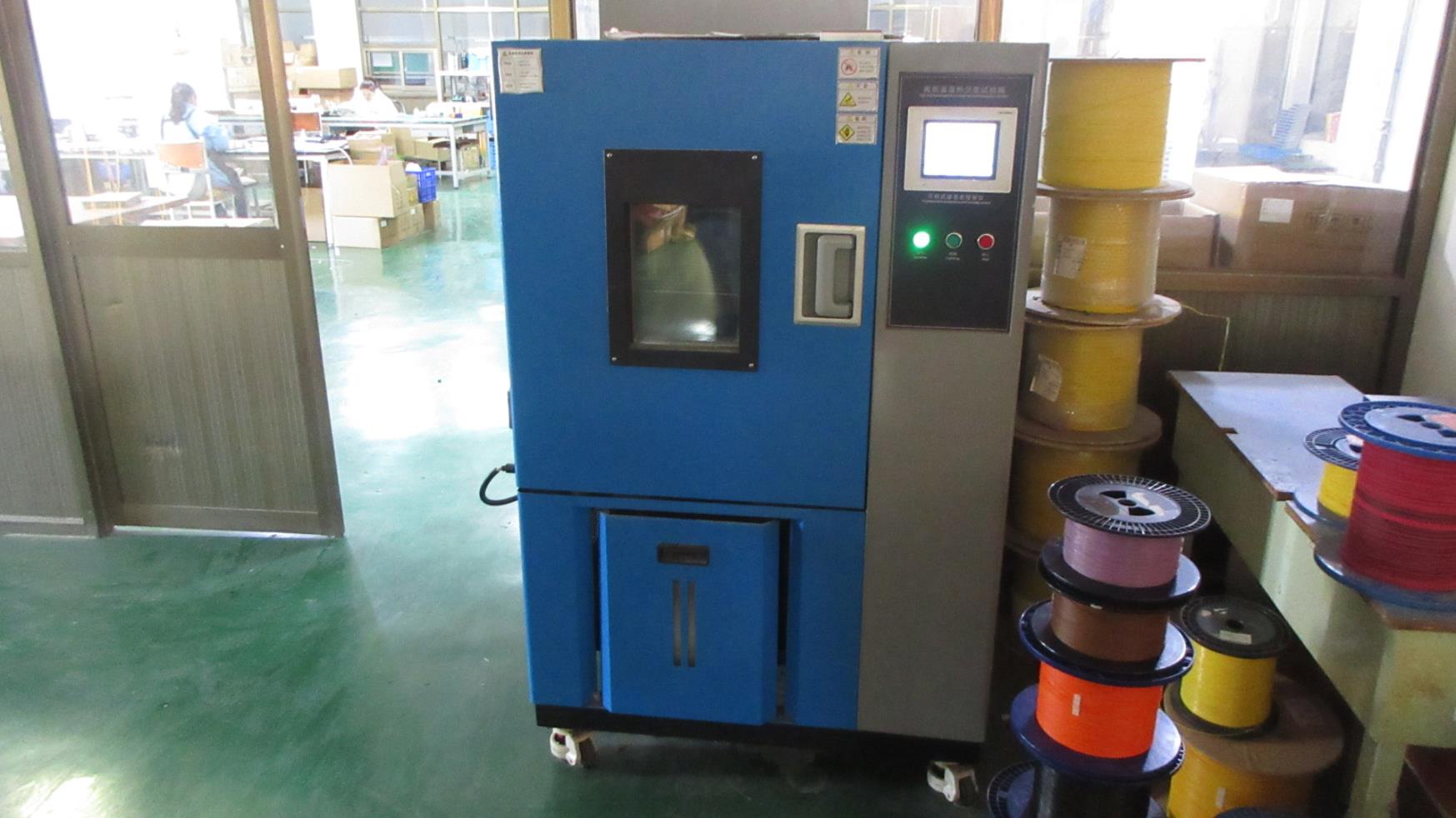
Multi-step quality control structures covering IQC (Incoming), IPQC (In-Process), FQC (Final Quality Control), and OQA (Outgoing Quality Assurance) ensure zero field failures.
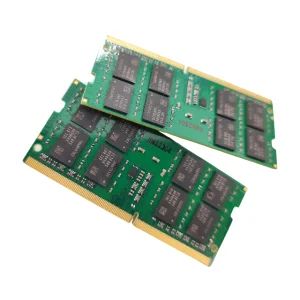
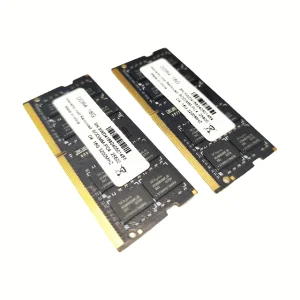
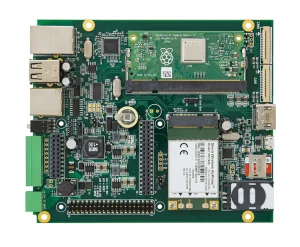
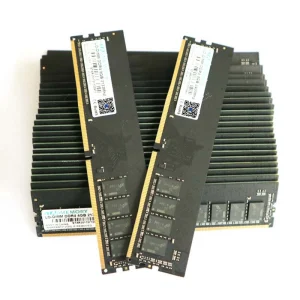
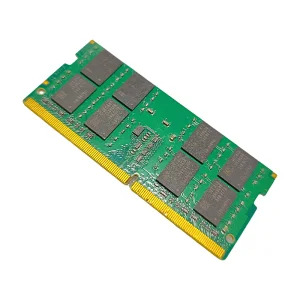
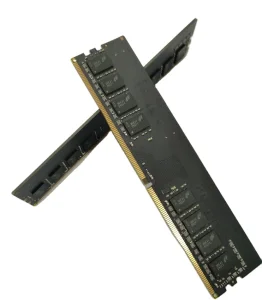
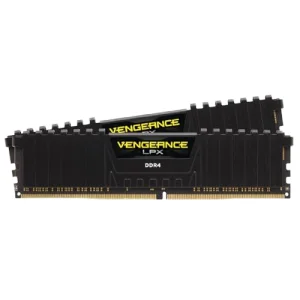
A primary bottleneck in modern high-speed designs is the interface between the High-TG motherboard and memory components. Sourcing these separately introduces assembly alignment risks and high logistics fees. Chinese electronic manufacturers mitigate this risk by offering combined turnkey services: high-TG board design, localized PCB fabrication, direct-factory memory component SMT assembly (e.g., DDR4/DDR5 high-speed server memory), and integrated functional verification. This complete process optimizes time-to-market and performance variables.
Corexis Memory Technology Co., Ltd. is a professional DDR5 memory and high-reliability PCB assembly manufacturer dedicated to delivering high-performance hardware and DRAM solutions for global OEM, ODM, and brand customers. Since our establishment in 2016, we have focused on memory technology innovation, advanced PCB/SMT manufacturing, and strict quality management systems.
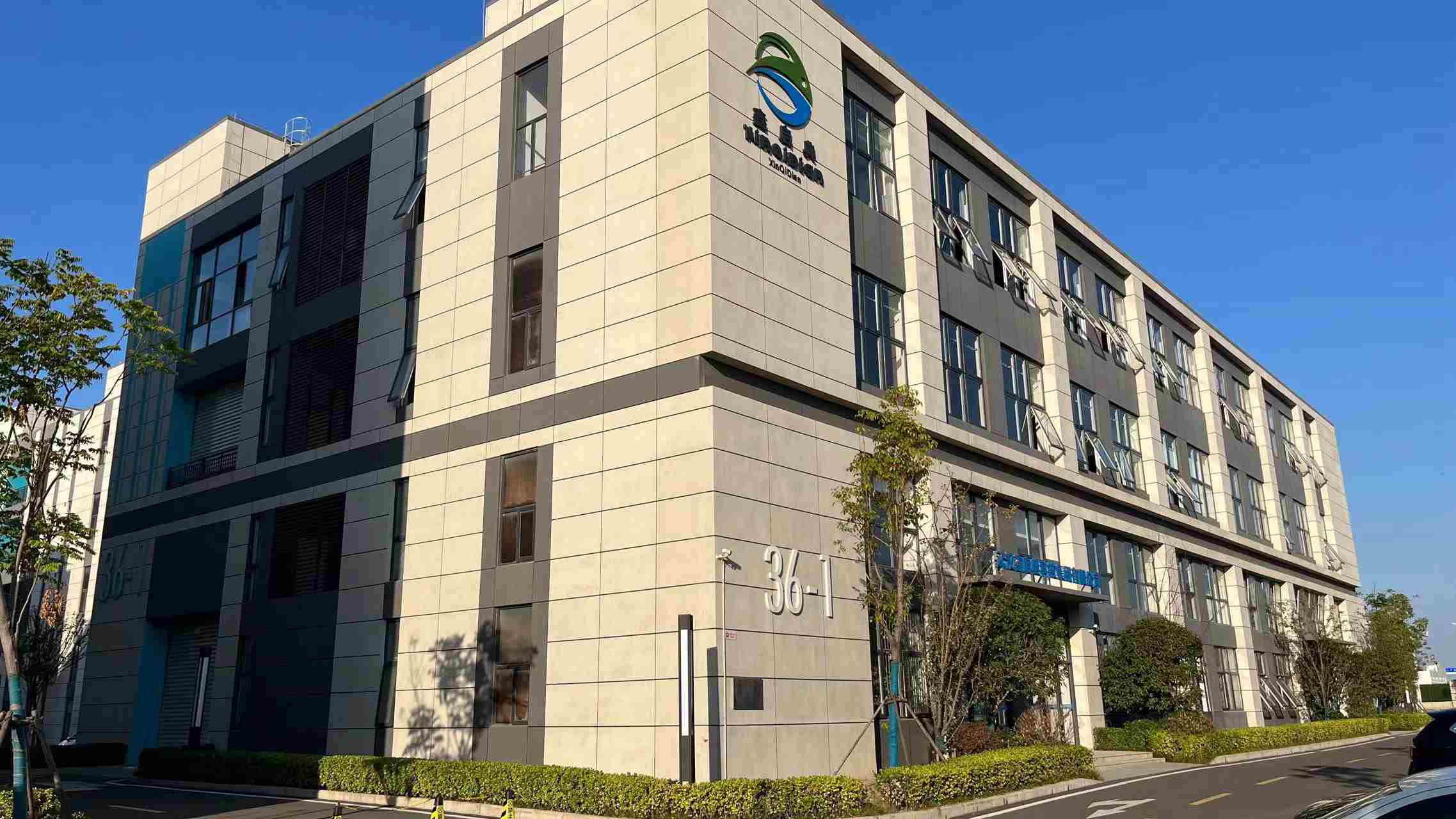
With a modern manufacturing facility covering 21,800 m², Corexis integrates R&D, SMT production, testing, packaging, and QA under one roof. Our experienced engineering team continuously designs reliable and high-speed DDR5/DDR4 memory products that meet international criteria and the evolving demands of the Middle East and global industrial markets.
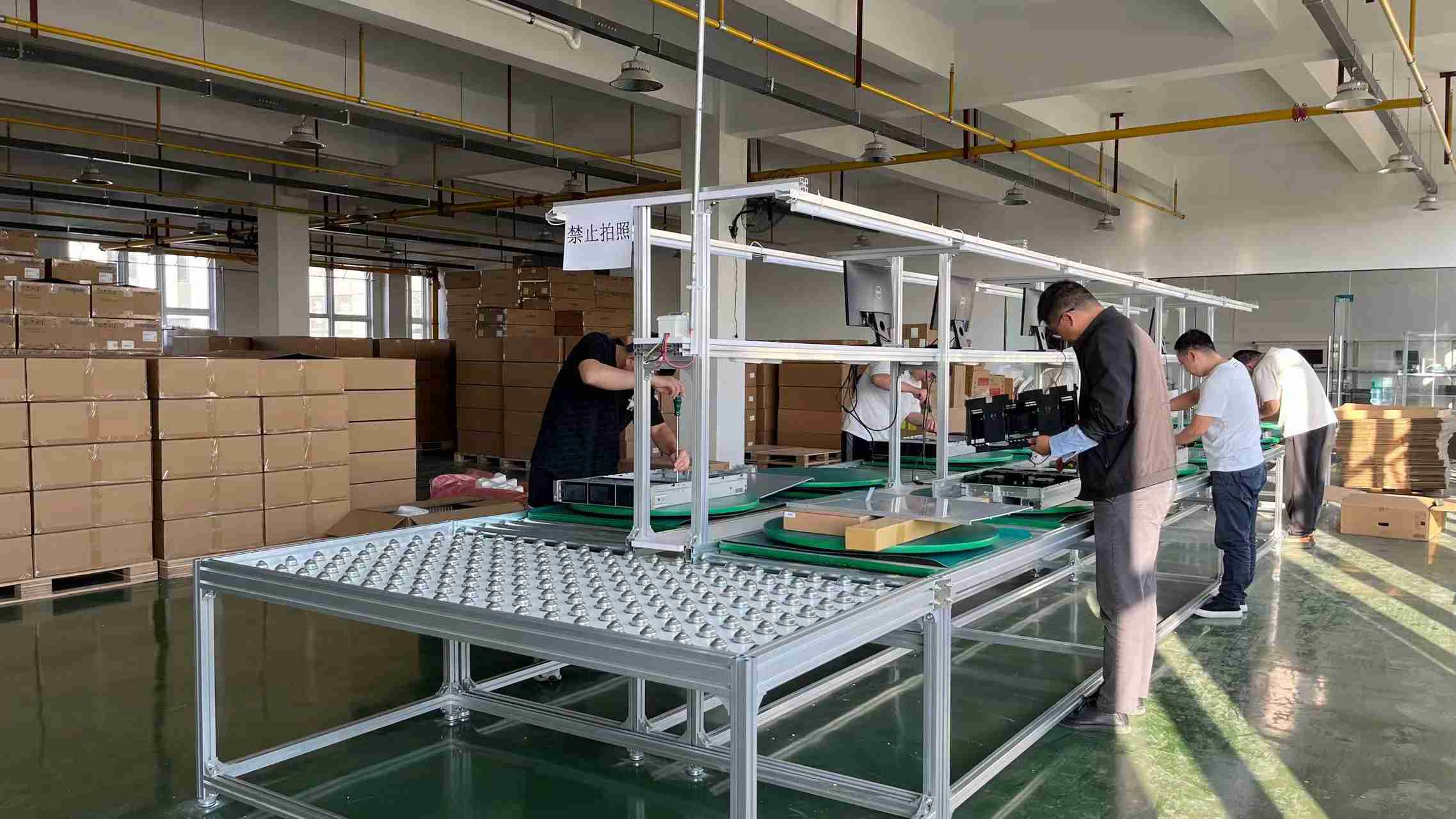
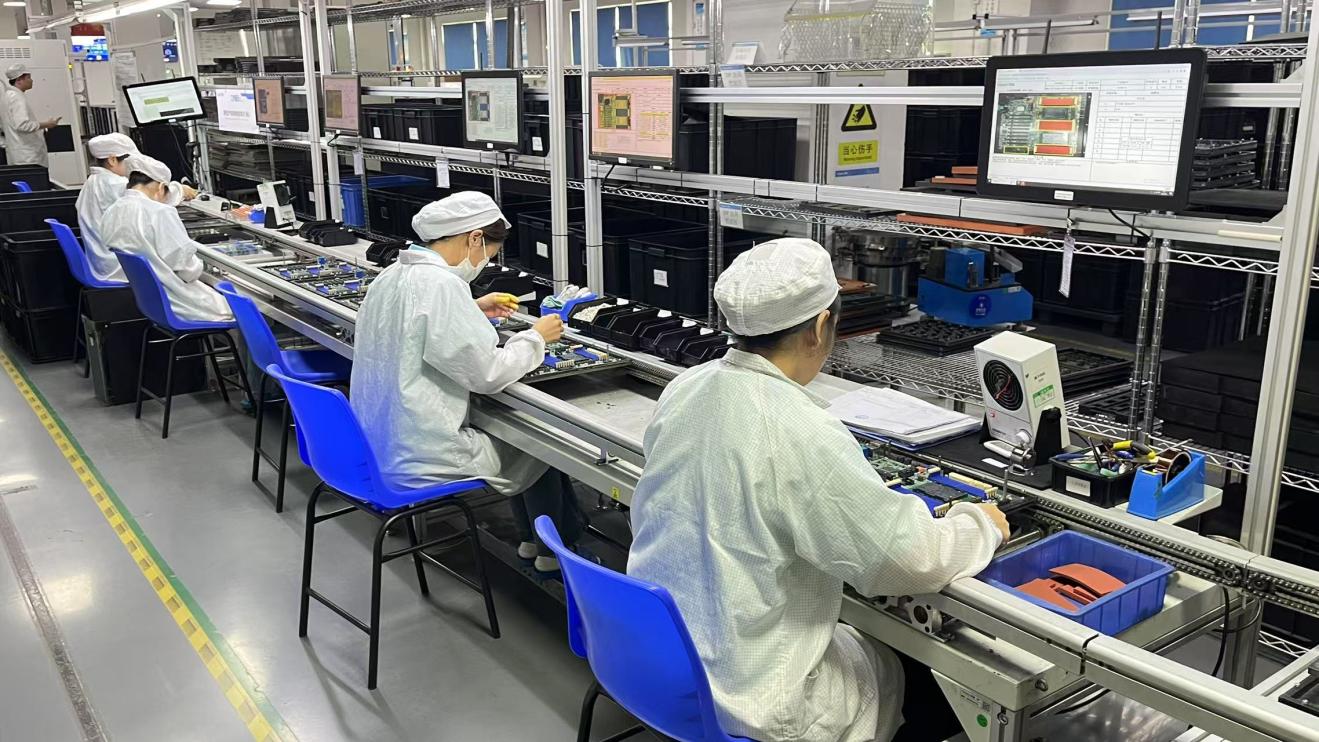
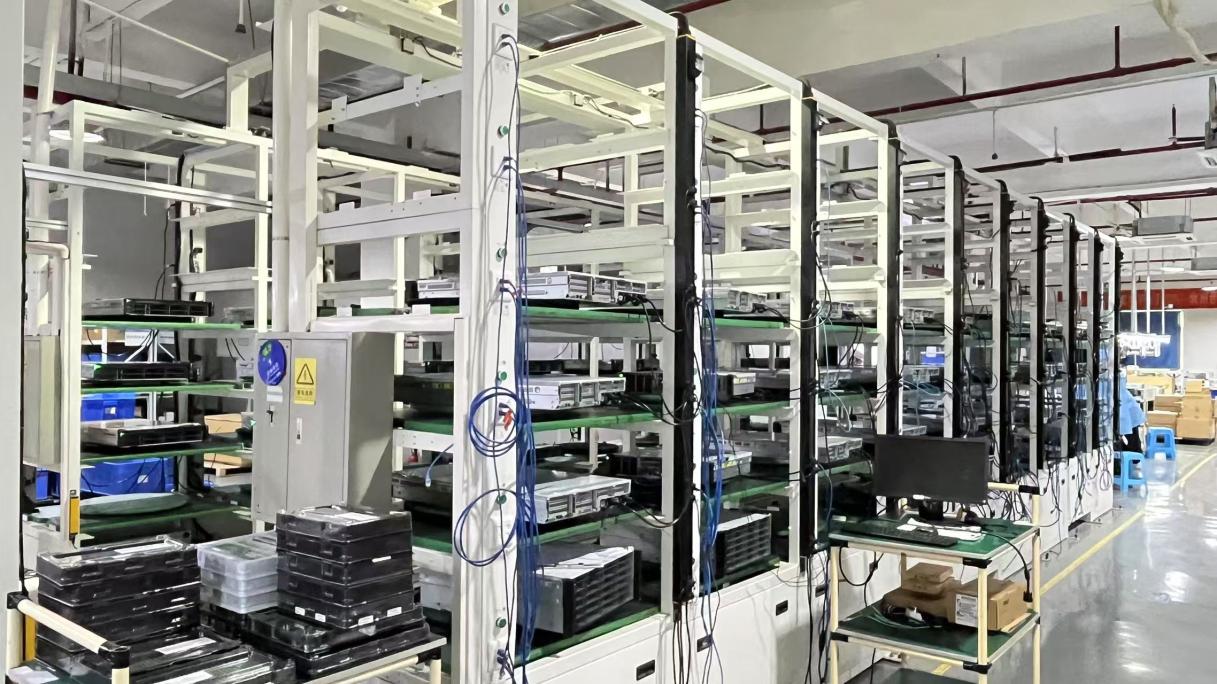
Get technical insights regarding High-TG PCBs, SMT design, thermal management, and Middle East logistics integration.
High-TG PCBs are mandatory whenever continuous system operating temperatures exceed 130°C, or during thermal peaks above 150°C. Standard FR-4 laminates undergo physical softening, structural warp, and rapid Z-axis thermal expansion under these conditions. This is crucial for outdoor installations, telemetry tools, solar installations, and high-density computing servers operating in the UAE.
At temperatures exceeding the glass transition point, the polymer matrix expands rapidly along the Z-axis. Since copper vias have a lower thermal expansion coefficient than the surrounding epoxy glass, this delta places stress on plated copper barrels. This leads to micro-cracks and inner-layer connection failures. High-TG materials mitigate this by limiting Z-axis expansion to safe ranges.
We highly recommend ENIG (Electroless Nickel Immersion Gold) or OSP (Organic Solderability Preservative) for High-TG circuit boards. These finishes maintain surface flatness for high-density BGA or small-footprint SMT components. They also survive multiple thermal reflow cycles without interface degradation.
Yes, Corexis offers complete OEM and ODM customization services. This includes specialized PCB layouts, tailored heat spreader systems, custom component densities, and custom memory speeds. Our 128 R&D engineers modify layout profiles to match client thermal guidelines.
Explore our complete range of specialized memory units, heat dissipators, and printed circuit board assemblies built for the Middle East market.