Engineered to survive extreme industrial environments, thermal stress, and high-ambient operations across Saudi oilfields and smart city grids.
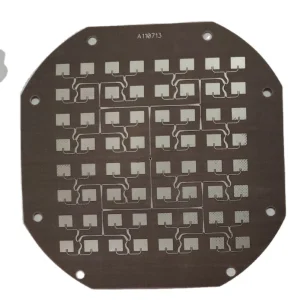
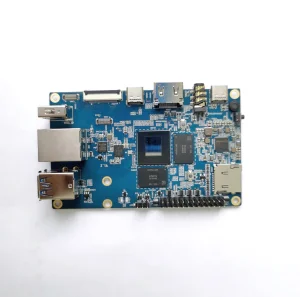
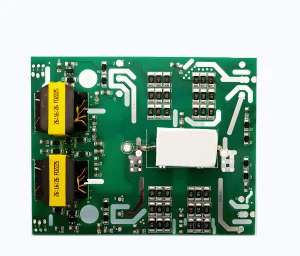
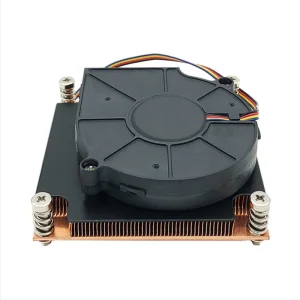
Unpacking the technological imperative for High Glass Transition Temperature (High-TG) PCBs in Middle Eastern critical infrastructures.
The Kingdom of Saudi Arabia (KSA) is undergoing an unprecedented digital and industrial transformation. From the mega-developments of NEOM and the Red Sea Project to the automation of Saudi Aramco’s downstream and upstream installations, high-performance electronics must operate flawlessly. However, the Arabian Desert presents severe operational challenges, including ambient temperatures soaring past 50°C, high relative humidity along the coastlines, and micro-particle dust contamination.
In electronics, thermal management is the boundary between system operation and catastrophic failure. Standard FR-4 PCBs have a glass transition temperature (Tg) of 130°C to 140°C. When ambient temperatures rise, coupled with heat generated by onboard components like CPUs, IGBT modules, or server memory, standard boards undergo rapid Z-axis thermal expansion, leading to micro-cracks in plated through-holes (PTH) and solder joint delamination. High-TG PCBs (Tg ≥ 170°C to 180°C) offer critical stability, preventing physical degradation and electrical failures.
Understanding the physics of High-TG materials is essential for engineers designing hardware for Saudi heavy industries. The Glass Transition Temperature (Tg) indicates the range where the base resin matrix changes from a hard, glassy state to a flexible, rubbery state. However, Tg is not the maximum operating temperature. Designers must also calculate the Decomposition Temperature (Td), where the material loses 5% of its weight due to chemical breakdown, and the Coefficient of Thermal Expansion (CTE).
Our High-TG circuit boards are fabricated using premium raw materials (such as Shengyi, Isola, or Rogers) that ensure:
Integrating world-class manufacturing, comprehensive reliability testing, and global supply chain partnerships.
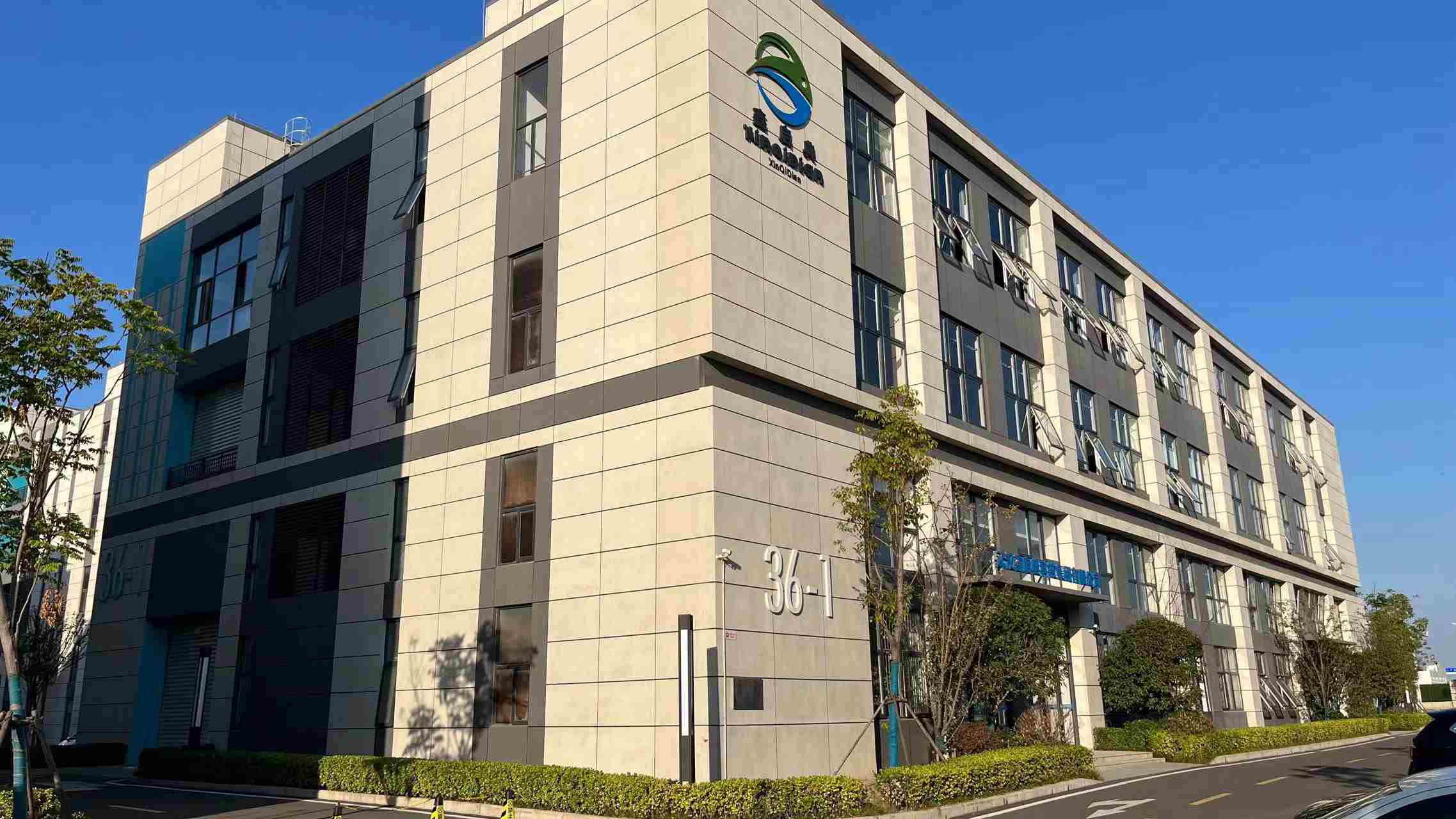
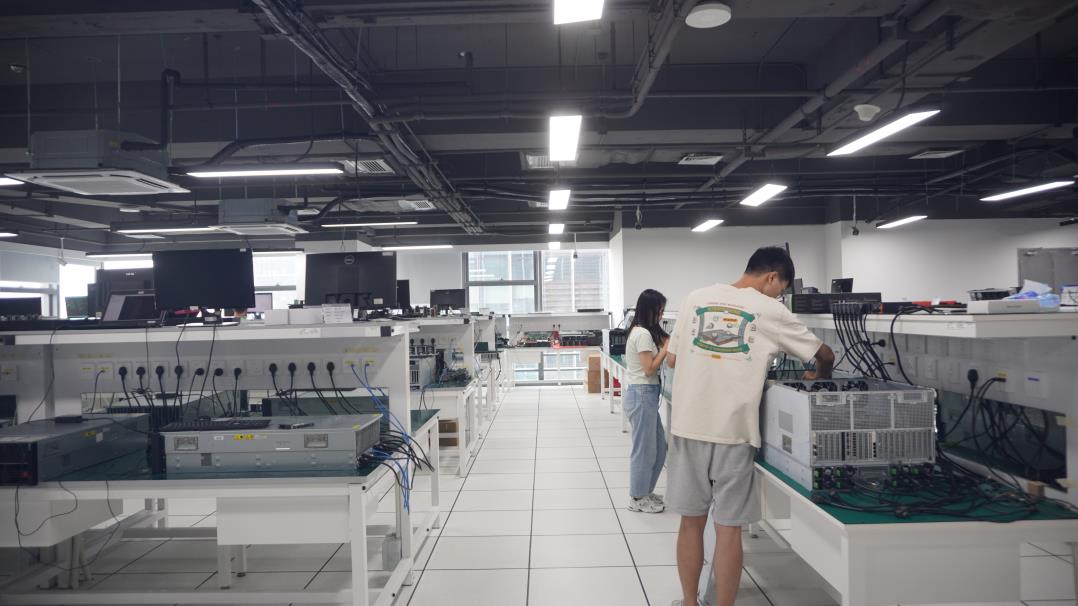
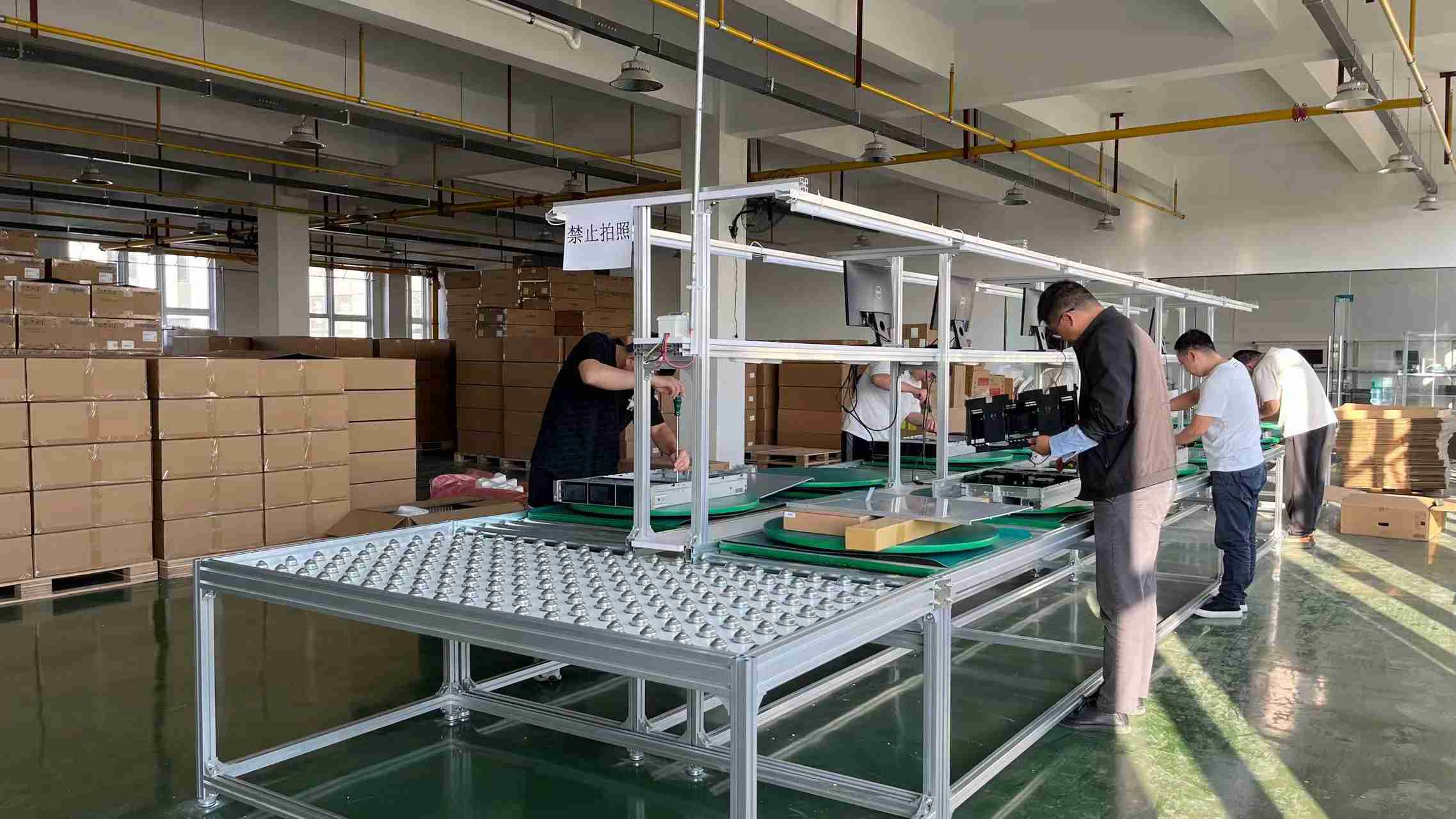
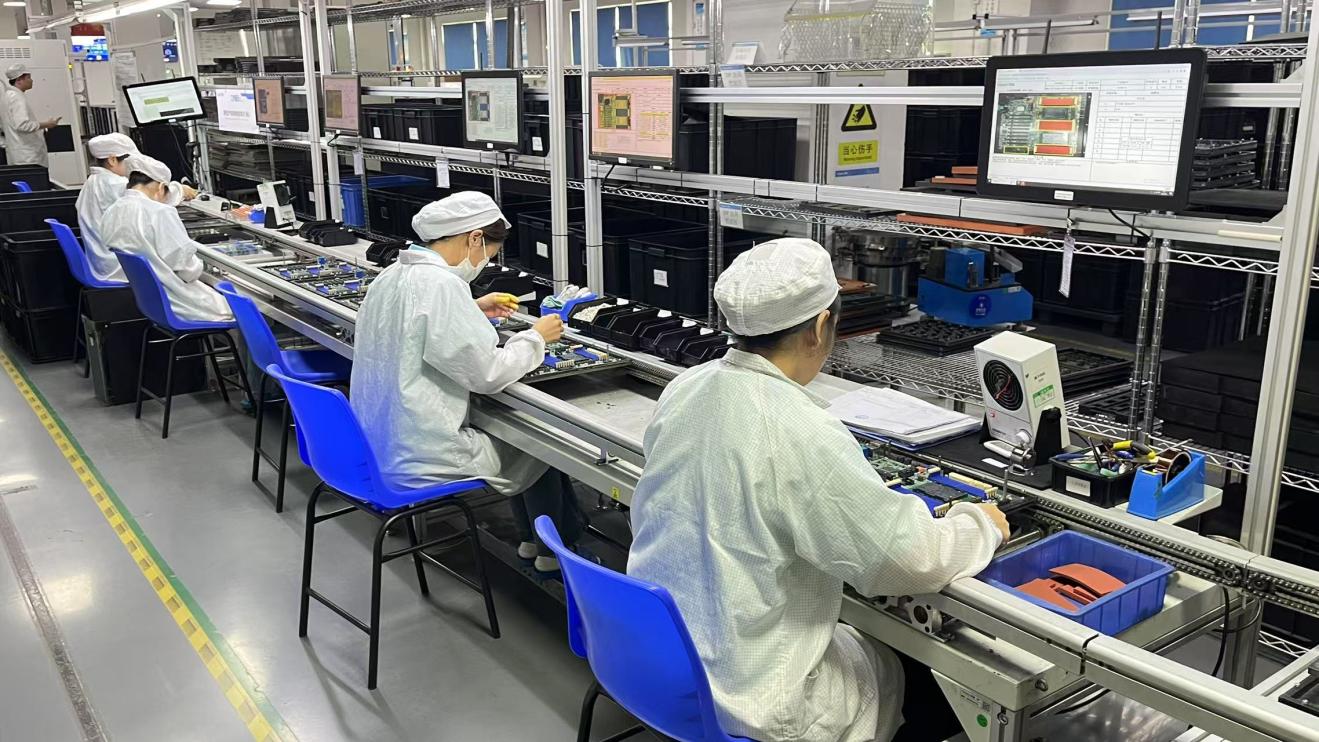
Established in 2016, Corexis Memory Technology Co., Ltd. has evolved into a global leader in high-performance memory modules (DDR4 & DDR5) and advanced PCB system integration. Spanning an expansive manufacturing area of 21,800 m², our state-of-the-art facility features automated SMT lines, advanced X-ray testing equipment, and high-frequency signal analyzers.
Our industrial-grade memory modules and PCB assemblies are designed specifically to operate inside high-temperature envelopes, leveraging High-TG substrates, advanced copper cladding, and dynamic heat sink enclosures. This unique convergence of memory manufacturing and raw substrate engineering allows us to supply the absolute highest tier of computing parts to Saudi industrial system integrators, server hosts, and heavy equipment manufacturers.
| Corporate Attribute | Capability / Statistic |
|---|---|
| Company Established | 2016 (10 Years Industry Experience) |
| Factory Footprint | 21,800 m² SMT & Testing Facility |
| Annual Export Revenue | USD 26,800,000 (8 Years Global Export Experience) |
| R&D Scale | 128 Engineers (Independent Layout, Hardware & Firmware Design) |
| Quality Assurance Force | 56 Full-time Inspectors (IQC, IPQC, FQC, OQA) |
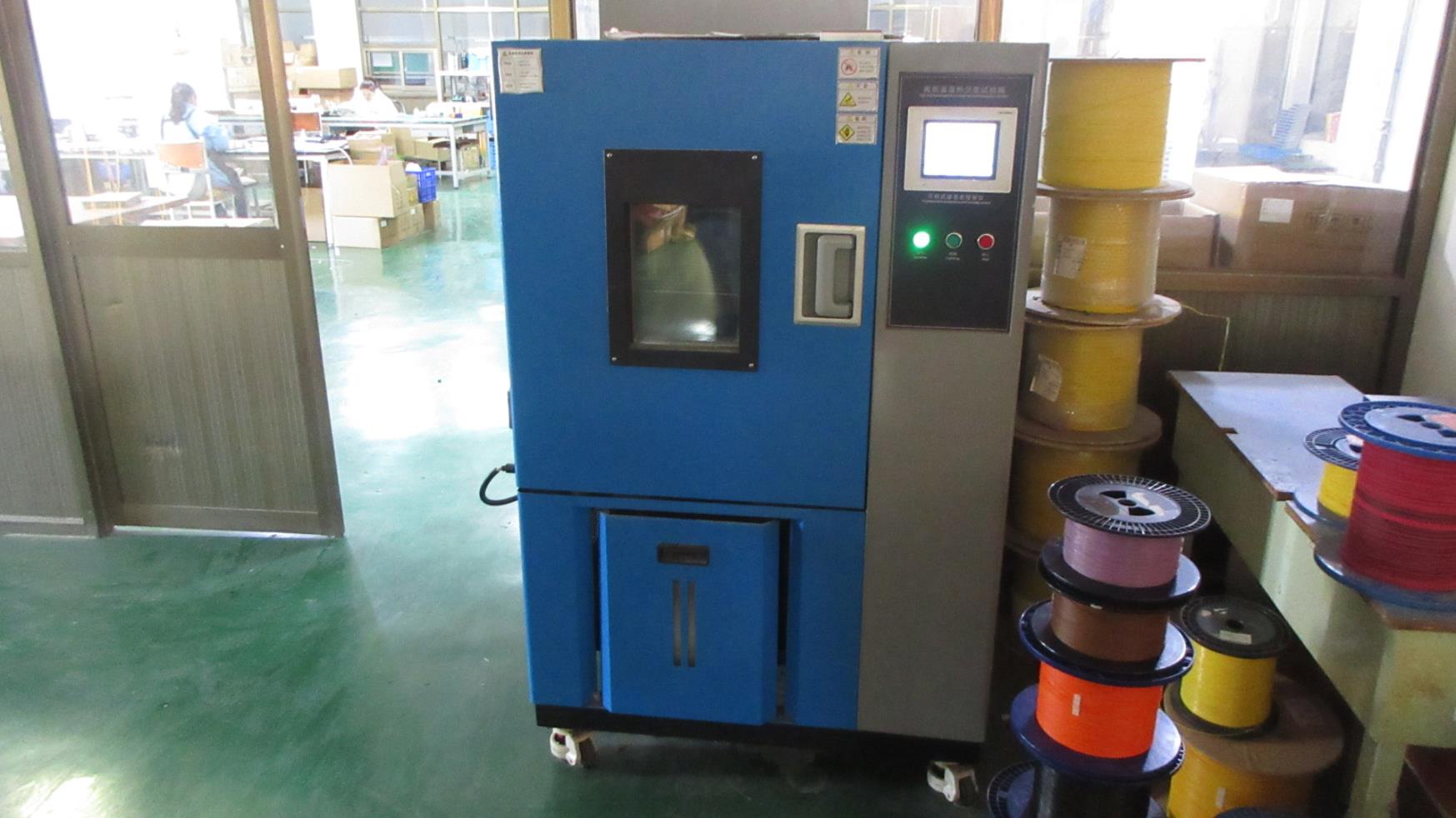
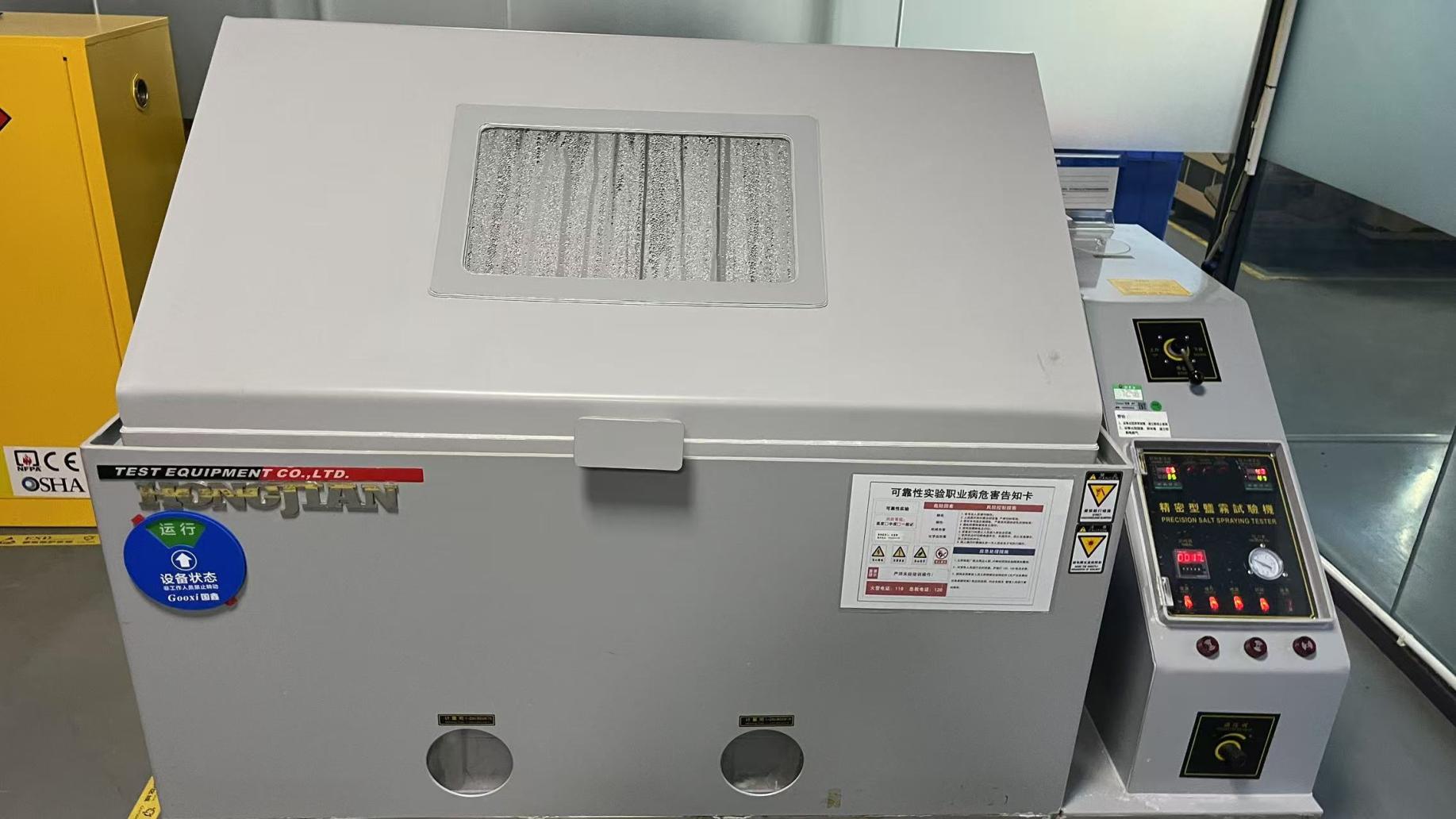
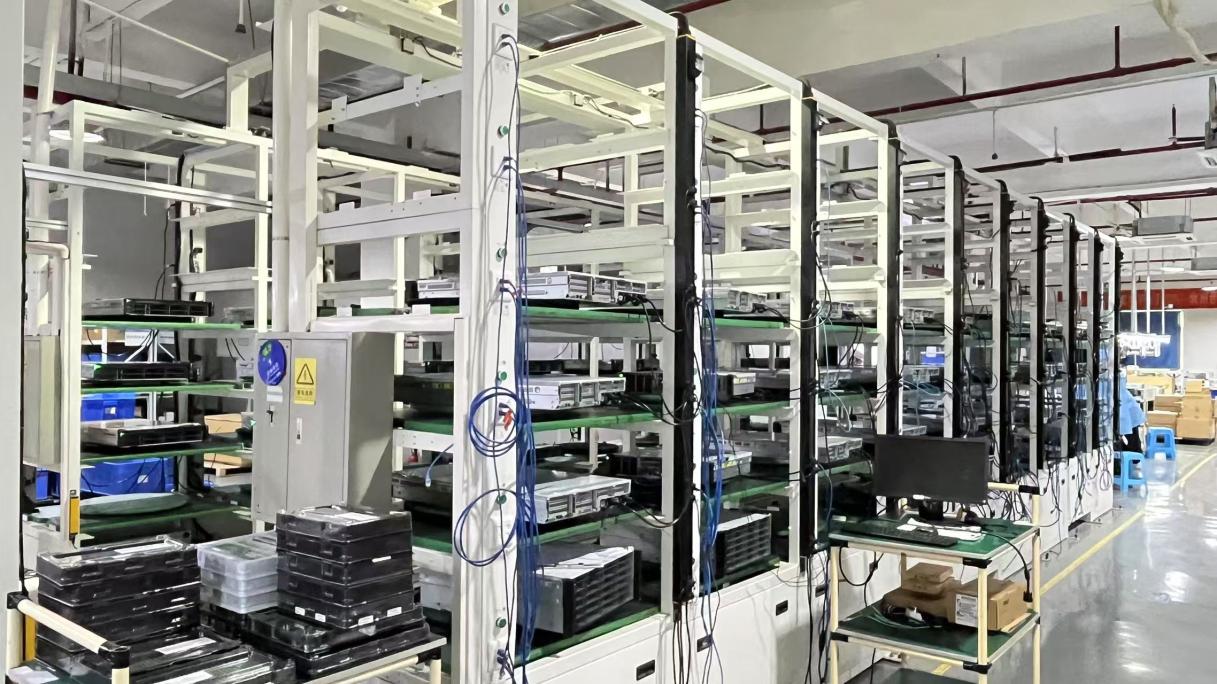
| Inspection Protocols | 100% Full Functional & Environment Chambers Testing |
| Main Global Footprint | Middle East, North America, Europe, Southeast Asia |
| Strategic Partners | 1,120+ Active Global Distributors & System Integrators |
Where High-TG electronics act as the non-negotiable foundation of uptime and continuous performance.
Downhole drilling tools operate at depths where temperatures easily surpass 150°C. High-TG PCBs serve as the substrate for telemetry modules and acoustic transmitters, protecting delicate ICs from thermal warping.
Saudi photovoltaic installations face maximum solar radiation. High-TG boards prevent internal gate driver circuitry from deteriorating due to the immense heat generated during DC-to-AC conversion.
Neom's traffic automation and security cameras rely on localized micro-data hubs. These fanless nodes rely on passive cooling, demanding high-Tg PCBs and extreme-temp ECC memory to prevent thermal throttling.
Preparing local industries for next-generation hardware designs under international standard structures.
As microchip geometries shrink, standard high-speed designs encounter severe signal losses and parasitic capacitances. Corexis is actively researching and co-developing next-generation substrates with material manufacturers to establish a standardized pathway for Middle Eastern infrastructure. Our research focuses on three major technical vectors:
At high frequencies (10 GHz to 100 GHz), the Dissipation Factor (Df) of the substrate determines transmission efficiency. Standard FR-4 displays a Df of ~0.02. Our research roadmap incorporates low-loss High-Tg formulations (Df < 0.005) suited for 5G telecommunication networks and smart highway radars deployed in Saudi cities.
To reduce thermal hotspots on surface mounts, embedded component technology allows resistors, capacitors, and even microchips to be built directly inside the inner layers of the High-TG PCB. This reduces inductance loop areas and dramatically improves heat dissipation pathways, making the entire device more compact and thermally uniform.
Environmental standards are tightening in line with the Saudi Green Initiative. Legacy flame retardants containing halogens release toxic gases under extreme thermal decomposition. Corexis uses phosphorus-nitrogen based flame retardants to guarantee that all High-TG PCBs are completely halogen-free, while maintaining UL 94 V-0 flame ratings.
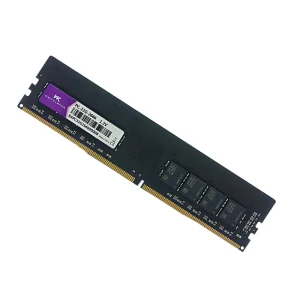
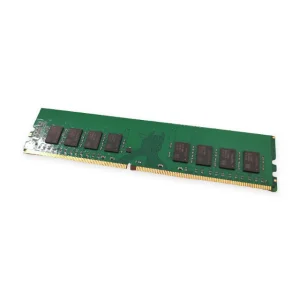
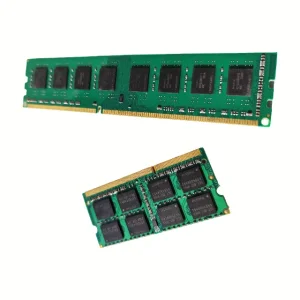
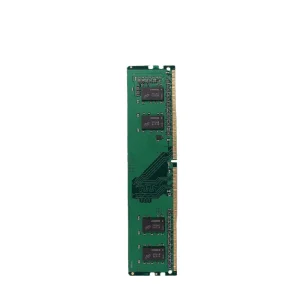
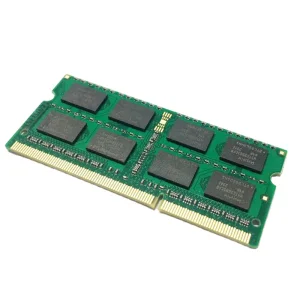
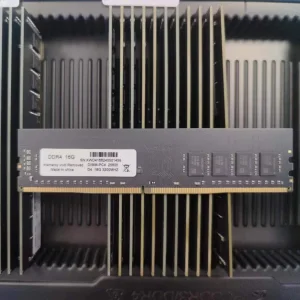
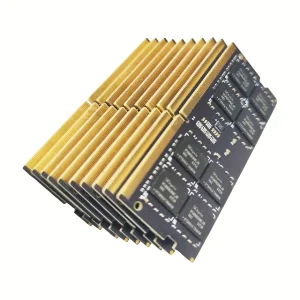
High-speed DDR4 RAM modules and extreme-environment storage solutions configured for Saudi cloud systems and database centers.
Critical engineering and logistics inquiries regarding High-TG PCB import, design parameters, and delivery to Saudi Arabia.
A High-TG PCB is built with base materials where the glass transition temperature (Tg) exceeds 170°C. Standard boards soften and expand rapidly in temperatures typical of industrial installations in KSA. High-TG substrates ensure stability, maintaining electrical insulation and mechanical strength in ambient environments up to and exceeding 50°C.
Yes. With our team of 128 R&D engineers, Corexis provides comprehensive customization. We offer custom PCB layer stacks, impedance simulations, trace routing for high-speed channels, and bespoke thermal management integrations (such as customized aluminum and copper heat spreaders).
For high-frequency applications, we utilize specialized microwave PTFE and ceramic-filled substrates like Taconic TLY-5 (Dk 2.2) and Rogers series. These substrates are reinforced with high-TG laminates to guarantee low insertion loss and high dimensional stability under high temperature and humidity.
We deploy a comprehensive quality program managed by 56 QC engineers. Testing includes Incoming Material Inspection (IQC), In-Process Quality Control (IPQC), thermal shock chamber cycling, automated X-ray inspection (AXI) for solder void analysis, and functional high-frequency signal testing. Every shipment undergoes 100% full testing before dispatch.
We supply necessary documentation, raw material certificates, and quality logs to help system integrators comply with KSA procurement policies (such as IKTVA and SABIC requirements). We ensure complete traceability of all raw materials, from copper foil to the semiconductor die.
We offer flexible shipping through major air and sea channels. Urgent air freight to Riyadh (RUH) or Jeddah (JED) typically takes 3 to 7 working days, while bulk sea freight to Dammam Port or Jeddah Islamic Port takes 18 to 25 days. Customs paperwork (SABER/SASO certification support) is handled by our export team.
Once a board crosses its Tg threshold, the rate of expansion (CTE) increases dramatically. In standard FR-4, this expansion causes high Z-axis stress, fracturing vias. In High-TG boards, because the transition point is pushed higher, the board remains in its low-expansion state for a broader temperature range, protecting the copper vias from strain.
Customers can contact us by clicking the inquiry buttons. Provide your Gerber files (RS-274X or ODB++ format), schematic designs, BOM lists, and specific heat-resistance requirements (Tg requirement, layer count, surface finish, copper weight). Our engineering team will review and provide a DFM (Design for Manufacturing) feedback within 24 hours.
 Corexis Memory