Custom-engineered high-reliability components deployed in Auckland telecom servers, agricultural computing, and heavy machinery automation networks across Christchurch and Dunedin.
As digital transformation accelerates globally, many system integrators and technology officers assume that modern architectures like DDR5 have entirely replaced legacy systems. However, in New Zealand's robust industrial, agricultural, and telemetry ecosystems, high-quality, stable-supply DDR3 RAM memory remains a fundamental building block. From legacy SCADA controls operating dairy machinery in the Waikato, to coastal marine telematics, and heavy-duty geothermal monitoring infrastructure in the Taupō region, DDR3 memory is vital for keeping critical systems online.
Understanding this demand requires mapping the unique geographical and economic constraints of the Kiwi market. Remote logging equipment, rugged POS (Point of Sale) networks, and utility switches are engineered to operate for 15-20 years. Replacing these components with newer DDR4 or DDR5 systems requires complete motherboard and microprocessor retrofitting—generating massive capital expenditure and system downtime. Working directly with a certified, quality-assured Chinese factory allows New Zealand enterprises to secure reliable supply lines, implement custom SPD (Serial Presence Detect) firmware tweaks, and optimize legacy setups without the heavy cost of system replacement.
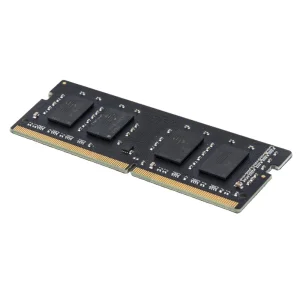
Modern milking sheds and sorting facilities rely on embedded controllers configured with 2GB to 8GB DDR3/DDR3L SODIMMs. These modules must withstand wide temperature swings and high humidity environments typical in rural regions.
Rural networks and signal relays across mountainous South Island terrains utilize legacy embedded computers powered by DDR3 RAM. These require high stability and low failure rates (MTBF) due to high accessibility costs.
Deep-sea navigation interfaces and vessel tracking hardware demand reliable memory profiles. DDR3 ECC modules provide necessary data validation in complex environments with high levels of interference.
Sourcing memory components within Oceania often places buyers at the mercy of domestic distributors who charge significant markups while offering limited product customization. Partnering with a dedicated Chinese manufacturer changes the economic dynamics. It provides direct access to Tier-1 DRAM die allocations (such as Samsung, SK Hynix, and Micron chips) and advanced assembly systems.
New Zealand buyers gain several key advantages by moving up the supply chain to a direct manufacturer:
| Specification Parameters | Industrial Grade DDR3 Details | Benefits for New Zealand Integrators |
|---|---|---|
| Memory Capacities | 2GB, 4GB, 8GB, 16GB configurations | Flexible scaling for varying industrial node footprints |
| Voltage Standards | 1.5V (Standard DDR3) & 1.35V (DDR3L Low Voltage) | DDR3L minimizes thermal emissions in closed enclosures |
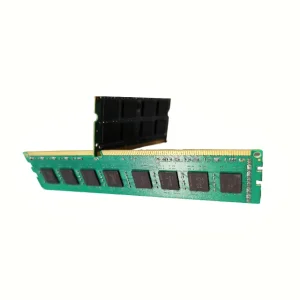
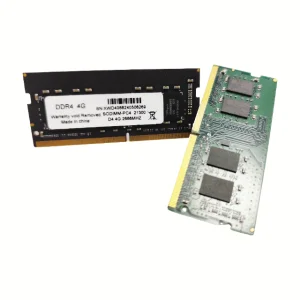
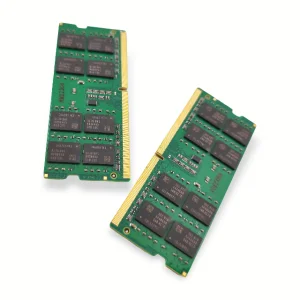
| Form Factors Available | 240-pin UDIMM (Desktop) & 204-pin SODIMM (Laptop/Embedded) | Compatibility across servers, industrial panels, and embedded boards |
| ECC Support | Available for Server and Critical Data Systems | High reliability for logging nodes and telecommunication racks |
| Temperature Ranges | Commercial (0°C to 85°C) & Industrial (-40°C to 95°C) | Dependable performance in cold Otago winters and warm dairy sheds |
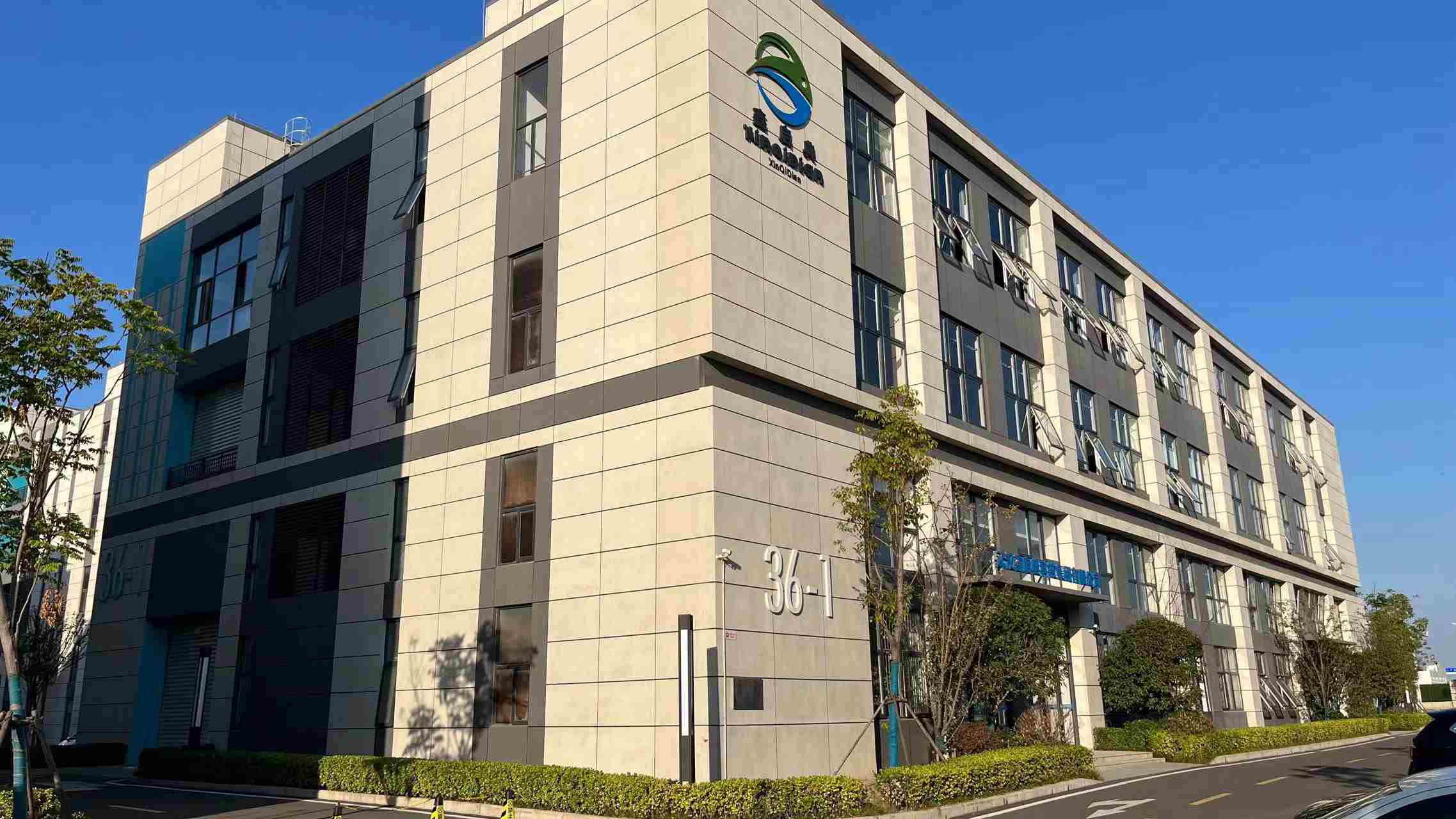
Corexis Memory Technology Co., Ltd. is a professional DRAM manufacturer dedicated to delivering high-performance, industrial-grade memory solutions for global OEM, ODM, and brand customers. Since our establishment in 2016, we have focused on memory technology innovation, advanced manufacturing, and strict quality management. Our products are widely used in desktop PCs, laptops, servers, industrial computers, embedded systems, and AI applications.
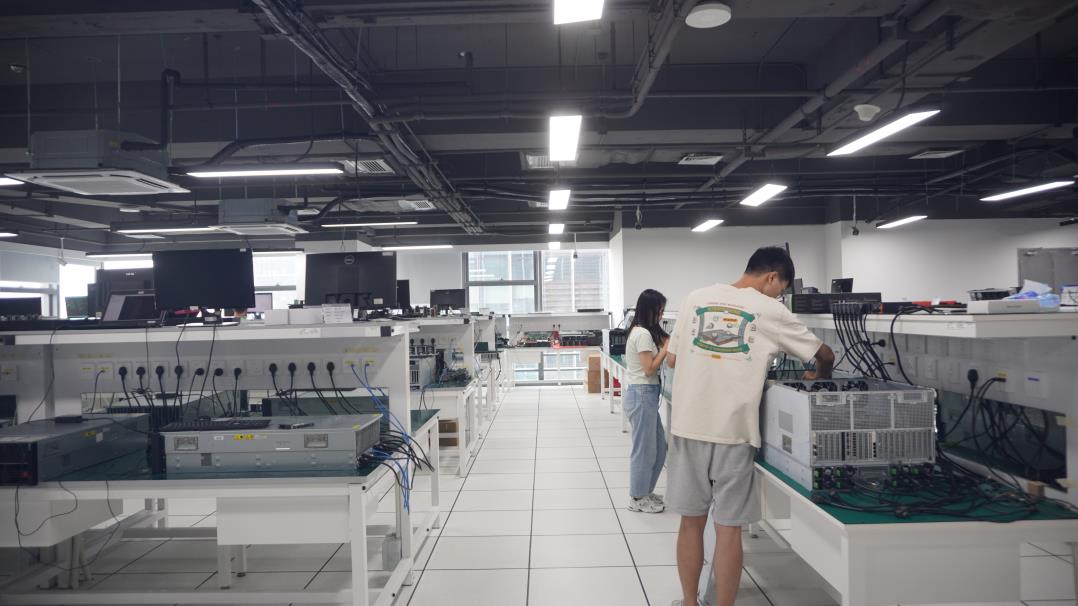
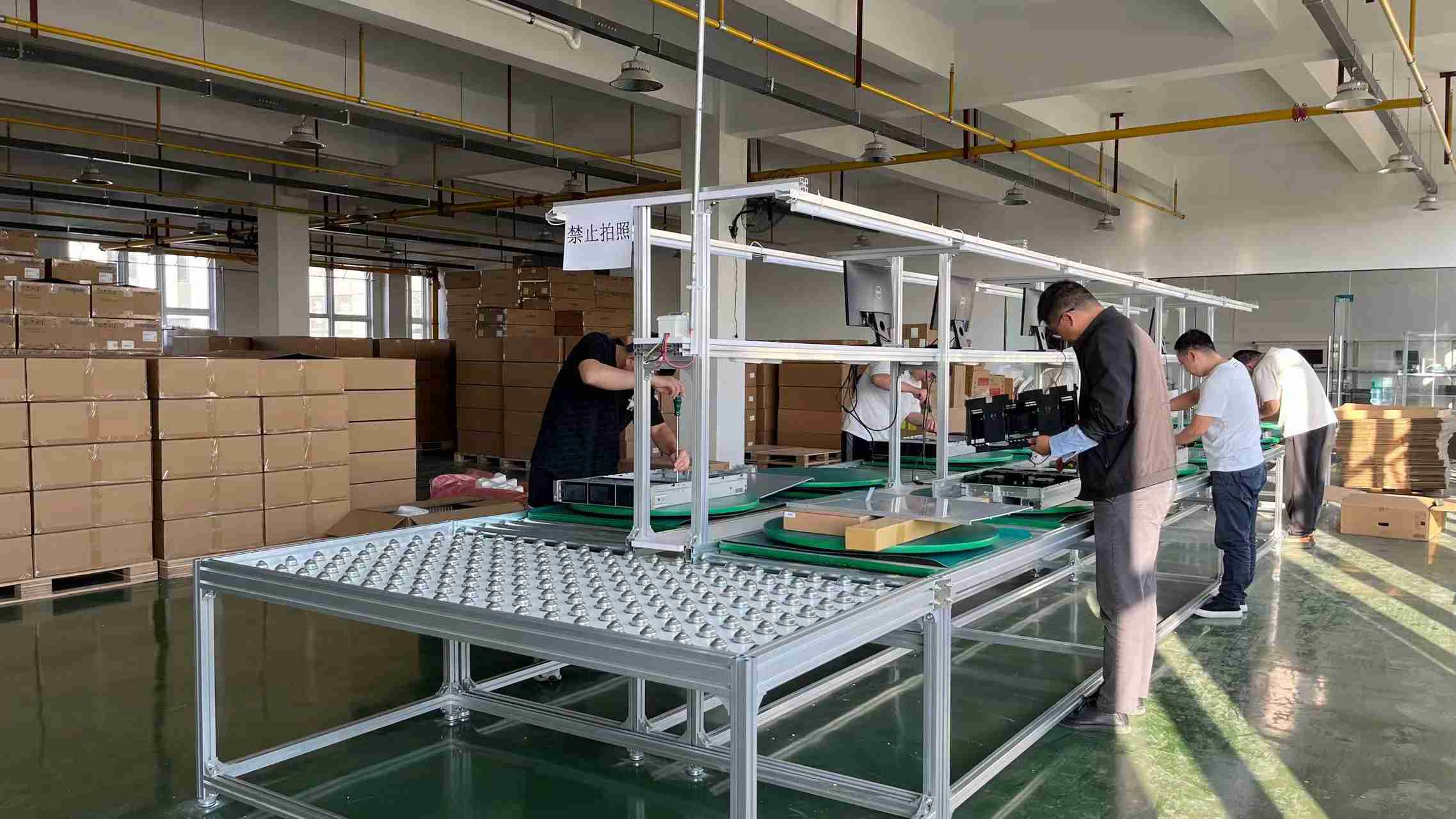
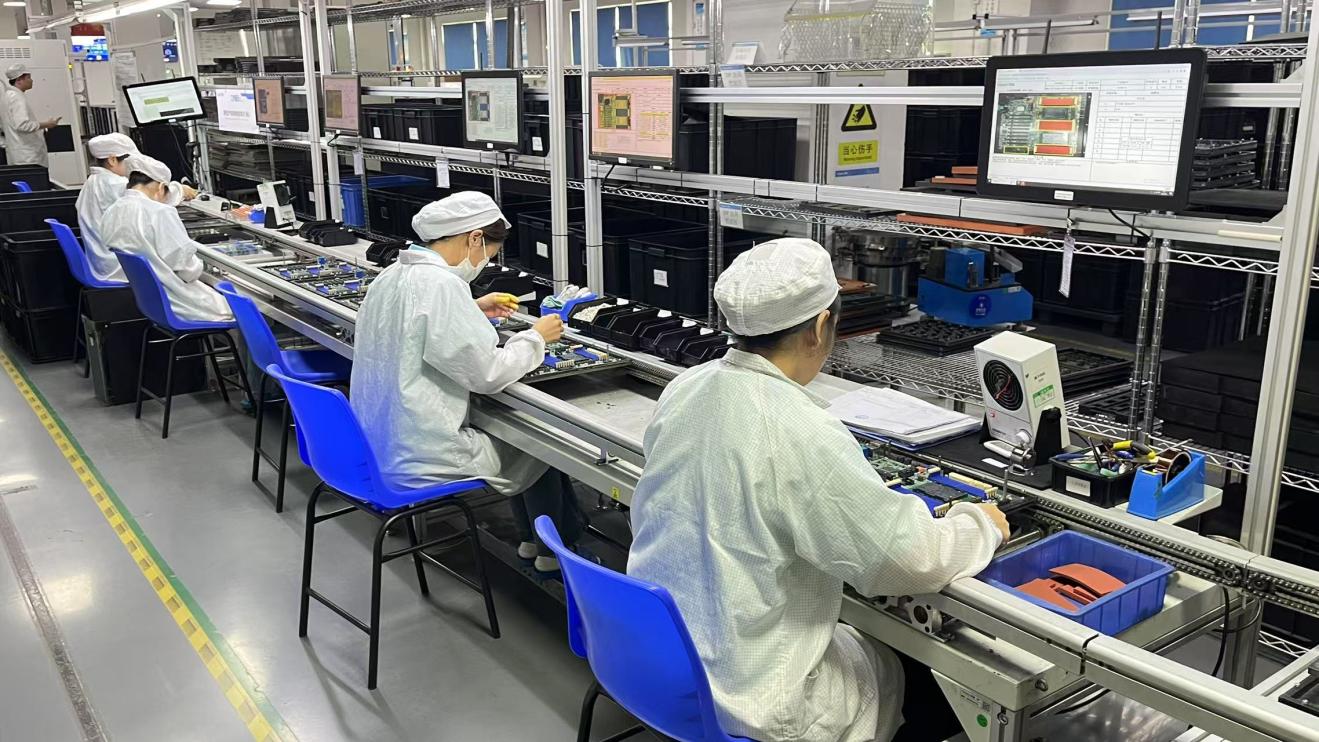
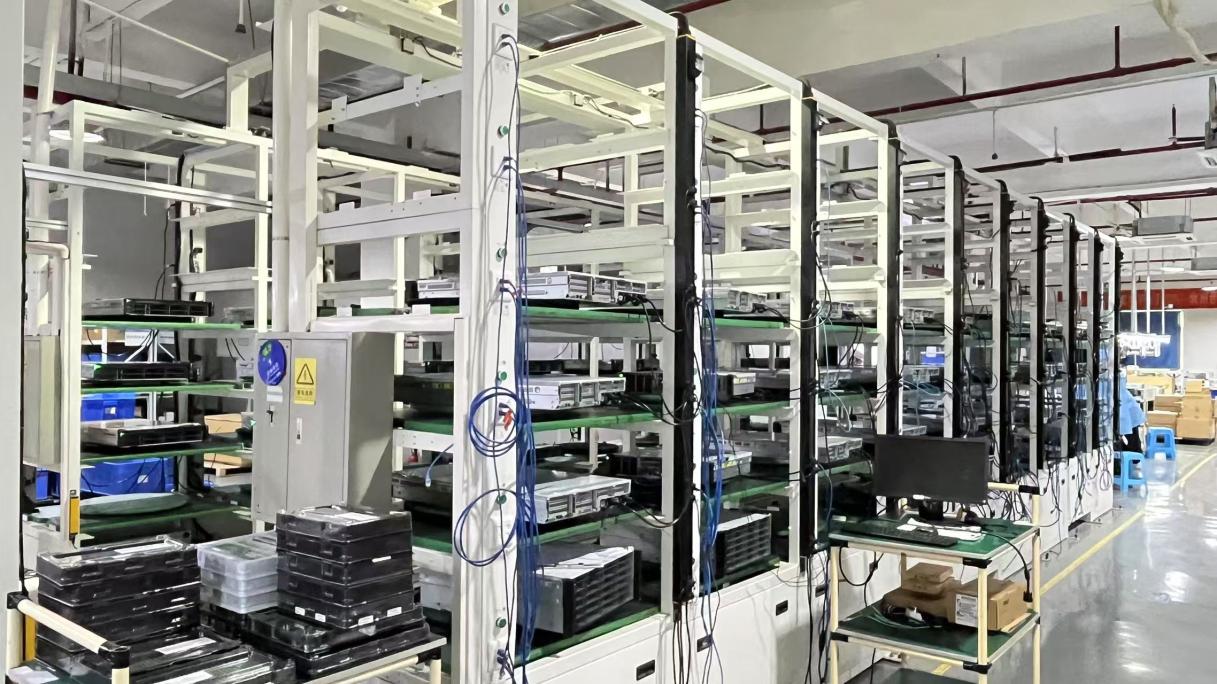
With a modern manufacturing facility covering 21,800 m², Corexis integrates R&D, SMT production, testing, packaging, and quality assurance under one roof. Our experienced engineering team continuously develops reliable, high-speed DDR3, DDR4, and DDR5 memory products that meet international standards and the evolving demands of the global market.
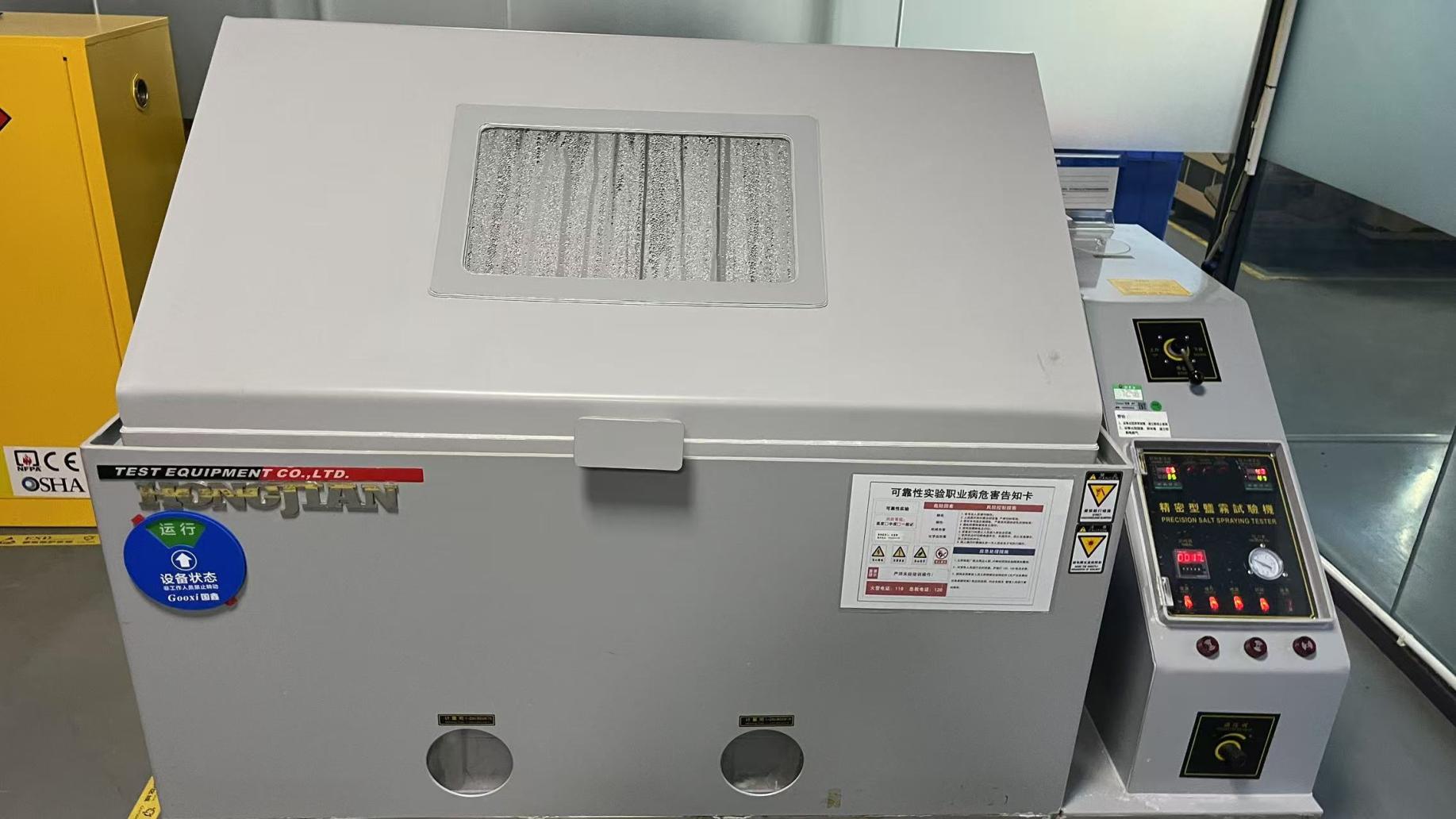
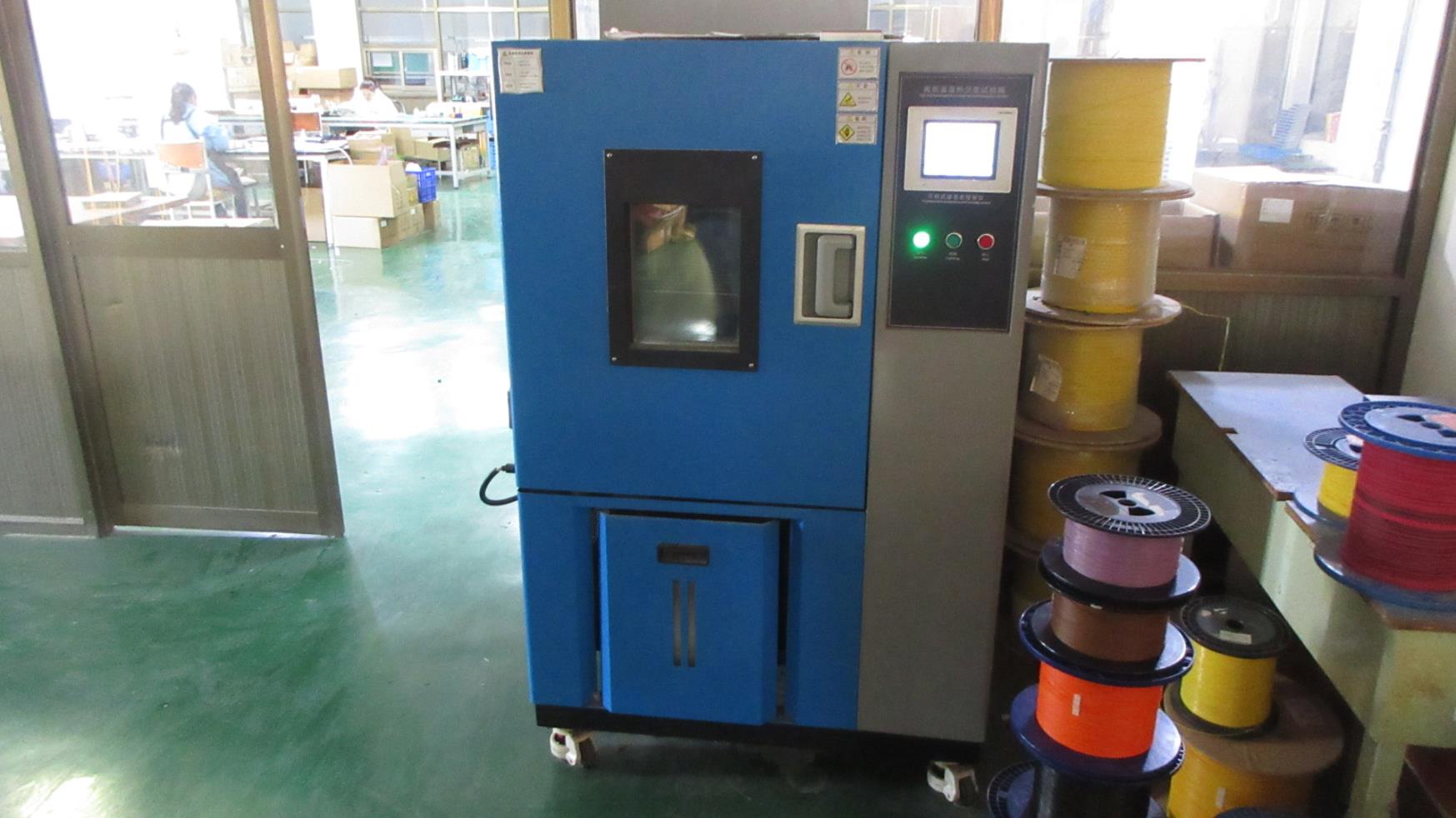
To ensure that every RAM module sent to New Zealand operates flawlessly, Corexis executes a multi-tiered inspection protocol. This includes Incoming Material Inspection (IQC) for silicon wafer health, In-Process Inspection (IPQC) on our automated placement lines, Final Quality Control (FQC), Outgoing Quality Assurance (OQA), and comprehensive Reliability & Compatibility testing across thousands of motherboard configurations.
Logistical and physical distance means that New Zealand procurement managers face unique challenges when importing electronic hardware. Minimizing shipment risks, handling clearance procedures smoothly, and avoiding shipping delays are critical steps for maintaining project timelines.
New Zealand's Biosecurity and Customs regulations require correct import classification documentation. The Harmonized System (HS Code) for electronic memory modules is generally 8473.30. Working with Corexis ensures that all commercial invoices, certificates of origin, and billings are labeled accurately to ensure seamless clearance at the Ports of Auckland or Tauranga, or through express air hubs at Christchurch Airport.
Due to transit timelines, relying on standard "just-in-time" deliveries can be risky. For key contracts (such as upgrading utility nodes or municipal computer networks), we offer custom buffer stock programs. This ensures a predetermined volume of tested, ready-to-ship memory is reserved in our warehouse for direct air freight to Auckland within 48 to 72 hours of call-off.
If you are an IT retail chain or system integrator based in Wellington or Auckland, building your own brand equity is vital. Corexis provides comprehensive customization. We offer laser-printed logos on PCBs, customized heat spreaders, and tailored blister or retail gift box packaging, helping you stand out in the local market.
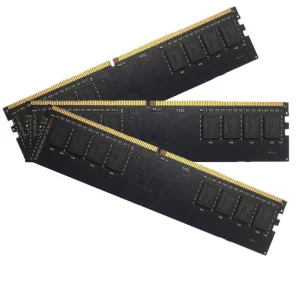
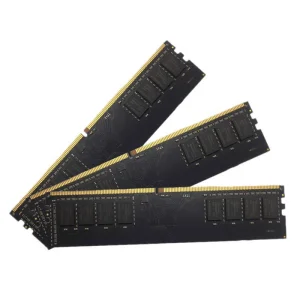
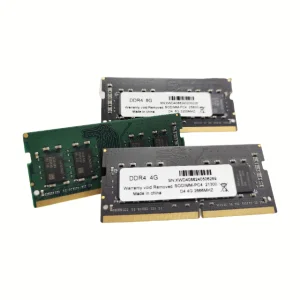
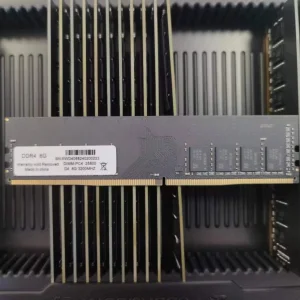
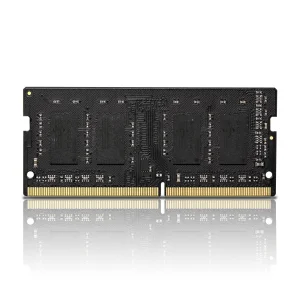
Browse our verified range of DDR4, DDR3, and legacy modules designed for standard desktop, laptop, and server configurations across the Oceanic region.
 Corexis Memory