Corexis Memory
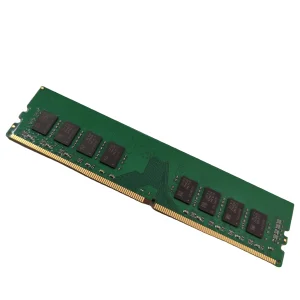
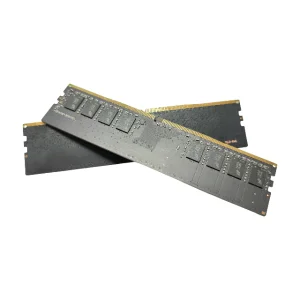
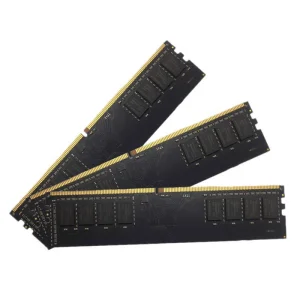
Thailand's Commercial & Industrial Hardware Dynamics: The Role of DDR3 RAM
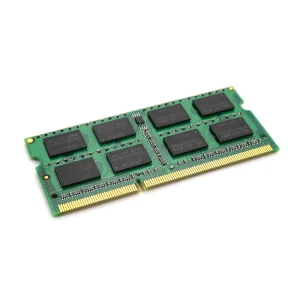
As Southeast Asia's leading electronics and automotive assembly hub, Thailand is undergoing a profound digital transformation. Spearheaded by the government's Eastern Economic Corridor (EEC) initiative, local manufacturing sectors in Chonburi, Rayong, and Samut Prakan are adopting IoT, edge computing, and smart factory technologies. However, the backbone of many existing industrial control panels, programmable logic controllers (PLCs), point-of-sale (POS) systems, and telecommunication switches relies heavily on stable, legacy architecture—specifically DDR3 RAM memory.
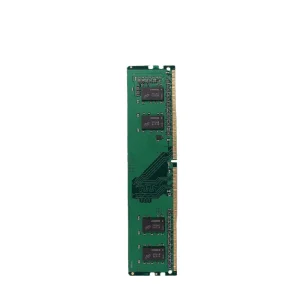
While consumer markets transitioned to DDR4 and DDR5, Thailand's industrial sectors prioritize reliability, thermal tolerance, and long-term product lifecycles. DDR3 SDRAM, working at 1.5V (or 1.35V for DDR3L), remains critical because legacy industrial motherboards are certified for specific operating envelopes. Discarding or upgrading these entire systems is economically non-viable for many businesses. Thus, sourcing high-quality, factory-tested DDR3 modules from reliable suppliers is a top priority for corporate purchasing managers in Bangkok and beyond.
- Legacy Infrastructure Maintenance: Telecom grids, traffic control systems, and automated tellers (ATMs) across Thailand require stable DDR3 RAM replacement modules.
- Energy-Efficient Embedded Systems: Low-voltage DDR3L memory runs efficiently in compact IoT gateways and digital signage setups.
- Automotive Assembly Terminals: Thai automotive plants rely on legacy computerized diagnostic testing stations that utilize DDR3 platforms.