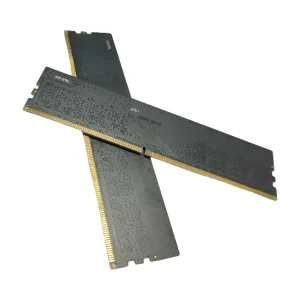
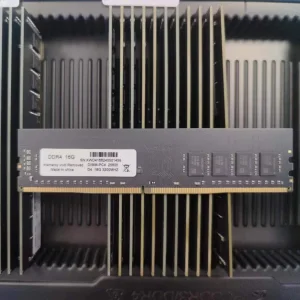
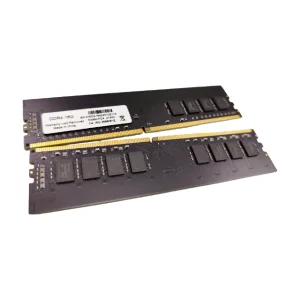
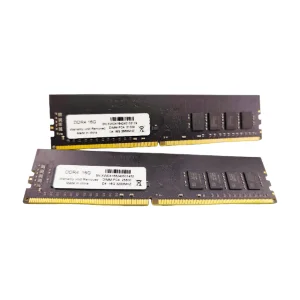
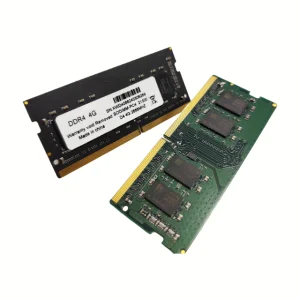
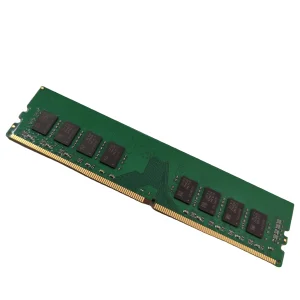
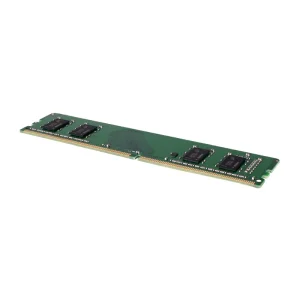
Explore our industrial-grade PCBA technologies, desktop RAM modules, and high-compatibility memory solutions engineered for maximum performance and reliability.
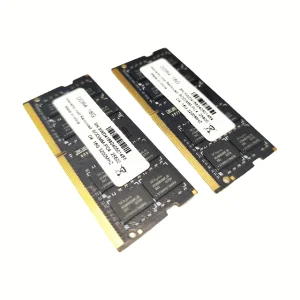
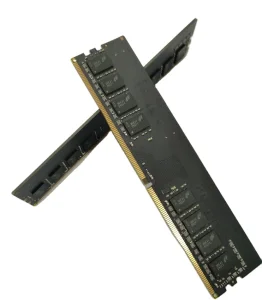
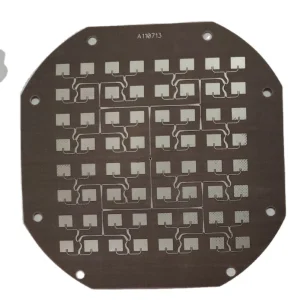
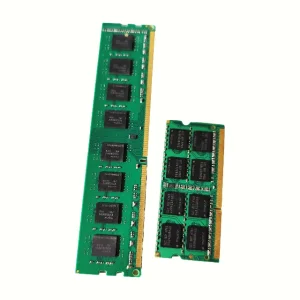
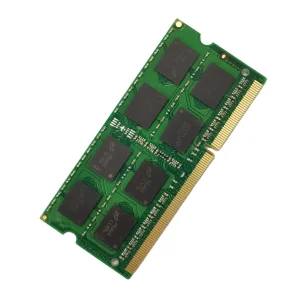
As enterprise infrastructures evolve under the heavy computational demands of Artificial Intelligence (AI), Big Data analytics, and edge-to-cloud virtualization, the selection of high-performance storage and volatile memory becomes critical. Corexis Memory Technology Co., Ltd. stands as a premier SSD drives manufacturer and DRAM supplier, dedicated to delivering robust solid-state drives (SSDs) and enterprise-class memory modules for global systems integrators, OEMs, and technology companies.
Established in 2016, Corexis has committed itself to rigorous material verification, advanced surface mount technology (SMT) fabrication, and firmware customization. By bridging the gap between original wafer technology and specific enterprise application environments, we ensure that every solid-state storage controller, NAND flash layout, and high-frequency printed circuit assembly functions at peak throughput with absolute thermal stability.
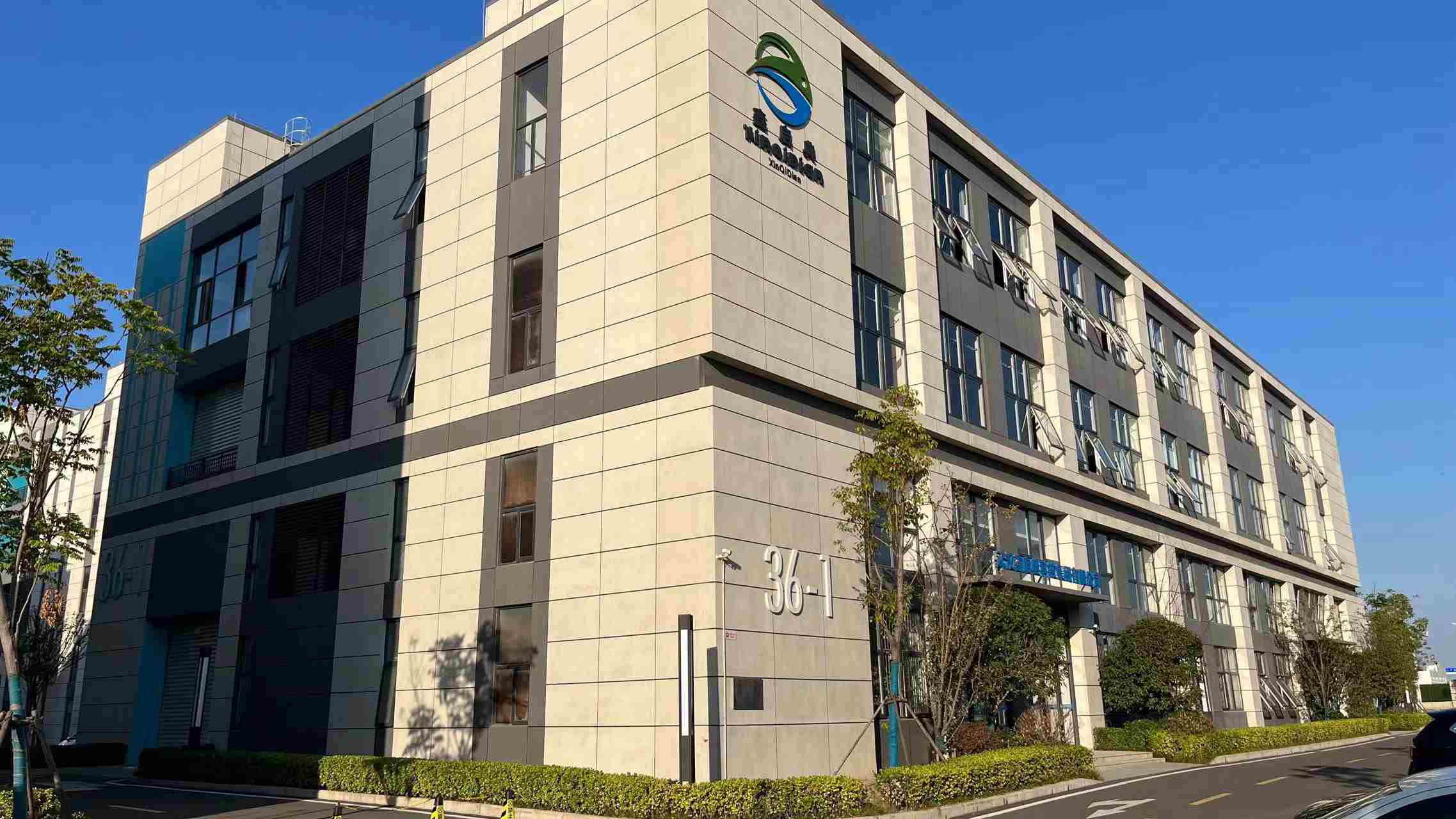
Our commitment to E-E-A-T (Experience, Expertise, Authoritativeness, and Trustworthiness) guides our manufacturing facility, which occupies 21,800 square meters of state-of-the-art production space. By controlling the design process from SMT production down to final reliability testing, we mitigate common industrial and server-side hardware risks such as silent data corruption, thermal throttling, and early wearout anomalies.
Our in-house firmware development ensures optimized Flash Translation Layer (FTL) wear-leveling algorithms, advanced garbage collection schemes, and Power Loss Protection (PLP) mechanisms that are critical to securing cold and hot enterprise data paths.
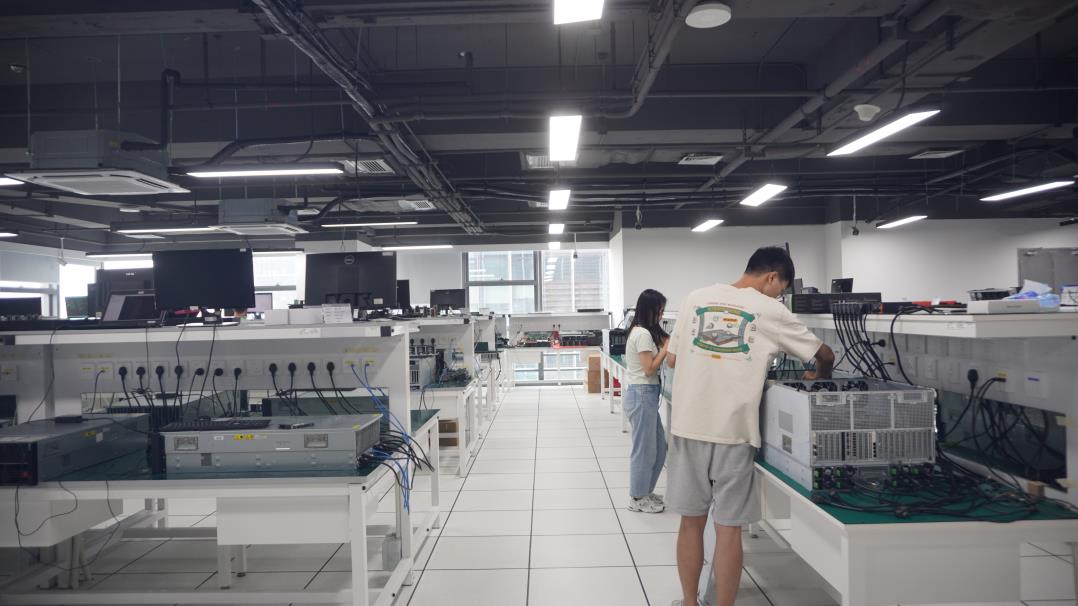
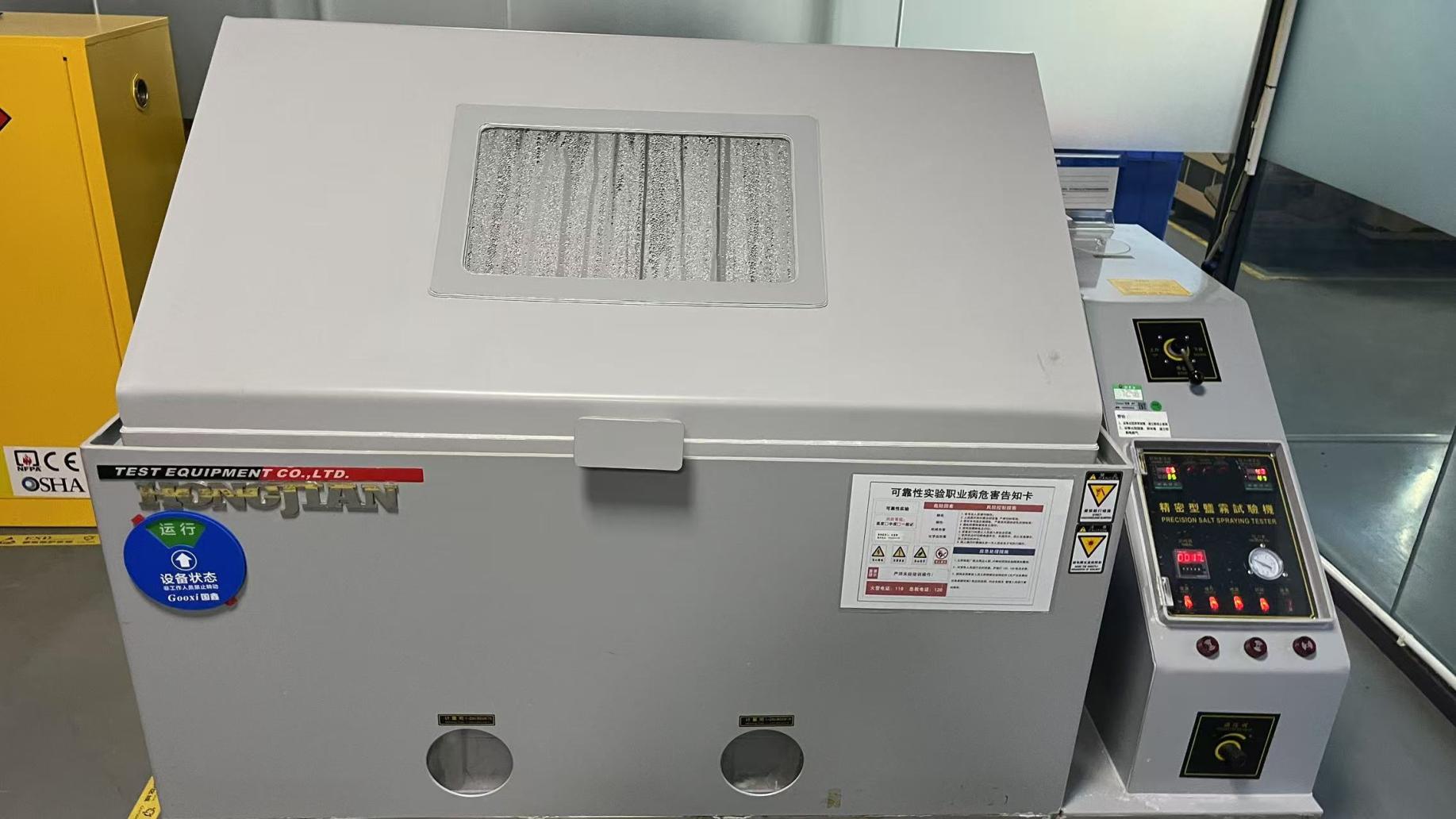
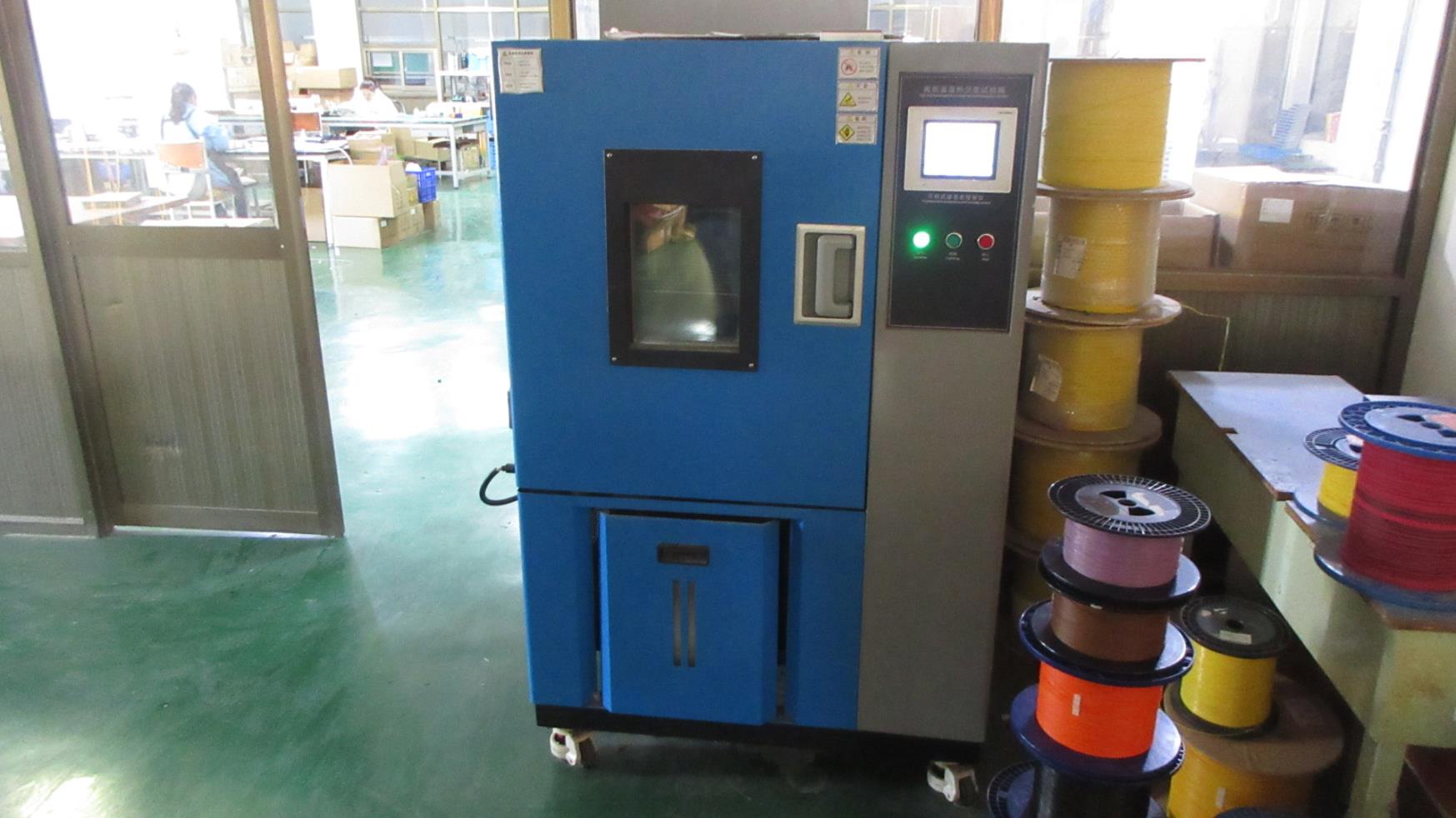
From high-frequency Taconic and high-TG PCBs down to original controller chips and DRAM components, we conduct thorough electrical stress testing, thermal cycling, and environmental simulations to guarantee 100% component compatibility.
A quantitative look at our manufacturing strength, engineering depth, and global trade capacity built over nearly a decade of operational excellence.
The transition from mechanical storage media to solid-state memory has accelerated rapidly, driven by the emergence of NVMe (Non-Volatile Memory Express) over PCIe (Peripheral Component Interconnect Express) interfaces. As PCIe Gen 4 gives way to PCIe Gen 5 and emerging Gen 6 architectures, data throughput rates are scaling beyond 14 GB/s per controller channel. Corexis is at the forefront of this evolution, engineering flash controllers that leverage 3D TLC (Triple-Level Cell) and QLC (Quad-Level Cell) NAND geometries with up to 232 active stack layers.
For enterprise procurement departments, standard consumer metrics like simple sequential read/write rates are insufficient. Modern data centers require sustained IOPS (Input/Output Operations Per Second), minimal tail latency (99.99th percentile), and exceptional write endurance measured in TBW (Terabytes Written) or DWPD (Drive Writes Per Day). Corexis optimizes these properties by utilizing over-provisioning (OP) configurations, dynamic temperature management, and hardware-accelerated LDPC (Low-Density Parity-Check) engine controllers to correct potential data degradation on the fly.
Understanding the structural differences in controller logic, DRAM integration, and durability metrics is essential for accurate infrastructure sourcing.
| Performance / Feature Parameters | Corexis Enterprise Class (PCIe Gen4/Gen5 NVMe) | Standard Consumer Class (SATA / PCIe NVMe) | Legacy Mechanical Media (HDD Enterprise SAS) |
|---|---|---|---|
| Sequential Read / Write (Max) | Up to 14,000 / 12,000 MB/s | Up to 7,000 / 5,000 MB/s | Up to 250 / 250 MB/s |
| Random Read / Write (4KB IOPS) | Up to 1,500,000 / 800,000 IOPS | Up to 800,000 / 600,000 IOPS | Up to 400 / 350 IOPS |
| Power Loss Protection (PLP) | Hardware-integrated Tantalum Capacitors | Firmware-based (Non-hardware supported) | Not Applicable (Mechanical park head only) |
| Write Endurance (DWPD) | 1 to 3 DWPD (Over 5-Year Lifecycle) | 0.3 to 0.5 DWPD (Typical Desktop use) | Unlimited (Within mechanical lifetime) |
| Tail Latency (99.99% QoS) | < 50 Microseconds (R) / < 15 Microseconds (W) | Variable (> 500 Microseconds under load) | > 8,000 Microseconds (Seek Time limit) |
| ECC Support Engines | Multi-stage LDPC & End-to-End Data Path Protection | Standard BCH or Light LDPC | CRC / Reed-Solomon only |
Streamlined high-volume custom production matching the specifications of hardware designers and cloud service providers.
Procuring raw storage hardware at enterprise scale presents significant logistical risks. We support system integrators and distributors through comprehensive custom component services, including custom PCB trace configurations, custom firmware tuning, and specialized heat sink configurations for thermal management in dense 1U/2U server environments.
Our OEM manufacturing pipeline is built on strict quality gates. Utilizing Incoming Material Inspection (IQC), In-Process Inspection (IPQC), Final Quality Control (FQC), and Outgoing Quality Assurance (OQA), we ensure that every silicon component, passive resistor, and controller chip meets strict standards before final packaging.
Business Type: Manufacturer & Exporter (Est. 2016)
Factory Footprint: 21,800 m² integrated plant housing automated high-speed SMT lines, advanced X-ray testing, and burn-in chambers.
Staff & Engineers: 128 R&D Engineers / 56 Quality Control Staff
Core Markets: North America, Europe, Southeast Asia, South America, Middle East
Core Offerings: High-speed DDR5 memory, industrial DDR4, custom high-frequency PCBs, SMT assembly, and enterprise SSD modules.
Customer Alignment: OEM Manufacturers, Brand Owners, System Integrators, Industrial Equipment Manufacturers, and Global Distributors.
Tailoring hardware profiles to meet the compliance, environmental, and duty cycle requirements of diverse industrial verticals.
Maximizing VM densities per node requires high-speed memory channels and fast, predictable storage IOPS. Corexis custom solutions are engineered for high-queue depth processing to prevent resource contention during peak processing periods.
Industrial applications often subject storage hardware to extreme temperatures, vibration, and fluctuating power conditions. We design SSDs and DDR modules with underfill, conformal coating, and wide-temperature components (-40°C to 85°C).
From high-sensitivity medical equipment to high-frequency communication modules, Corexis builds custom multi-layer PCBs and SMT assemblies using high-reliability materials like Taconic TLY-5 to maintain signal integrity.
The global storage market is undergoing rapid evolution. Standard PCIe Gen 4 SSD lines are transitioning toward Gen 5 architectures, doubling the data rate per lane and utilizing advanced heat spreader designs. Corexis is actively developing high-density enterprise NVMe drives capable of direct integration with the Compute Express Link (CXL) protocol, allowing memory resources to be shared dynamically between storage devices and computational units (CPUs/GPUs).
In parallel, the transition from DDR4 to high-frequency DDR5 is accelerating. Leveraging built-in On-Die ECC (Error Correction Code) and PMIC (Power Management Integrated Circuit) architectures directly on the memory module, DDR5 achieves high bandwidth and power efficiency. Our engineering pipeline is focused on delivering high-capacity modules (up to 128GB per DIMM) and high clock speeds (up to 6400MHz and beyond) to support AI training models and high-throughput real-time systems.
Every product batches undergo automated optical inspection (AOI), X-ray validation, and continuous thermal testing to ensure consistent quality.
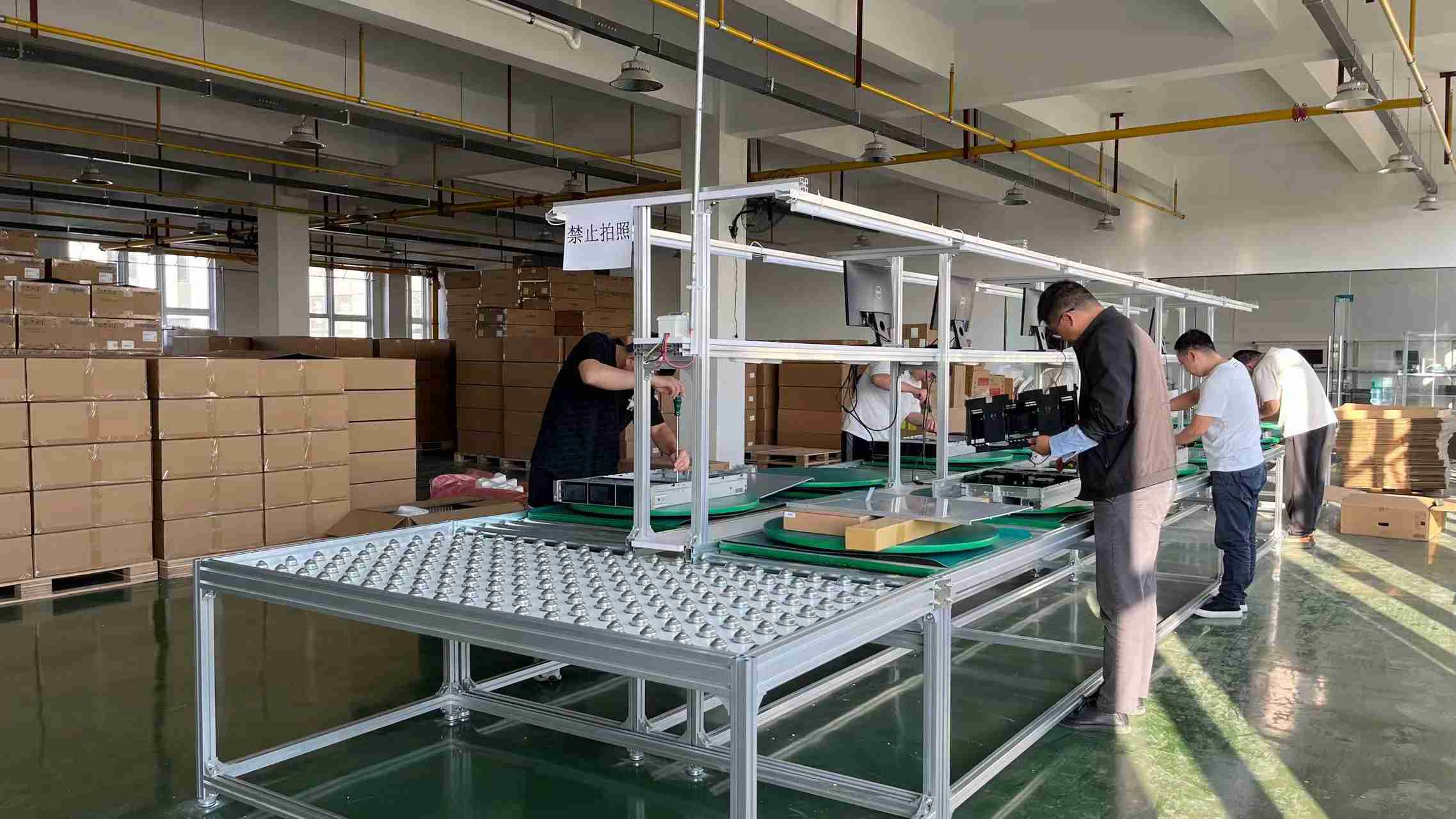
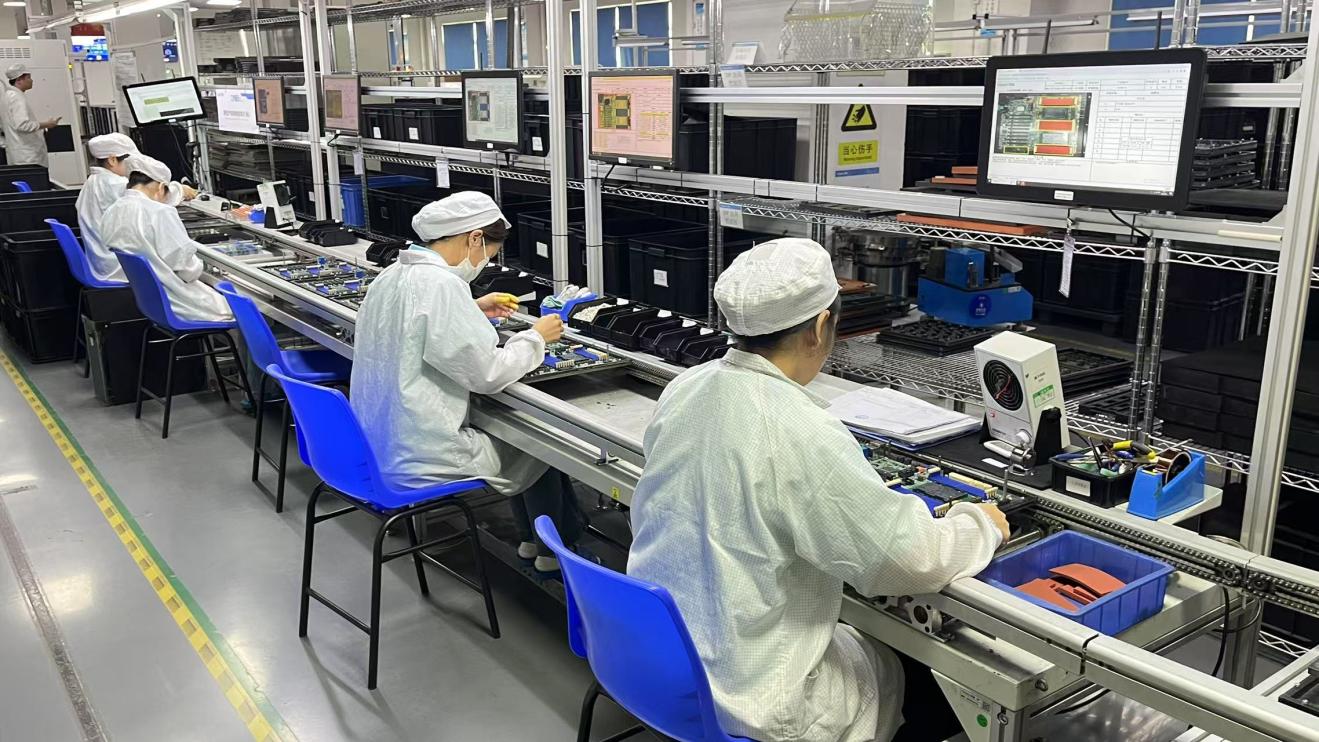
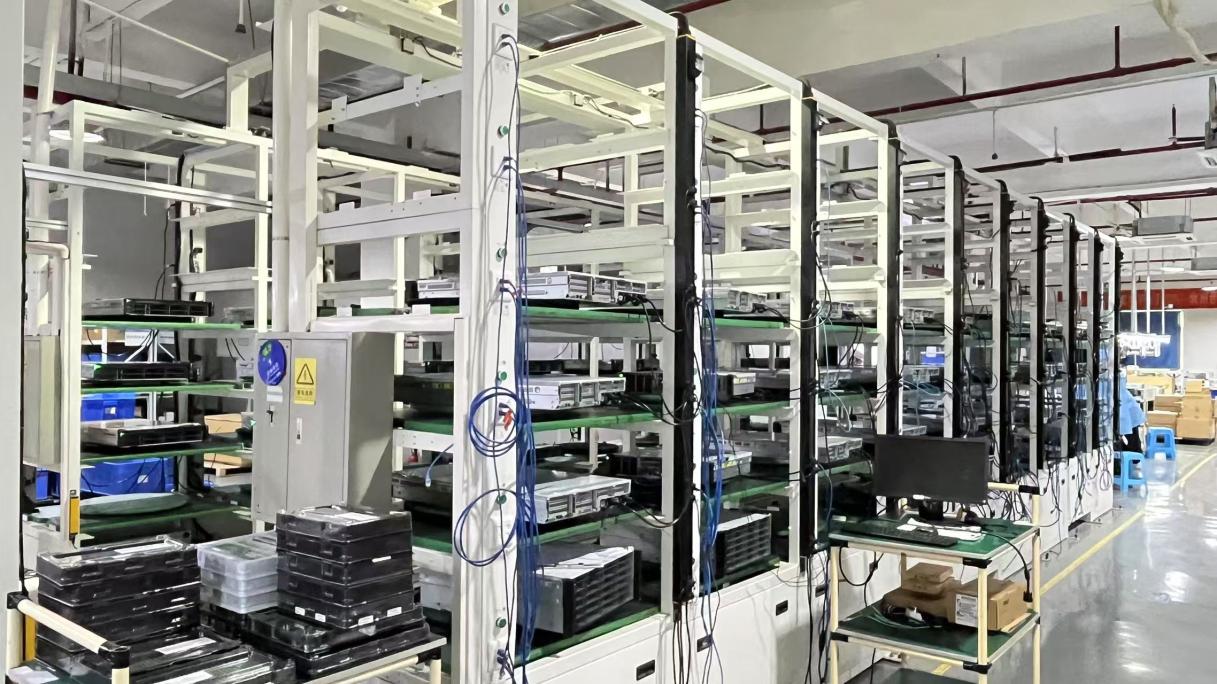
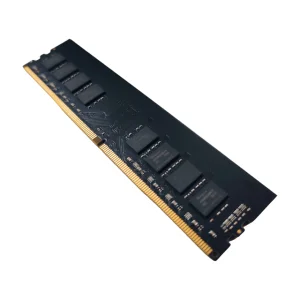
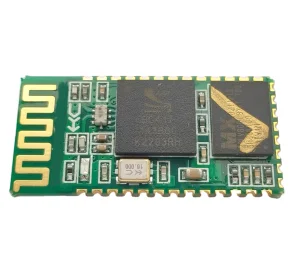
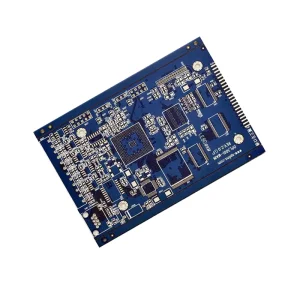
Discover our wide-compatibility laptop memory modules, high-frequency server RAMs, and specialized PCB designs for industrial instrumentation.
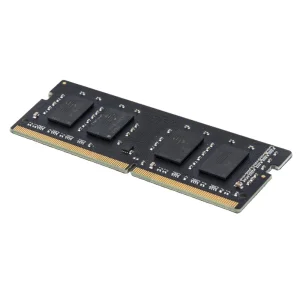
Get detailed technical guidance on enterprise SSD integrations, memory compatibility parameters, and OEM customization procedures.
 Corexis Memory