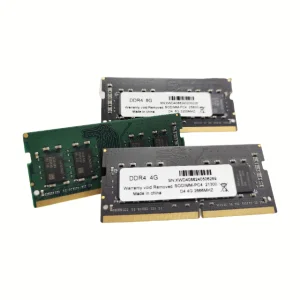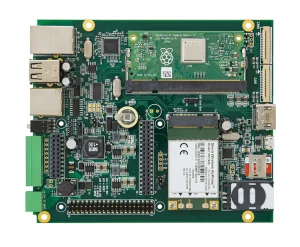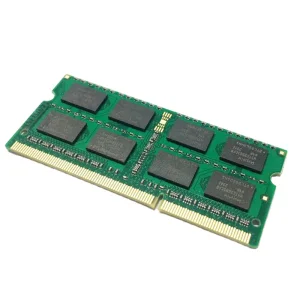
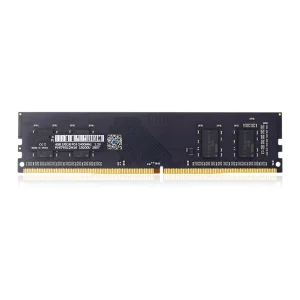
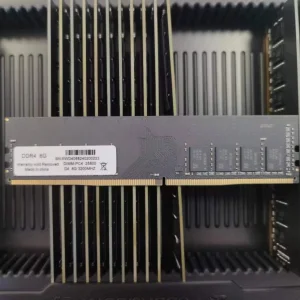
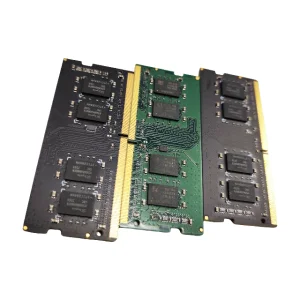
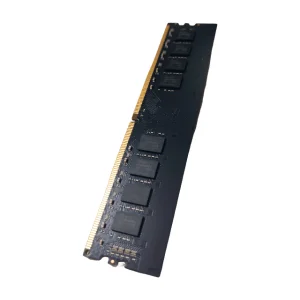
Nano-coating technology has transitioned from speculative lab research to the backbone of modern industrial engineering. In the electronics sector, where microprocessors, high-frequency PCBAs, and DRAM memory modules are deployed in increasingly harsh environments (such as marine research, sub-zero edge computing, and high-vibration automotive systems), standard conformal coatings (acrylics, silicones) are no longer sufficient. Their thickness compromises thermal performance, while their application methods are prone to micro-voids.
Modern nanotechnology manufacturers utilize Plasma-Enhanced Chemical Vapor Deposition (PECVD) and Atomic Layer Deposition (ALD) to create ultra-thin, pinhole-free polymer barriers down to the molecular level. These coatings, ranging from 10 to 100 nanometers thick, offer robust protection against oxidation, sulfur gas, moisture, and chemical corrosion without adding thermal insulation layers or affecting pin conductivity. This technological paradigm shift has directly altered global electronics procurement, making water-repellent (IPX7 and IPX8) computing systems a commercial standard.
From an economic standpoint, the market for nano-coatings is projected to grow exponentially, driven by electrification, 5G deployments, and AI-accelerated high-performance servers. Hardware designers are now prioritizing suppliers who integrate nano-coating protocols directly into the SMT line, rather than relying on post-assembly outsourcing. By integrating these processes, manufacturers eliminate secondary logistics costs, minimize contamination risks, and maintain tighter control over yield and reliability parameters.
Engineered coatings provide essential chemical, electrical, and thermal properties to safeguard modern integrated circuits under critical workloads.
Superhydrophobic structures create contact angles greater than 150 degrees, forcing liquid moisture to bead up and roll off the PCB rather than bridging electrical traces, effectively preventing short circuits in high-humidity applications.
Unlike thick epoxy potting compounds, nano-coatings measure less than 1 micrometer. This eliminates thermal trapping, allowing high-performance components (like DDR4/DDR5 PMICs) to dissipate heat naturally without throttling.
By establishing a dense molecular barrier, nano-coatings block aggressive gaseous molecules, such as hydrogen sulfide, sulfur dioxide, and chlorine, which are responsible for corrosion on copper, silver, and solder contacts.
An authoritative analysis of the leading global players providing commercial nano-coatings and integrated manufacturing solutions.
P2i is a pioneer in liquid-repellent nano-coatings. Their proprietary pulsed plasma deposition technology molecularly bonds an ultra-thin polymer film to the entire surface of electronics. P2i works extensively with global smartphone brands, IoT manufacturers, and defense contractors to protect critical systems from splashes, spills, and environmental exposure.
Europlasma specializes in low-pressure plasma technology and vacuum systems, providing advanced machines and chemical recipes under the trade names PlasmaGuard and Nanofics. Their coatings are highly valued in filtration media, medical devices, and complex electronic circuit board assemblies for their halogen-free, non-toxic properties.
HZO delivers world-class submersible-level protection utilizing Parylene chemical vapor deposition (CVD) alongside other customized thin-film solutions. Their technology covers components directly on the assembly level, sealing out liquids, dust, and corrosive vapors, enabling true IPX8 performance for medical implants, automotive sensors, and wearables.
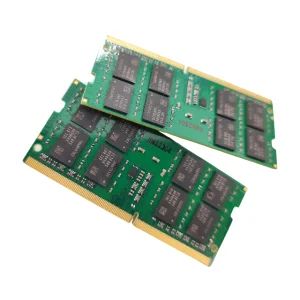
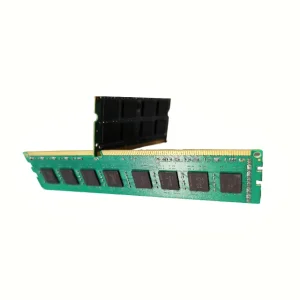
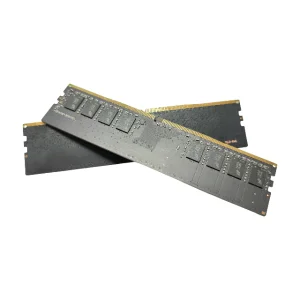
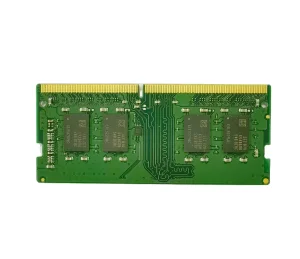
Corexis Memory Technology Co., Ltd. excels by pairing advanced hardware manufacturing with integrated protective finishes. By leveraging their 21,800 m² factory footprint and high-speed SMT assembly, Corexis integrates conformal coating, thin-film moisture barriers, and thermal interface materials directly onto custom PCBs, DDR4/DDR5 memories, and industrial controller modules. This direct-from-factory integration reduces supply chain cycles and minimizes environmental exposure during shipping.
SCS is an industry leader in Parylene coating services and equipment. Their Parylene HT variant offers high thermal stability up to 350°C and excellent UV resistance. They cater primarily to the aerospace, defense, and automotive sectors, where high-temperature performance under aggressive environments is a critical requirement.
Aculon utilizes Self-Assembled Monolayers of Phosphonates (SAMP) to coat surfaces at the nanoscale. Their treatments are extremely thin (often less than 5 nm) and can be applied via spray, dip, or wipe without vacuum chambers, making it an extremely cost-effective choice for consumer electronics and optical coatings.
NeverWet is globally recognized for developing superhydrophobic and oleophobic coatings that repel water, mud, ice, and oils. They license their technologies to consumer manufacturers and industrial giants to optimize outer-casing performance, prevent moisture ingress, and protect heavy-duty infrastructure from structural icing.
NTT-AT, a subsidiary of Japan's telecommunications giant NTT, produces HIREC, a super-water-repellent material designed to prevent snow and ice buildup on outdoor antennas, transmission lines, and high-frequency wireless infrastructure. It has been adapted for outdoor electronics and camera housings.
ACTnano develops water-repellent, fluoropolymer-free coatings under the brand name nanoGuard. Their liquid-phase coatings can be applied directly over connectors and mechanical switches, eliminating masking steps in mass automotive electronics production lines, making it highly attractive to OEMs.
Daikin Industries leverage their deep fluorine expertise to supply OPTOOL surface treatments. These coatings provide outstanding anti-soiling, anti-fingerprint, and hydrophobic properties to touch panel displays and optical sensors, while their industrial divisions formulate specialty fluoropolymers for PCB boards.
When sourcing nano-coated hardware, the choice of manufacturing location directly impacts speed-to-market, cost, and design flexibility. China has built an unparalleled electronics ecosystem that combines SMT manufacturing, testing, and nano-treatment under single roofs. By housing these operations within local clusters, Chinese electronics hubs dramatically reduce logistics overhead.
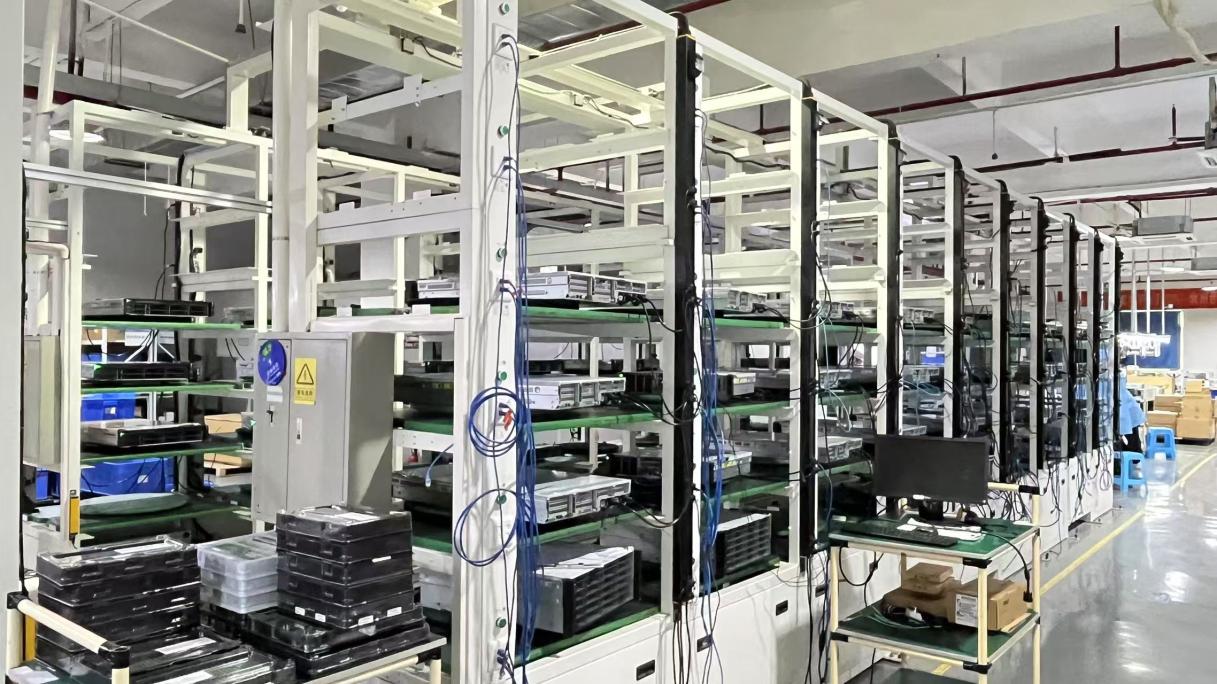
Instead of shipping raw PCBs from one facility to a conformal coating shop and then to a testing facility, integrated plants like Corexis Memory Technology complete component placement, precision coating deposition, and environmental burn-in within a continuous quality-controlled production environment. This workflow eliminates transit damage and minimizes PCB contamination from air humidity, dust, and handling—a critical factor for long-term dielectric performance.
Furthermore, China's robust domestic supply chains for high-purity chemicals, deposition gases, and custom vacuum chambers keep material costs competitive. SMT integration allows for real-time adjustments: if a system integrator requires localized masking on a connector pin, engineers can instantly modify the masking program on the robotic spray or CVD lines. This level of agility is crucial for industrial automation, automotive electronics, and bespoke hardware designs.
Understanding where nano-coating and rugged design intersect to prevent field failures.
Field detectors operate in moist, mineral-rich soils, demanding zero-leakage currents. Precision PCBA assembly combined with moisture-barrier nano-coatings ensures sensors maintain ultra-high sensitivity even under waterlogged conditions.
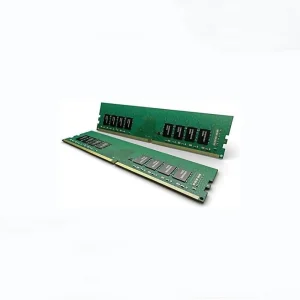
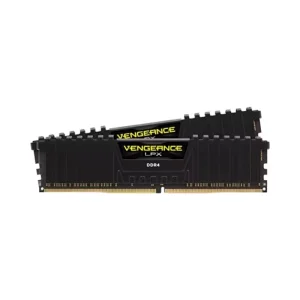
In remote edge computing and high-density AI servers, moisture and dust condensation can cause micro-shorts. Applying molecular hydrophobic coatings to high-speed DDR4/DDR5 memories prevents sulfur corrosion and extends server lifespans.
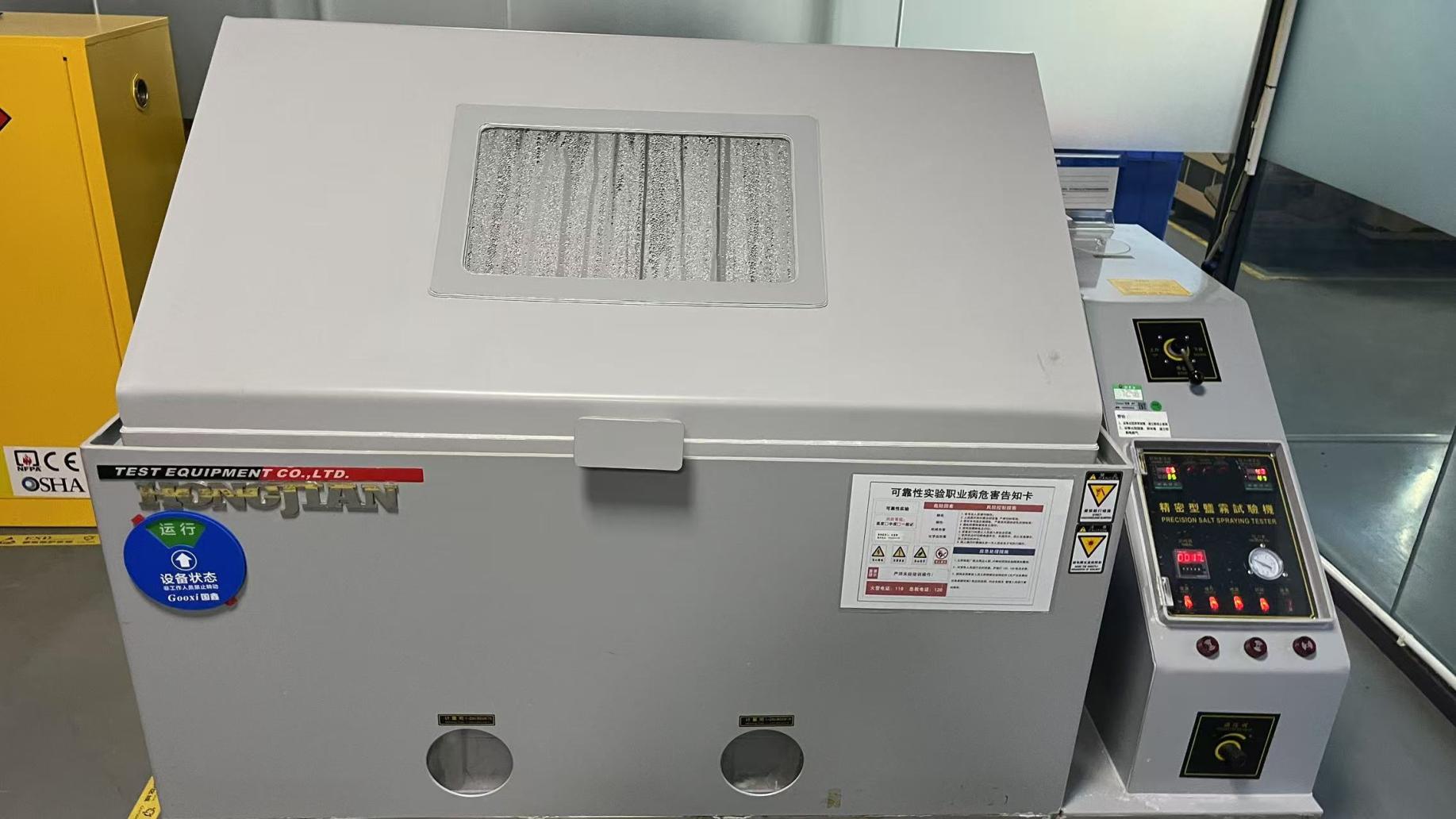
Outdoor telemetry, industrial controller motherboards, and maritime monitoring systems are constantly exposed to salt-fog and high humidity. Molecular shielding provides robust anti-salt-spray protection, reducing field maintenance visits.
Corexis Memory Technology Co., Ltd. is a professional DDR5 and DDR4 memory manufacturer dedicated to delivering high-performance DRAM solutions and ruggedized PCBA designs for global OEM, ODM, and brand customers. Since its establishment in 2016, the company has focused on memory technology innovation, advanced packaging, and strict environmental-grade quality management.
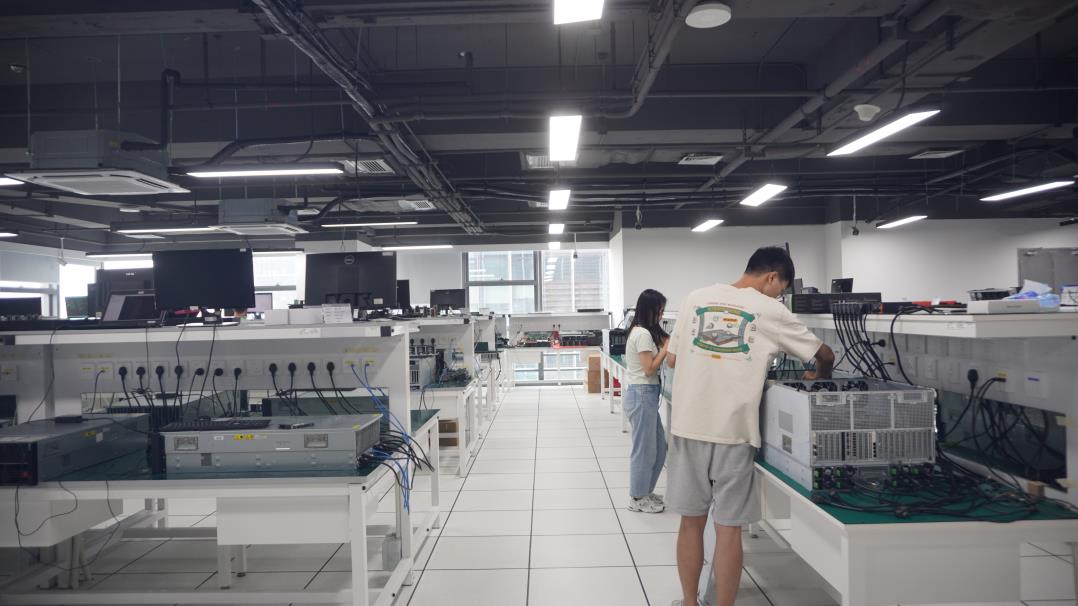
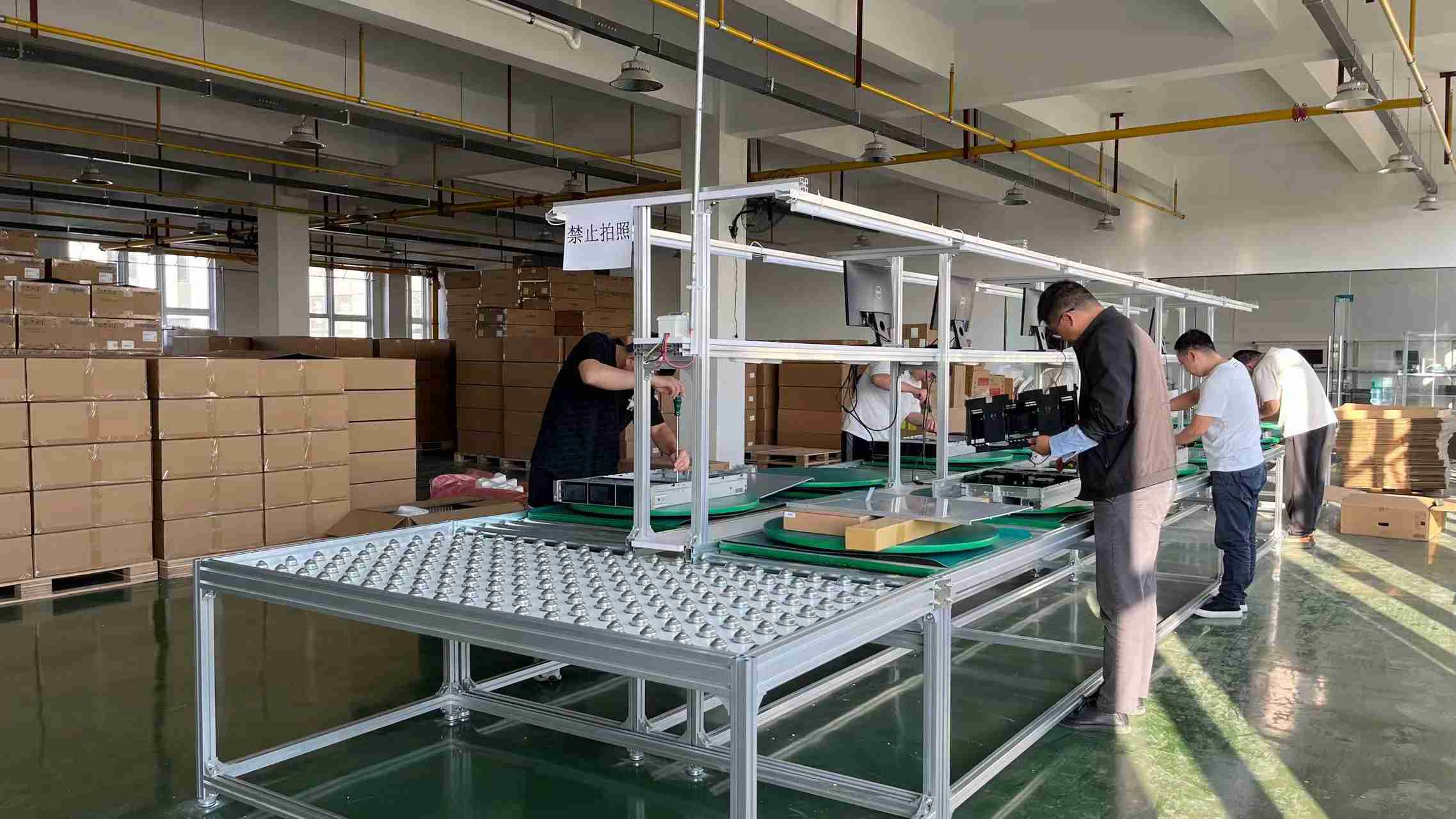
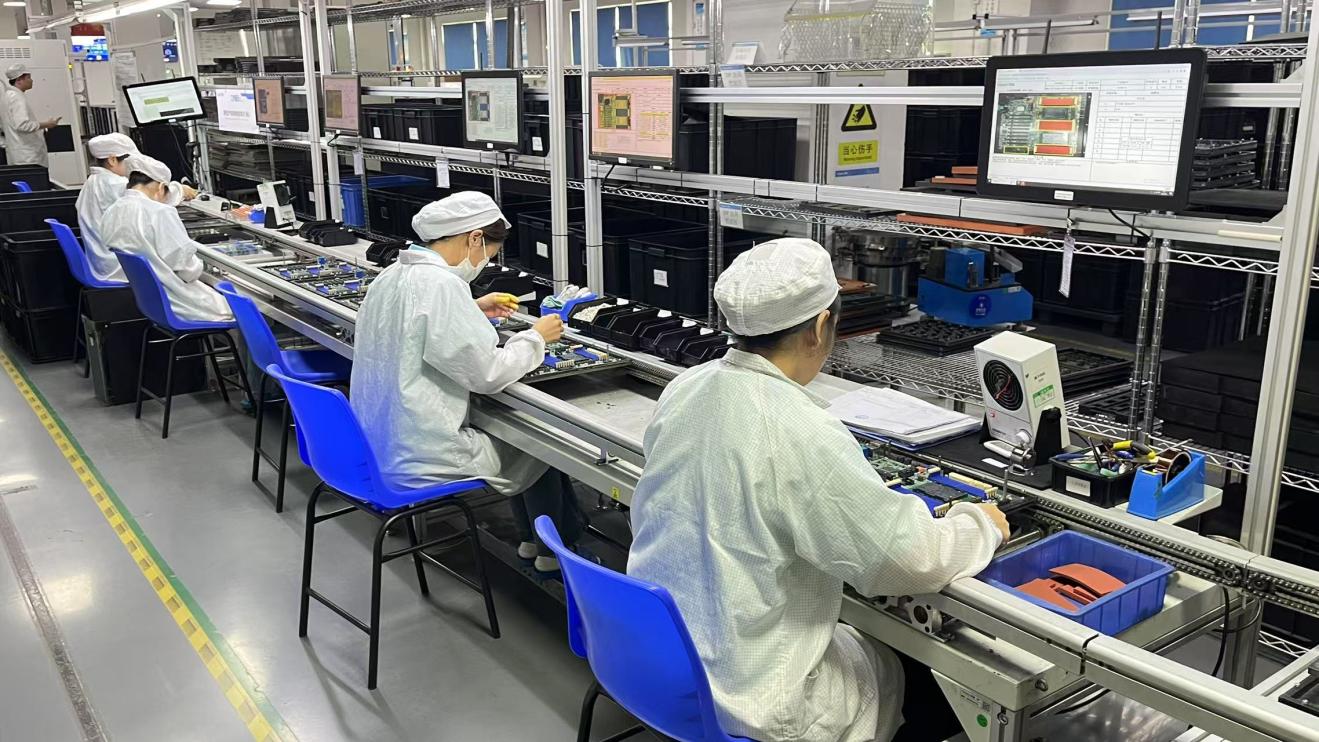
Operating a modern manufacturing facility covering 21,800 m², Corexis integrates R&D, high-speed SMT production, functional testing, custom packaging, and quality assurance under one roof. Our experienced engineering team continuously develops reliable, high-speed, and ruggedized memory modules designed to meet international standards and survive the evolving demands of harsh computing environments.
Driven by technical innovation and customer satisfaction, Corexis is committed to providing reliable memory solutions with competitive pricing, stable supply capacity, and responsive technical support. We build long-term partnerships with global system integrators and distributors through consistent product quality and flexible OEM/ODM manufacturing expertise.

Answering critical queries concerning industrial nano-coating thickness, cost, application methods, and performance tradeoffs.
Standard conformal coatings (acrylic, polyurethane, silicone) are typically 25 to 75 micrometers thick and are applied via liquid spraying or dipping. They add weight, trap heat, and are prone to cracking. Nano-coatings are ultra-thin (10 to 1000 nanometers) molecular films deposited via vapor phase (CVD/PECVD). They are highly uniform, void-free, do not alter RF performance, and maintain zero thermal impedance.
Yes. Specialized coatings, particularly those utilizing Parylene deposition (CVD) or multi-layer fluoropolymers, can seal all board-level components to prevent ionic currents and electrochemical migration even when fully submerged. Connectors and ports, however, require careful mechanical masking or specialized gold-plated physical contacts to maintain conductivity.
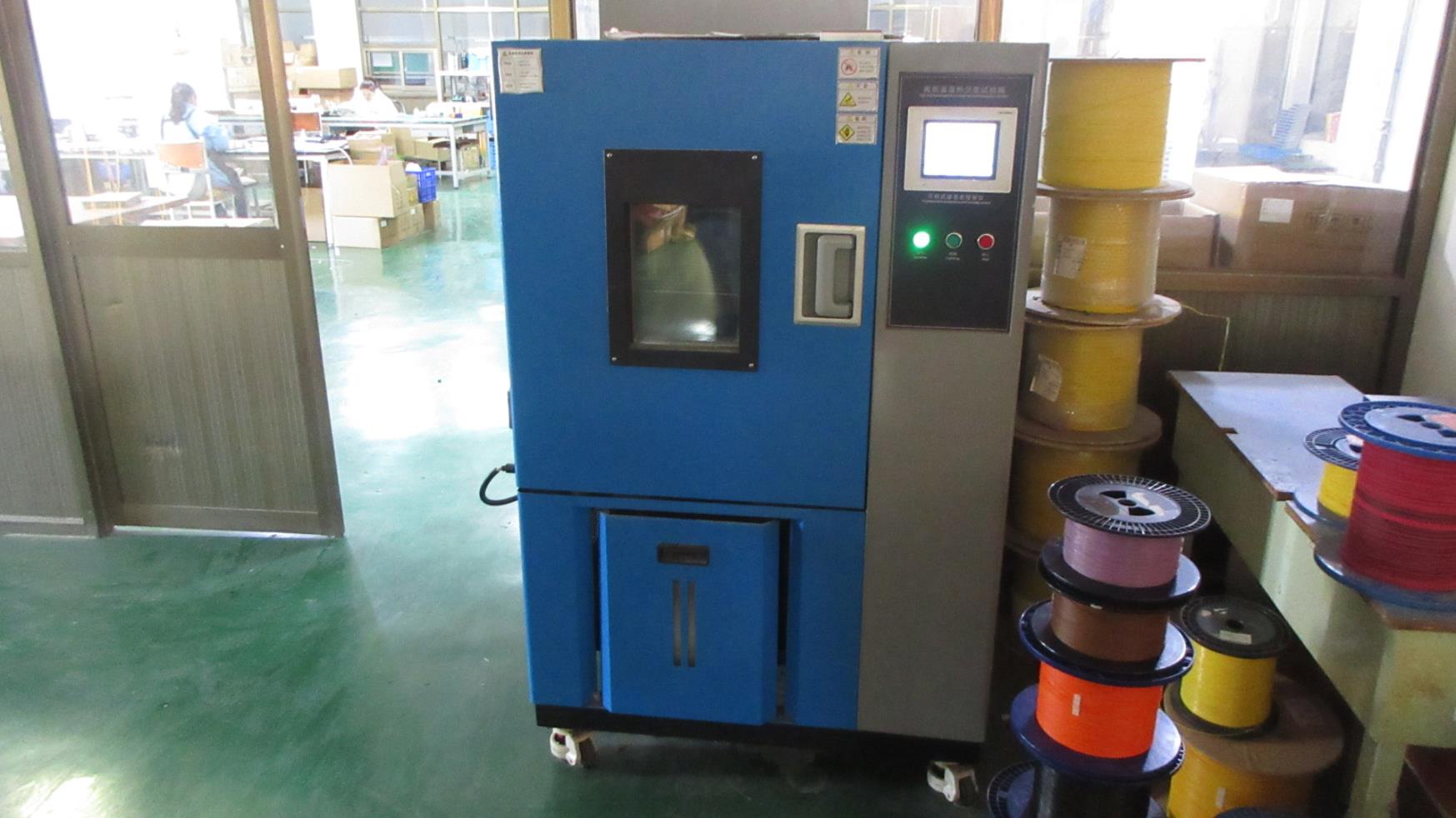
Corexis utilizes a comprehensive inspection framework: Incoming Material Inspection (IQC), In-Process Inspection (IPQC) on SMT lines, Final Quality Control (FQC), Outgoing Quality Assurance (OQA), and reliability/compatibility testing. Every module undergoes 100% full inspection before shipping, monitored by our 56-person QC team.
Generally, because nano-coatings are extremely thin, they can be soldered through directly during rework without requiring chemical solvent stripping. The heat of a soldering iron tip vaporizes the local nanolayer, allowing direct metallic contact. This makes debugging and field repairs far simpler than with thick epoxy potting compounds.
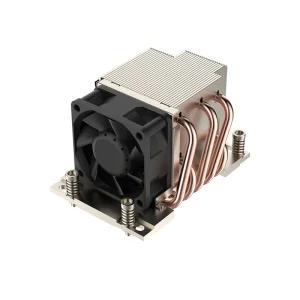
Corexis provides comprehensive customization including custom PCB design, logo printing, private labeling, capacity configurations, heat spreader design, and custom conformal coatings. Our 128 R&D engineers can adapt modules for specialized industrial computers, embedded systems, and automotive computers.
 Corexis Memory