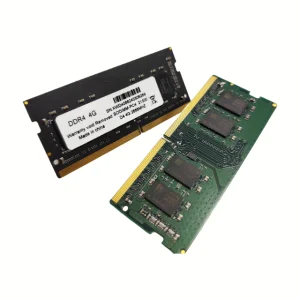
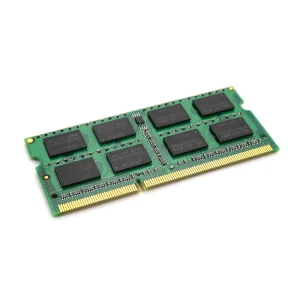
Explore our certified DRAM modules, server components, and bespoke circuit designs. Built under rigid SMT packaging conditions and inspected 100% prior to dispatch.
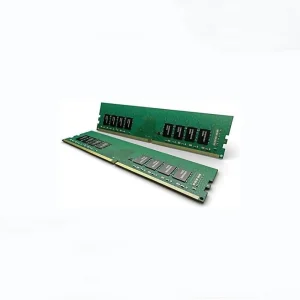
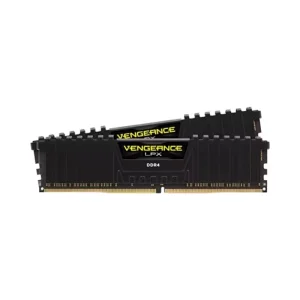
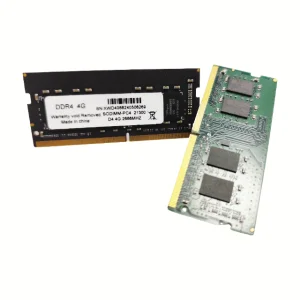
A macroeconomic analysis of semiconductor demands, technological breakthroughs in DRAM scaling, and transition parameters shaping enterprise architectures.
The enterprise infrastructure framework is undergoing a profound paradigm shift, largely driven by the exponential scale of machine learning workloads, low-latency computing models, and heavy analytics operations at the Edge. In this architectural environment, traditional memory limitations create critical bottlenecks. As systems shift from DDR4 to next-generation DDR5 technologies, system memory performance is no longer defined strictly by density, but by bandwidth-per-core scalability, energy optimization, and hardware-level stability.
This dynamic transition requires memory modules to incorporate on-die error-correcting code (ECC), local power management integrated circuits (PMICs), and structural thermal dissipation strategies. For multinational procurement networks and hardware manufacturers, maintaining a stable technology roadmap means choosing tier-1 original IC configurations. We ensure that our memory upgrade configurations match these specific demands by choosing components that minimize parasitic signal distortion and transmission noise across high-frequency interfaces.
DDR5 modules bring fundamental changes, including doubling the basic burst length from BL8 to BL16 and introducing two independent 32-bit subchannels. Our manufacturing designs address these structural adjustments to minimize signal reflection and cross-talk.
Artificial Intelligence platforms require high-frequency processing across distributed compute nodes. To prevent cache-miss latency bottlenecks, we optimize our server layouts for stable performance under continuous load cycles.
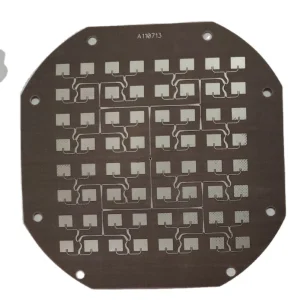
Edge nodes operating in harsh conditions depend on ruggedized component assembly. We engineer high-sensitivity PCBs utilizing Taconic laminates and aluminum backings to handle thermal expansion and mechanical vibration stresses.
A professional DDR5/DDR4 manufacturer and global exporter dedicated to high-performance DRAM validation, PCBA engineering, and hardware customization.
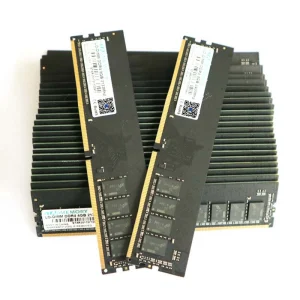
Corexis Memory Technology Co., Ltd. is a professional DDR5 memory manufacturer dedicated to delivering high-performance DRAM solutions for global OEM, ODM, and brand customers. Since its establishment in 2016, the company has focused on memory technology innovation, advanced manufacturing, and strict quality management. Our products are widely used in desktop PCs, laptops, servers, industrial computers, embedded systems, and AI applications.
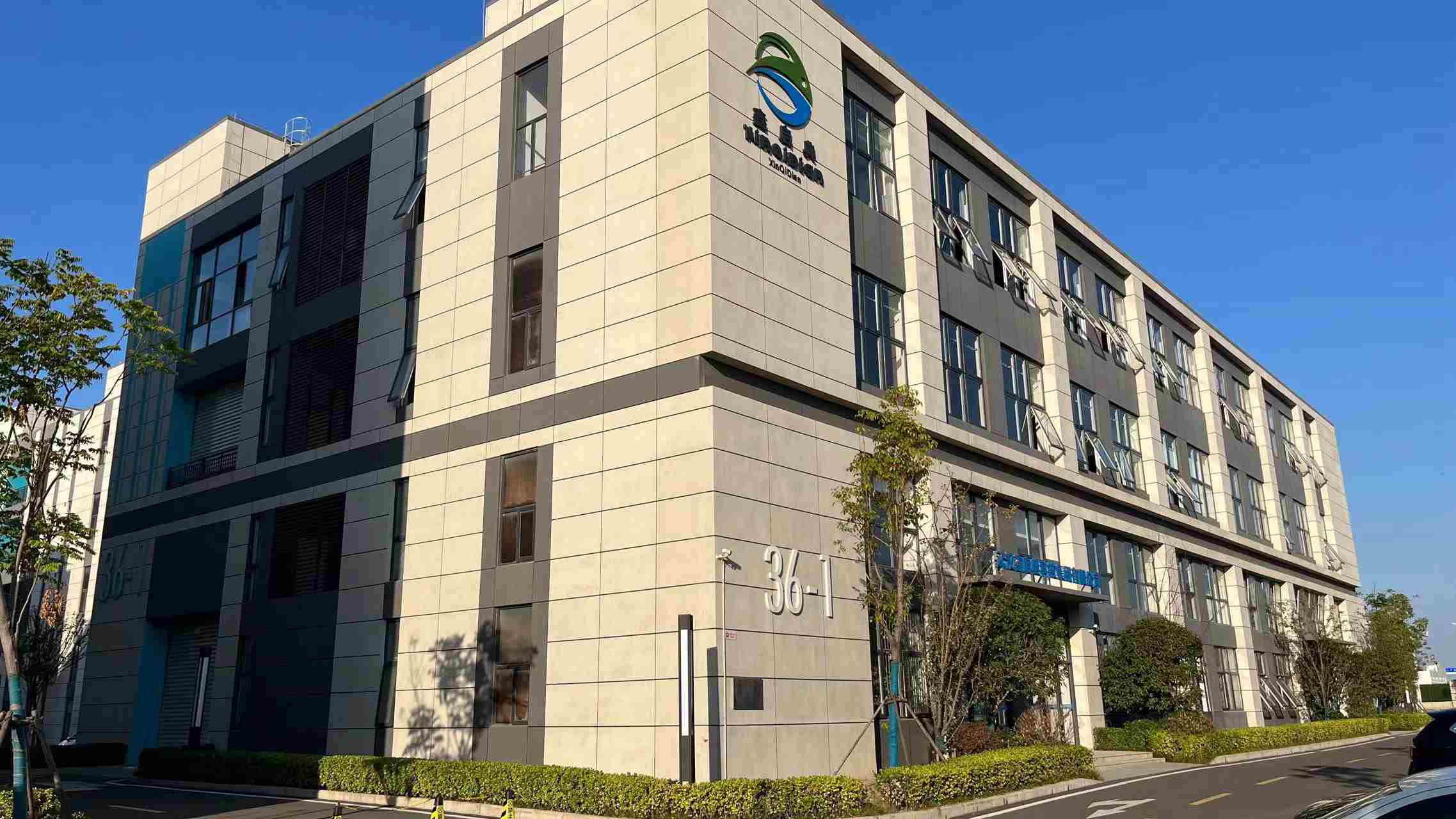
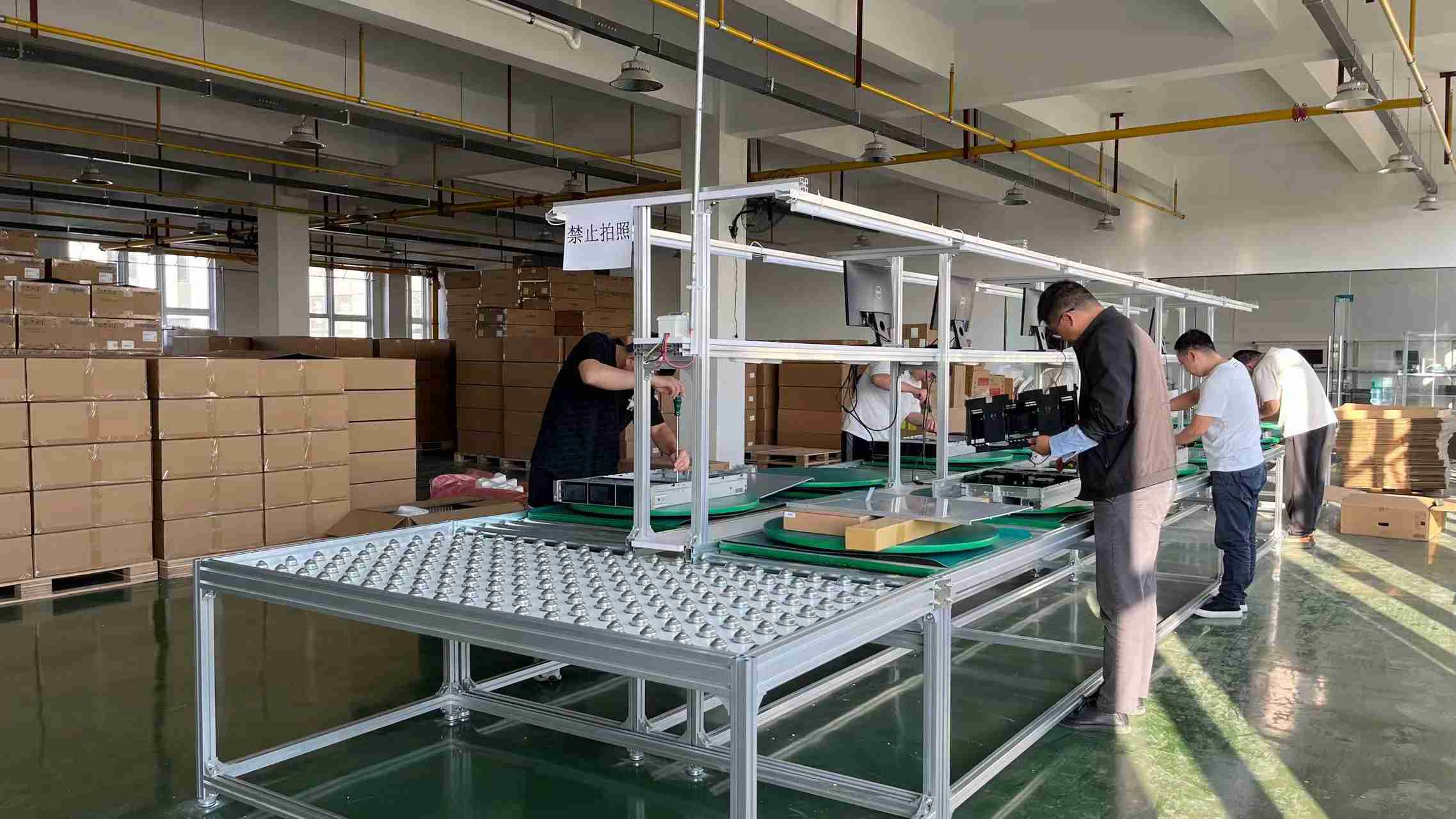
With a modern manufacturing facility covering 21,800 m², Corexis integrates R&D, SMT production, testing, packaging, and quality assurance under one roof. Our experienced engineering team continuously develops reliable and high-speed DDR5 memory products that meet international standards and the evolving demands of the global market.
How Corexis resolves challenges in component sourcing, manufacturing standards, and system validation cycles for modern hardware brands.
B2B hardware sourcing departments face major challenges including volatile silicon spot markets, unexpected component revisions (BOM shifts), and assembly errors. If a system integrator receives memory components that haven't been validated on their target platform, they risk compatibility issues in the field, leading to warranty returns and increased support costs.
Corexis mitigates these supply risks through a transparent production ecosystem. We maintain strong supply agreements with tier-1 wafer fabricators to ensure a stable supply of original ICs. To protect client system configurations from unexpected firmware conflicts, we enforce strict BOM locking protocols. Every production batch is fully documented, ensuring clear component traceability from material receipt to final packaging.
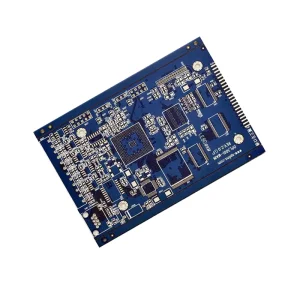
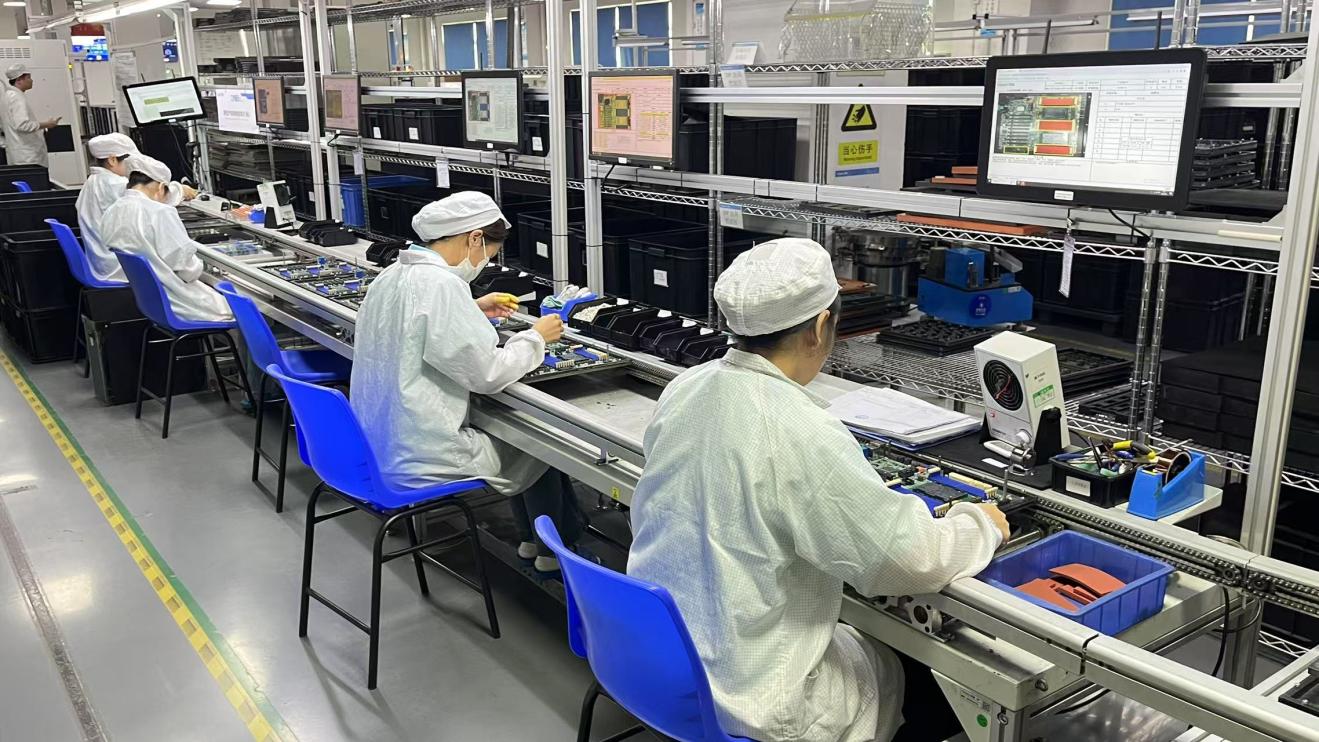
Our surface-mount lines are optimized to mount passive components, edge-connectors, and silicon packages onto multi-layered PCBs. We support customizations for power supply instrumentation, industrial automation components, and high-frequency materials such as Taconic TLY-5.
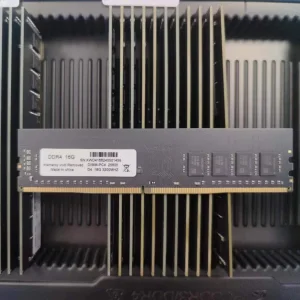
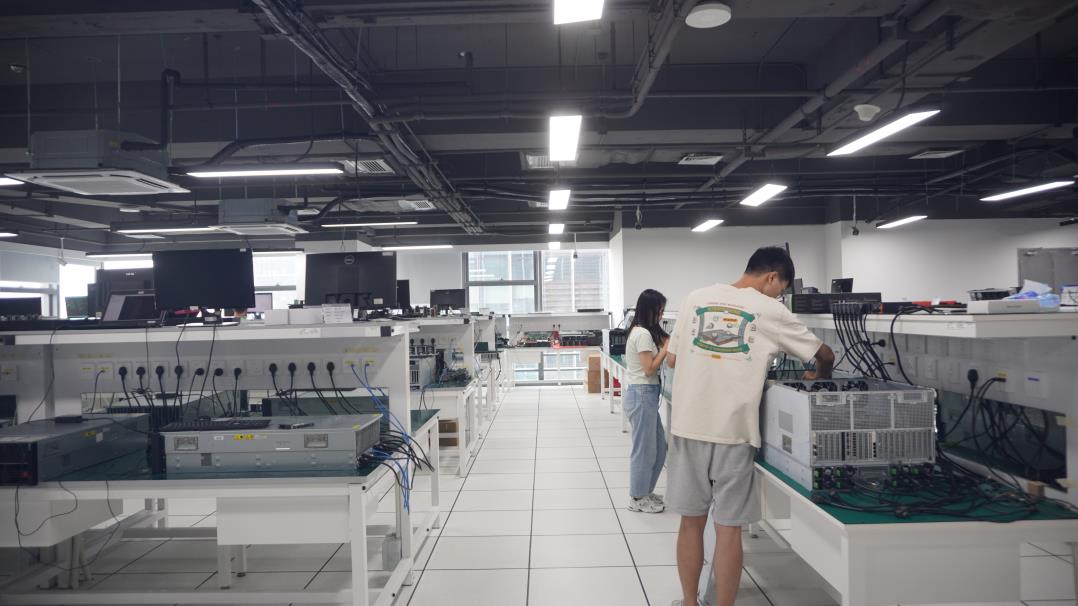
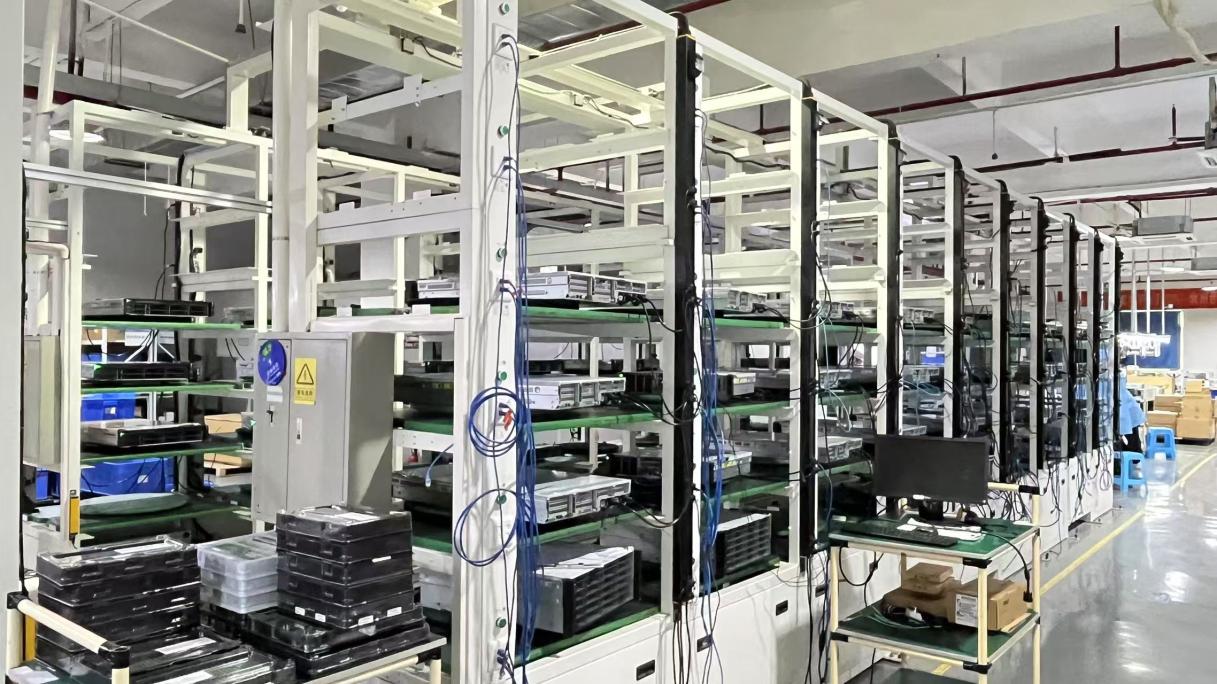
We test every module on actual system boards, verifying them against targeted motherboard bios options and chipset profiles. This direct system testing ensures broad compatibility and steady data transfer performance under operational thermal loads.
Inside the SMT facility: how we manage high-yield manufacturing and design custom solutions for complex computing projects.
Corexis's hardware manufacturing is based on structured assembly engineering. Standard DRAM assembly is prone to impedance variations, poor solder contacts, and high thermal resistance. Our R&D team uses advanced software models to design layouts with balanced trace lengths and optimized copper plane spacing. This design approach stabilizes memory signals even at transfer speeds exceeding 5600 MT/s.
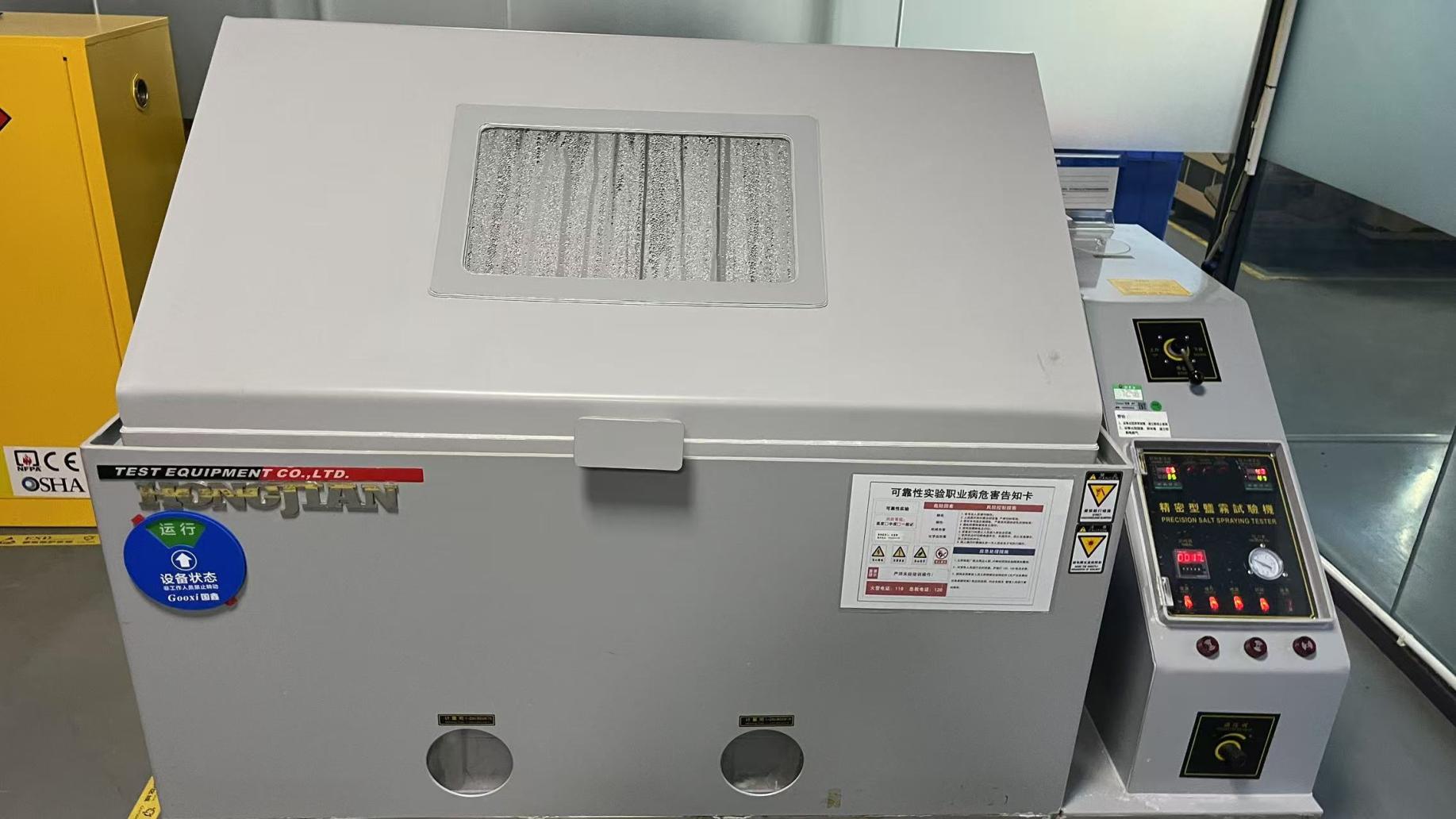
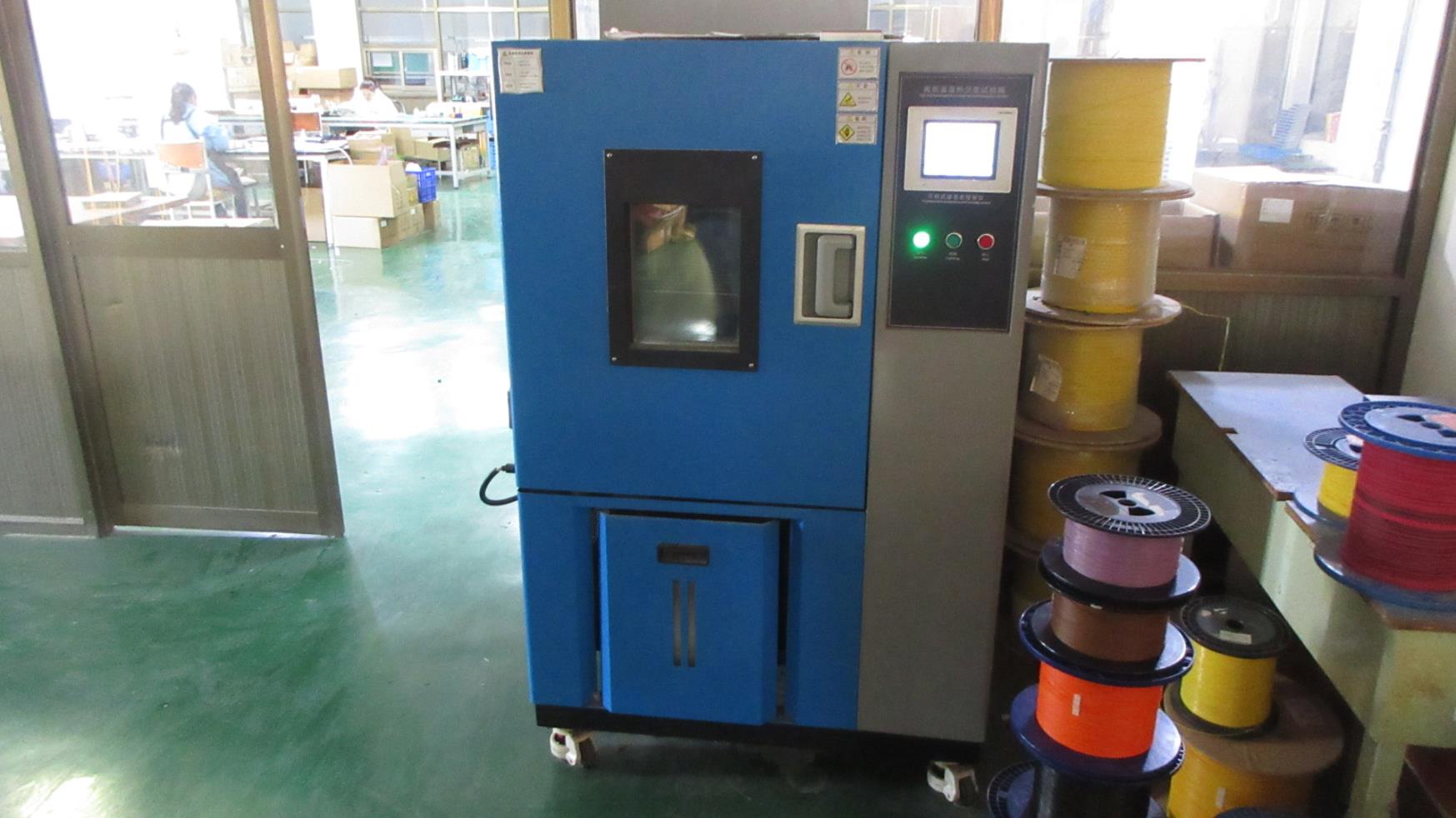
Our quality assurance framework utilizes systematic inspection checkpoints at every production stage. Material is verified at intake through Incoming Quality Control (IQC). High-speed optical systems monitor the SMT placement process in real time (IPQC), and completed boards undergo automatic functional testing (FQC) and final compliance audits (OQA). Additionally, reliability protocols subject selected batches to accelerated temperature stress testing, confirming they can withstand continuous operational demands in server centers and industrial automation sites.
Streamlining global supply lines through cross-border logistics support, certifications, and product warranty plans.
Navigating global import regulations requires strict compliance with international manufacturing and environmental standards. Corexis memory upgrades and PCBA modules are manufactured to meet CE, FCC, RoHS, and REACH guidelines, facilitating smooth custom clearance across major global ports. Our distribution network is structured to support varied freight configurations, whether handling express air transport for urgent inventory restocks or large-scale ocean freight for bulk distribution.
To support global hardware partnerships, we offer extended warranty programs. Our customer service and engineering teams provide technical support, assist with compatibility assessments, and manage validation tasks directly with client engineers. This collaborative service model helps simplify integration schedules and reduces time-to-market for complex hardware systems.
Technical guidance and service answers addressing DRAM design, PCBA fabrication, and global logistics workflows.
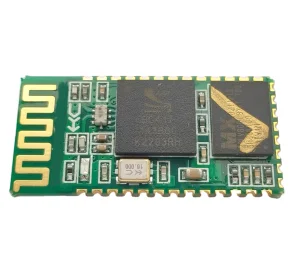
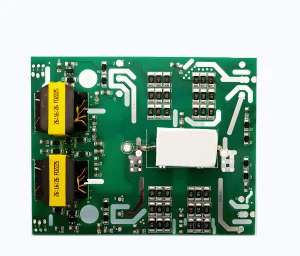
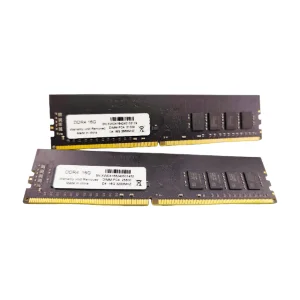
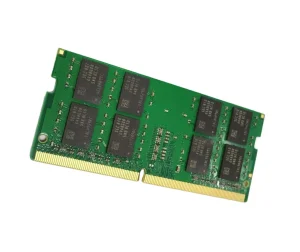
Explore our selections for high-frequency PCBs, industrial driver systems, and retail-ready memory configurations.
 Corexis Memory