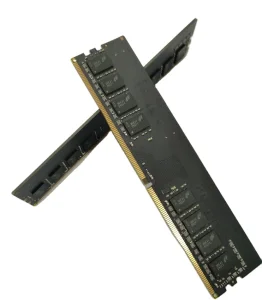
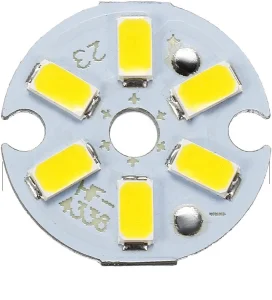
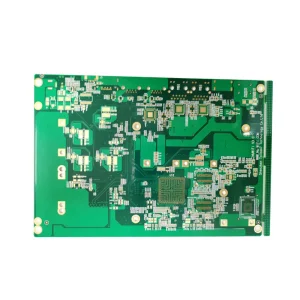
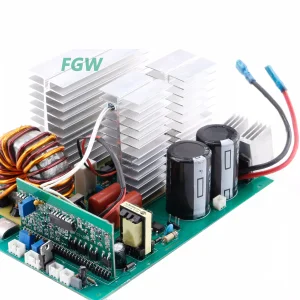
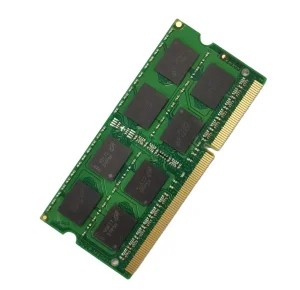
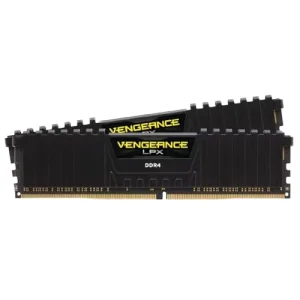
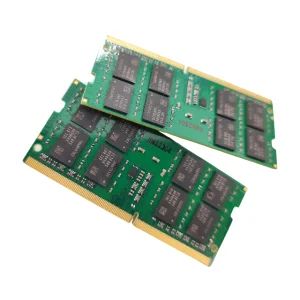
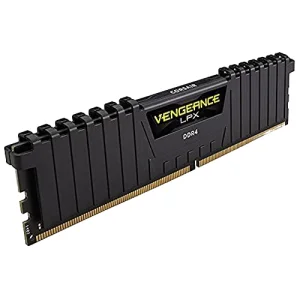
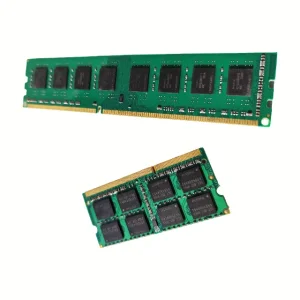
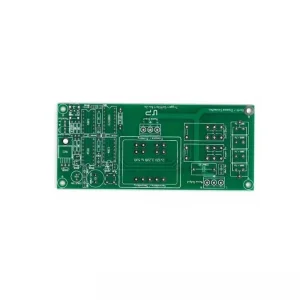
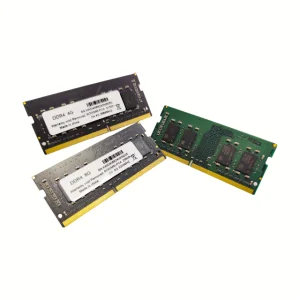
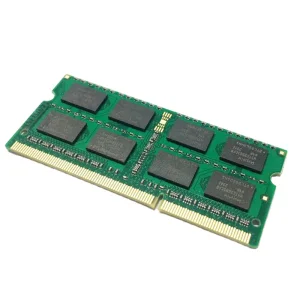
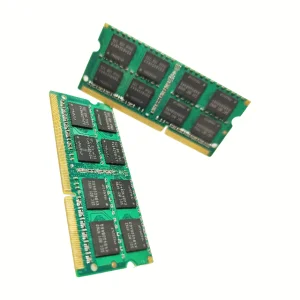
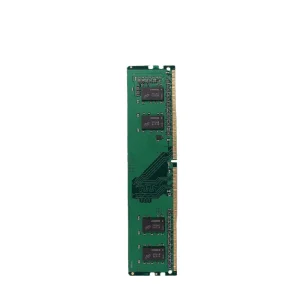
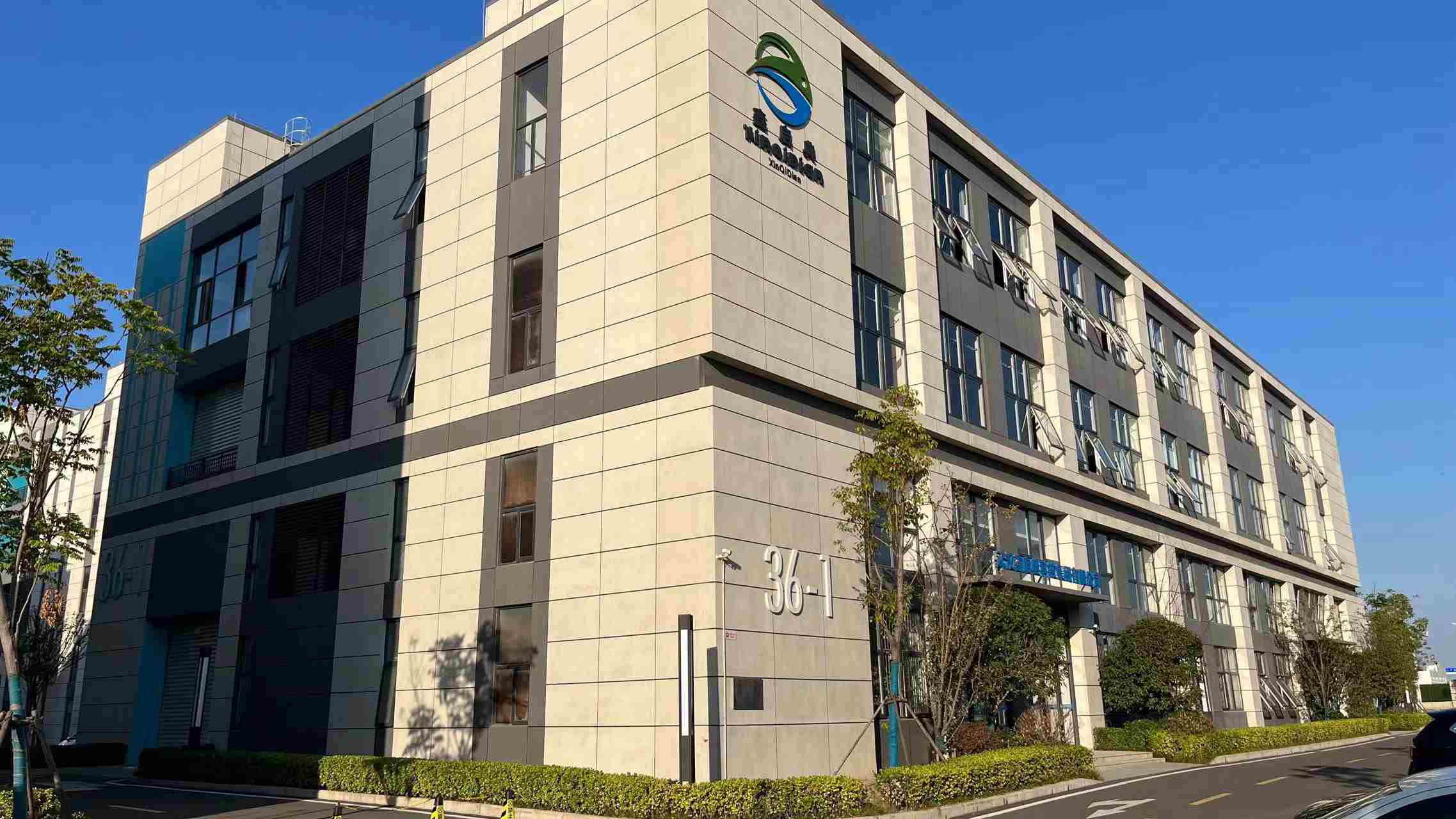
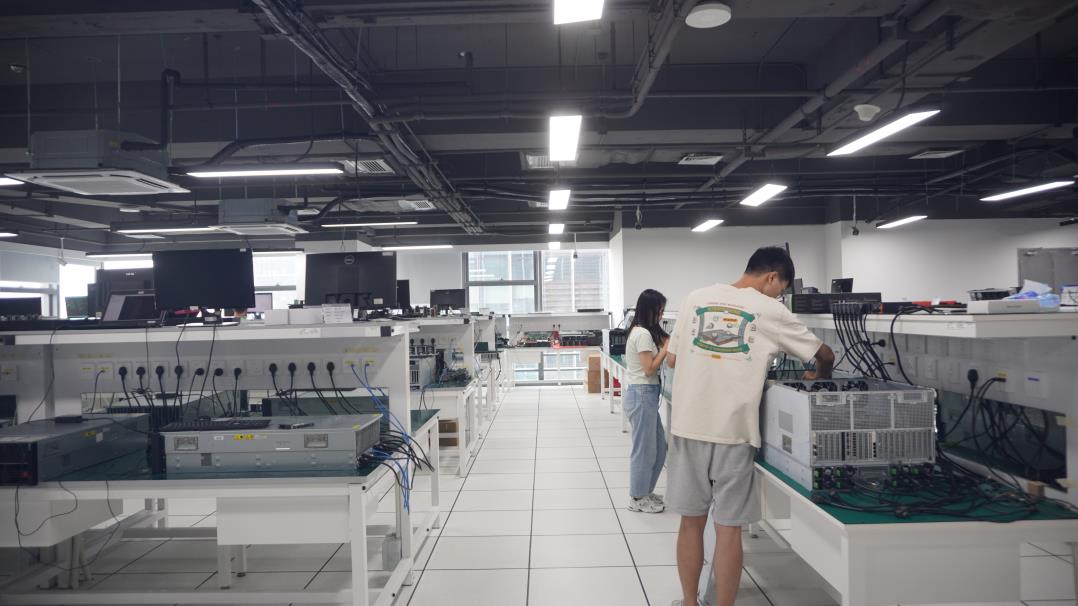
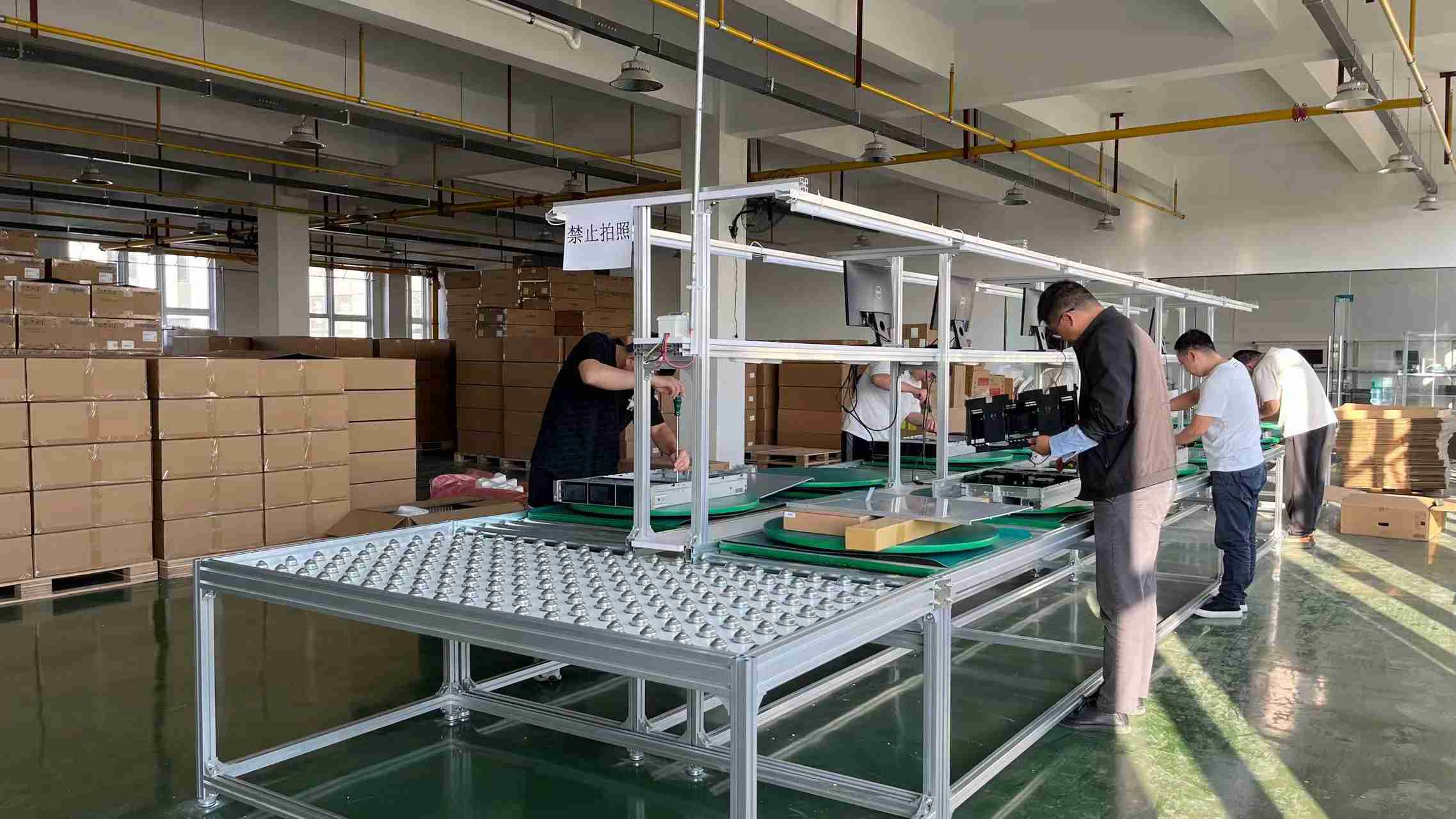
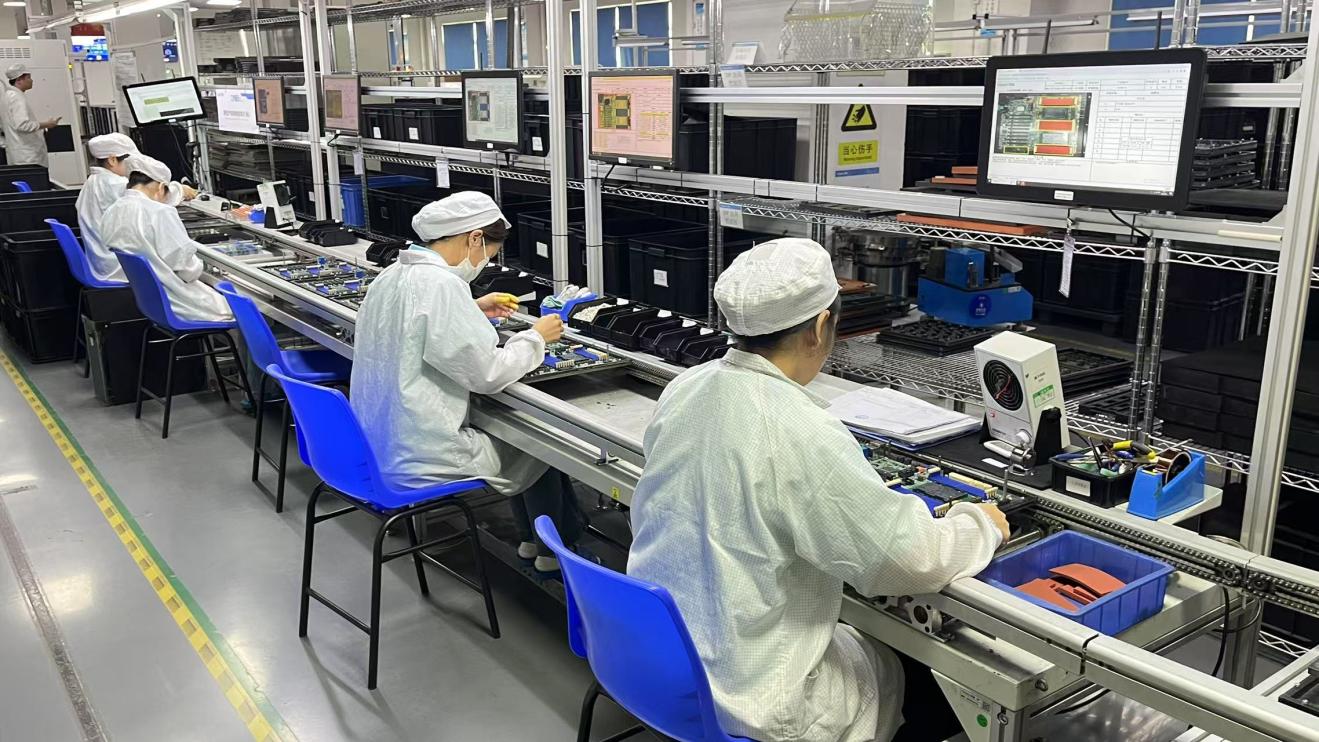
Established in 2016, Corexis Memory Technology Co., Ltd. has grown to become a cornerstone in advanced electronics manufacturing, specializing in high-performance DRAM modules, multilayer PCBs, and advanced LED Circuit Board designs. Leveraging a state-of-the-art 21,800 m² manufacturing plant, Corexis integrates high-speed SMT assembly, complex hardware routing, and strict quality assurance protocols under a unified operation.
While renowned for our high-capacity DDR4/DDR5 computer and server memory architectures, our engineering expertise naturally encompasses precision LED Printed Circuit Boards (PCBs) and printed circuit board assemblies (PCBAs). Drawing from the strict timing, signal integrity, and thermal limits of server-grade DRAM layouts, our design teams bring unmatched precision to high-brightness LED thermal management substrates. This high-density routing and assembly expertise ensures our commercial LED circuit boards achieve maximum lumen maintenance, low thermal impedance, and high system longevity.
| Parameter Details | Operational Metrics | Strategic Procurement Advantages |
|---|---|---|
| Year Founded / Export Experience | Est. 2016 / 8 Years International Export | Stable financial standing, seasoned logistics, and global compliance. |
| Factory Footprint | 21,800 m² ISO9001/ISO14001 Facility | High-speed SMT lines, automated optical inspection (AOI), and massive production scale. |
| Annual Export Revenue | USD 26,800,000 | Proven delivery capabilities to Tier-1 system integrators and distributors. |
| Dedicated R&D Engineering Force | 128 Hardware, Firmware & Thermal Engineers | Direct OEM/ODM customization, rapid PCB prototyping, and signal optimization. |
| Total Quality Assurance Staff | 56 Certified Inspectors (IQC/IPQC/FQC/OQA) | 100% full electrical and thermal testing prior to container dispatch. |
| Global Distribution Footprint | North America, Europe, Southeast Asia, South America, Middle East | Full localized compliance (CE, FCC, RoHS, UL) for seamless import operations. |
The global solid-state lighting and industrial PCBA market is undergoing a structural transition. As cities, factories, automotive OEMs, and data centers focus on energy efficiency and smart system integration, the demand for highly reliable, thermally optimized, and smart-sensor-enabled LED circuit boards is growing rapidly.
Historically, LED PCBs served as simple mechanical mounts for light-emitting diodes. In today's market, they serve as the primary thermal management interface and electrical hub for complex IoT control networks. Modern high-power LEDs convert only 30-40% of their electrical input into visible light; the remaining 60-70% is converted directly into heat. If this heat is not dissipated efficiently, junction temperatures rise, causing color shifting, output degradation, and eventual driver failure.
Consequently, the industry is moving away from traditional FR-4 materials toward Metal Core Printed Circuit Boards (MCPCBs), particularly aluminum and copper-clad substrates. These metal cores provide thermal conductivity values up to 10 times higher than conventional epoxy-glass laminates. In parallel, the rapid growth of automotive electrification (such as adaptive LED matrices and daytime running lights) and ultra-bright industrial high-bay systems requires circuit boards that can operate reliably under harsh thermal cycling, high humidity, and physical vibration.
To support high-reliability applications, Corexis delivers custom engineered solutions that match specific thermal and mechanical demands:
Featuring a thin, thermally conductive dielectric layer bonded between a copper foil layer and an aluminum backing. These boards offer thermal conductivities of 1.0 W/m-K to 4.0 W/m-K, making them ideal for high-brightness street lighting, commercial displays, and generic lighting fixtures.
For extremely high thermal densities (e.g., automotive headlamps and aerospace spotlights), we supply copper-base MCPCBs. By using a direct thermal path (thermo-electric separation), the LED thermal pad contacts the copper core directly, achieving conductivity up to 400 W/m-K.
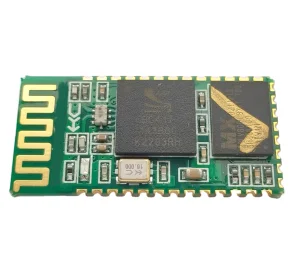
We design hybrid boards combining high-Tg FR-4 with metal cores. These are engineered for smart lighting applications where control electronics (microcontrollers, Wi-Fi/Bluetooth chips, and drivers) sit alongside the LEDs on a single, integrated assembly.
In high-power LED installations, the design of the circuit board dictates the total thermal resistance of the system ($R_{\theta J-A}$). This total resistance is the sum of the individual thermal resistances: the LED junction-to-case ($R_{\theta J-C}$), the case-to-heatsink through the PCB substrate ($R_{\theta C-HS}$), and the heatsink-to-ambient ($R_{\theta HS-A}$).
RθJ-A = RθJ-C + RθC-HS (PCB Dielectric + Substrate) + RθHS-A
By minimizing the thickness of the dielectric layer while maximizing its thermal conductivity, Corexis reduces $R_{\theta C-HS}$ to its physical minimum, keeping LED junction temperatures well below the critical 85°C threshold. This ensures long-term operational stability and prevents thermal runaway.
Different regions and industries have varying operational environments and regulatory requirements. Our technical solutions are tailored to meet these localized needs:
Corexis maintains a robust quality management system led by 56 dedicated QA/QC professionals. Operating under ISO 9001:2015, IATF 16949 (for automotive assemblies), and ISO 14001, we apply strict controls throughout the manufacturing lifecycle:
We test all raw materials before they reach the production floor. This includes verifying aluminum alloy sheets, copper-clad laminates, solder pastes, and LED beads, ensuring they match our strict requirements for purity, thickness, and thermal performance.
Using 3D Solder Paste Inspection (SPI) and Automated Optical Inspection (AOI) after reflow soldering, our automated systems check for component alignment, solder wetting, and bridge defects in real time, preventing faults early in the assembly process.
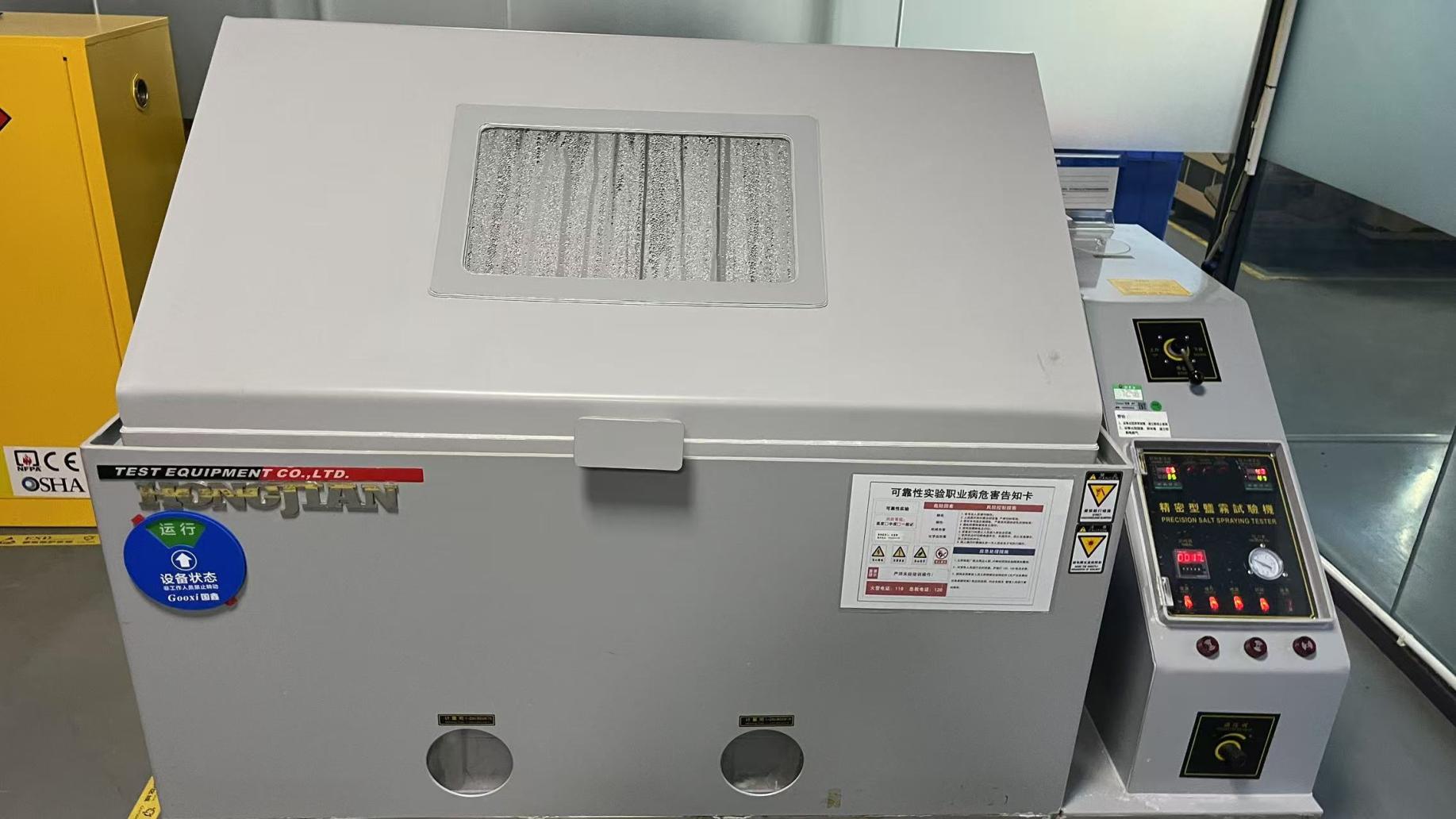
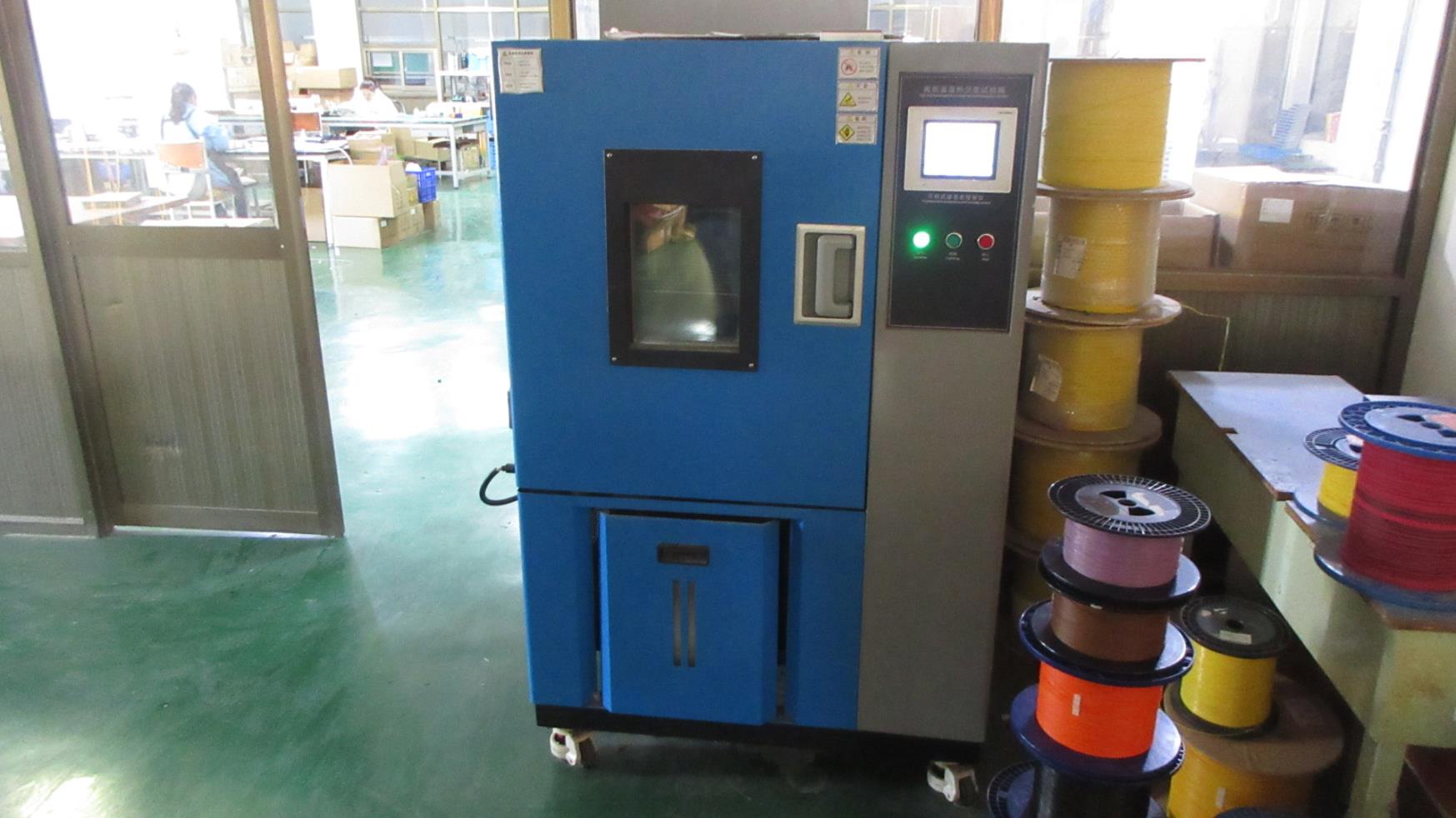
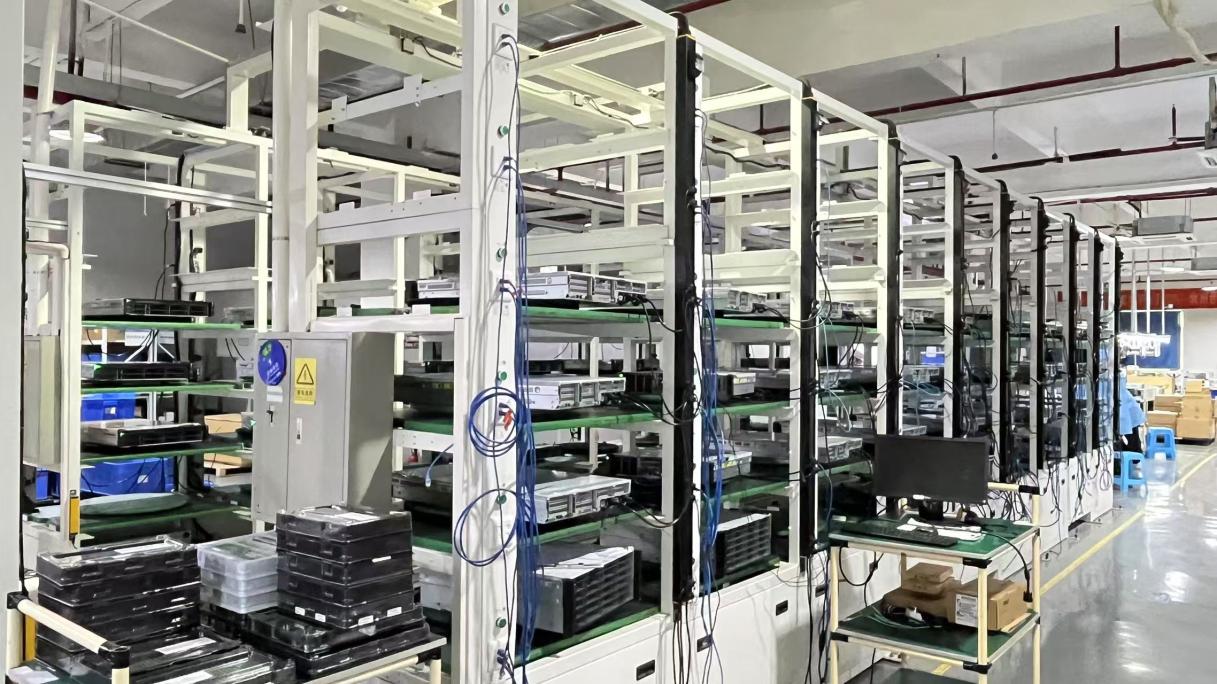
Completed assemblies undergo 100% functional testing, high-temperature burn-in, and thermal shock testing. X-ray inspection is used to verify void-free solder connections under high-power LED thermal pads and BGA packages before delivery.
Our compliance framework guarantees that all shipped products meet RoHS and REACH directives, allowing for smooth importation and sales in North American, European, and Asia-Pacific markets.
As solid-state lighting and electronics design continue to progress, Corexis is focusing its R&D on emerging technologies to keep our customers ahead of the curve:
 Corexis Memory