In recent years, technological advancements have revolutionized the world of computing. A key player in this evolution is DDR5 RAM. What is DDR5 RAM? It's the latest standard in dynamic random-access memory, supporting faster speeds and improved efficiency. As manufacturers push for better performance, this memory type promises significant benefits for users across sectors.
By 2026, global buyers will need to understand these advantages. DDR5 RAM offers double the bandwidth of its predecessor, DDR4. This can lead to quicker data processing, enhanced gaming experiences, and better multitasking. However, while the benefits are numerous, challenges exist. Not all systems support DDR5 yet. Users must ensure their hardware is compatible to fully utilize this technology.
As potential buyers weigh their options, the value of investing in DDR5 RAM becomes significant. It’s essential to balance the performance gains with potential costs and compatibility concerns. Understanding what DDR5 RAM can offer will help users make informed decisions to meet their computing needs effectively.
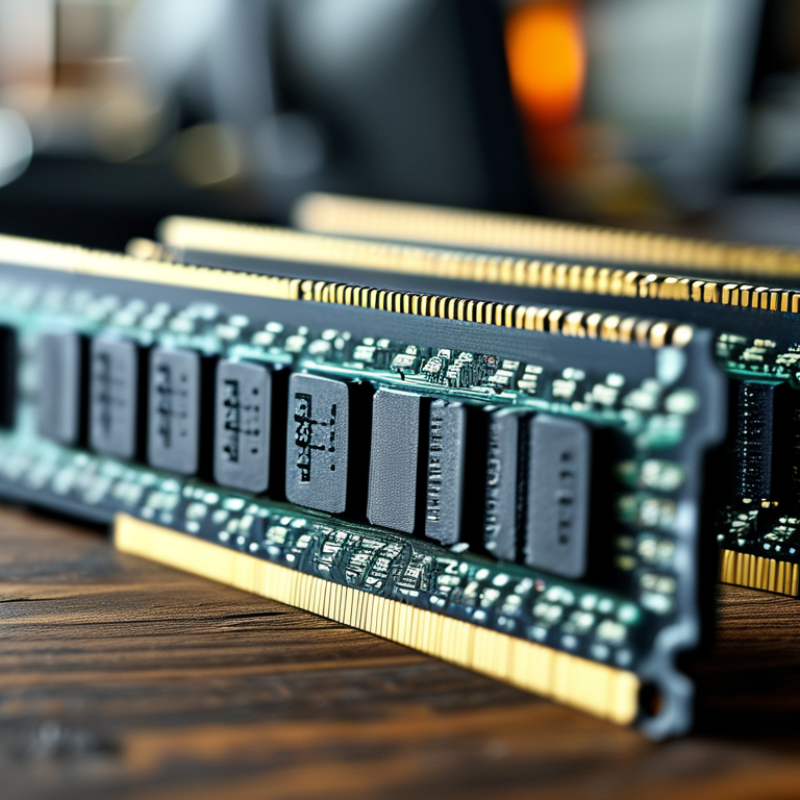
The Evolution of DDR5 RAM and Its Global Significance
The evolution of DDR5 RAM marks a significant leap in technology. This generation offers enhanced data transfer rates and increased bandwidth. Users now experience smoother performance across various applications. Gaming, content creation, and data-intensive tasks benefit from these improvements. With speeds reaching up to 8400 MT/s, DDR5 brings efficiency to the forefront.
As global demand rises, understanding DDR5's role becomes crucial. Businesses can enhance productivity through faster systems. However, the transition poses challenges. Many legacy systems struggle to adopt this new standard. Compatibility issues may arise, requiring careful planning. Consumers must assess whether their hardware supports DDR5. This awareness is vital for maximizing investment in technology.
The benefits extend beyond immediate performance. DDR5 RAM is built for future-proofing systems. As software demands increase, having advanced RAM ensures longevity. However, buyers must recognize that price points may fluctuate. Investing in DDR5 now could yield better long-term value. Evaluating options thoughtfully will guide users toward making informed decisions.
Key Benefits of DDR5 RAM for Buyers in 2026
The year 2026 brings exciting advancements in DDR5 RAM technology. Buyers across the globe will experience a range of significant benefits. DDR5 RAM offers higher speeds and increased bandwidth compared to its predecessors. This results in smoother multitasking and enhanced performance for demanding applications.
One key benefit is efficiency. DDR5 RAM uses less power while delivering greater performance. This is ideal for mobile devices and laptops, extending battery life without sacrificing speed. Buyers looking to upgrade their systems will appreciate the growing availability of DDR5 RAM, ensuring compatibility with latest hardware.
Tips: Consider your specific needs when upgrading. For gaming, prioritize higher speeds. For content creation, focus on increased capacity.
Another aspect worth noting is the improved memory density in DDR5. This means more data can be stored in less physical space. Ideal for compact devices, it opens new possibilities for ultra-thin laptops and more powerful desktop systems. Nevertheless, not all systems will immediately support DDR5, and checking compatibility is crucial.
Tips: If you're unsure about your current system, consult technical specifications. Researching will help you make informed choices. Upgrading to DDR5 can lead to better performance but ensure your device can handle it.
Performance Enhancements Offered by DDR5 RAM
DDR5 RAM presents notable advancements in performance for global buyers in 2026. It is engineered to address the increasing demands of modern applications. According to a recent industry report, DDR5 can offer bandwidth speeds exceeding 6400 MT/s. This is a significant improvement over its predecessor, DDR4, which typically peaks around 3200 MT/s. Such speeds are crucial for data-heavy tasks, such as gaming and video editing.
One of the defining features of DDR5 is its enhanced efficiency. It operates at a lower voltage of 1.1V compared to 1.2V for DDR4. This reduction translates to better energy management, which is increasingly vital as sustainability becomes a focus. Additionally, DDR5 supports larger memory capacities, with modules available up to 64GB. This capability allows systems to handle multiple applications without performance hiccups.
Despite these enhancements, the transition to DDR5 may pose challenges. Compatibility is a potential hurdle; existing motherboards may not support the new standard. Prices are also expected to fluctuate, reflecting market demand and supply chain conditions. Balancing these factors will be essential for buyers aiming to leverage the full potential of DDR5 RAM.
What is DDR5 RAM Benefits for Global Buyers in 2026? - Performance Enhancements Offered by DDR5 RAM
| Dimension |
DDR4 |
DDR5 |
Improvement (%) |
| Data Rate (MT/s) |
2400 - 3200 |
4800 - 8400 |
100 - 150% |
| Bandwidth (GB/s) |
19.2 - 25.6 |
38.4 - 67.2 |
100 - 150% |
| Capacity per Module (GB) |
8 - 32 |
16 - 64 |
100% |
| Latency (ns) |
15-20 |
12-16 |
20-30% faster |
| Power Consumption (V) |
1.2 |
1.1 |
8.33% |
Compatibility and Upgrade Considerations for DDR5 RAM
When considering DDR5 RAM, compatibility becomes a significant factor for global buyers. DDR5 is designed to work with newer motherboards supporting the latest chipsets. Reports suggest that by 2026, over 80% of new PCs will likely support DDR5. This shift highlights the urgency to evaluate existing hardware. Users with older systems may find upgrading more challenging since DDR4 cannot use DDR5. This compatibility gap could affect many potential buyers.
Additionally, while DDR5 offers higher speeds and improved power efficiency, not all users will benefit equally. For example, gaming enthusiasts may experience a noticeable performance boost, whereas casual users might not perceive significant differences. Data from market analysts show that the price of DDR5 is expected to stabilize but may remain higher compared to older RAM. Therefore, buyers must weigh the cost against potential performance needs. Even with enticing new features, readiness to upgrade depends heavily on individual requirements and system capabilities.
Monitoring the evolving landscape of hardware compatibility will be crucial. Balancing the desire for higher performance with the practicality of an upgrade will shape purchasing decisions. With the right considerations, buyers can make informed choices about integrating DDR5 RAM into their systems.
Future Trends and Innovations in DDR5 RAM Technology
As DDR5 RAM technology evolves, it promises significant advancements for users worldwide by 2026. DDR5 aims to enhance performance and efficiency. It offers higher bandwidth and lower power consumption compared to its predecessors. This allows systems to operate faster while consuming less energy. In an age where energy efficiency is a priority, DDR5 could be a game-changer.
Future trends indicate the integration of advanced AI capabilities with DDR5 memory. This could enable smarter data handling and processing. As applications demand more speed, DDR5 will have to keep pace. The technology might also support a wider range of devices, from smartphones to data centers. However, the transition could face challenges, such as compatibility issues and cost. Users will need to adapt to these changes.
Innovations in heat management technologies are also on the horizon. Improved methods could prevent overheating and prolong RAM lifespan. While manufacturers work on these solutions, user experiences may vary. Some might face teething issues, such as system stability with new upgrades. The journey to fully realize DDR5's potential will involve learning and adjustments along the way.
FAQS
It offers smoother performance for gaming, content creation, and data-intensive tasks, improving overall efficiency.
No, many legacy systems struggle with compatibility. It's essential to check if your hardware supports DDR5.
Focus on your specific needs. For gaming, prioritize speed; for content creation, consider increased capacity.
Yes, DDR5 uses less power while providing greater performance, especially beneficial for mobile devices.
DDR5 offers improved memory density, allowing more data storage in less space, ideal for compact devices.
Yes, users may face compatibility issues and fluctuating prices, which require careful planning.
Anticipated trends include AI integration and improved heat management for better performance and longevity.
Consult technical specifications and do thorough research before making any upgrades.
Experiences may vary due to potential teething issues, like system stability after upgrades that require adjustment.
Conclusion
DDR5 RAM represents a significant advancement in memory technology, offering enhanced performance and efficiency for global buyers in 2026. Understanding "What is DDR5 RAM" is crucial as it delivers higher bandwidth and faster data rates compared to its predecessors, making it ideal for demanding applications such as gaming, video editing, and artificial intelligence. The evolution of DDR5 RAM reflects its growing importance in various sectors, emphasizing its role in supporting faster computing speeds and improved multitasking capabilities.
As buyers consider compatibility and upgrade paths for DDR5 RAM, it is essential to evaluate current systems and the potential for future enhancements. With continuous innovations in DDR5 technology, consumers can expect ongoing improvements in performance, reliability, and energy efficiency, ensuring that investing in this next-generation memory not only meets current demands but also prepares for future computing challenges.

 Corexis Memory